Setting Up for Lifelike Practice Sessions
When gearing up for the upcoming season or looking to improve accuracy, investing in the right practice equipment is the most effective approach. Lifelike foam targets, reliable arrow holders, and properly tuned attachments make a significant difference in how practice translates to the woods. Selecting components usually depends on specific goals, available space, and whether you plan to shoot in your backyard or travel to local facilities for varied training.
Taking time to understand complete setups helps avoid purchasing unnecessary items. Many archers start with a basic flat foam block, but upgrading to three-dimensional animal shapes provides a much more realistic visual perspective. This transition helps you learn to pick a specific aiming point on an uncreased, naturally contoured surface rather than a brightly painted dot, which is a crucial skill for executing ethical shots in the field.
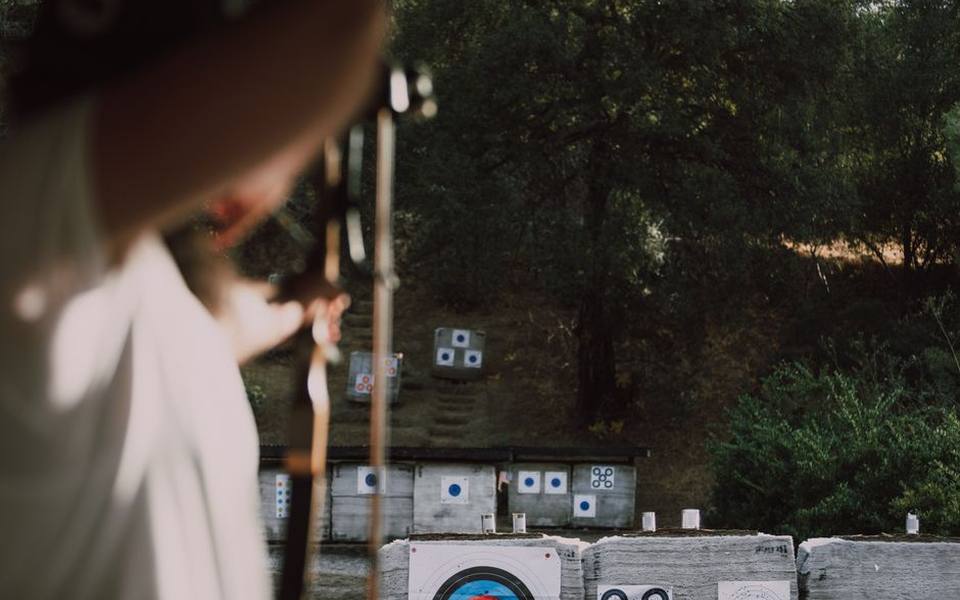
If you prefer not to store bulky foam items or lack yard space, local facilities maintain elaborate, field-like setups. Practicing at a dedicated 3D course allows you to experience varying distances, uneven terrain, and changing light conditions. These dynamic environments replicate hunting scenarios far better than a flat lawn, giving you the practical experience and confidence needed when the moment of truth finally arrives.
Choosing the Right Foam Animal Shapes
Selecting a three-dimensional foam target usually comes down to evaluating durability, realistic sizing, and the ease of arrow removal. High-density foam is the standard material because it safely stops both broadheads and field points, though it typically wears out faster with repeated broadhead use. Most experienced archers look for a dense core section that can be swapped out, extending the life of the entire unit without requiring a costly full replacement.
The most common choice for backyard practice is a standard whitetail shape, as it closely matches what most North American hunters pursue. When evaluating different models, pay attention to the visible scoring rings and vital organ outlines. Some targets feature subtle lines mimicking the challenge of focusing on an unmarked animal, while others have bright, easily visible rings that are ideal for competitive scoring and precision measurement.
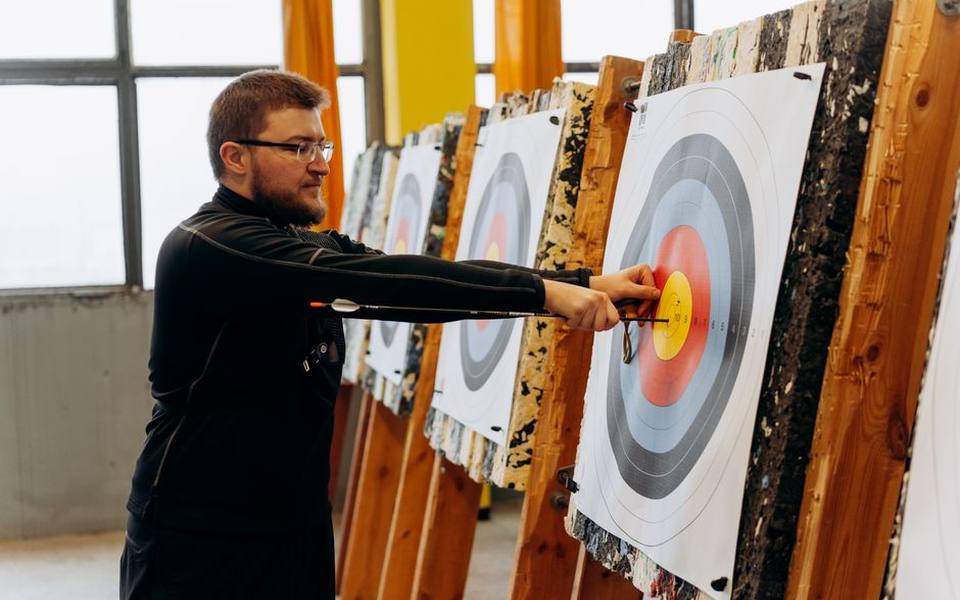
Pulling arrows from highly dense foam can sometimes be a difficult chore, especially if using high-speed setups with thin carbon shafts. Certain target materials are formulated specifically to allow easier extraction, preventing fatigue during a long practice session. If you are unsure which material suits your draw weight, asking the staff at a local pro shop can help identify the most practical option for your specific equipment.
Organizing Arrows and Essential Attachments
Keeping your arrows easily accessible and protected is the primary job of a modern arrow holder that attaches directly to your riser. This component holds a set number of arrows securely, preventing them from rattling while navigating through dense woods. The design you choose typically depends on whether you prefer a detachable model to remove once settled in a tree stand, or a fixed version that remains on the equipment.
A well-designed holder features a sturdy hood to completely cover sharp broadheads and tight rubber grippers to hold the shafts silently in place. Weight distribution is another crucial factor when adding this piece of equipment. Placing a loaded holder on one side of the riser inevitably changes the physical balance, which often requires adjusting stabilizers to maintain a steady, level hold when you reach full draw.
Beyond simply holding arrows, a few other carefully chosen attachments can drastically improve your overall experience. Noise dampeners, quality multi-pin sights, and reliable drop-away rests are common upgrades that seasoned hunters prioritize for ultimate stealth and consistency. Before buying heavily advertised items online, it is generally wise to focus strictly on the fundamental components that directly impact your shot consistency, equipment reliability, and quietness in the field.
Improving Comfort and Equipment Control
The way your hand interacts with the riser significantly influences accuracy, making grip modifications a highly popular topic. Wrapping the handle with specialized tape is a simple, effective way to add insulation during cold weather and prevent slipping when sweating. The application process involves starting at the bottom of the handle, pulling the material tight, and overlapping the edges evenly as you slowly work your way up.
A properly applied wrap provides a consistent tactile reference point, ensuring your hand placement feels absolutely identical for every shot. Consistency in the grip reduces unintended torque, which is a common cause of erratic arrow flight. While some shooters prefer the feel of bare machined metal or custom wood plates, a thin layer of texturized material offers an inexpensive, reversible way to customize the feel of your equipment.
To further secure your grip and prevent dropping your gear, attaching a wrist strap to the front of the riser is highly recommended. This cord ensures the equipment does not hit the ground after the release, allowing you to confidently maintain a relaxed, open hand. You can often test out different strap materials and rigidities at an indoor range to see which configuration feels most comfortable.
Evaluating Starter Packages and Retailers
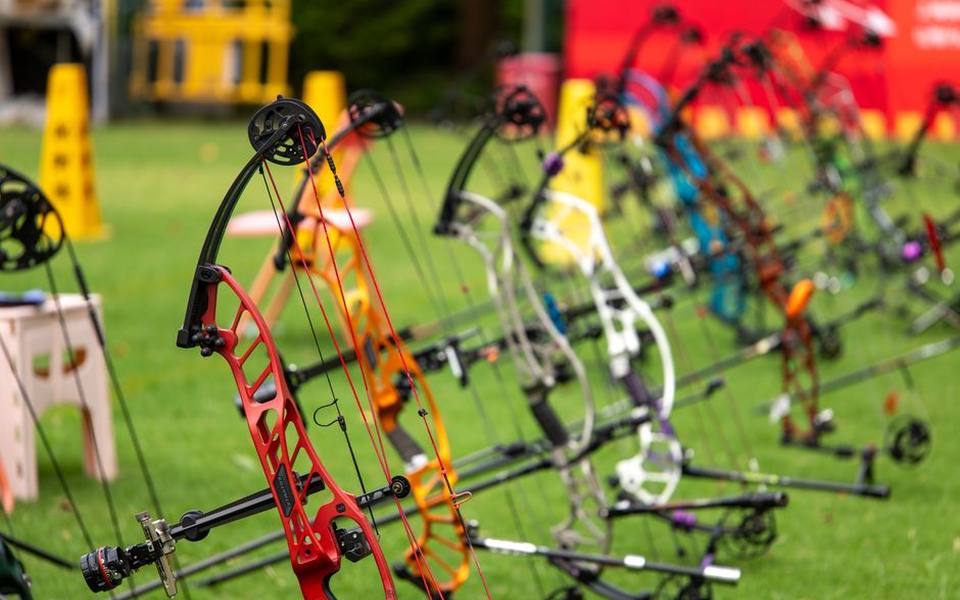
When entering the sport, choosing the right starter package is essential for enjoying a frustration-free learning curve. Many established manufacturers offer excellent entry-level models uniquely designed to be highly adjustable in both draw length and weight. These versatile platforms can safely grow with the user over several years, making them a much more solid investment than trying to assemble a questionable homemade setup from scattered parts.
While purchasing from a digital retailer offers incredible convenience and a massive selection, buying your very first primary setup online can be challenging. A digital storefront is great for restocking lost arrows or targets, but it cannot offer hands-on physical fitting. A poorly fitted setup will inevitably lead to deep frustration, the development of bad physical habits, and potentially serious shoulder strain over a prolonged period.
For the absolute best results, having a knowledgeable professional evaluate your posture and set your initial measurements is invaluable. Facilities offering lessons or classes for beginners provide the exact expertise needed to ensure your equipment fits your body mechanics perfectly. Whether searching in Pennsylvania, which has 137 listings in our directory, or elsewhere, leveraging local knowledge sets a strong foundation for future accuracy and success.
Published 2026-09-20 · reviewed with each rebuild, last September 2026.
Find archery ranges near you
The directory lists 1,976 archery ranges by state and city — pick your state or use the “Near me” button in the header.
More guides
-
 Money
MoneyA Guide to Archery Range Fees and Lesson Costs
-
 Buying
Choosing Broadheads and Aiming for the Perfect Shot
-
 Service
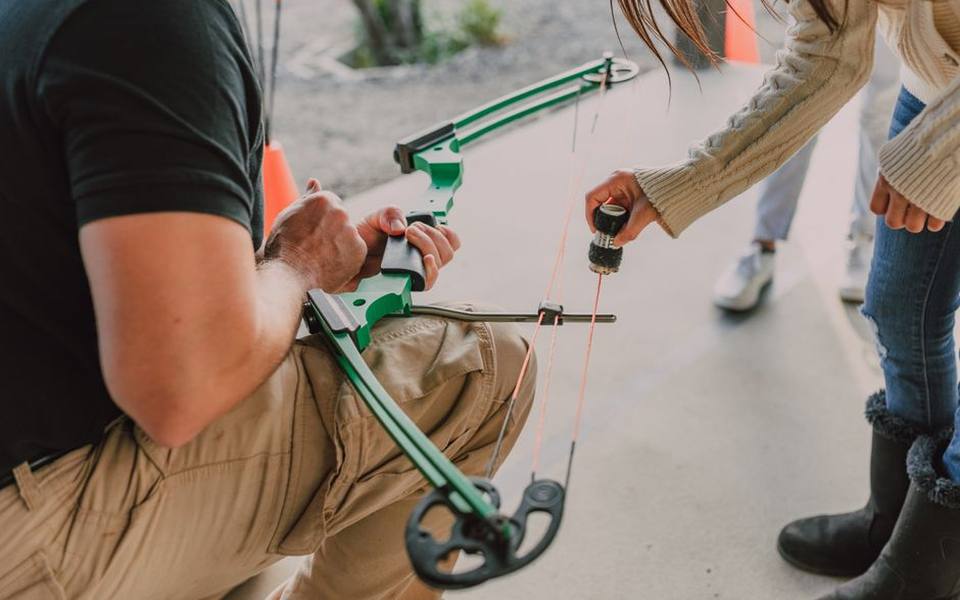
DIY Bow Maintenance, Tuning, and Basic Repairs
-
 Buying
Choosing Sights and Rangefinders for Better Accuracy
-
 Buying
Understanding Bow Purchase and Restringing Costs
-
 Owning
Arrow Selection, Cutting, and Fletching at Home
-
 Safety
Bowhunting Shot Placement Guide for Deer and Turkey
-
 Buying
Complete Guide to Choosing the Best Crossbow Broadheads
-
 Money
MoneyHow Much Does Archery Cost? A Realistic Beginner Budget
-
 Buying
Choosing the Right Arrows and Field Points: Shaft Materials, Weights, and Tuning
-
 Buying
Best Archery Sets for Beginners: Complete Buyer Guide and Starter Tips