Understanding basic lane rental fees
When you visit a local facility, you will typically pay an hourly fee to rent a shooting lane. These rental costs range from a modest fee to higher amounts depending on amenities and location. You are paying for the space, a target bale, and basic safety oversight. Some locations charge by the half-hour or offer a flat daily rate, which is often a better deal if you plan to stay longer.
The environment you choose also influences the overall price. Finding an indoor range usually means paying a premium for climate control and consistent lighting, which is highly valued during bad weather. Outdoor facilities, typically run by local clubs or parks departments, might have lower daily fees or rely on seasonal passes, though they leave you exposed to the elements.
Location plays a significant role in how facilities structure their pricing. For instance, shooters looking at ranges in California will often see higher hourly rates compared to rural areas due to local commercial real estate prices. It is always a good idea to check the specific fee structure of facilities in your immediate area before loading up your equipment.
Equipment rental costs for new archers
If you do not own a bow yet, most commercial facilities offer equipment rental packages for an additional fee. This rental usually includes a basic recurve or compound bow, a set of arrows, an arm guard, and a finger tab. The cost is typically applied on top of your hourly lane fee. The quality of rental equipment varies, but it is almost always sufficient for trying out the sport.
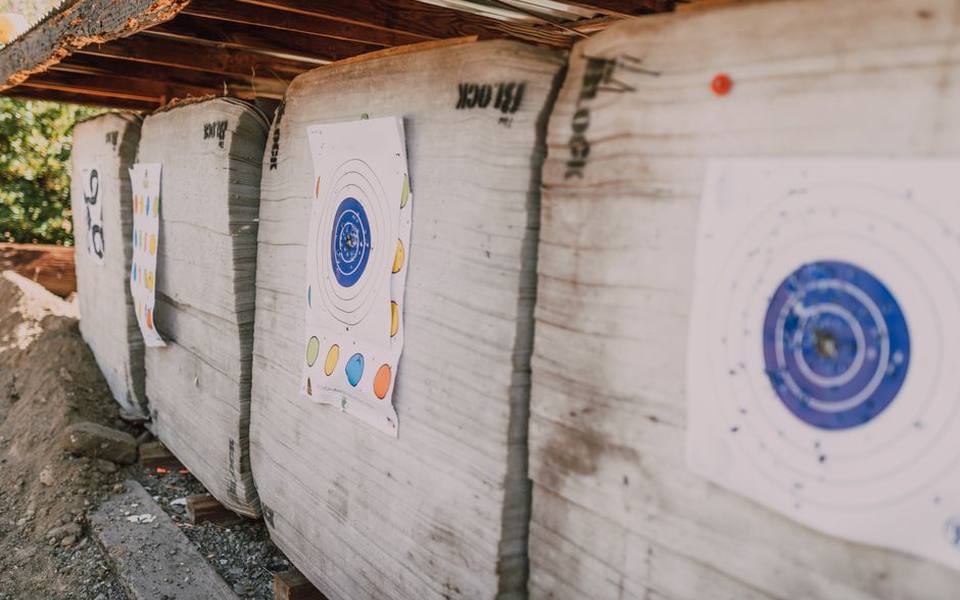
Paper targets are another small expense you need to account for when planning your visit. While the large foam bale at the end of the lane is included, the actual paper face with scoring rings is usually sold separately. These cost a nominal amount, and you can buy different styles depending on your preference. Many regular shooters save money by bringing their own paper targets.
Sometimes, facilities will bundle the lane time, equipment rental, and paper targets into a single introductory package. This bundled approach is highly convenient and often represents a small discount compared to buying everything piecemeal. If bringing someone who has never shot before, asking about a comprehensive rental package is the most straightforward way to get them set up on the line affordably.
What to expect for beginner archery classes
Taking a structured class is the safest and most effective way to learn proper form, and pricing depends entirely on the format. Introductory group classes are generally very affordable and serve as an excellent starting point. These sessions typically last about an hour and include necessary rental equipment, range time, and professional instruction. Group sizes are usually capped to keep the cost accessible.
If you prefer personalized instruction, private coaching will require a larger financial commitment. The rate for a private lesson is typically higher than a group class, reflecting dedicated one-on-one time with an instructor. This is highly beneficial for correcting specific form issues. When searching for facilities offering beginner classes, you will often find a menu of both group and private options.
Many facilities also offer multi-week progressive courses designed to take someone from a complete novice to a competent recreational archer. By paying for a block of lessons upfront, you often secure a slightly lower per-session rate. These longer programs usually cover equipment maintenance and different shooting styles, providing excellent value for anyone serious about the hobby and are highly recommended for new participants.
Membership versus pay-as-you-go options
For those who plan to practice more than a couple of times a month, purchasing a membership can significantly reduce your average cost per visit. Most commercial facilities offer monthly or annual membership plans that waive the hourly lane fees entirely. Members typically pay a flat recurring rate and can shoot as often as they like. Calculating your expected visits will quickly reveal if a membership makes financial sense.
Beyond free lane time, memberships frequently come with secondary financial perks that add to their overall value. It is common for members to receive a percentage discount on equipment rentals, retail purchases, and professional coaching sessions. Some facilities also offer guest passes, allowing you to bring a friend to the shooting line at a substantially reduced rate, making it easier to introduce others to the sport.
Club-run outdoor facilities handle memberships differently, often requiring an annual fee rather than a monthly subscription. These clubs might ask members to contribute volunteer hours for range maintenance in exchange for lower yearly dues. With thousands of facilities available, such as the numerous options in Pennsylvania, finding a membership structure that fits your schedule and budget is usually just a matter of checking local spots.
Exploring specialized courses and pro shop services
If you want to step away from traditional paper targets, many facilities offer specialized setups that carry a different pricing structure. Walking a 3D archery course usually involves paying a flat round fee rather than an hourly rate. These courses feature life-sized foam animal targets placed along a wooded trail. Because they require more land, the entry fee is typically higher than a standard indoor lane rental.
When you own your own equipment, you will eventually need maintenance services, introducing another category of costs. Bringing your bow to an archery pro shop for a tune-up, string replacement, or accessory installation will incur labor charges. These services are generally billed at a flat rate depending on the specific task. Having a professional ensure your equipment is tuned correctly is a worthwhile investment.
It is worth noting that if you purchase a new bow directly from a facility's retail section, they will often include the initial setup and tuning labor for free. Furthermore, some shops provide complimentary range time with a major equipment purchase so you can sight in your new gear immediately. Understanding these overlapping services helps you make informed decisions when budgeting for your practice time.
Published 2026-09-20 · reviewed with each rebuild, last September 2026.
Find archery ranges near you
The directory lists 1,976 archery ranges by state and city — pick your state or use the “Near me” button in the header.
More guides
-
 Buying
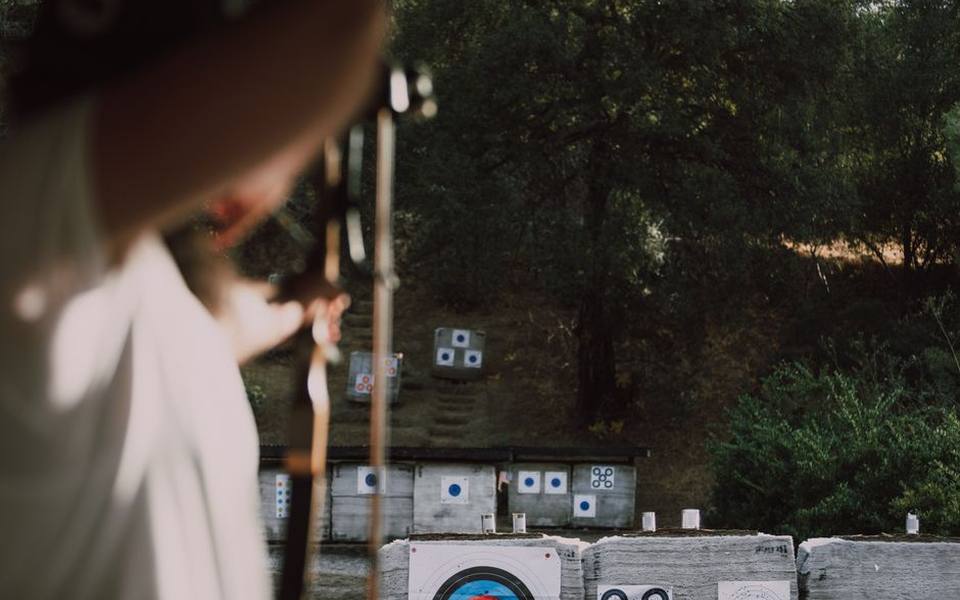
Choosing Broadheads and Aiming for the Perfect Shot
-
 Service
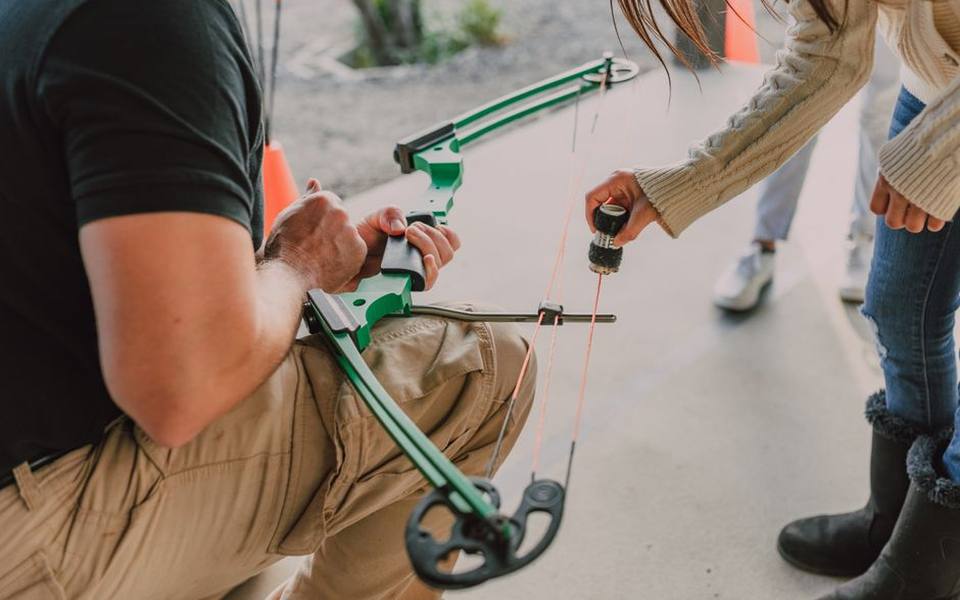
DIY Bow Maintenance, Tuning, and Basic Repairs
-
 Buying
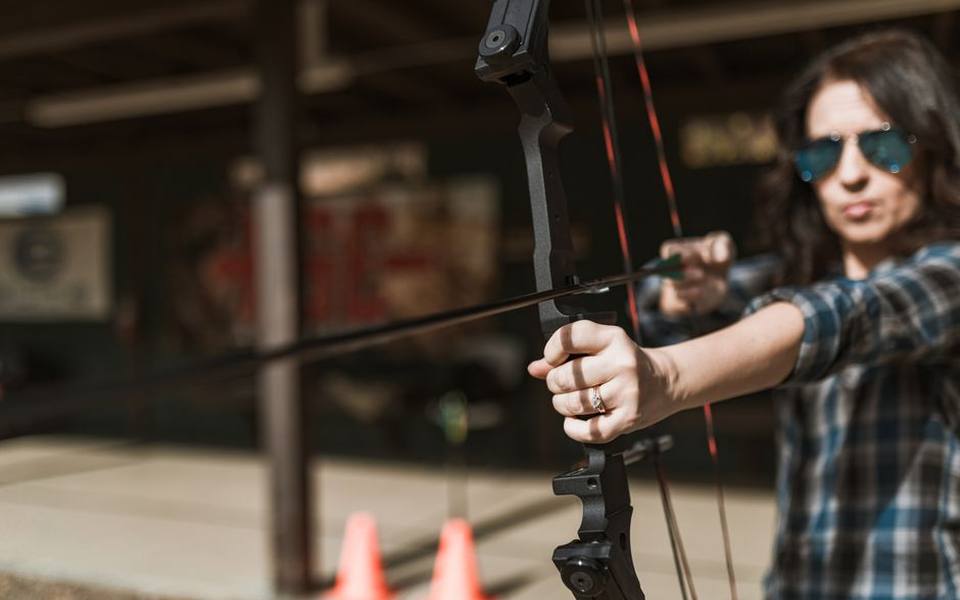
Choosing Sights and Rangefinders for Better Accuracy
-
 Buying
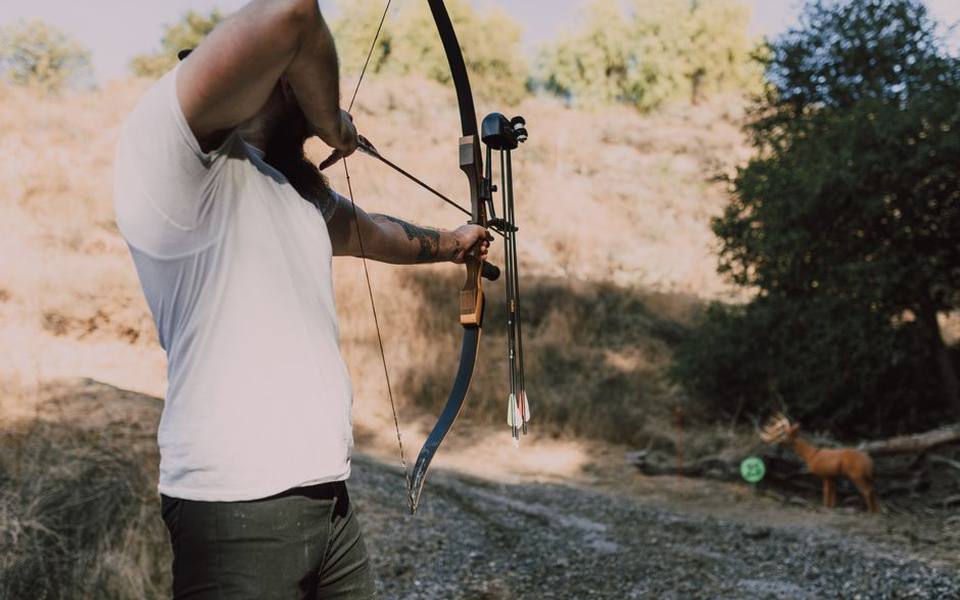
Essential Gear for Target Practice and Bowhunting Preparation
-
 Buying
Understanding Bow Purchase and Restringing Costs
-
 Owning
Arrow Selection, Cutting, and Fletching at Home
-
 Safety
Bowhunting Shot Placement Guide for Deer and Turkey
-
 Buying
Complete Guide to Choosing the Best Crossbow Broadheads
-
 Money
MoneyHow Much Does Archery Cost? A Realistic Beginner Budget
-
 Buying
Choosing the Right Arrows and Field Points: Shaft Materials, Weights, and Tuning
-
 Buying
Best Archery Sets for Beginners: Complete Buyer Guide and Starter Tips