What to Expect on Your First Range Visit
Trying archery for the first time is remarkably accessible, with minimal upfront commitment required. A standard open shooting session typically costs between $10 and $20 per hour for lane access, plus roughly $10 to $15 to rent a basic bow, quiver, and arrows. If you walk in with zero equipment, an afternoon at an indoor range rarely sets you back more than $30 to $40 in total.
Most facilities charge in one-hour blocks, though some clubs offer flat day passes for casual archers. When renting, the staff usually provides a lightweight recurve or a highly adjustable universal compound bow suited for novices. They will also fit you with basic protective items, such as an arm guard and finger tab, to keep your initial experience comfortable and pain-free.
Calling ahead to check range protocol is always wise, especially on weekends when league nights or youth programs can limit public lane availability. Renting gear for your first three or four visits is the smartest financial move you can make, as it lets you discover whether you prefer traditional barebow shooting or modern sights before investing in a dedicated bow.
Lane Rentals and Range Membership Rates
Once you decide to shoot on a regular basis, paying hourly lane fees every week can add up quickly. Most commercial facilities offer tiered pricing designed to reward frequent shooters. A single-day lane pass typically runs between $12 and $25, depending heavily on the region and the amenities provided, such as automated target retrievers or climate-controlled shooting lines.
Frequent archers generally transition to monthly or annual range memberships. Monthly passes typically range from $40 to $85, giving you unlimited lane access during open shooting hours and occasionally granting discounts on supplies. An annual membership in most states usually settles somewhere between $300 and $600, which pays for itself if you plan to shoot two or three times each month.
Outdoor venues often follow an entirely different financial structure. Many municipal clubs and county archery parks operate on modest annual passes or honor-system daily drop boxes costing just a few dollars. If you venture onto 3D archery courses, expect to pay a per-round fee of around $15 to $25 to cover target foam wear and trail maintenance.
The Cost of Lessons and Guided Coaching
Good form is much easier to build from scratch than bad habits are to unlearn, making initial instruction worth every penny. Introductory group lessons or classes for beginners typically cost between $25 and $50 per session, which almost always includes your bow rental and range time. These small-group clinics cover basic stance, draw mechanics, anchor points, and range safety rules.
Private one-on-one coaching represents a larger investment but accelerates your progression significantly. A dedicated one-hour lesson with a certified coach typically runs anywhere from $60 to $100, depending on the coach's credentials and regional market rates. Many instructors sell five-lesson or ten-lesson packages at a discounted rate, bringing the per-hour cost down by ten to twenty percent.
Many facilities also organize youth development clubs and adult introductory leagues that meet weekly over a six-to-eight-week period. These programs usually cost around $100 to $200 for the full season, covering coaching, lane time, and friendly competition. Joining a structured program is one of the most cost-effective ways to practice consistently while receiving steady feedback from seasoned shooters.
Purchasing Your First Bow and Starter Package
When you are ready to stop renting, bow prices vary dramatically depending on whether you choose traditional archery or a compound setup. A reliable wooden takedown recurve bow with starter arrows, a stringer tool, and an arm guard typically costs between $120 and $220. Recurves are mechanically straightforward, durable, and inexpensive to maintain, which makes them an outstanding entry point for budget-minded beginners.
Modern compound bows involve more engineering and accessories, which raises the entry threshold. Complete ready-to-shoot beginner compound packages typically cost between $350 and $600. These bundles usually include the bare bow, an arrow rest, a multi-pin sight, a stabilizer, a wrist sling, and a quiver, saving you money compared to buying each component separately.
Visiting a dedicated archery pro shop rather than an outdoor superstore is critical when buying your first rig. Professional technicians measure your true draw length, set your draw weight appropriately, and cut arrows to your exact dimensions. While the retail price might match big-box stores, local pro shops frequently bundle complimentary setup and lane tuning time into the purchase price.
Arrows, Protection, and Ongoing Expenses
A bow alone will not get you on the target line; essential accessories and consumables must be accounted for in your initial budget. A half-dozen carbon arrows matched to your draw weight typically cost between $40 and $70, while an entry-level wrist-strap release aid for a compound bow runs between $30 and $60. Add in a simple hip quiver and arm guard for another $30 to $50.
Archery also brings subtle recurring costs that surprise newcomers. Arrows inevitably break, robin-hood, or vanish into outdoor backstops, requiring periodic replacements. Replacement field points, nocks, fletchings, and string wax generally cost under $20 a year, but budgeting an extra $50 to $75 annually for replacement shafts is standard practice for regular shooters.
Bowstrings also wear out and must be replaced every two to three years, or whenever visible fraying occurs. A new string and cable set for a compound bow typically costs between $90 and $160 including professional installation and timing adjustments. Recurve strings are much simpler and cheaper, typically running $15 to $25 each, making traditional shooting remarkably inexpensive over several seasons.
Published 2026-09-20 · reviewed with each rebuild, last September 2026.
Find archery ranges near you
The directory lists 1,976 archery ranges by state and city — pick your state or use the “Near me” button in the header.
More guides
-
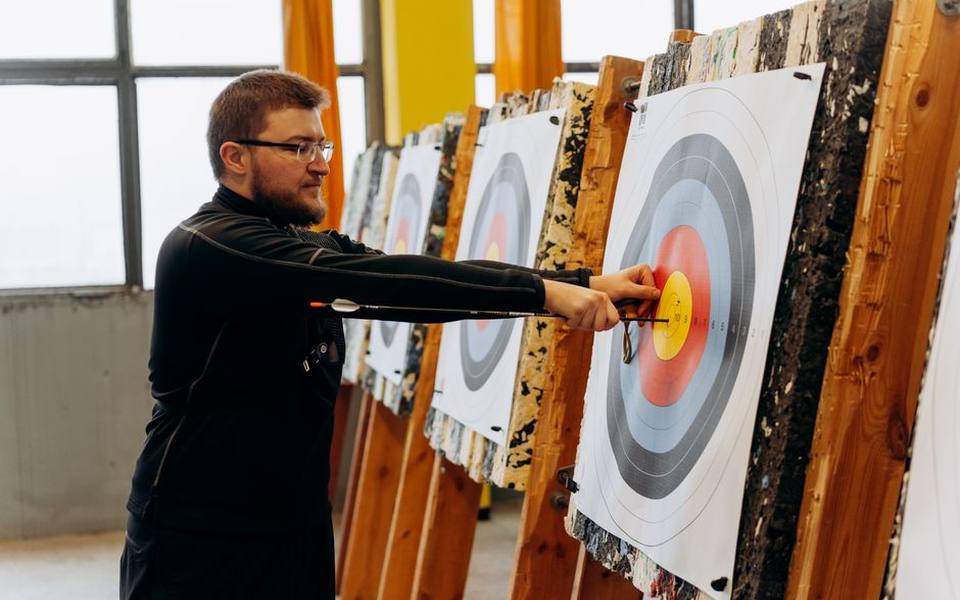 Money
MoneyA Guide to Archery Range Fees and Lesson Costs
-
 Buying
Choosing Broadheads and Aiming for the Perfect Shot
-
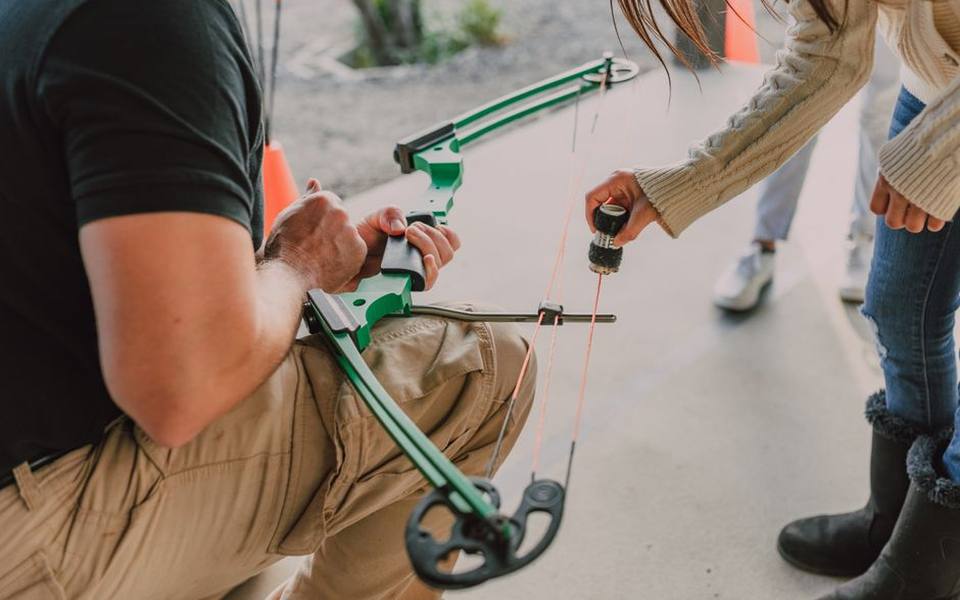 Service
DIY Bow Maintenance, Tuning, and Basic Repairs
-
 Buying
Choosing Sights and Rangefinders for Better Accuracy
-
 Buying
Essential Gear for Target Practice and Bowhunting Preparation
-
 Buying
Understanding Bow Purchase and Restringing Costs
-
 Owning
Arrow Selection, Cutting, and Fletching at Home
-
 Safety
Bowhunting Shot Placement Guide for Deer and Turkey
-
 Buying
Complete Guide to Choosing the Best Crossbow Broadheads
-
 Buying
Choosing the Right Arrows and Field Points: Shaft Materials, Weights, and Tuning
-
 Buying
Best Archery Sets for Beginners: Complete Buyer Guide and Starter Tips