What Comes in a Complete Starter Archery Kit
A comprehensive starter archery kit typically includes a riser, matched limbs or cams, a basic arrow rest, several spine-matched arrows, finger or release protection, and an arm guard. For newcomers, purchasing a packaged set eliminates the guesswork of matching individual accessories to the riser before learning how each part behaves. Instead of spending hours hunting down individual screws and compatible rests, you receive an integrated platform ready for initial tuning.
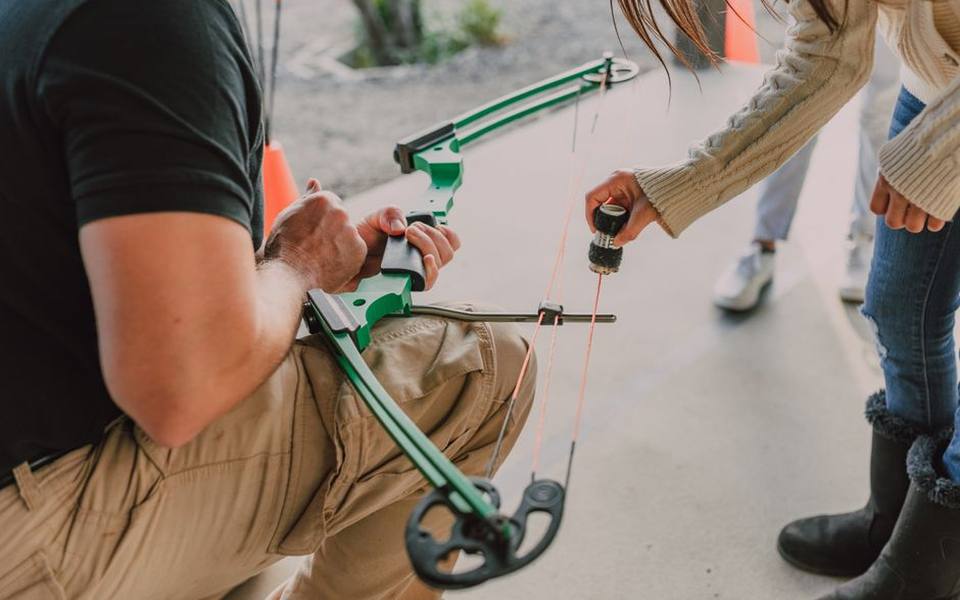
Most beginner packages center around either a takedown recurve or an adjustable compound bow. Takedown recurves allow shooters to change out limbs as their strength increases, making them ideal for traditional target shooting and fundamental form training. Beginner compound packages, on the other hand, feature broad draw-weight adjustment ranges that let an archer grow into higher poundages without swapping major components.
Accessories included in entry-level kits vary in durability, but they serve an important early purpose. The included sight pins, plastic arrow rests, and canvas arm guards are designed to get you shooting safely on day one. As your grouping tightens and you develop personal preferences, upgrading individual accessories becomes straightforward without replacing the main bow itself.
Sizing Bows for Adults, Women, and Younger Shooters
Selecting the right starter bow depends heavily on matching physical frame size, draw length, and upper-body strength rather than arbitrary age categories. A common mistake for new adult archers is choosing a draw weight that is too heavy, which leads to poor shoulder alignment and rapid fatigue. Adult beginners usually do best starting with recurve draw weights between fifteen and twenty-five pounds, or highly adjustable compound setups that can be dialed down easily.
For female archers and shooters with shorter wing spans, the primary consideration is finding a bow with a lightweight riser and a comfortable grip profile. Many starter models labeled for women or intermediate youth offer shorter axle-to-axle lengths or lighter mass weights, making it easier to hold steady without straining the bow shoulder. The actual draw mechanics remain identical across all body types, meaning proper fit always supersedes marketing labels.
Youth archers need equipment with enough adjustability to match rapid growth spurts over several seasons. A dedicated youth set should offer easy adjustment mechanisms that parents can manage without special pressing equipment. Before ordering any setup, stopping into an archery pro shop allows an experienced tech to measure exact draw length and eye dominance, preventing costly sizing errors.
Evaluating Build Quality and Brand Reputation
Evaluating starter equipment requires looking past glossy paint jobs to examine foundational materials and hardware tolerances. Reliable starter recurves typically use laminated wood and fiberglass limbs mounted to cast aluminum or engineered wood risers, offering dependable structural stability. Low-end novelty sets often rely on soft, unreinforced plastics that warp under string tension and produce unpredictable arrow flight.
Major archery manufacturers with long heritage lines generally offer superior quality control in their entry-level packages compared to generic marketplace brands. Well-established brands build their budget lines around proven geometry, standardized limb pockets, and standard thread sizes for stabilizer and sight bushings. This compatibility ensures you can install standard accessories down the road without custom machining or awkward adapters.
Check the availability of replacement wear items before committing to a specific package. Bowstrings, servings, cables, and cable slides naturally wear out with regular practice and will eventually need replacement. If a manufacturer uses proprietary dimensions or obscure string lengths, finding replacements down the road can be frustrating, whereas standard-spec starter bows can be restrung quickly at almost any shop.
Essential Shooting Technique for New Archers
Solid shooting technique begins with a balanced foundation before the bowstring is ever drawn back. Stand perpendicular to the target line with feet shoulder-width apart, distributing weight evenly across the balls of your feet. Your shoulders should remain low and relaxed rather than hunched toward your neck, creating a stable bone-on-bone skeletal support structure rather than relying purely on muscle tension.
The bow hand should contact the grip lightly along the muscular pad of the thumb, keeping the fingers relaxed at roughly a forty-five-degree angle. Clenching the riser tightly introduces lateral torque, twisting the bow at release and throwing arrows off target. Your drawing hand should settle into a repeatable anchor point against the corner of your mouth or jawbone every single shot.
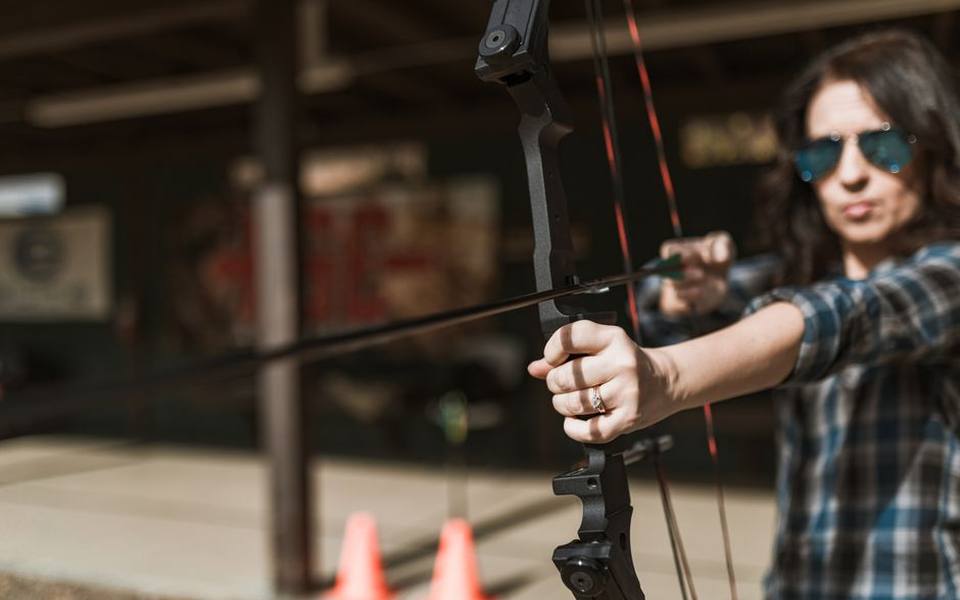
The release must be a clean, unconscious letting-go rather than a deliberate pluck of the string. Keep your bow arm extended steadily toward the target until the arrow impacts, maintaining focus through the complete follow-through. Never dry-fire a bow by releasing the string without an arrow loaded, as the unabsorbed energy can shatter limbs and cause severe injuries. Working with instructors through archery ranges with lessons is one of the fastest ways to solidify these habits early.
Testing Your Kit and Finding Safe Shooting Space
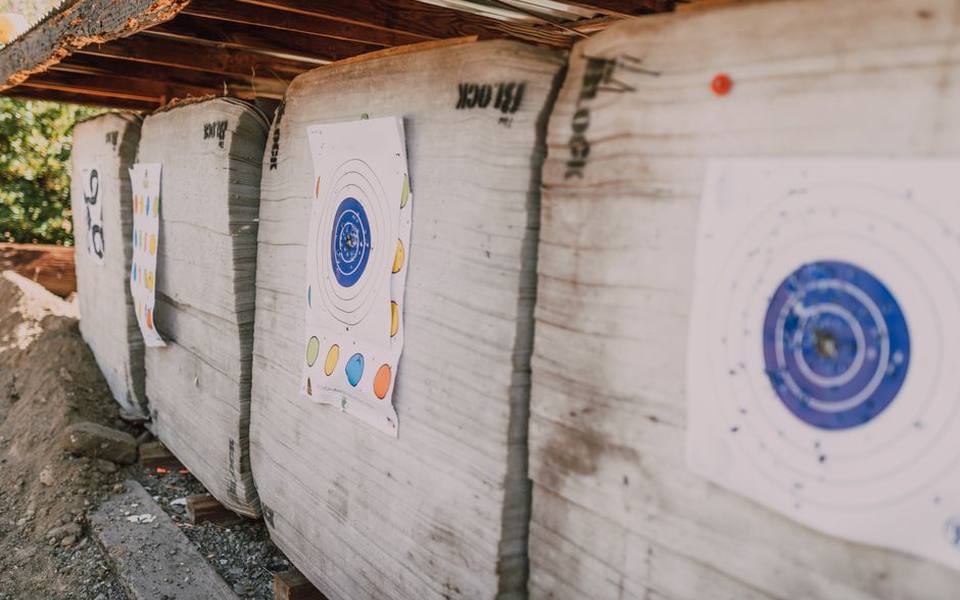
Once you have assembled your starter kit, locating an appropriate practice venue is the critical next step. Backyard shooting is strictly restricted in many suburban municipalities, and stray arrows present serious safety liabilities even with homemade backstops. A dedicated facility provides certified netting, sturdy target bales, and clearly marked firing lines that keep everyone safe during practice.
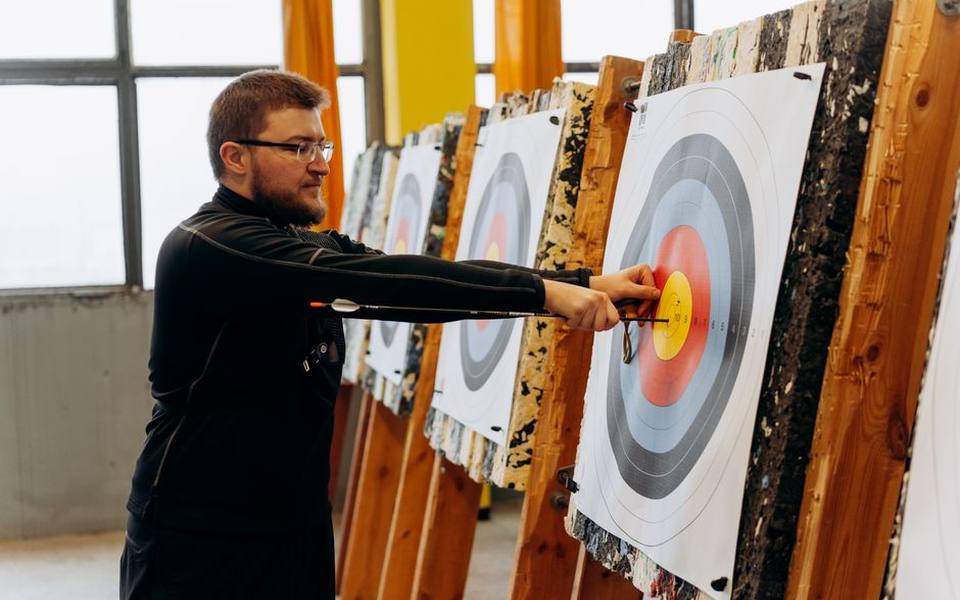
Beginning your practice at an indoor archery range removes weather variables like gusting wind and harsh glare. These climate-controlled spaces allow you to focus purely on your draw cycle, grip consistency, and anchor reference points at standard distances. Range officers and experienced archers on the line also provide an encouraging environment where questions can be answered quickly.
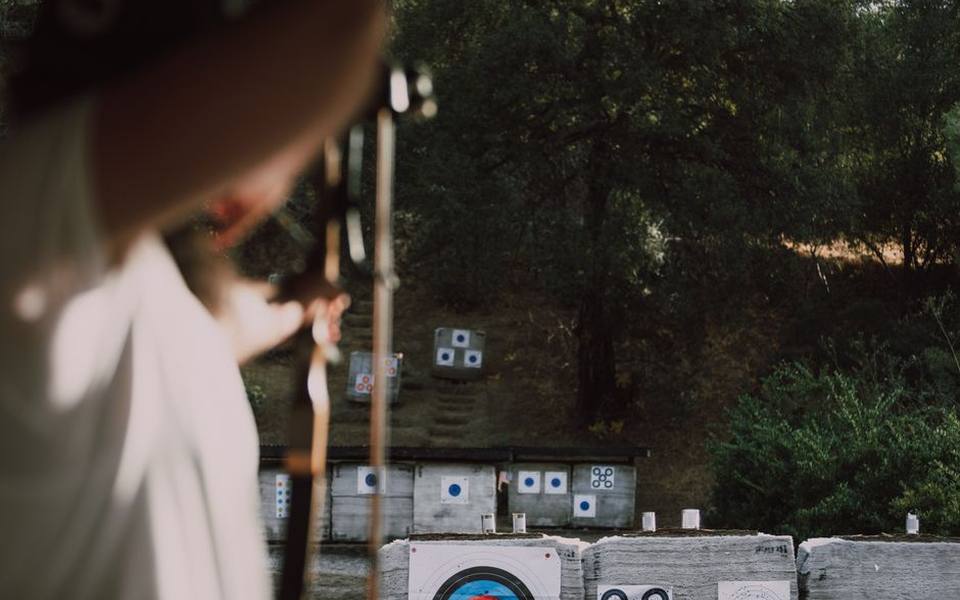
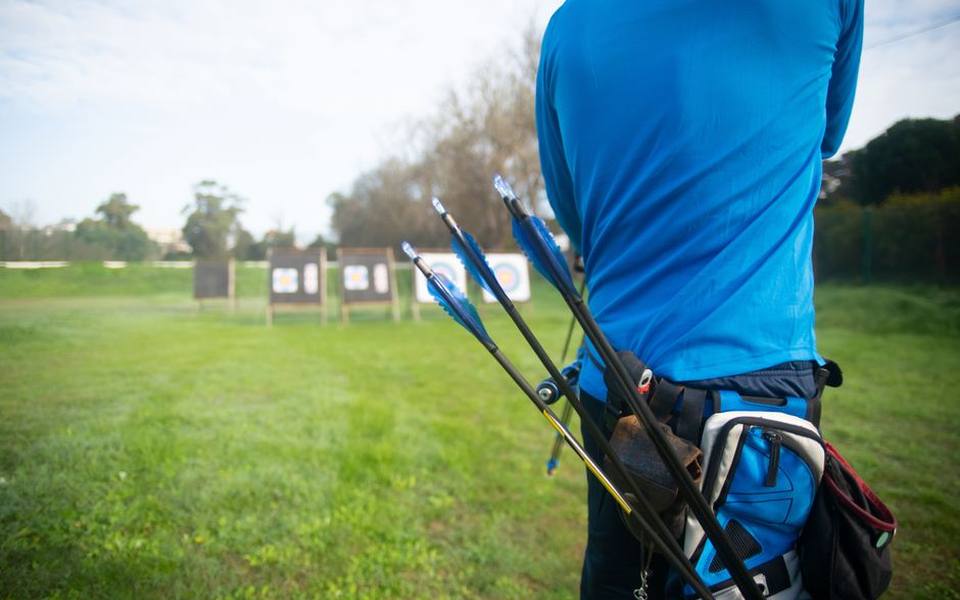
As your comfort and accuracy progress beyond ten and twenty yards, exploring different shooting formats helps maintain engagement. Moving from stationary paper targets to an outdoor walk-through or a 3D archery course challenges your distance estimation and shooting angles. A well-chosen beginner package will easily handle these varied environments as your interest in the sport deepens.
Published 2026-09-20 · reviewed with each rebuild, last September 2026.
Find archery ranges near you
The directory lists 1,976 archery ranges by state and city — pick your state or use the “Near me” button in the header.
More guides
-
 Money
MoneyA Guide to Archery Range Fees and Lesson Costs
-
 Buying
Choosing Broadheads and Aiming for the Perfect Shot
-
 Service
DIY Bow Maintenance, Tuning, and Basic Repairs
-
 Buying
Choosing Sights and Rangefinders for Better Accuracy
-
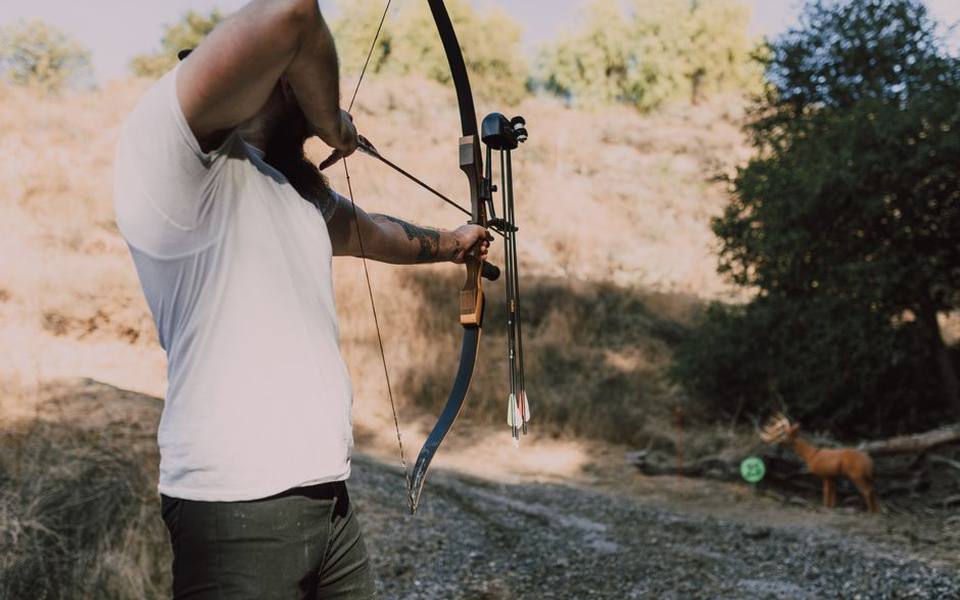 Buying
Essential Gear for Target Practice and Bowhunting Preparation
-
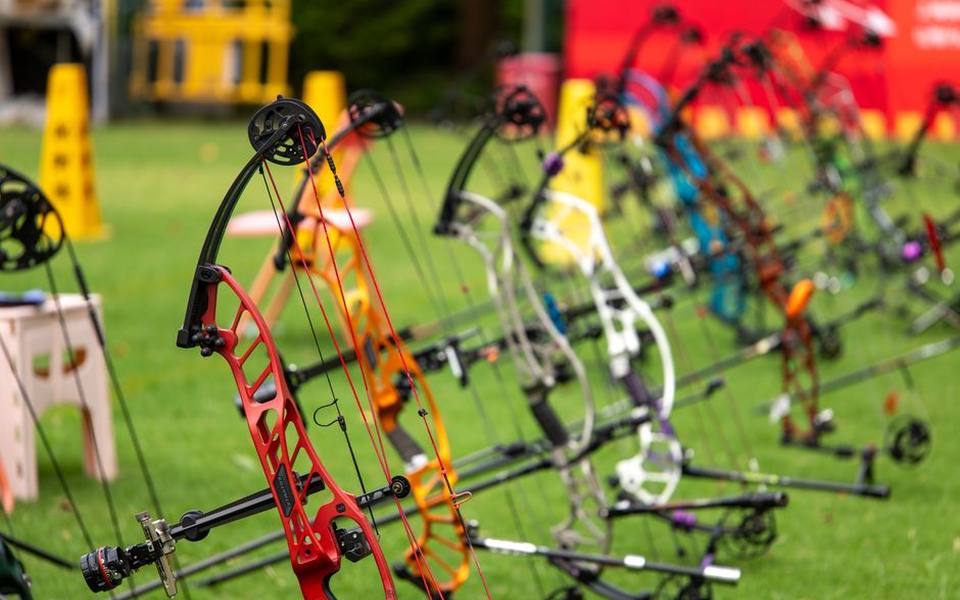 Buying
Understanding Bow Purchase and Restringing Costs
-
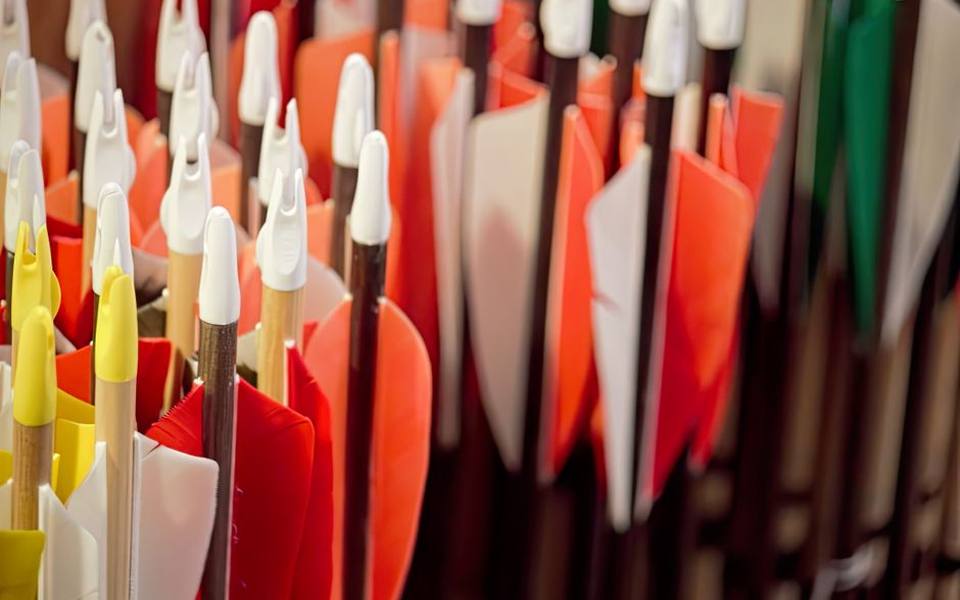 Owning
Arrow Selection, Cutting, and Fletching at Home
-
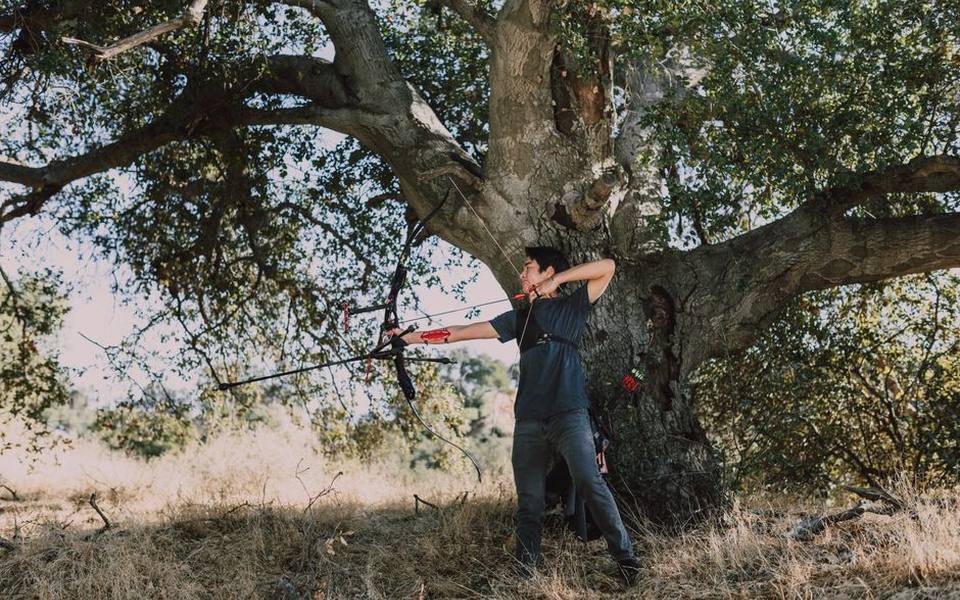 Safety
Bowhunting Shot Placement Guide for Deer and Turkey
-
 Buying
Complete Guide to Choosing the Best Crossbow Broadheads
-
 Money
MoneyHow Much Does Archery Cost? A Realistic Beginner Budget
-
 Buying
Choosing the Right Arrows and Field Points: Shaft Materials, Weights, and Tuning