What to Expect When Buying Your First Bow
The price of a new setup depends heavily on the style you choose, but a reliable beginner package typically ranges from a few hundred dollars to slightly more for advanced rigs. Recurve setups are generally the most affordable starting point. Modern compound designs carry a higher price tag due to their complex cam systems and machined parts. If you are just starting out, going straight to the top shelf is rarely necessary.
When estimating your budget, remember that the initial purchase is rarely just the bow itself. A bare model requires additional components before you can take it to the practice line. Packages that include a sight, rest, and stabilizer often provide better value for newcomers compared to buying each piece individually. These ready-to-shoot bundles simplify the process and keep initial expenses manageable while you learn the fundamentals.
Finding the right fit is more important than spending a lot of money right away. Draw length and draw weight must match your physical frame. Visiting local archery pro shops allows a professional technician to measure you properly and let you test different models. If you are unsure whether this hobby is right for you, renting equipment at archery ranges with lessons is a smart first step before buying.
Factoring in Arrows and Essential Accessories
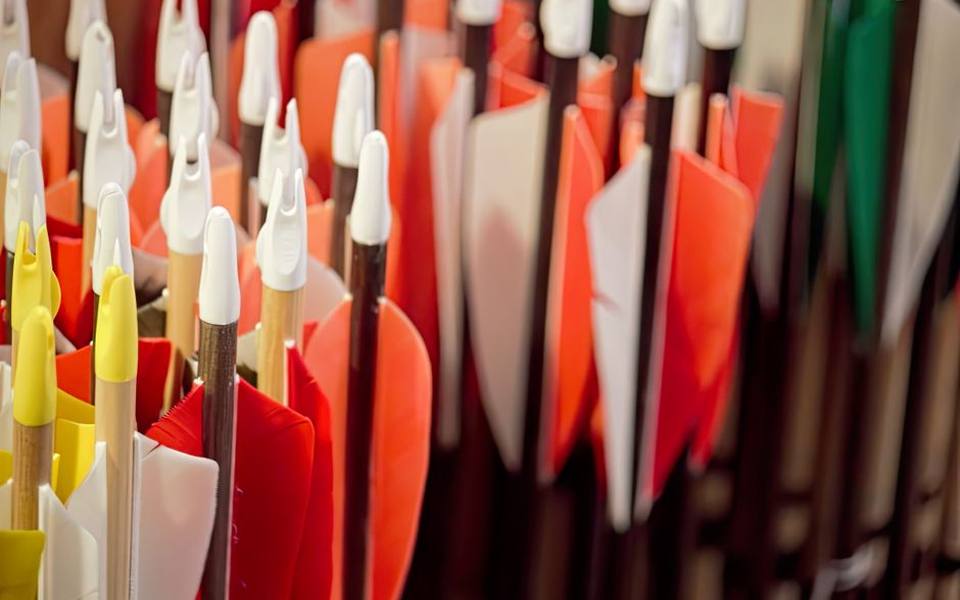
You cannot shoot without ammunition, and arrows represent a significant portion of your ongoing budget. They are typically sold in half-dozen or full-dozen sets, with prices varying widely based on material and straightness tolerances. Basic carbon or aluminum shafts are usually quite affordable and perform perfectly well for recreational target practice. As you progress to competitive shooting or hunting, you might explore premium micro-diameter carbon options, which cost more.
The cost of arrows is also influenced by the components attached to them. Fletching, nocks, and field points add up, especially if you need heavier broadheads. You should also account for the inevitable loss or damage that occurs during regular practice. Striking a rock or hitting another arrow will ruin the shaft, meaning you will need to restock your quiver periodically regardless of your skill level.
Beyond the projectile itself, safety gear like an arm guard and a release aid protect your body and ensure a clean release. Target availability also influences your spending. A backyard foam block adds expenses, while paying lane fees at a facility is convenient. For example, our directory lists 137 archery ranges in Pennsylvania, many providing targets and well-lit environments for a reasonable hourly rate.
Standard Restringing Fees for Compound and Recurve Models
Strings wear out over time due to friction, tension, and environmental exposure, making replacement an inevitable maintenance expense. The cost to get a bow restrung depends largely on the type of equipment you own. A simple string for a traditional recurve or longbow is very inexpensive, and many archers learn to swap it out themselves using a basic stringer tool. This keeps traditional maintenance costs remarkably low over time.
Compound bows involve a much more complicated process and require specialized equipment to service safely. A complete replacement usually involves the main string and two control cables. The materials for a high-quality aftermarket set represent a moderate expense on their own. Since this process requires compressing the limbs in a professional press, most archers rely on technicians to handle the installation and subsequent tuning.
The labor charge for string installation varies by location, but it generally reflects the time needed to properly align the peep sight, time the cams, and adjust the draw weight. Knowing when to replace these components is just as important as budgeting for them. Fraying fibers, separated serving thread, or a dry appearance are clear indicators that a professional inspection and a fresh set are necessary.
Crossbow Restringing and Maintenance Costs
Crossbows operate under extreme tension, which places immense stress on their strings and cables. Consequently, the cost to restring a crossbow is typically higher than servicing a standard compound model. The replacement sets are built thicker to withstand the aggressive force of the firing cycle, which drives up the material price. Additionally, the labor involved is often more intensive due to the compact, high-energy design of modern limbs.
Safety is the primary reason you should never attempt to service a modern horizontal setup without the proper tools. The draw weights can easily exceed what a standard bench press can handle, requiring specialized adapters. Attempting a home replacement without this equipment is highly dangerous and will likely void the manufacturer warranty. A trained technician understands how to secure the frame and safely relieve the immense limb pressure.
Preventative maintenance goes a long way in extending the lifespan of these thick strings. Regularly applying the recommended rail lube and string wax reduces friction. However, even with meticulous care, you must replace the harness assembly every few years. When budgeting for this service, you should also have the technician inspect the trigger mechanisms. With 1040 listings in top states in our directory, finding local assistance is relatively easy.
Maximizing Your Investment at the Range
After purchasing your gear and keeping it properly maintained, regular practice is the only way to improve. Paying for seasonal access to an indoor archery range is a common ongoing expense. These facilities offer a climate-controlled environment, allowing you to maintain your form throughout the winter months. The fees associated with lane rentals or memberships are generally quite reasonable compared to other recreational sports.
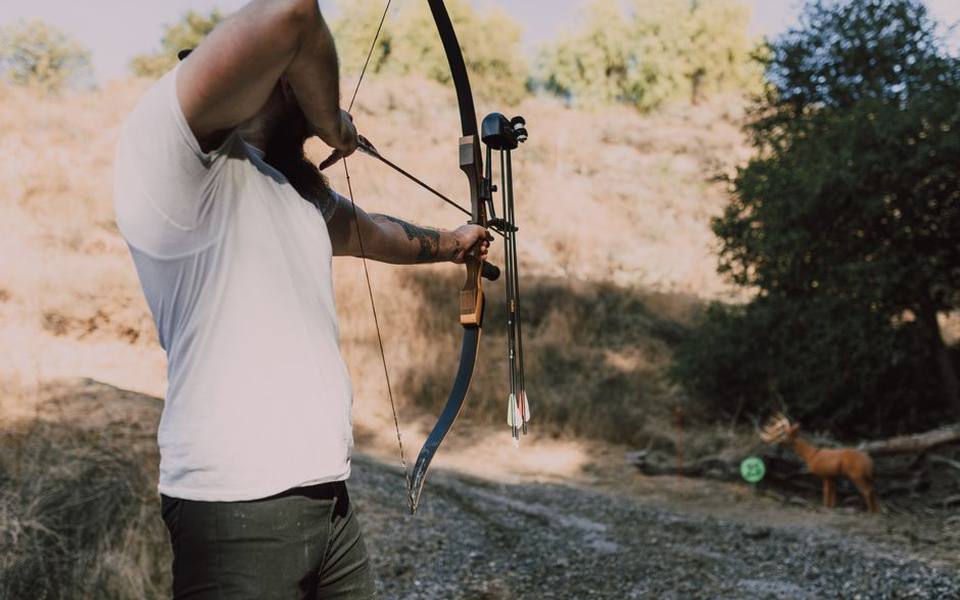
To keep things interesting, many archers transition from paper targets to foam animal replicas. Walking a 3D archery course simulates real hunting scenarios by presenting targets at unknown distances through wooded terrain. Participating in these local weekend shoots typically involves a modest entry fee. It is a fantastic way to test your skills, judge distances accurately, and meet other enthusiasts who can share valuable equipment advice.
Proper storage is another factor that protects your financial investment. Leaving a fully tensioned string in a hot vehicle or a damp basement accelerates the degradation of the fibers and limbs. Investing in a sturdy, padded case and storing it in a climate-controlled room prevents warping and rust. Taking these simple precautions delays the need for premature repairs and ensures your setup is always ready for the practice line.
Published 2026-09-20 · reviewed with each rebuild, last September 2026.
Find archery ranges near you
The directory lists 1,976 archery ranges by state and city — pick your state or use the “Near me” button in the header.
More guides
-
 Money
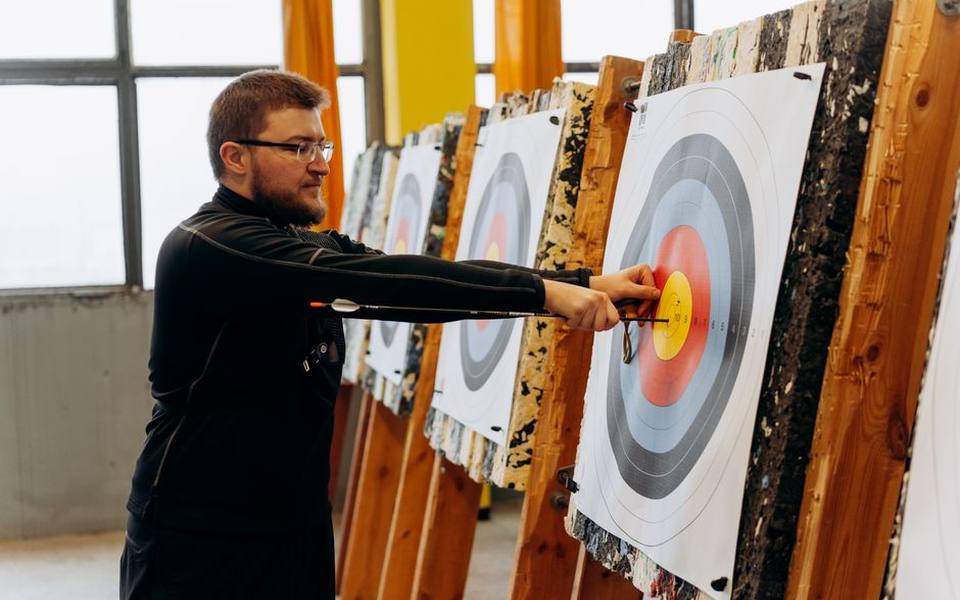
MoneyA Guide to Archery Range Fees and Lesson Costs
-
 Buying
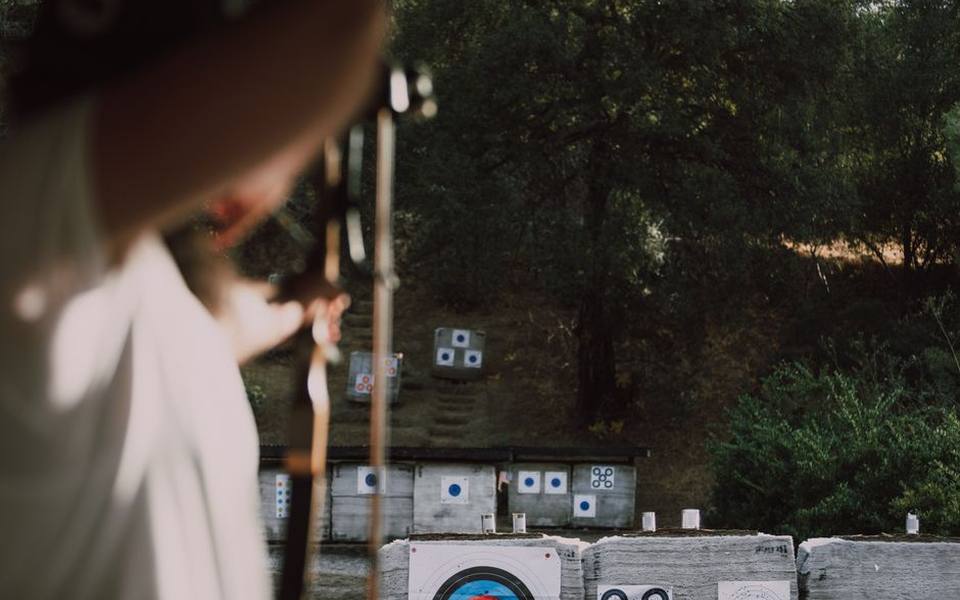
Choosing Broadheads and Aiming for the Perfect Shot
-
 Service
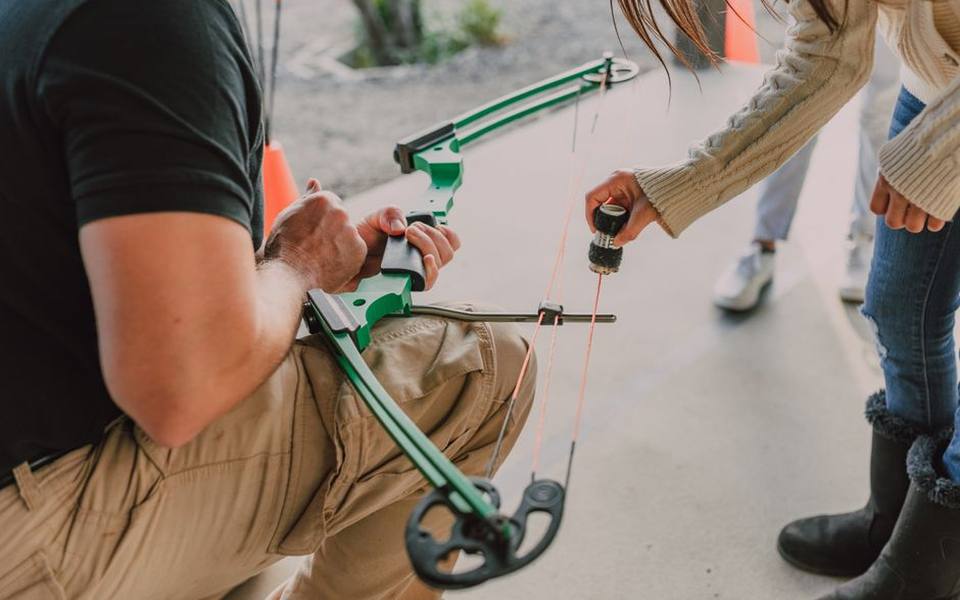
DIY Bow Maintenance, Tuning, and Basic Repairs
-
 Buying
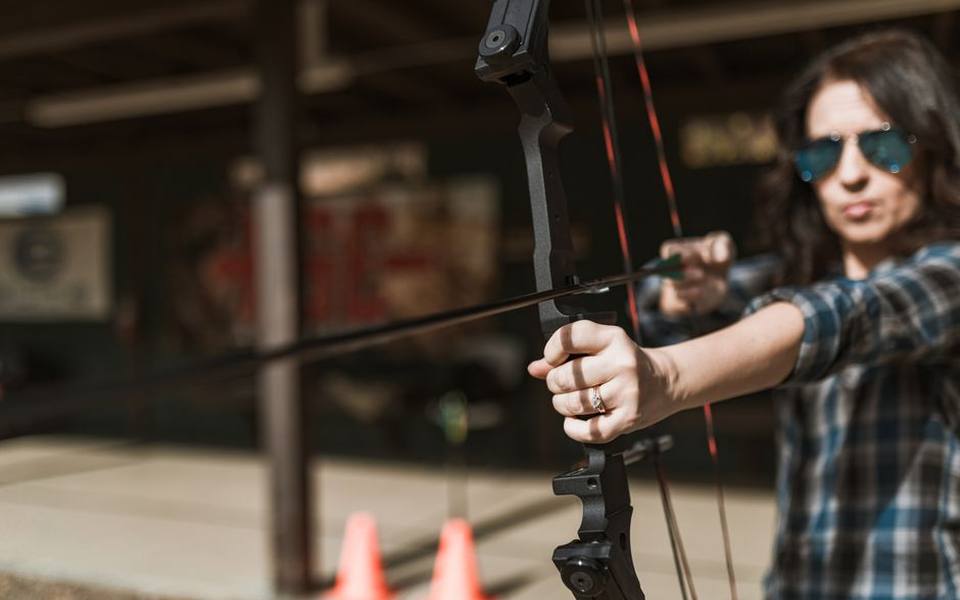
Choosing Sights and Rangefinders for Better Accuracy
-
 Buying
Essential Gear for Target Practice and Bowhunting Preparation
-
 Owning
Arrow Selection, Cutting, and Fletching at Home
-
 Safety
Bowhunting Shot Placement Guide for Deer and Turkey
-
 Buying
Complete Guide to Choosing the Best Crossbow Broadheads
-
 Money
MoneyHow Much Does Archery Cost? A Realistic Beginner Budget
-
 Buying
Choosing the Right Arrows and Field Points: Shaft Materials, Weights, and Tuning
-
 Buying
Best Archery Sets for Beginners: Complete Buyer Guide and Starter Tips