Choosing the right point and aiming with confidence
Choosing between fixed and mechanical broadheads depends on your bow setup and the game you pursue. Fixed blades offer maximum penetration, making them ideal for heavy bone impacts. Mechanical broadheads remain closed during flight for better aerodynamics and open upon impact. When targeting big game, the most reliable aiming point is just behind the front shoulder in the lower third of the chest, ensuring a fast recovery.
The game you pursue dictates your equipment. Broadheads are typically required for big game animals, including deer, elk, bear, and turkey. Small game is often hunted with field points to prevent excessive damage. Understanding the anatomy of your quarry is just as important as the broadhead threaded onto your arrow. A fast arrow does little good if it strikes outside the vital zone, making anatomical knowledge a foundational hunting skill.
Many hunters spend the off-season visiting archery pro shops to test different point weights. A technician can help evaluate your bow's kinetic energy, which dictates whether a mechanical or fixed blade makes the most sense. Matching this energy output to the appropriate broadhead style prevents poor penetration and ensures reliable performance when you get an opportunity in the woods.
Understanding blade deployment and heavy duty setups
Fixed blade designs are the traditional standard because they have no moving parts. They feature solid steel blades that begin cutting the moment they touch the target, busting through ribs without breaking. Because of their larger surface area, they can catch wind and fly differently than field points. Mechanical broadheads solve this by keeping blades folded during flight. They fly identically to practice points and deploy upon impact to create a massive cutting diameter.
Deploying mechanical blades robs the arrow of forward momentum. Hunters using low draw weights are usually advised to stick with fixed blades to ensure deep penetration. When selecting points for high-speed crossbows, you need designs built to withstand violent acceleration. Standard mechanicals might open prematurely during launch. Manufacturers use stiffer retention clips specifically engineered to handle the intense kinetic energy that high-performance crossbows deliver.
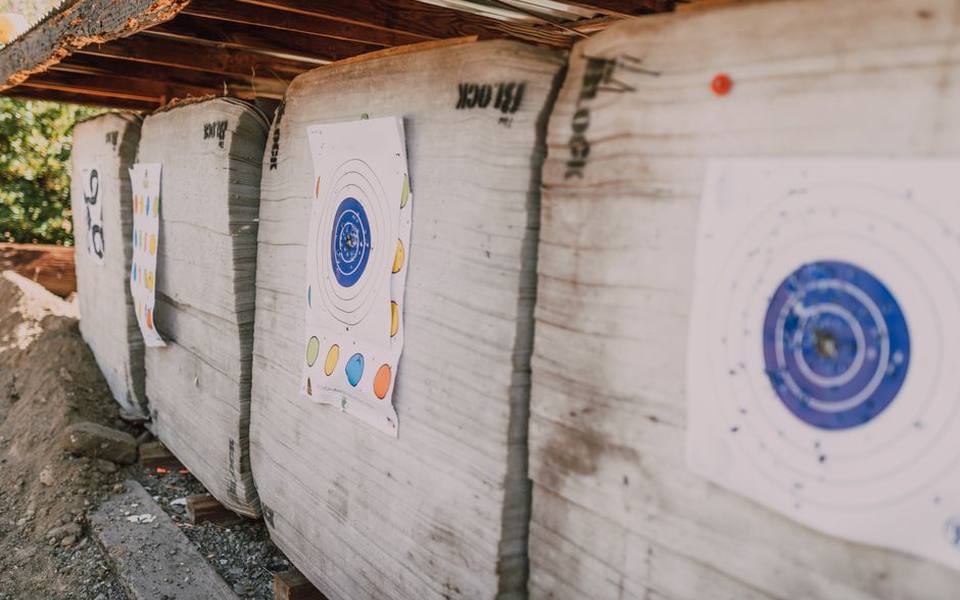
Finding the ideal point requires testing into high-density foam blocks. Shooting broadheads into standard target bags will ruin the target and bend your blades. Using broadhead-approved targets verifies that your hunting arrows impact exactly where your practice points do. Hunters frequently visit archery ranges in Wisconsin and similar states to confirm their setups before the season opens, gaining the confidence needed for a successful hunt.
Finding the optimal vital zone on a deer
When targeting deer and similarly sized game, the objective is to pierce both lungs and the heart. The ideal aiming spot is the crease, the visible vertical line just behind the front shoulder muscle. If the animal is standing perfectly broadside, settling your pin slightly above the horizontal midline and right behind that shoulder crease provides the largest margin of error. A shot hitting slightly high takes out the lungs.
The animal's body angle heavily influences where your arrow needs to enter. If a deer is quartering away from you, aiming right behind the shoulder will result in the arrow exiting too far forward. Instead, you must visualize the exit point on the opposite side and adjust your aiming point further back, often near the middle of the ribs. If an animal is facing directly toward you, it is safest to wait for a better angle.
Elevation also changes the geometry of your shot placement. When hunting from an elevated tree stand, the arrow enters high and exits low. To compensate, aim slightly higher on the body than you would from the ground, ensuring the trajectory passes through the lungs. Hunters often practice these angled shots by visiting 3D archery courses, which simulate realistic scenarios with life-sized animal targets placed at varying distances and slopes.
Adjusting your aim for smaller vital areas
Hunting wild turkey requires a completely different approach to shot placement. A turkey's vital organs are remarkably small and are tucked high up under the spine rather than low in the chest. Their dense layer of feathers can make the bird look significantly larger than its actual body size. A common mistake is shooting too low or too far forward, hitting only the breast meat without causing fatal internal damage.
If a turkey is standing broadside, the most reliable aiming point is the wing butt, the joint where the wing connects to the body. Driving an arrow through this joint disables flight and passes directly through the vitals. If the turkey is facing directly away in full strut, aiming right at the base of the tail fan drives the arrow into the lungs. Mechanical broadheads are popular here because massive cuts increase the margin of error.
Some hunters target the neck and head area using specialized points with enormous guillotine-style blades. These setups cleanly sever the neck, offering a definitive outcome where the bird drops instantly or is missed entirely. Because the head is constantly moving, these shots require extreme precision and close range. Practicing on turkey-specific targets at indoor archery ranges helps refine timing and accuracy before spring season arrives.
Tuning your gear for field conditions
Regardless of which point you choose, ensuring your bow is properly tuned is the foundation of accurate hunting. A slightly untuned bow might shoot field points reasonably well because their aerodynamic shape masks flight issues. However, attaching a broadhead with exposed blades magnifies those minor flaws, causing the arrow to plane off course. Paper tuning and bare shaft tuning are essential processes to ensure perfectly straight arrow flight.
Wind and weather conditions will also affect your broadhead flight differently than your practice points. A heavy crosswind will catch the blades of your hunting arrows and push them horizontally. Practicing in realistic, imperfect conditions helps you understand your maximum ethical range. If you notice your broadheads consistently hitting differently than field points despite thorough tuning, you may need to micro-adjust your arrow rest to bring the two impact points together.
Taking time to master your equipment honors the game you pursue. Whether you select a rugged fixed blade or a wide-cutting mechanical, your confidence in knowing exactly where that arrow will hit matters most. For those new to the sport, taking lessons for beginners can build this foundational confidence. By combining reliable gear with a deep understanding of animal anatomy and shot angles, you ensure a highly successful experience in the woods.
Published 2026-09-20 · reviewed with each rebuild, last September 2026.
Find archery ranges near you
The directory lists 1,976 archery ranges by state and city — pick your state or use the “Near me” button in the header.
More guides
-
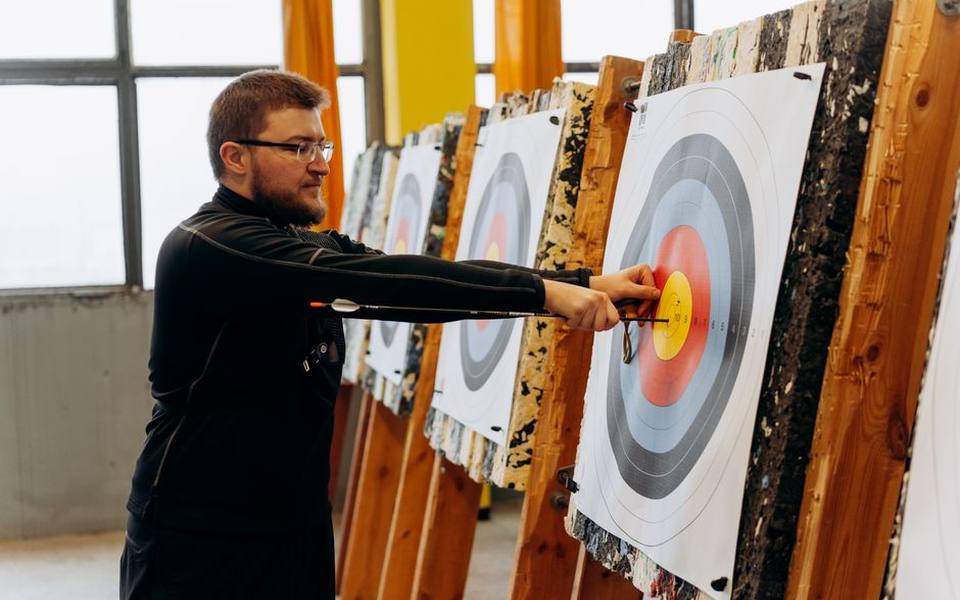 Money
MoneyA Guide to Archery Range Fees and Lesson Costs
-
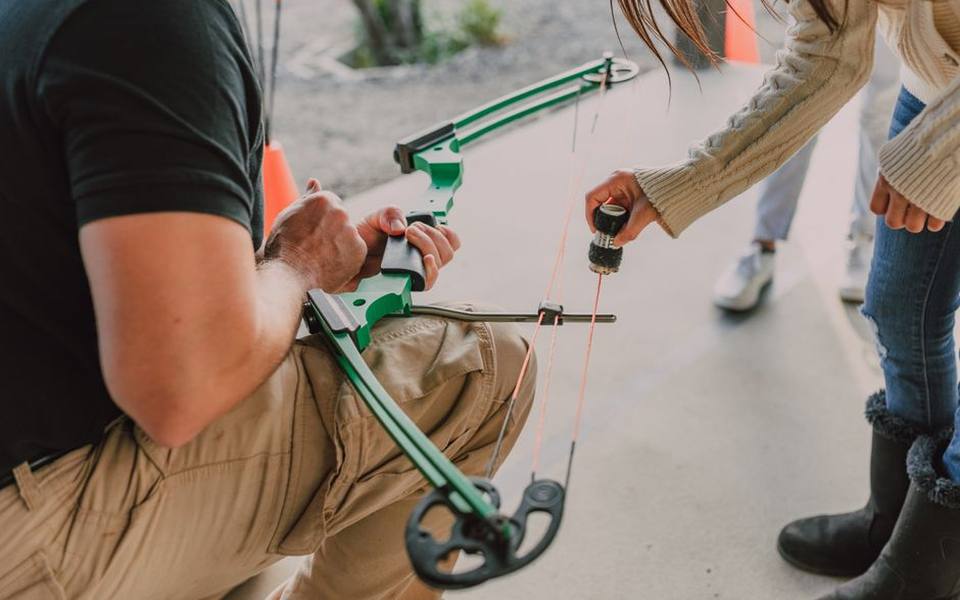 Service
DIY Bow Maintenance, Tuning, and Basic Repairs
-
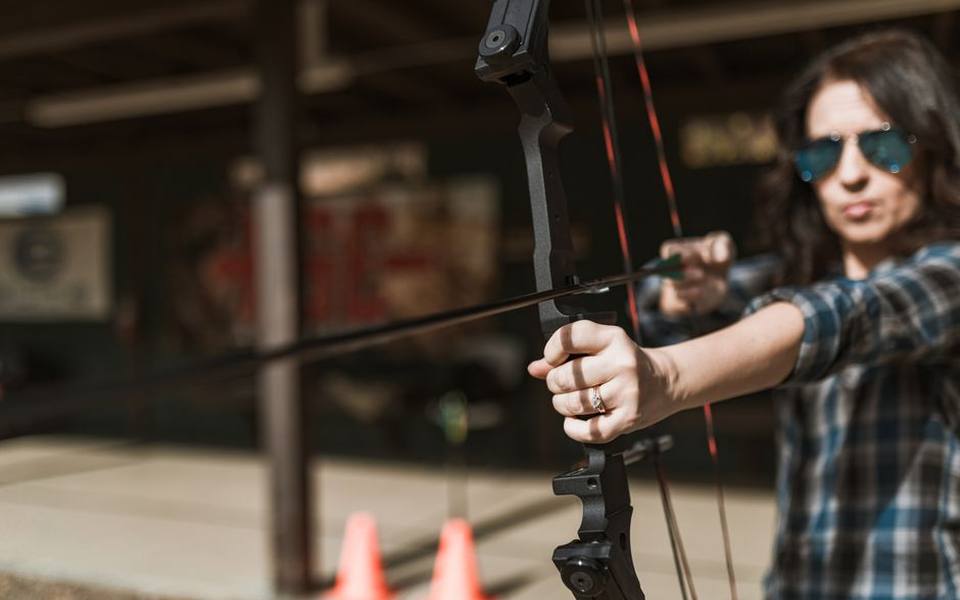 Buying
Choosing Sights and Rangefinders for Better Accuracy
-
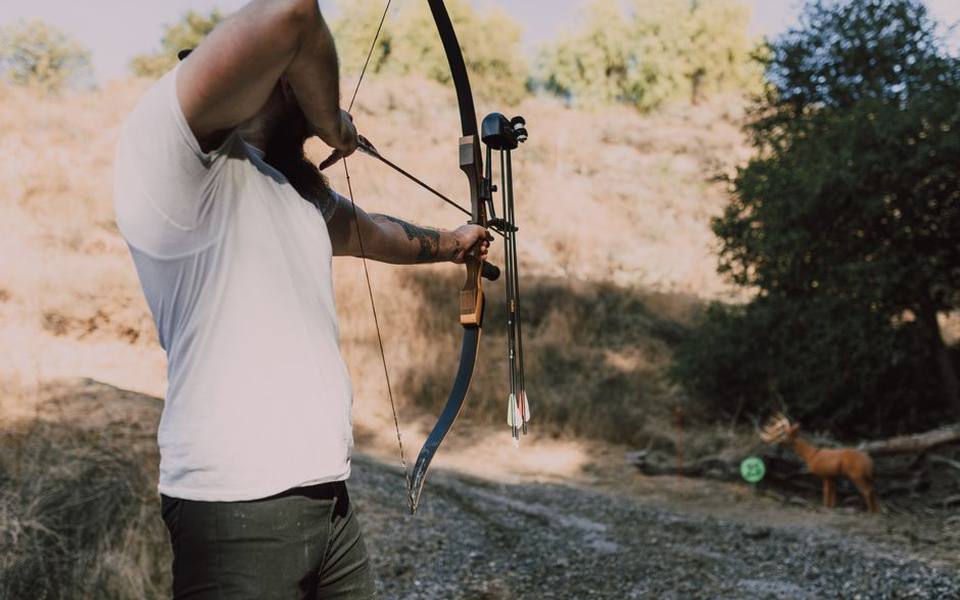 Buying
Essential Gear for Target Practice and Bowhunting Preparation
-
 Buying
Understanding Bow Purchase and Restringing Costs
-
 Owning
Arrow Selection, Cutting, and Fletching at Home
-
 Safety
Bowhunting Shot Placement Guide for Deer and Turkey
-
 Buying
Complete Guide to Choosing the Best Crossbow Broadheads
-
 Money
MoneyHow Much Does Archery Cost? A Realistic Beginner Budget
-
 Buying
Choosing the Right Arrows and Field Points: Shaft Materials, Weights, and Tuning
-
 Buying
Best Archery Sets for Beginners: Complete Buyer Guide and Starter Tips