The Core Differences Between Fixed and Mechanical Heads
Choosing between fixed-blade and mechanical broadheads comes down to how your setup balances flight stability against bone-splitting penetration. Crossbows generate substantially more kinetic energy and launch speed than traditional compound bows, which means standard broadhead physics behave differently off the rail. Fixed-blade designs rely on rigid, solid metal construction that never fails to open, whereas mechanical designs fly closer to field points because their cutting surfaces stay folded inside a sleek ferrule until impact.
For whitetail deer hunting, both broadhead styles are capable of quick, ethical harvests when paired with proper shot placement. The tradeoff sits squarely between aerodynamic forgiveness and structural reliability. Mechanical blades create larger entrance and exit wounds that typically result in heavy blood trails, but they consume more kinetic energy as the blades slide open through hide. Fixed heads, while slightly more sensitive to crosswinds and bolt alignment, punch through heavy bone and dense muscle tissue without mechanical resistance.
High-energy crossbows require heads built specifically to handle rapid acceleration without deforming. Standard vertical bow heads may look identical, but crossbow-rated broadheads generally feature thicker steel blades, heavier ferrule collars, and stiffer mechanical retention clips to survive the initial release off the rail.
Tackling High Velocities Over 400 Feet Per Second
Modern crossbows frequently push arrows past 400 feet per second, creating severe aerodynamic drag on the front of the bolt. At these extreme velocities, large fixed blades can act like small wings, catching the air and causing erratic flight known as wind planing. If your bolt is traveling at high speeds, even a fraction of an inch in blade misalignment can throw your point of impact several inches off target at forty yards.
Mechanical heads have become increasingly popular for high-speed bows precisely because their low-profile in-flight design eliminates wind planing. However, speed introduces another challenge: premature blade deployment. When a modern crossbow fires, the violent forward thrust can cause weak mechanical retention bands or springs to open mid-flight. When shooting high-velocity setups, you must select crossbow-specific mechanical heads that utilize heavy-duty collars or secure internal retention springs calibrated for rapid acceleration.
If you prefer fixed blades with a fast rig, compact low-profile heads with vented blades are essential. Smaller cutting surfaces reduce surface area, allowing the bolt to cut through the air cleanly while retaining the rock-solid durability that fixed-blade archers demand.
Penetration and Terminal Performance on Whitetail Deer
Broadheads are designed to harvest big game species, such as whitetail deer, mule deer, elk, and black bear, by cutting vital blood vessels to produce rapid blood loss. Whitetail deer are relatively thin-skinned compared to larger game like moose, which makes them prime candidates for the wide cutting diameters offered by mechanical broadheads. A wide two-inch wound channel causes extensive internal damage, often yielding shorter tracking jobs in dense timber.
However, hunting conditions are rarely perfect, and an unexpected step by a deer can turn a broadside shot into a hard-quartering angle. If a mechanical head strikes the thick shoulder blade or leg bone, it may deflect or break a blade before penetrating into the chest cavity. This is where solid fixed-blade designs hold a distinct advantage. Their rigid ferrules and chisel-style tips drive straight through cartilage and bone, ensuring that energy transfers directly forward toward the vitals.
Deciding which terminal quality matters more depends on your typical hunting terrain and stand setup. If your shots are inside thirty yards from an elevated stand with clean shooting lanes, wide mechanical cuts provide clear advantages. For longer distances, windy fields, or hunts where you anticipate steep quartering angles, the unwavering penetration of a fixed blade remains hard to beat.
Matching Broadhead Weight and Arrow Spine
A broadhead is only as accurate as the bolt carrying it downrange. Crossbow broadheads are typically sold in 100-grain and 125-grain configurations, and selecting the correct weight directly affects your arrow's front-of-center balance. Adding weight to the nose increases downrange momentum and stabilizes arrow flight, but it also alters the effective stiffness, or dynamic spine, of the shaft during launch.
Before settling on a specific head, spend time shooting through paper at an indoor range to ensure your bolt is flying without tail-wobble. A bolt that flexes excessively out of the rail will never group broadheads consistently, regardless of whether you screw on fixed or mechanical blades. If you notice persistent fishtailing, stepping up in bolt stiffness or adjusting your point weight will usually resolve the issue.
If you are unsure how your crossbow's draw weight pairs with your arrow length and broadhead grain, visit a local archery pro shop. Technicians can measure arrow spine, inspect nock seating, and square the inserts on your bolts to guarantee that your broadheads spin perfectly true without wobble.
Pre-Season Practice and Real-World Validation
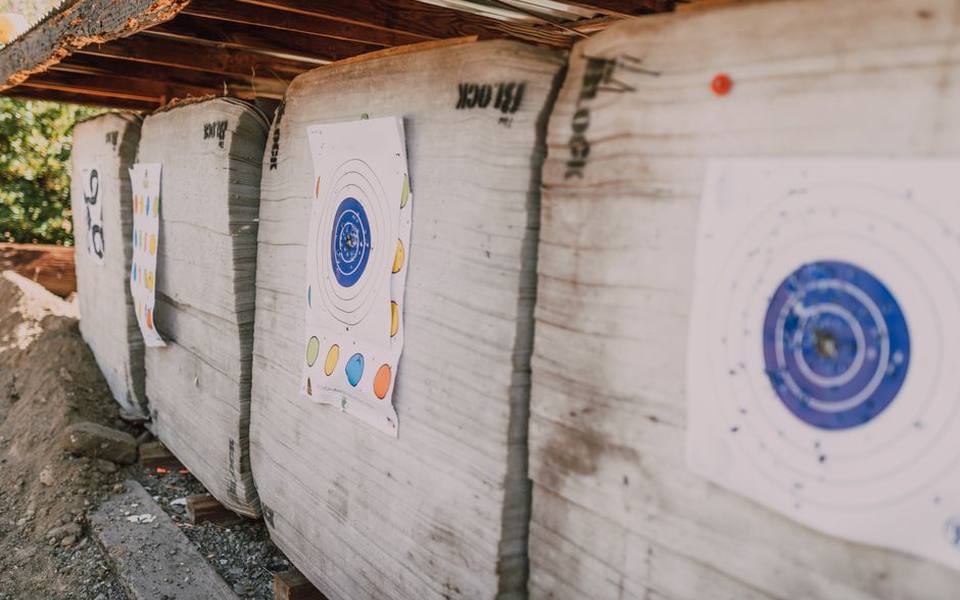
Shooting field points off a steady bench rest is helpful for zeroing your optics, but it does not prepare you for hunting conditions. Practicing across varied elevations and uneven ground at a local 3D archery course helps reveal how gravity, crosswinds, and awkward shooting stances influence broadhead flight. Realistic target shooting also trains your eye to identify vital angles on life-sized game models.
Regulations regarding broadhead style, minimum cutting width, and mechanical legality vary depending on where you hunt. Hunters tuning their setups in heavy whitetail states, such as those visiting archery ranges in Wisconsin, should review state wildlife agency handbooks annually, as rules regarding barbs and mechanical blade expansion can change.
Finally, never head into the woods with broadheads that have been dulled by practice shooting. Foam targets quickly wear down razor edges. Keep dedicated practice blades for tuning sessions, and load fresh, razor-sharp factory blades into your hunting quiver once you are satisfied with your downrange groups.
Published 2026-09-20 · reviewed with each rebuild, last September 2026.
Find archery ranges near you
The directory lists 1,976 archery ranges by state and city — pick your state or use the “Near me” button in the header.
More guides
-
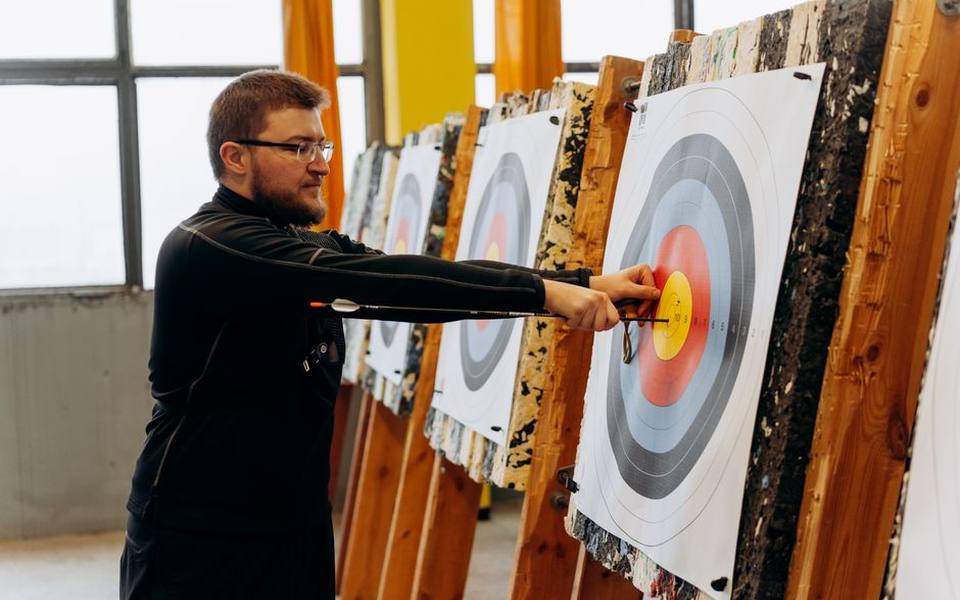 Money
MoneyA Guide to Archery Range Fees and Lesson Costs
-
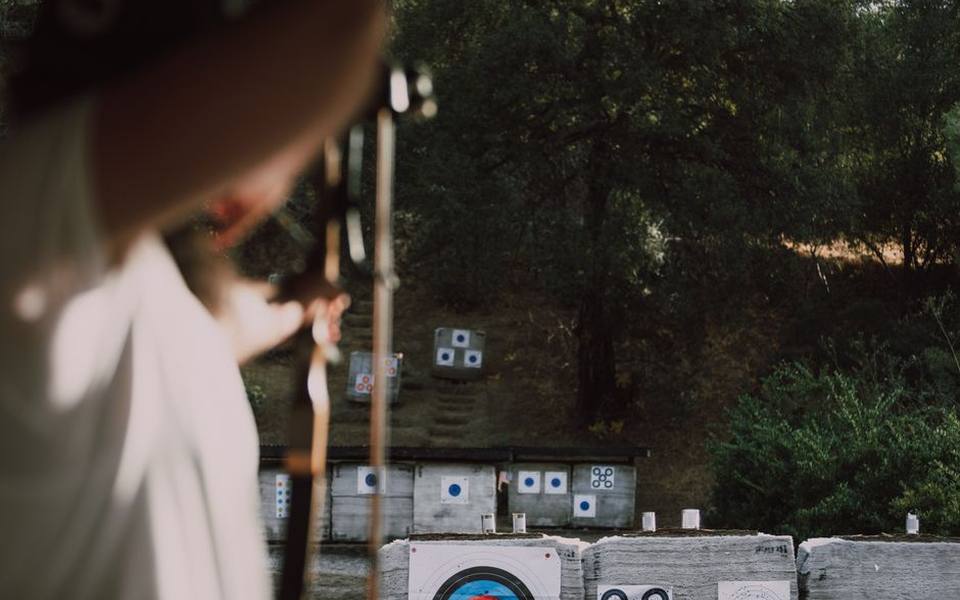 Buying
Choosing Broadheads and Aiming for the Perfect Shot
-
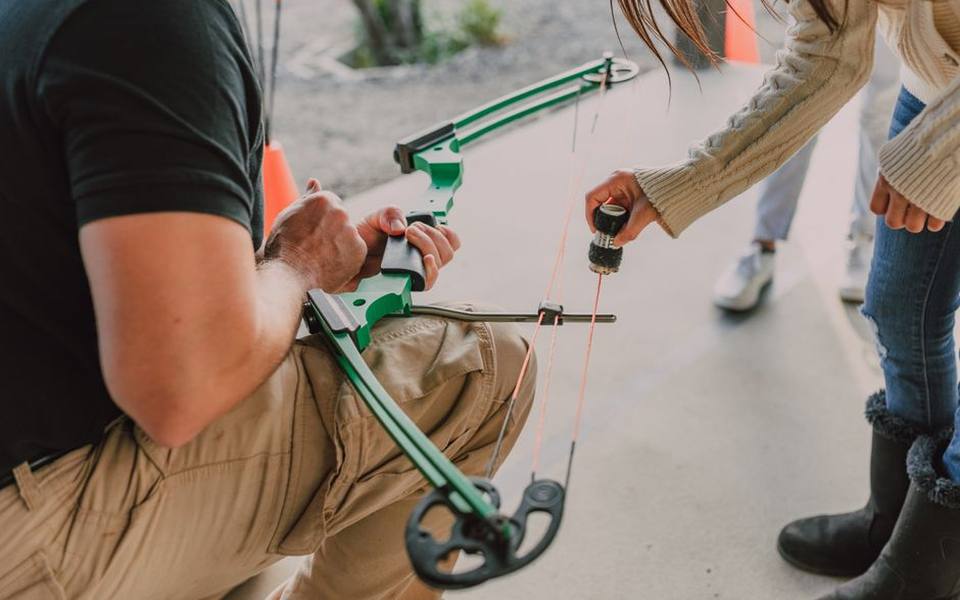 Service
DIY Bow Maintenance, Tuning, and Basic Repairs
-
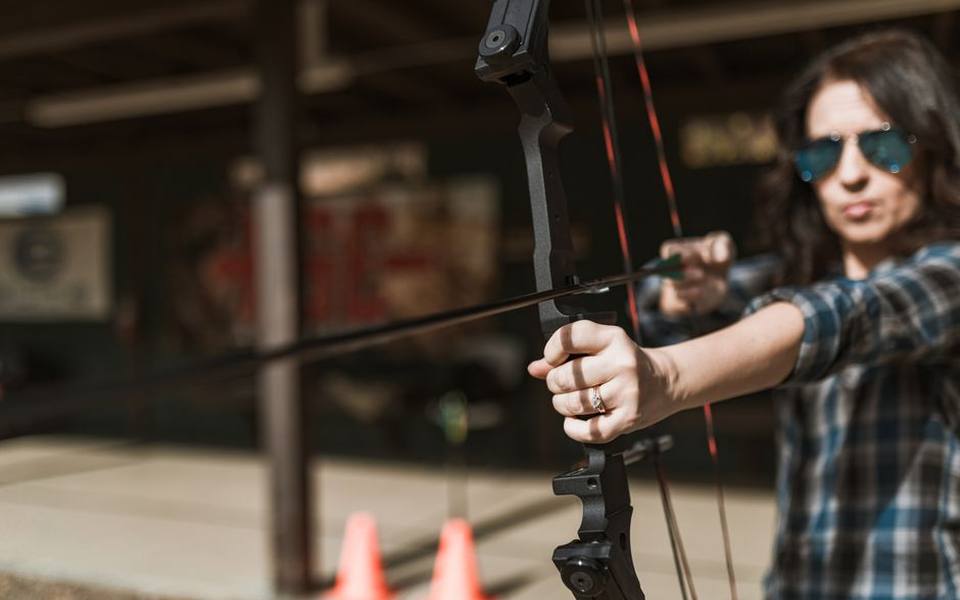 Buying
Choosing Sights and Rangefinders for Better Accuracy
-
 Buying
Essential Gear for Target Practice and Bowhunting Preparation
-
 Buying
Understanding Bow Purchase and Restringing Costs
-
 Owning
Arrow Selection, Cutting, and Fletching at Home
-
 Safety
Bowhunting Shot Placement Guide for Deer and Turkey
-
 Money
MoneyHow Much Does Archery Cost? A Realistic Beginner Budget
-
 Buying
Choosing the Right Arrows and Field Points: Shaft Materials, Weights, and Tuning
-
 Buying
Best Archery Sets for Beginners: Complete Buyer Guide and Starter Tips