The Core Mechanics Behind Three Popular Rest Designs
Choosing an arrow rest comes down to balancing total arrow containment against completely clean fletching clearance. Full-containment brush rests, best known by designs like the Whisker Biscuit, hold the arrow securely inside dense synthetic bristles at all times. Cable-driven drop away arrow rest designs use a timing cord tied into the bow's downward-moving buss cable to pull an internal launcher arm upright during the draw cycle and snap it down when you loose the string. Limb-driven platforms accomplish a similar drop-away action, but they rely on an external cord anchored directly to the bow limb to control launcher elevation through natural limb flex.
Each platform solves the fundamental challenge of archery differently. A stationary brush rest provides unbreakable simplicity because there are zero moving parts, no springs, and no timing cords to stretch or snag in heavy brush. Meanwhile, a modern drop away rest removes the launcher blade completely out of the arrow's flight path in a fraction of a second, eliminating friction against vanes and providing maximum downrange forgiveness. Limb-driven options extend this concept by supporting the arrow longer during the initial power stroke before dropping sharply out of the way.
Understanding which system fits your setup requires looking past brand marketing and focusing on how you actually handle your bow. Bowhunters moving through thick timber often prioritize foolproof arrow retention over marginal speed gains. Target shooters and archers frequenting distance courses typically lean toward complete vane clearance to achieve absolute consistency with stiff or high-profile fletching. Knowing how these components operate mechanically gives you clear criteria before spending money or altering your bow's factory timing.
Full-Containment Brush Rests and Hunting Dependability
The full-containment brush style, pioneered under names like the Trophy Ridge Whisker Biscuit, remains one of the most widely used platforms in modern archery. The arrow sits nestled inside circular synthetic bristles that grip the shaft gently from every angle without letting it slip. Because the arrow cannot fall off the rest regardless of whether you tilt the riser sideways, hold the bow upside down, or bump against a tree branch, it offers unmatched peace of mind in high-stress hunting situations.
Simplicity is the chief selling point of a whisker biscuit arrow rest. There are no delicate springs to freeze during sub-zero mornings, no internal gears to pack with grit, and no external activation cords that can sever on briars. You screw the housing into the riser's berger hole, level the center shot, set the vertical elevation, and secure the mounting bolts. For beginners building confidence or backcountry hunters tackling rugged terrain, this mechanical reliability eliminates a major failure point.
However, that dependability comes with physical tradeoffs. Because the arrow's vanes must slice directly through the outer bristles on every single shot, friction is inevitable. Over hundreds of shots, stiff plastic fletchings can develop slight ripples, or curling along their edges, particularly if the bristles are not sized correctly for the shaft diameter. While velocity loss is typically minimal—often ranging roughly between one and three feet per second—the physical contact requires durable fletching materials and meticulous vane adhesion.
Cable-Driven Fall-Away Systems and Internal Lock-Up
A cable-driven drop away bow rest connects to the downward buss cable of your compound bow via an activation cord. As you pull the bowstring to full draw, the downward movement of the harness cable pulls the timing cord taut, rotating the internal launcher arm upward into shooting position. When you release, the rapid upward return of the cable allows an internal torsion spring to whip the launcher down and away before your fletchings reach the riser shelf.
Many popular cable models, such as the well-known QAD UltraRest Hunter and its higher-end siblings, incorporate a mechanical lock-up feature. Instead of flopping loosely on the riser shelf, the launcher clicks into an upright, captured position before you draw. This feature gives you full arrow containment while stalking or waiting on a treestand, mirroring the security of a brush rest. If you need to let down your draw without taking a shot, the internal brake keeps the arrow captured rather than dropping it clattering onto the shelf.
Because the launcher arm disappears completely before the back third of the arrow passes through, you achieve zero vane contact. This clean clearance allows archers to run aggressive helical fletching configurations and taller vanes that would otherwise collide with fixed rests. The result is truer arrow flight right off the bow, making bare-shaft and broadhead tuning substantially easier for archers seeking tighter groups at moderate to long ranges.
Timing Requirements for Cable-Activated Platforms
The primary vulnerability of any cable-driven drop away rest lies in its timing setup. For the launcher to rise and fall correctly, the cord must reach peak tension only during the final half-inch to three-quarters of an inch of the draw cycle. If the cord is clamped too tightly or positioned incorrectly on the buss cable, it can pull downward unevenly on the bow's harness, altering cam synchronization and throwing off your valley or draw stops.
Conversely, if an archery drop away rest cord is set too loose, the launcher may not come up to full vertical alignment at full draw. This under-rotation leads to erratic elevation changes downrange and can delay the drop cycle, causing the launcher to bounce back up or clip the incoming cock vane. Timing cords can also stretch slightly over time or slip within their cable clamps if not served into the cable directly using braided serving thread.
Proper installation often demands access to a draw board to watch the rest arm rise in real time relative to the bow's cam rotation. If you lack specialized shop tools, visiting a local archery pro shop ensures the activation cord is properly served and synchronized without disturbing your bow's factory cam timing.
Limb-Driven Arrow Rests and Extended Shaft Support
A limb driven arrow rest flips the operating philosophy of traditional drop rests completely upside down. Instead of using spring tension to snap the launcher down, the system relies on an internal spring to hold the launcher upright in the shooting position. A cord running from the rest arm is tied under tension directly to the bow's top or bottom limb. At brace height, the flexed limb holds the rest flat against the riser shelf; when you draw the bow, the limb tips flex inward, relaxing the cord and allowing the launcher to rise smoothly.
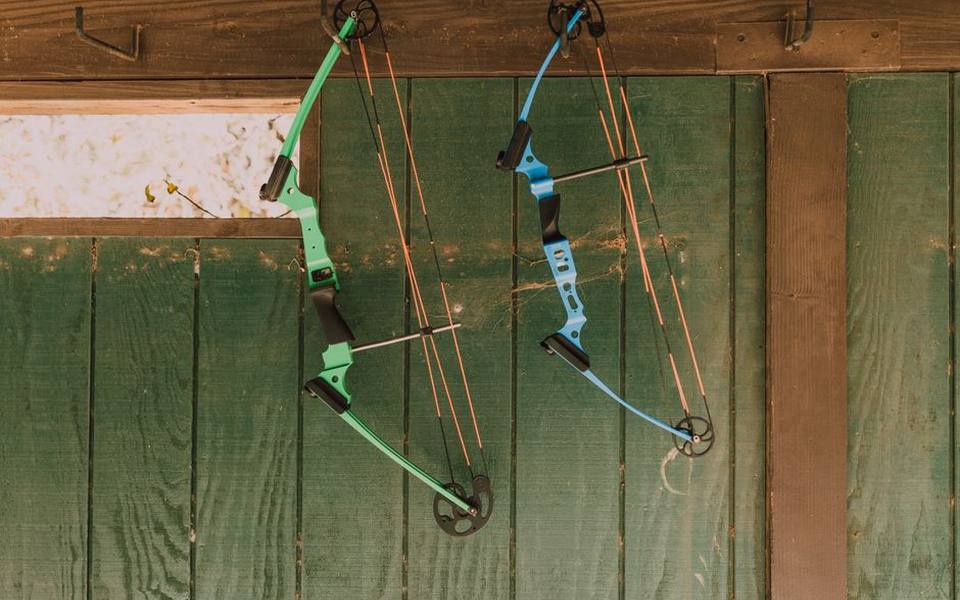
Upon release, the limb returns to its resting shape, pulling the cord taut and forcing the launcher arm down out of the arrow's way. Because the limb tips move over a larger physical distance than a buss cable does, the mechanical movement is remarkably forgiving. There is no delicate cam timing to disrupt, and attaching the cord to a limb puts zero lateral or vertical torque on the bow's cable harness, preserving pure cam sync.
Another major engineering advantage is arrow support duration. A limb-driven launcher stays underneath the shaft for approximately two-thirds of the arrow's forward travel before snapping down. This prolonged support guides the arrow through the most violent initial phase of the power stroke, stabilizing flight before falling away to deliver complete vane clearance. Target archers and competitive 3D shooters often favor this system because it delivers exceptional consistency across varied shooting conditions.
Comparing Downrange Accuracy and Vane Clearance
When comparing mechanical accuracy across all three platforms, fall-away mechanisms hold an objective advantage over stationary brush rests at extended distances. When shooting standard distances indoors or practicing at an indoor archery range inside twenty yards, a Whisker Biscuit can shoot remarkably tight groups that rival any mechanical rest. However, as distances stretch past forty or fifty yards, any physical contact between bristles and fletchings magnifies subtle inconsistencies in your form, grip pressure, or release execution.
Drop arrow rest designs eliminate rest contact entirely, allowing you to use high-profile hunting vanes or steep three-degree helical fletchings without worry. Clean clearance prevents vane deflection, which is critical when shooting heavy fixed-blade broadheads that catch crosswinds easily. When your arrow leaves the bow string without touching anything except the nock loop, minor fletching imperfections have far less impact on your flight path.
Limb-driven rests bridge the gap between stability and clearance by combining extended guidance with a rapid final drop. While cable rests drop almost instantly upon string movement, limb rests hold the shaft on line longer, reducing the impact of subtle bow torque applied by the shooter during the release. For archers navigating an outdoor 3D archery course where footing is uneven and shots exceed fifty yards, that extra forgiveness can make a measurable difference in scoring rings.
Field Durability, Weather Resistance, and Potential Failure Points
In the backcountry, gear failures can end a hunt prematurely, making environmental resilience a primary buying consideration. Full-containment brush rests reign supreme in raw durability. They have no moving components to freeze, no internal bearings to jam with dust, and no actuation cords that can catch on thick brush or briars. While heavy rain or freezing moisture can stiffen synthetic bristles, brushing them out or treating them with water-repellent powder keeps them functioning reliably in winter storms.
Cable-driven rests, including popular options like the quad ultra rest hunter series, feature internal gears, springs, and anti-rebound brakes packed into a compact housing. If fine sand, grit, or freezing slush penetrates these internal mechanisms, the launcher can stick or drop sluggishly. Additionally, if the timing cord frays or snaps after catching on a branch, the rest fails completely, rendering the bow inoperable until you install and re-time a replacement cord.
Limb-driven rests boast superior external simplicity compared to cable models because their internal spring merely raises the rest, while the limb cord pulls it down. If a limb-driven cord breaks in the woods, you can thread nearly any piece of utility cord, paracord inner strand, or bowstring material through the arm, tie it to the limb tip with a standard knot, and be shooting accurately within minutes without a bow press or specialized timing tools.
Installation Complexity and Tuning Adjustments
Setting up a whisker biscuit requires basic hand tools and minimal mechanical experience. You bolt the bracket to the riser, insert an arrow, and adjust the horizontal windage and vertical elevation until the shaft sits level through the center of the berger hole. Tuning typically involves shooting through paper to check for lateral or vertical tears; adjustments are simple because moving the rest housing directly alters the arrow's launch angle without altering any other part of the bow.
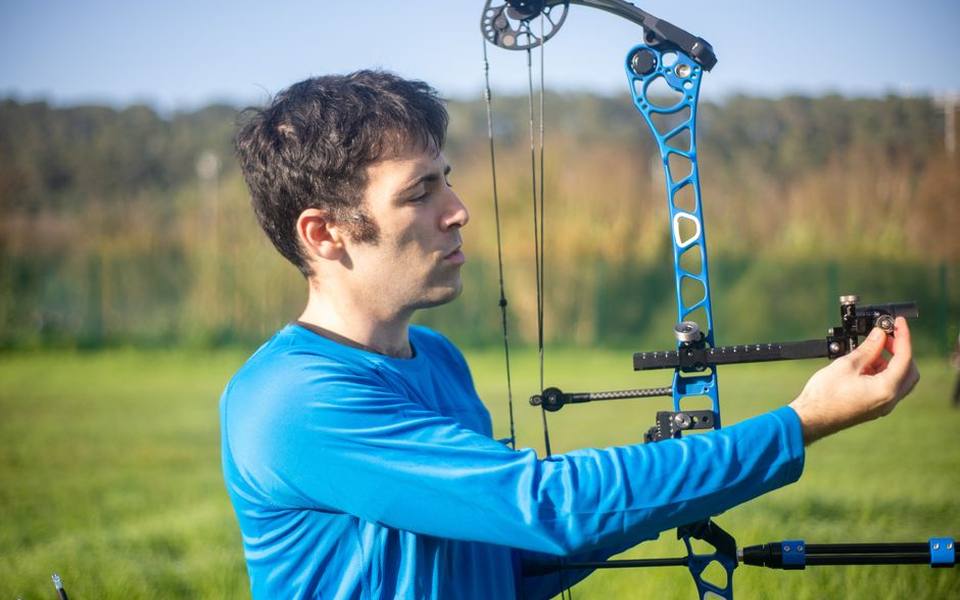
Installing a cable-driven drop away arrow rest is substantially more involved. In addition to setting center shot and launcher height, the technician must splice or serve the timing cord into the down-cable at the correct height. If the cord is attached with a simple clamp, it can slip during sustained practice sessions. Micro-tuning requires fine adjustments to cord tension, and verifying that the launcher drops fast enough to avoid fletching strikes often requires high-speed video or spraying athlete's foot powder on the vanes to check for contact.
Limb-driven installation falls comfortably between the two. Mounting the rest body is identical to any other platform, but running the actuation cord to the limb tip is straightforward. You do not need a bow press, and you do not need to split or serve into the bow's harness. You simply tighten the cord until the launcher arm sits flush against the rubber shelf bumper at brace height. Tuning adjustments are quick, making limb-driven units a favorite for archers who do their own work at home.
Matching the Rest Platform to Your Shooting Goals
Determining which arrow rest to purchase depends heavily on your primary shooting discipline and how much time you dedicate to equipment maintenance. If you are a casual archer, a youth shooter taking structured archery lessons, or a bowhunter whose shots rarely exceed thirty yards from a treestand, a full-containment brush rest is hard to beat. Its simplicity eliminates target panic over arrows falling off the shelf, letting you focus entirely on your anchor point and release.
If your primary pursuit is deer or elk hunting where long-distance shooting and aggressive broadhead setups are common, a cable-driven drop away rest with total arrow containment provides the optimal balance. Models with internal capture lock your arrow safely during spot-and-stalk maneuvers while still granting full vane clearance upon the shot. They fit neatly inside narrow compound bow sight windows and keep cords tucked cleanly within the riser area.
For archers split evenly between hunting, target leagues, and field archery, limb-driven platforms offer the most versatile performance profile. Their lack of cable interference preserves your bow's factory timing, their extended arrow support improves consistency across difficult field angles, and their rugged simplicity makes field repairs stress-free. Evaluating how much you value absolute containment versus effortless tuning will point you directly to the right mechanism.
Purchase Costs and Long-Term Maintenance
Pricing across these three categories reflects their mechanical complexity. Full-containment brush rests are typically the most budget-friendly option, with basic models costing significantly less than mechanical alternatives. Long-term maintenance is minimal, though heavy shooters may need to replace the bristle insert every few seasons once the bottom support bristles begin to sag or wear down, which slightly alters vertical arrow position.
Cable-driven fall-away models typically fall into a mid-to-high price tier, depending on whether you choose basic cast aluminum bodies or micro-adjustable, machined aluminum housings with internal dampening. Over years of use, maintenance involves checking activation cord wear, inspecting the rubber launcher felt for friction wear, and occasionally replacing internal springs if the drop-away mechanism slows down.
Limb-driven rests generally command a similar price point to premium cable-driven rests due to their high-grade aluminum construction, sealed ball bearings, and micro-tune dials. Maintenance is virtually nonexistent outside of replacing felt dampeners and replacing the external limb cord once every season or two. Investing in quality upfront often pays off in reduced tuning headaches and consistent arrow flight across the life of your bow.
Published 2026-09-21 · reviewed with each rebuild, last October 2026.
Find archery ranges & sports shops near you
The directory lists 38,975 archery ranges & sports shops by state and city — pick your state or use the “Near me” button in the header.
More guides
-
 Money
MoneyA Guide to Archery Range Fees and Lesson Costs
-
 Buying
Choosing Broadheads and Aiming for the Perfect Shot
-
 Service
DIY Bow Maintenance, Tuning, and Basic Repairs
-
 Buying
Choosing Sights and Rangefinders for Better Accuracy
-
 Buying
Essential Gear for Target Practice and Bowhunting Preparation
-
 Money
MoneyUnderstanding Bow Purchase and Restringing Costs: A Complete Pricing Guide
-
 Owning
Arrow Selection, Cutting, and Fletching at Home: A Complete Guide
-
 Safety
Bowhunting Shot Placement Guide for Deer and Turkey
-
 Buying
Complete Guide to Choosing the Best Crossbow Broadheads
-
 Money
MoneyHow Much Does Archery Cost? A Realistic Beginner Budget
-
 Buying
Choosing the Right Arrows and Field Points: Shaft Materials, Weights, and Tuning
-
 Buying
Best Archery Sets for Beginners: Complete Buyer Guide and Starter Tips
-
 Owning
Best Archery Targets and Backstops: 3D, Foam, Bag, and DIY Setup Guide
-
 Buying
Beginner Archery Buying Guide: Recurve, Compound, and Traditional Bows
-
 Buying
Bowfishing Equipment Guide: Bows, Reels, Arrows, and Rigging Setups
-
 Owning
Lighted Nocks and DIY Arrow Building: Fletching, Cutting, and Tuning
-
 Buying
Crossbow Bolts, Broadheads, and Cocking Devices: Complete Buyer's Guide
-
 Buying
Complete Arrow Selection Guide: Carbon Shafts, Spine, Length, and Brands
-
 Safety
Archery Protective Gear: Arm Guards, Chest Protectors, Tabs, and Slings
-
 Buying
Archery Quivers Buying Guide: Hip, Back, and Bow-Mounted Options
-
 Buying
Bow Release Aids Explained: Wrist Strap, Thumb Button, and Hinge Releases
-
 Owning
Compound Bow Tuning and Care: Strings, Wax, Stabilizers, and Cases
-
 Safety
Archery Lessons, Proper Form, Range Etiquette, and Youth Programs
-
 Owning
Complete Guide to Single Pin Bow Sights and Sight Tapes
-
 Owning
Arrow Selection and DIY Arrow Building: Shafts, Fletching, and Tools
-
 Owning
Finding Archery Ranges, Pro Shops, Clubs, and Instructor Programs
-
 Buying
Best Hunting Broadheads: Fixed Blade vs Mechanical Broadheads
-
 Buying
Archery Targets Guide: 3D Targets, Bags, Blocks, and DIY Backstops
-
 Buying
Archery Quivers Guide: Bow-Mounted, Hip, Back, and Crossbow Quivers
-
 Service
Bow Tuning and Setup: Paper Tuning, Arrow Rests, and Bow Maintenance
-
 Buying
Bowfishing Gear Guide: Bows, Rigs, Arrows, and Setup Options
-
 Owning
Essential Archery Accessories: Lighted Nocks, Arrow Pullers, and Arm Guards
-
 Buying
Archery Release Aids Guide: Thumb, Hinge, Wrist, and Mechanical Releases
-
 Buying
Essential Bowhunting Gear, Deer Supplies, and Gift Guide
-
 Buying
Crossbow Buying Guide: Matching Platforms, Bolts, Optics, and Fletching
-
 Buying
Beginner Bow & Arrow Starter Kits: How to Choose Your First Setup
-
 Owning
Traditional Archery, Longbows, and Primitive Gear
-
 Buying
Deer Hunting Bows: Comparing Recurve and Compound Setups, Finding Deals, and Studying Hunting Film
-
 Buying
Compound Bow Setup, Tuning, Form, and Equipment Guide
-
 Owning
Compound Bow Release Aids and Grip Tape: Enhancing Control and Consistency
-
 Service
Crossbow Maintenance: String Replacement and Scope Sighting Guide
-
 Owning
Broken Bow Cabin Rentals: Complete Beavers Bend Vacation Guide
-
 Safety
Broken Bow Lake Rentals: Complete Guide to Boats, ATVs, and Trail Gear