The Core Foundation of Matching Arrows to Your Bow
Choosing the right arrow requires balancing your draw length, bow draw weight, and the physical characteristics of the shaft so the projectile flexes correctly when released. An arrow does not fly like a rigid rod; instead, it oscillates rapidly upon leaving the string. If the shaft is too stiff or too weak for your setup, it will deflect off the rest or drift erratically downrange, ruining accuracy regardless of your shooting form.
To get clean flight, you must evaluate three core variables together: arrow length, shaft spine deflection, and overall component weight. A heavier point softens the effective dynamic spine of the arrow, while trimming shaft length stiffens it. Before investing in full dozens of arrows, it helps to understand how these dimensions interact, whether you shoot a high-energy compound or a traditional recurve.
Most archers begin by auditing their bow setup to identify true draw weight and draw length. Once those numbers are verified on a draw board or bow scale, you can consult manufacturer spine charts and determine the exact shaft profile that accommodates your intended use, whether that means punchy target practice or heavy-penetration field setups.
How to Accurately Determine Your Arrow Length
When archers ask how do you determine arrow length, the calculation always begins with personal draw length rather than overall body height. Your draw length reflects the distance from the nock point at full draw to the pivot point of the grip, plus an additional inch and three quarters under standard measurement conventions. Arrow length, however, is measured strictly from the bottom groove of the nock to the end of the bare carbon tube, excluding inserts or points.
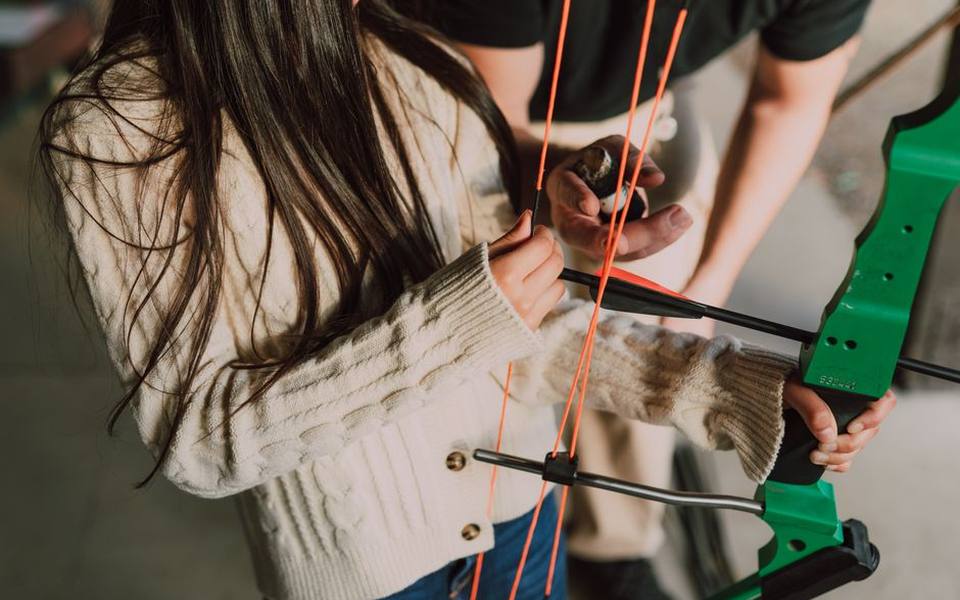
To decide how to choose arrow length safely, archers typically draw a marked measuring shaft on their bow while an assistant or technician notes where the shaft crosses the rest. For compound archers using drop-away rests, arrow shafts are commonly cut about one-half to one inch in front of the contact point of the rest launcher. This keeps broadheads comfortably clear of the riser shelf and fingers while minimizing excess shaft weight.
Traditional archers using recurves or longbows often prefer extra clearance beyond the back of the bow handle, frequently adding one to two inches past their physical draw point. This extra length accommodates broadheads and provides room for tuning dynamic spine variations. Cutting arrows prematurely is a common beginner mistake; having a local technician at an archery pro shop verify your anchor before making cuts prevents costly waste.
Always remember that cutting an arrow shaft directly increases its stiffness. If you are caught between two spine sizes on a chart, cutting the arrow slightly longer or shorter provides an adjustable tuning window. Never shoot an arrow that sits behind the rest at full draw, as slipping off the rest during release can cause severe structural damage to the bow and personal injury.
Understanding Arrow Spine and Deflection Numbers
Arrow spine measures the stiffness of a shaft, represented as the amount of deflection in thousandths of an inch when a standardized weight hangs from the center of a supported tube. For example, a shaft labeled 400 deflects 0.400 inches under test conditions, while a 300 shaft deflects only 0.300 inches, meaning lower numbers denote stiffer shafts. Selecting the proper spine ensures the arrow flexes enough to clear the riser without buckling under sudden acceleration.
Static spine is the laboratory rating printed on the label, but dynamic spine represents how the arrow behaves in flight. Dynamic spine changes based on bow efficiency, cam aggressiveness, point weight, nock weight, and shaft length. If you install a 125-grain field point instead of a standard 100-grain tip, the extra front-end leverage causes the shaft to flex more severely upon release, acting as though the spine were softer.
Shooting an underspined arrow from a heavy modern compound bow is dangerous because extreme flexing can shatter the carbon wall under high kinetic load. Conversely, an overspined arrow will not flex adequately, leading to tail-high or erratic flight patterns that resist proper paper tuning. Reviewing manufacturer spine selection charts tailored to your cam system remains the most reliable baseline for arrow matching.
The Construction of Carbon Arrow Shafts
Modern carbon arrow shafts dominate both field archery and hunting due to their remarkable strength-to-weight ratio and ability to return to true straightness after severe impacts. While older aluminum arrows bent permanently when striking hard surfaces, carbon fibers recover their original alignment unless the internal resin structure cracks or splits. High-modulus carbon layers wrapped in crisscross orientations provide torsional stability, reducing erratic arrow oscillation during flight.
Manufacturers grade carbon tubes by their straightness tolerances, typically ranging from budget-friendly plus-or-minus six-thousandths of an inch to tournament-grade one-thousandth of an inch. For entry-level archers practicing fundamentals at an indoor range, standard tolerances offer more precision than human hands can exploit. Competitive archers, however, prefer tight tolerances to eliminate subtle point-of-impact variations at extended yardages.
Weight consistency across a dozen shafts also defines carbon quality, measured in grains per inch along the tube. Quality shafts maintain consistent grain weight and uniform wall thickness around the entire perimeter. Checking your carbon arrows regularly for cracks by flexing each shaft near your ear before shooting is an essential safety routine, as any audible clicking signals damaged structural fibers.
Evaluating Shaft Diameters: Micro, 5mm, and Standard
Shaft outer diameter significantly affects downrange aerodynamics, crosswind resistance, and target penetration. Traditional standard carbon arrows feature an internal diameter of approximately 6.5mm, commonly found in workhorse options like the easton 6.5 arrows series. These larger-diameter shafts utilize internal push-in components that make component replacement straightforward and maintain excellent durability for general target shooting and practice.
As bow speeds advanced, slim profiles gained prominence, highlighted by the popular easton axis 5mm platform. Reducing the shaft diameter to five millimeters decreases surface friction when passing through foam targets or game tissue, while also cutting down surface area exposed to lateral wind drift. The easton axis arrows family utilizes hidden insert technology (HIT) to seat points flush against the carbon face, demanding careful squaring of the cut shaft ends.
Mid-diameter offerings, such as the easton sonic 6.0, bridge the gap between lightweight speed and structural rigidity. A 6.0mm profile allows archers to build a balanced hunting or 3D target arrow that uses standard direct-fit inserts without adding unnecessary mass. When selecting shaft diameter, evaluate your primary targets; wider shafts catch line borders in indoor scoring, while slimmer profiles excel outdoors in breezy field environments.
Hybrid Builds and Full Metal Jacket Construction
For archers seeking maximum momentum and effortless target extraction, composite shafts combine materials to merge the best attributes of metal and composite fibers. The prime example is found in easton fmj arrows, which feature a high-strength carbon core encased in an aerospace-grade 7075 aluminum outer jacket. This dual-layer architecture delivers heavy grain-per-inch weight along with ultra-smooth exterior surface texture.
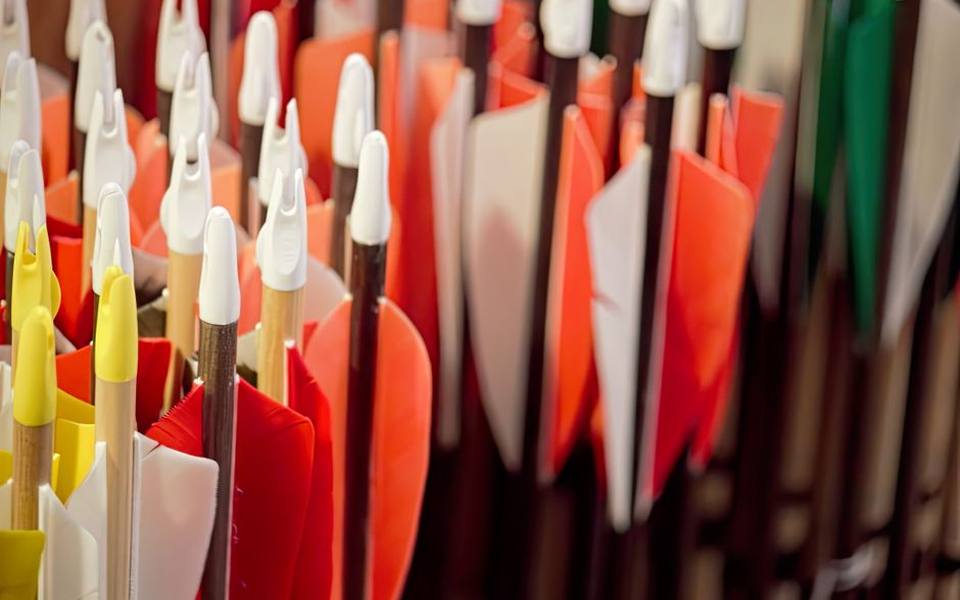
Aluminum-carbon hybrids pull from dense foam target butts far more easily than raw carbon tubes, which often bond temporarily to foam under frictional heat. The aluminum sleeve also provides unmatched straightness retention and adds substantial mass to the arrow build, dampening hand shock and bow noise upon string release. Heavy shafts absorb more total energy from modern high-poundage compound limbs.
However, hybrid metal-jacketed shafts require careful handling because they can take on slight bends if shot into rigid timber backstops or struck by glancing arrows. While pure carbon springs back straight or breaks outright, composite shafts should be spun periodically on an arrow spinner to inspect for subtle bends along the outer aluminum wall before competition shooting.
Dynamic Spine Management and Advanced Carbon Tubes
Tuning broadheads to fly alongside field points often exposes minor dynamic spine flaws that remain hidden when shooting target points alone. To solve this, specialized designs like the carbon express maxima red utilize dual-spine construction to govern dynamic flexing. By designing the front and rear portions of the shaft to be stiffer than the central containment zone, the shaft forces the arrow's natural flex into a designated area.
Controlling dynamic flex reduces the destructive waggle that broadheads experience during the first ten yards of flight. Broadhead blades act like steering wings at the front of the shaft; if the arrow flexes unpredictably out of the bow, those blades guide the arrow off course. Managing shaft harmonics through engineered carbon layups helps archers achieve stable, consistent broadhead groupings without requiring radical rest adjustments.
These high-performance carbon shafts feature tight straightness tolerances and carefully matched weight sets. When setting up such builds, testing your bare shafts alongside fletched shafts against a target backdrop at a certified 3D course reveals whether your rest timing, nocking point height, and dynamic spine are completely harmonized.
Traditional Arrow Builds and Classic Wood-Grain Aesthetics
Traditional archers often appreciate the organic appearance of classic cedar shafts but desire the durability and uniformity of modern composites. The broader catalog of gold tip arrows offers specialized solutions that cater specifically to recurve, longbow, and barebow enthusiasts. Among these, gold tip traditional arrows stand out by pairing photo-realistic wood-grain exterior finishes with tough, heavy-wall carbon tubes.
Shooting traditional gear off an arrow shelf introduces unique clearance challenges, as the arrow must flex cleanly around the bow handle without an elevated rest or mechanical release aid. Carbon shafts intended for traditional use often carry slightly heavier grain ratings per inch and accept brass insert weights behind the point to elevate front-of-center balance. This configuration promotes clean arrow recovery even when released with three fingers.
Furthermore, modern carbon traditional shafts eliminate the warping issues caused by ambient humidity that historically plagued natural wooden arrows. You get the classic visual aesthetic suitable for heritage shooting alongside precise weight consistency from one shaft to the next. This blend of heritage look and composite performance has made wood-look carbon shafts an industry mainstay for instinctive field shooting.
Specialized Fletching and Aerial Flu-Flu Arrows
Standard field and hunting arrows feature low-profile plastic vanes or small feathers designed to stabilize the shaft with minimal aerodynamic drag. In contrast, flu flu arrows are engineered with intentionally oversized fletching—either several full-length uncut feathers or continuous spiral feather wraps. These exaggerated fletchings create massive atmospheric drag, altering the arrow's flight profile after its initial acceleration.
A flu-flu arrow flies with standard velocity and flat trajectory for the first twenty to thirty yards, allowing the archer to aim accurately at elevated aerial targets or game birds. Once that initial distance is cleared, the wind resistance acts as a parachute, dramatically slowing the arrow so it drops gently to the ground within fifty yards. This aerodynamic braking prevents the loss of expensive arrows shot into the open sky or dense woodland canopy.
Aerial archery practice is common at youth clubs and community events, where participants shoot at foam discs launched into the air. If you plan to attend specialized lessons or classes for beginners centered around trick shooting or moving targets, flu-flus provide the necessary safety envelope. Feather fletchings fold down instantly against the arrow shelf upon release, preserving shaft alignment without deflecting off the bow riser.
Putting It All Together: Testing and Fine-Tuning Setup
Once you calculate correct length, select a shaft diameter, and identify the required static spine, purchase a test batch before ordering customized dozens. Individual variations in shooting form, anchor consistency, and release mechanics alter dynamic spine in real-world shooting. Building three test arrows allows you to verify physical rest clearance and inspect nock fit on your bowstring center serving.
Begin your testing with a standard paper-tuning frame set roughly six feet in front of the target butt. A clean bullet-hole tear through paper indicates the shaft is leaving the string true, with point and nock traveling along the exact same horizontal and vertical planes. Horizontal tears suggest an incorrect spine or side-to-side rest misalignment, while vertical tears usually point to nocking point height discrepancies.
Finally, shoot walk-back or French tuning drills at varying distances to verify that your arrow centershot is aligned down the sight track. Finding ranges across regions like Pennsylvania with expansive outdoor lanes gives you room to evaluate arrow flight at thirty, forty, and fifty yards. Taking the time to dial in your arrow build transforms your bow from an unpredictable machine into a dependable, tack-driving system.
Published 2026-09-21 · reviewed with each rebuild, last October 2026.
Find archery ranges & sports shops near you
The directory lists 38,975 archery ranges & sports shops by state and city — pick your state or use the “Near me” button in the header.
More guides
-
 Money
MoneyA Guide to Archery Range Fees and Lesson Costs
-
 Buying
Choosing Broadheads and Aiming for the Perfect Shot
-
 Service
DIY Bow Maintenance, Tuning, and Basic Repairs
-
 Buying
Choosing Sights and Rangefinders for Better Accuracy
-
 Buying
Essential Gear for Target Practice and Bowhunting Preparation
-
 Money
MoneyUnderstanding Bow Purchase and Restringing Costs: A Complete Pricing Guide
-
 Owning
Arrow Selection, Cutting, and Fletching at Home: A Complete Guide
-
 Safety
Bowhunting Shot Placement Guide for Deer and Turkey
-
 Buying
Complete Guide to Choosing the Best Crossbow Broadheads
-
 Money
MoneyHow Much Does Archery Cost? A Realistic Beginner Budget
-
 Buying
Choosing the Right Arrows and Field Points: Shaft Materials, Weights, and Tuning
-
 Buying
Best Archery Sets for Beginners: Complete Buyer Guide and Starter Tips
-
 Owning
Best Archery Targets and Backstops: 3D, Foam, Bag, and DIY Setup Guide
-
 Buying
Beginner Archery Buying Guide: Recurve, Compound, and Traditional Bows
-
 Buying
Bowfishing Equipment Guide: Bows, Reels, Arrows, and Rigging Setups
-
 Owning
Lighted Nocks and DIY Arrow Building: Fletching, Cutting, and Tuning
-
 Buying
Crossbow Bolts, Broadheads, and Cocking Devices: Complete Buyer's Guide
-
 Safety
Archery Protective Gear: Arm Guards, Chest Protectors, Tabs, and Slings
-
 Buying
Archery Quivers Buying Guide: Hip, Back, and Bow-Mounted Options
-
 Buying
Bow Release Aids Explained: Wrist Strap, Thumb Button, and Hinge Releases
-
 Owning
Compound Bow Tuning and Care: Strings, Wax, Stabilizers, and Cases
-
 Buying
Arrow Rests Compared: Whisker Biscuit, Cable-Driven, and Limb-Driven
-
 Safety
Archery Lessons, Proper Form, Range Etiquette, and Youth Programs
-
 Owning
Complete Guide to Single Pin Bow Sights and Sight Tapes
-
 Owning
Arrow Selection and DIY Arrow Building: Shafts, Fletching, and Tools
-
 Owning
Finding Archery Ranges, Pro Shops, Clubs, and Instructor Programs
-
 Buying
Best Hunting Broadheads: Fixed Blade vs Mechanical Broadheads
-
 Buying
Archery Targets Guide: 3D Targets, Bags, Blocks, and DIY Backstops
-
 Buying
Archery Quivers Guide: Bow-Mounted, Hip, Back, and Crossbow Quivers
-
 Service
Bow Tuning and Setup: Paper Tuning, Arrow Rests, and Bow Maintenance
-
 Buying
Bowfishing Gear Guide: Bows, Rigs, Arrows, and Setup Options
-
 Owning
Essential Archery Accessories: Lighted Nocks, Arrow Pullers, and Arm Guards
-
 Buying
Archery Release Aids Guide: Thumb, Hinge, Wrist, and Mechanical Releases
-
 Buying
Essential Bowhunting Gear, Deer Supplies, and Gift Guide
-
 Buying
Crossbow Buying Guide: Matching Platforms, Bolts, Optics, and Fletching
-
 Buying
Beginner Bow & Arrow Starter Kits: How to Choose Your First Setup
-
 Owning
Traditional Archery, Longbows, and Primitive Gear
-
 Buying
Deer Hunting Bows: Comparing Recurve and Compound Setups, Finding Deals, and Studying Hunting Film
-
 Buying
Compound Bow Setup, Tuning, Form, and Equipment Guide
-
 Owning
Compound Bow Release Aids and Grip Tape: Enhancing Control and Consistency
-
 Service
Crossbow Maintenance: String Replacement and Scope Sighting Guide
-
 Owning
Broken Bow Cabin Rentals: Complete Beavers Bend Vacation Guide
-
 Safety
Broken Bow Lake Rentals: Complete Guide to Boats, ATVs, and Trail Gear