Assembling Core Deer Hunting Supplies for the Season
Preparing for autumn in the whitetail woods requires more than just grabbing a bow and heading into the timber. A dependable kit combines field safety equipment, scent management tools, sharp cut-on-contact blades, and precise optics that perform under adverse conditions. Hunters typically spend weeks auditing their gear bags before opening morning to prevent preventable failures. Overlooking minor essentials like string wax, a dependable wind checker, or a backup release aid can turn a long-awaited weekend into an exercise in frustration.
Your pack needs a clean balance between mobility and preparedness. Vital deer hunting supplies include a high-grade full-body safety harness, a lineman climbing belt, a reliable laser rangefinder with angle compensation, and a field-dressing kit equipped with sterile replaceable scalpels. Carrying redundant flashlights, spare batteries, and compact blood-trailing lights ensures you can navigate safely after dark. Keeping these items organized in quiet, fleece-lined pouches prevents noisy rummaging when a mature buck approaches within close shooting distances.
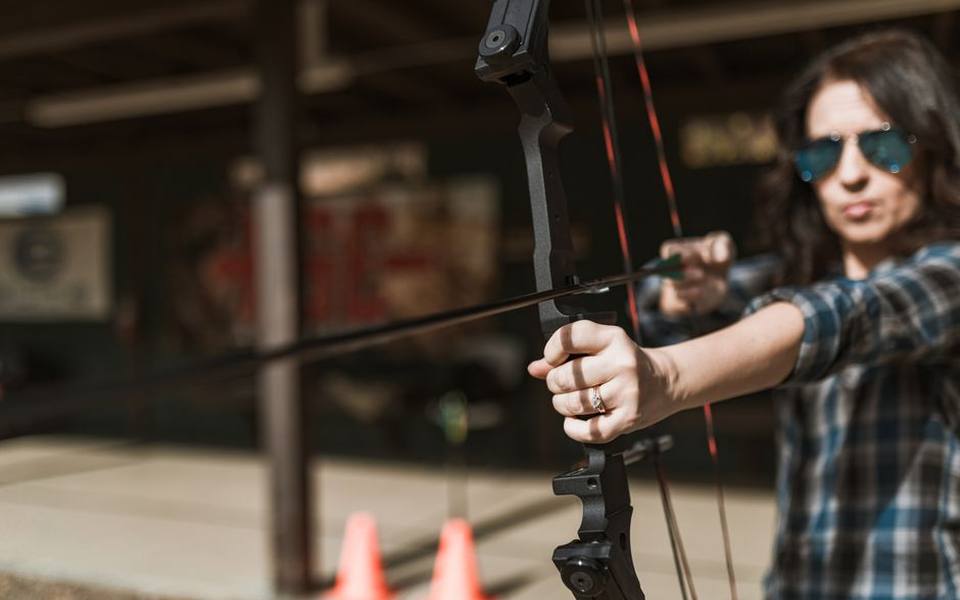
Before purchasing new gear, it helps to test your existing setup at a local indoor archery range to verify that your gear works harmoniously together. Bulky cold-weather clothing can easily catch bowstrings, and unfamiliar gloves can disrupt your anchor point. Taking the time to shoulder your pack, practice drawing from varied stances, and inspect every carabiner or buckle gives you absolute confidence before your boots touch the morning trail.
Arrow Selection and the Mechanics of Penetration
Arrow selection dictates how cleanly kinetic energy transfers from your bow limbs into your quarry. Modern bowhunters often debate between standard-diameter carbon shafts and micro-diameter options when building their hunting setups. Mid-diameter shafts, such as the classic Easton Bloodline series, gained enduring popularity because they deliver high velocities without sacrificing structural hoop strength. These balanced carbon arrows offer an accessible middle ground, providing flat trajectories on open terrain while retaining sufficient mass for reliable pass-through penetration on tough shoulder bone.
Calculating front-of-center weight balance, commonly referred to as FOC, remains critical when setting up carbon shafts. Adding brass inserts or heavier broadheads increases forward momentum, which helps steer fixed-blade broadheads true in turbulent autumn crosswinds. However, adding front weight also softens dynamic arrow spine, requiring careful tuning to avoid erratic flight. Hunters in states with dense hardwood timber, such as bowhunters frequenting ranges in Wisconsin, often favor slightly heavier total arrow builds that shrug off minor twig deflections.
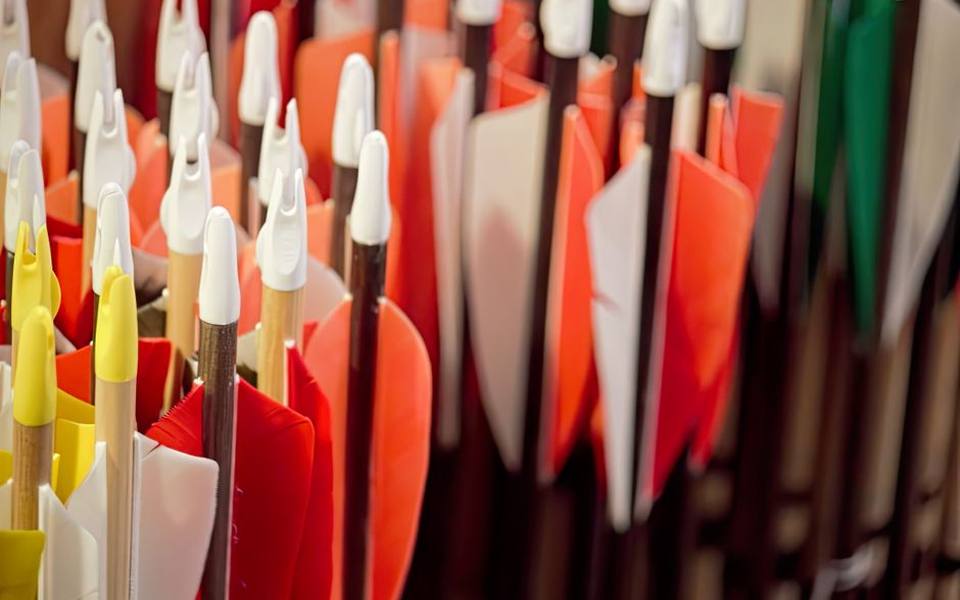
Ensuring shaft straightness and spine consistency across an entire dozen arrows separates clean hits from baffling misses. You can visit a reputable pro shop to have your arrows squared on an arrow squaring tool and spin-tested before installing broadheads. When broadhead blades spin perfectly true without any perceptible wobble on the nock or tip, your hunting arrows will fly with the exact consistency of your field points.
Finger Protection with an Archery Shooting Glove
While mechanical wrist straps and thumb-button releases dominate compound bow setups, traditional archers and barebow hunters rely heavily on manual finger release accessories. A traditional archery shooting glove protects delicate nerve endings in your fingers against the punishing friction of heavy bowstrings. Repeated string friction across unprotected skin causes calluses, blisters, and erratic releases that degrade accuracy. A well-constructed glove smooths the loose transition, yielding a cleaner, quieter arrow launch off traditional wooden shelves.
Shooting gloves typically feature durable calfskin, cowhide, or premium cordovan leather fingertips stitched to an elastic or supple leather wrist strap. Cordovan is widely favored among experienced archers because it resists string grooving, maintaining a slick, glass-like release surface over years of heavy use. Some shooters prefer closed-finger designs that cover the entirety of the three drawing fingers, while others select open-finger utility gloves that improve tactile dexterity when handling arrow nocks, tree stand ropes, or hunting packs in frigid weather.
Breaking in a new leather glove requires consistent shooting sessions over several weeks. Sweat and natural skin oils gradually shape the stiff leather to the contours of your hand and fingers, establishing permanent creases that conform to your preferred deep-hook anchor. When shopping for a glove, select a snug fit, as natural leather inevitably stretches with repeated use. A glove that feels slightly tight on day one will usually fit like custom tailoring by mid-season.
Enhancing Sight Pictures with an Archery Scope Lens
Precision shooters and modern bowhunters increasingly utilize magnified housing lenses to achieve crystal-clear target resolution at distance. Adding a quality optical lens to a single-pin or movable slider sight allows you to identify vital zones hidden behind shadows or foliage. These optical elements, typically manufactured from optical-grade polycarbonate or coated glass, feature low diopter values like two-power, three-power, or four-power magnification. Excessive magnification can amplify natural hand tremor, so hunting setups usually stick to modest magnification levels.
Clarity depends heavily on anti-reflective coatings and hydrophobic finishes that shed morning moisture and resist dust accumulation. A quality lens minimizes optical glare when aiming toward low morning sunlight or bright afternoon clearings. If you hunt in wet environments, look for lens systems that allow quick removal for cleaning or include threaded protective sunshades. A dirty, scratched, or fogged optical lens will quickly turn a shooting window into a blurry, unusable liability.
Integrating a magnified scope lens often requires fine-tuning your peep sight diameter and aperture size. Many archers find that introducing magnification produces a blurry pin or an unfocused target unless they install an optical clarifier or verifier into the peep housing. Clarifiers clean up a fuzzy target image when looking through high-magnification glass, while verifiers sharpen a blurry fiber-optic aiming pin for shooters whose near vision has begun to soften over time.
Ground Blind Maintenance and Cord Replacement Systems
Pop-up ground blinds endure punishing conditions, surviving persistent wind gusts, heavy wet snowfall, rodent teeth, and prolonged ultraviolet exposure in open brush. Among the most frequent mechanical failures on older blinds is the snapped or frayed tension line on silent-slide window screens. When these cords break, shooting windows fall open unpredictably or bind during crucial moments of a hunt. Keeping a dedicated blind string replacement kit in your field pack prevents simple cordage issues from ruining a hunt.
A standard blind repair package typically includes braided nylon cord, heavy-duty elastic shock cords, replacement cord locks, and durable pull rings designed to restore window function silently. High-visibility cords should be avoided; matte black or olive drab materials blend seamlessly into the dark blind interior. When restringing silent window tracks, take care to route lines through the eyelets with uniform tension so sliding curtains drop smoothly without clicking against fiberglass hub rods.
Beyond window cordage, complete pre-season blind care should include inspecting the central wall and roof hubs for cracked metal corners or splintered fiberglass support rods. Applying silicone waterproofing spray along the seams preserves dry interior conditions, while lubricating the metal hub linkages with non-scented dry graphite prevents metallic squeaks. Storing blinds completely dry in the off-season prevents mildew and stops rodents from chewing through structural cords.
Protecting Cams and Grips with a Portable Bow Stand
Setting an expensive compound bow flat on wet grass, dirt, or abrasive gravel introduces debris directly into string tracks, cam axles, and sensitive roller guards. A compact, portable bow stand solves this vulnerability by elevating the lower cam, stabilizer, and string clear of the terrain. Whether you are waiting for deer inside a pop-up ground blind or practicing along an outdoor shooting line, keeping your gear propped upright preserves mechanical cleanliness and keeps your bow positioned for an immediate, quiet draw.

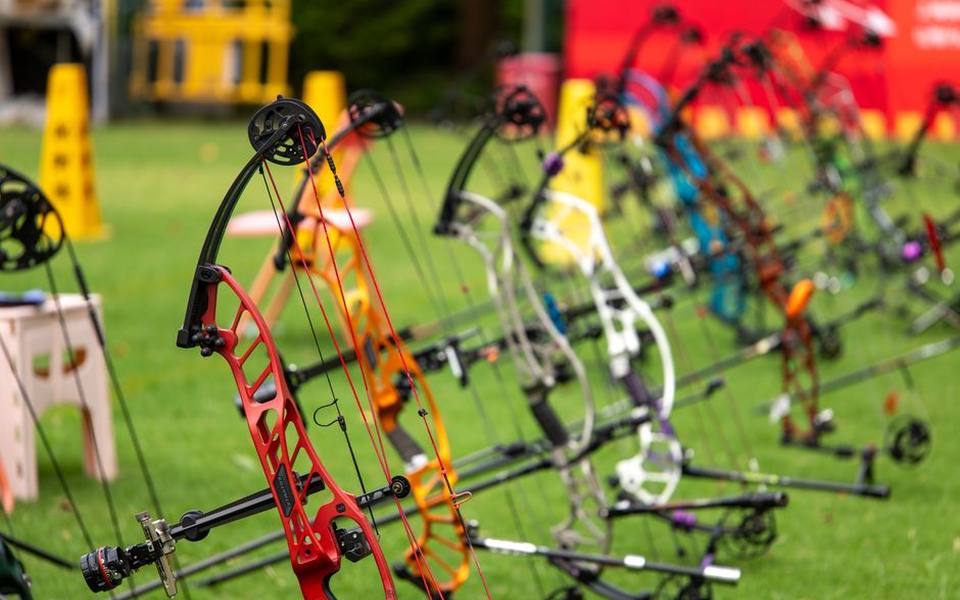
The most popular portable stands utilize a scissor-style spring clamp that attaches directly to the lower split limbs of a compound bow. When paired with an extended front stabilizer, these limb legs create a stable three-point tripod that rests securely on any flat ground. Premium models feature rubberized contact pads that protect expensive limb finishes from scratches and eliminate metallic clinking sounds that might alert nearby game during placement.
For hunters stationed in permanent ground blinds or box blinds, freestanding stakes that press into the soil provide additional clearance over muddy ground. When picking a stand style, look for lightweight glass-filled polymer or anodized aluminum models that fold completely flat. A stand that slips unobtrusively into an exterior pack pocket or bino harness pouch will always be carried, whereas bulky metal fixtures tend to get left behind in the truck.
Evaluating Supplemental Nutrition and Economical Deer Feed
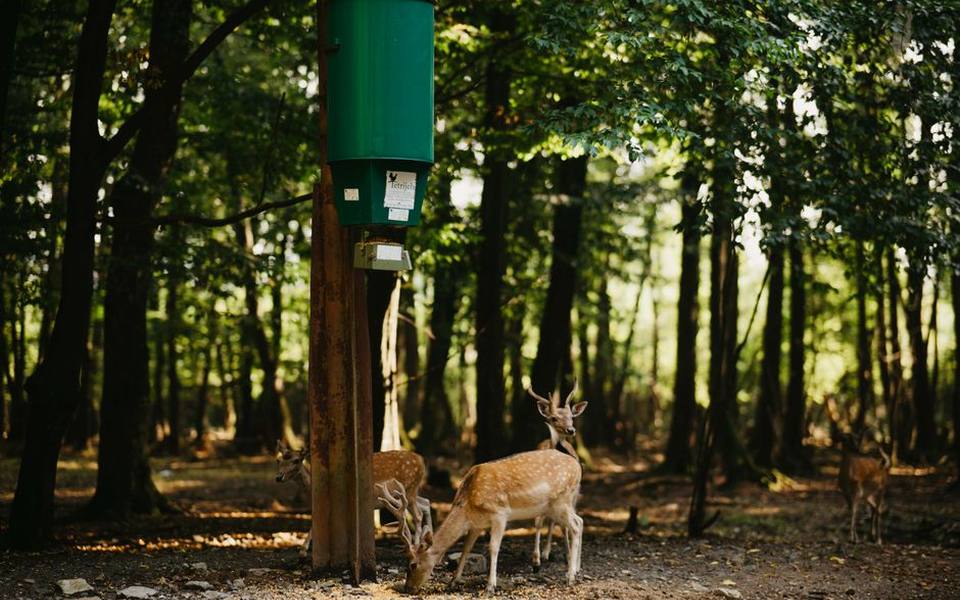
Managing deer herds and establishing supplemental feeding stations can quickly become a significant financial investment over an entire autumn season. Property managers searching for the cheapest deer feed usually compare clean bulk whole-kernel corn against agricultural byproduct feeds and blended grain mixes. Whole-kernel corn provides inexpensive carbohydrates that sustain whitetails through harsh early freezes, making it a universal base ingredient. However, corn lacks the diverse protein ratios and trace minerals necessary for long-term antler growth and herd health.
Sourcing feed directly in large totes or five-hundred-pound sacks from local agricultural elevators and farm co-ops yields substantial savings compared to purchasing brand-name fifty-pound bags at big-box sporting goods retailers. Agricultural co-ops frequently sell whole grain, roasted soybeans, or bulk distillers grains at standard agricultural commodity pricing. Blending economical corn with higher-protein soybean grains creates a nutritious, cost-effective feed that holds deer on your property without exhausting your seasonal hunting budget.
Before deploying supplemental feed, you must thoroughly research local wildlife regulations, as baiting restrictions vary drastically across county lines and individual state jurisdictions. In response to Chronic Wasting Disease concerns, wildlife agencies in most states strictly ban or restrict attractants, salt licks, and grain feeders in monitored containment zones. Failing to verify legal feeding seasons and property perimeter distance laws can result in steep fines and license suspensions from conservation officers.
Practical and Appreciated Gifts for Bowhunters
Selecting gifts for bowhunters often intimidates family members because archery equipment requires specific tuning, customized draw lengths, and calibrated draw weights. Guessing an archer's exact arrow spine, peep size, or sight preference usually leads to unused gear cluttering the workshop. Instead of buying complex technical components, thoughtful gift givers focus on universal tools, premium pack accessories, and daily maintenance consumables that every hunter constantly depletes throughout the season.
Exceptional gifts for bowhunters include items that increase comfort and efficiency in the woods. High-quality heated seat cushions, heavy merino wool boot socks, rugged multi-tools designed specifically for archery, and compact ratchet pruners make immediate additions to any hunter's gear bag. Other high-utility choices include reliable lighted nocks, durable broadhead storage cases, paracord bow hoist lines, and premium insulated drink flasks that keep warm broth or coffee piping hot during freezing all-day tree stand vigils.
If you want to purchase a more substantial bowhunter gift, consider high-density self-healing foam target blocks, a quality electronic digital bow scale, or a portable target bag designed for camp practice. Another fantastic option is funding range time or professional coaching at an archery facility. A gift certificate covering arrows or range lane rentals allows your favorite hunter to select their specific equipment while enjoying the broader archery community.
Pre-Season Tuning and Real-World Range Practice
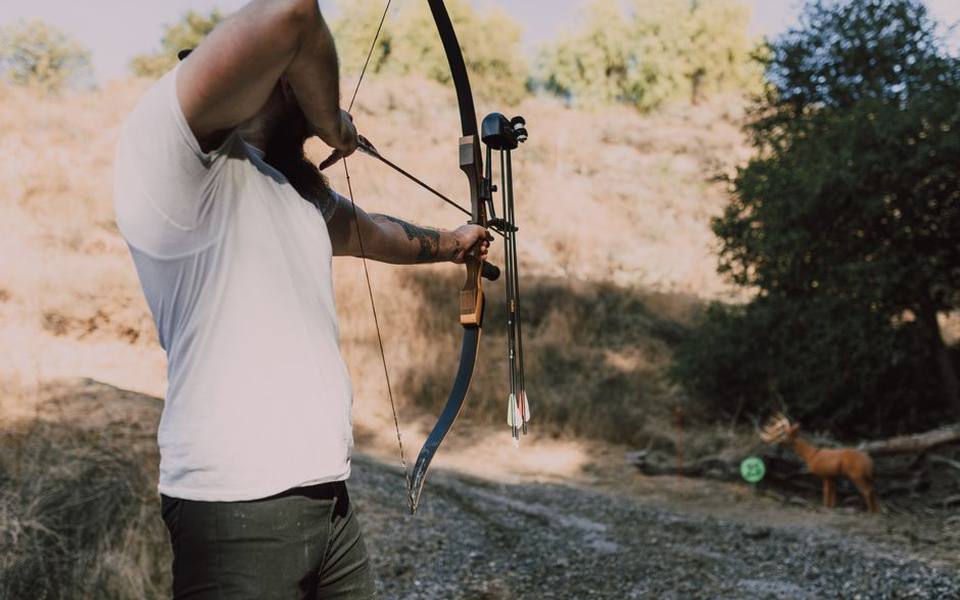
Tuning broadheads and verifying sight marks across realistic distances represents the final critical phase of pre-season preparation. Broadheads produce aerodynamic planing that rarely mimics the flight of lightweight field points unless arrow rests and nocking points are tuned meticulously. Heading to an outdoor 3D course gives you the opportunity to shoot full hunting arrow setups at realistic foam animal targets positioned on steep downhill cuts, uphill slopes, and partially obstructed shooting lanes.
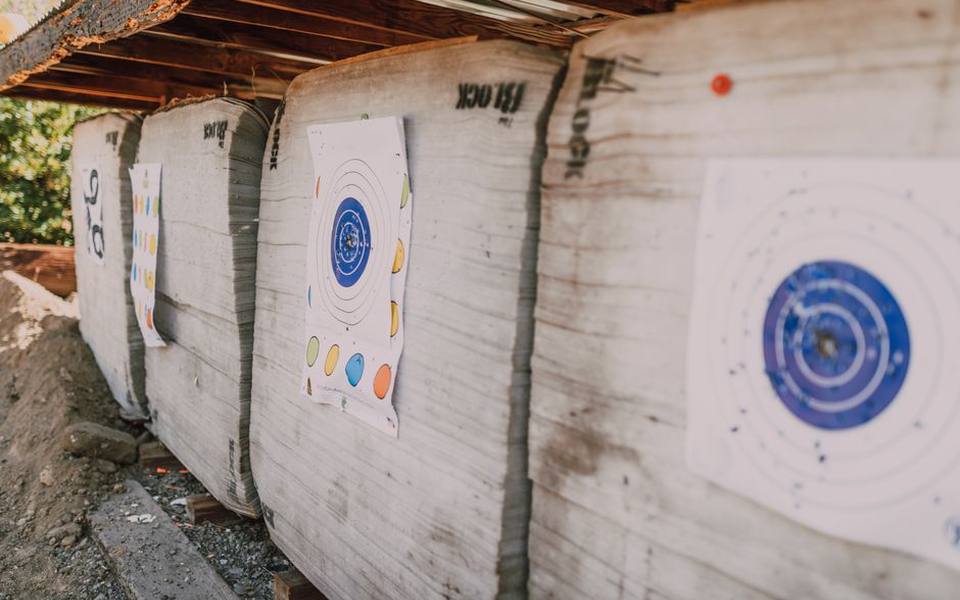
Practicing exclusively from flat indoor lanes at predictable twenty-yard markers can create false confidence. In real hunting scenarios, tree stand platforms force you to bend at the waist, altering your upper-body posture, muscle engagement, and peep alignment. Taking practice shots while dressed in your actual hunting jacket, face mask, and safety harness exposes any interference with bowstrings or sight pins well before you encounter a live animal in the woods.
Consistency also requires verifying arrow group tighteness out to distances beyond your anticipated maximum ethical hunting range. If your personal hunting limit is thirty yards, routinely practicing at forty and fifty yards forces you to refine trigger control, follow-through, and bow balance. When you step into the autumn woods, those closer thirty-yard opportunities will feel substantially larger, calmer, and more manageable.
Organizing Safety Gear and Field Emergency Essentials
A successful hunting outing is one where everyone returns safely to the trailhead after dark. A substantial percentage of all bowhunting injuries stem from tree stand falls, climbing accidents, or accidental cuts from exposed razor-sharp broadhead blades. Packing a dedicated safety kit that includes a trauma bandage, tourniquet, antiseptic wipes, and a dedicated broadhead wrench ensures you can address cuts, lacerations, or puncture wounds immediately on site without panic.
Your climbing setup requires routine pre-hunt inspection. Discard any safety harness straps, tree tethers, or climbing sticks showing signs of frayed webbing, rusted buckles, or sun-bleached stitching. Using a safety lifeline that keeps you attached to the tree from the exact moment your boots leave the earth until you step back down provides unbroken fall protection during climbing, which is when the majority of falls occur.
Bowhunting equipment is an investment in self-reliance, patience, and outdoor skill. By prioritizing reliable supplies, keeping your equipment cleanly maintained, and practicing on realistic targets throughout the summer, you set the foundation for an ethical and rewarding season. The quiet hours spent scouting terrain and inspecting your equipment pay immense dividends when an autumn morning brings your hunting plans to life.
Published 2026-09-21 · reviewed with each rebuild, last October 2026.
Find archery ranges & sports shops near you
The directory lists 38,975 archery ranges & sports shops by state and city — pick your state or use the “Near me” button in the header.
More guides
-
 Money
MoneyA Guide to Archery Range Fees and Lesson Costs
-
 Buying
Choosing Broadheads and Aiming for the Perfect Shot
-
 Service
DIY Bow Maintenance, Tuning, and Basic Repairs
-
 Buying
Choosing Sights and Rangefinders for Better Accuracy
-
 Buying
Essential Gear for Target Practice and Bowhunting Preparation
-
 Money
MoneyUnderstanding Bow Purchase and Restringing Costs: A Complete Pricing Guide
-
 Owning
Arrow Selection, Cutting, and Fletching at Home: A Complete Guide
-
 Safety
Bowhunting Shot Placement Guide for Deer and Turkey
-
 Buying
Complete Guide to Choosing the Best Crossbow Broadheads
-
 Money
MoneyHow Much Does Archery Cost? A Realistic Beginner Budget
-
 Buying
Choosing the Right Arrows and Field Points: Shaft Materials, Weights, and Tuning
-
 Buying
Best Archery Sets for Beginners: Complete Buyer Guide and Starter Tips
-
 Owning
Best Archery Targets and Backstops: 3D, Foam, Bag, and DIY Setup Guide
-
 Buying
Beginner Archery Buying Guide: Recurve, Compound, and Traditional Bows
-
 Buying
Bowfishing Equipment Guide: Bows, Reels, Arrows, and Rigging Setups
-
 Owning
Lighted Nocks and DIY Arrow Building: Fletching, Cutting, and Tuning
-
 Buying
Crossbow Bolts, Broadheads, and Cocking Devices: Complete Buyer's Guide
-
 Buying
Complete Arrow Selection Guide: Carbon Shafts, Spine, Length, and Brands
-
 Safety
Archery Protective Gear: Arm Guards, Chest Protectors, Tabs, and Slings
-
 Buying
Archery Quivers Buying Guide: Hip, Back, and Bow-Mounted Options
-
 Buying
Bow Release Aids Explained: Wrist Strap, Thumb Button, and Hinge Releases
-
 Owning
Compound Bow Tuning and Care: Strings, Wax, Stabilizers, and Cases
-
 Buying
Arrow Rests Compared: Whisker Biscuit, Cable-Driven, and Limb-Driven
-
 Safety
Archery Lessons, Proper Form, Range Etiquette, and Youth Programs
-
 Owning
Complete Guide to Single Pin Bow Sights and Sight Tapes
-
 Owning
Arrow Selection and DIY Arrow Building: Shafts, Fletching, and Tools
-
 Owning
Finding Archery Ranges, Pro Shops, Clubs, and Instructor Programs
-
 Buying
Best Hunting Broadheads: Fixed Blade vs Mechanical Broadheads
-
 Buying
Archery Targets Guide: 3D Targets, Bags, Blocks, and DIY Backstops
-
 Buying
Archery Quivers Guide: Bow-Mounted, Hip, Back, and Crossbow Quivers
-
 Service
Bow Tuning and Setup: Paper Tuning, Arrow Rests, and Bow Maintenance
-
 Buying
Bowfishing Gear Guide: Bows, Rigs, Arrows, and Setup Options
-
 Owning
Essential Archery Accessories: Lighted Nocks, Arrow Pullers, and Arm Guards
-
 Buying
Archery Release Aids Guide: Thumb, Hinge, Wrist, and Mechanical Releases
-
 Buying
Crossbow Buying Guide: Matching Platforms, Bolts, Optics, and Fletching
-
 Buying
Beginner Bow & Arrow Starter Kits: How to Choose Your First Setup
-
 Owning
Traditional Archery, Longbows, and Primitive Gear
-
 Buying
Deer Hunting Bows: Comparing Recurve and Compound Setups, Finding Deals, and Studying Hunting Film
-
 Buying
Compound Bow Setup, Tuning, Form, and Equipment Guide
-
 Owning
Compound Bow Release Aids and Grip Tape: Enhancing Control and Consistency
-
 Service
Crossbow Maintenance: String Replacement and Scope Sighting Guide
-
 Owning
Broken Bow Cabin Rentals: Complete Beavers Bend Vacation Guide
-
 Safety
Broken Bow Lake Rentals: Complete Guide to Boats, ATVs, and Trail Gear