First Steps in Selecting Your First Bow
Choosing your first bow starts with understanding your physical measurements rather than browsing catalog listings. Before falling in love with a specific design, you must determine your dominant eye and measure your draw length. Eye dominance dictates whether you shoot right-handed or left-handed, which does not always match your dominant writing hand. Drawing an incompatible bow creates awkward head positioning, poor posture, and persistent sight alignment issues that hinder steady progress.
Draw weight is the next crucial consideration for any beginner looking at an archery starter bow. Many novices assume heavier draw weights equal better shooting, but starting too heavy develops bad habits like collapsing posture and short drawing. Adult beginners typically start between twenty and twenty-five pounds for bare recurve setups, or thirty to forty pounds on adjustable compound bows that feature mechanical let-off. Starting light allows your muscles to learn proper back tension without strain.
Your draw length determines the physical size of the bow and arrows you can safely operate. An archer with a twenty-eight-inch draw shooting a bow set up for twenty-five inches will experience cramped alignment and erratic arrow flight. Measuring from fingertip to fingertip across your chest and dividing by two and a half provides a reliable starting estimate, though working with an experienced coach delivers the most accurate baseline before purchasing equipment.
Weighing Compound Versus Recurve Platforms
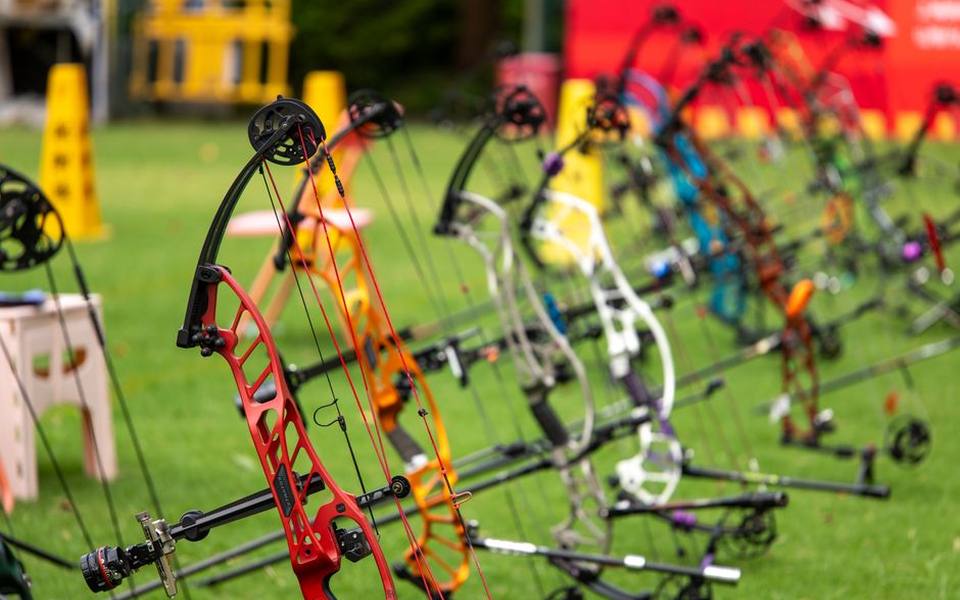
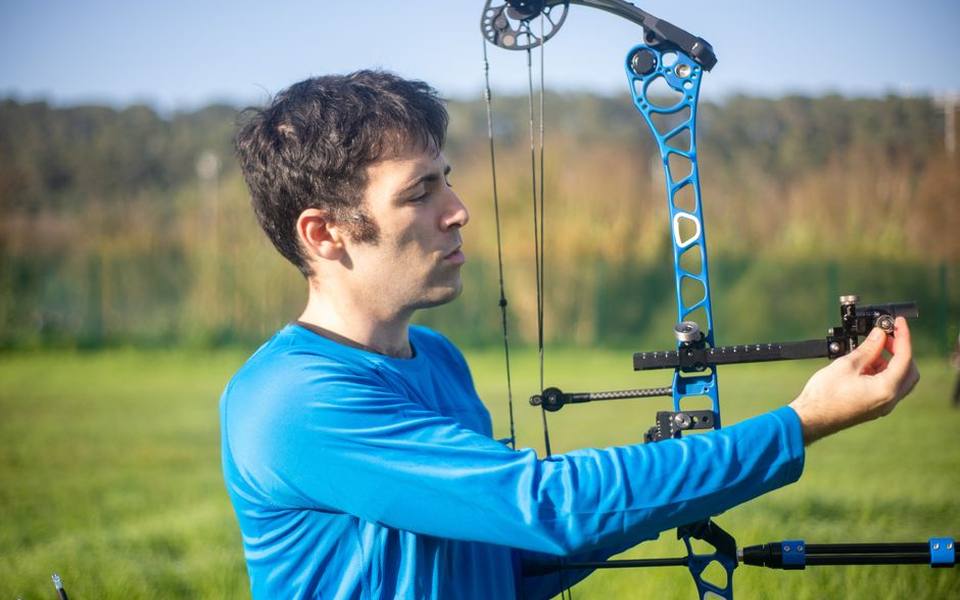
When comparing compound vs recurve systems, the fundamental difference lies in how energy is held at full draw. A recurve bow increases in holding weight the farther you pull the string back, demanding active physical engagement from your back and shoulder muscles throughout the shot. In contrast, modern compound bows use elliptical cams and cables that create mechanical let-off, reducing holding weight by seventy to eighty percent once you reach full draw.
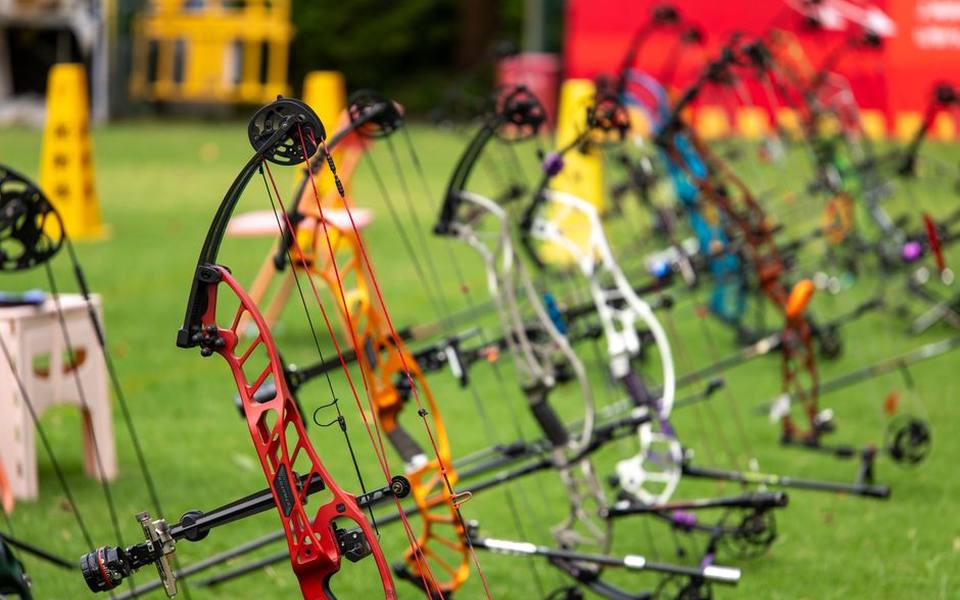
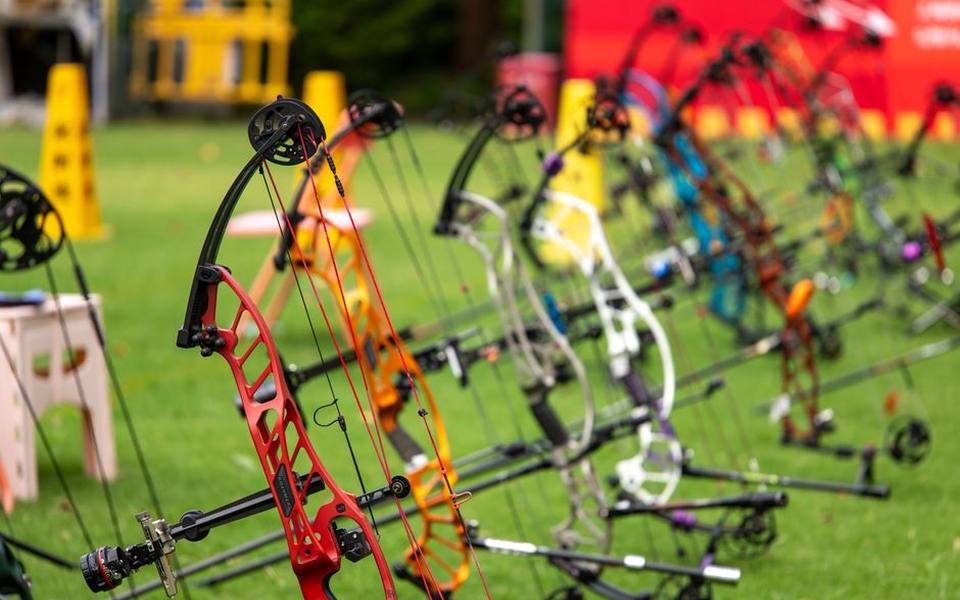
The shooting experience between the two platforms appeals to different temperaments and shooting goals. Recurve setups reward intuitive balance, clean finger releases, and physical discipline, offering a stripped-down connection between shooter and equipment. Compounds provide pinpoint mechanical accuracy, accommodating magnified sights, release aids, and stabilization systems designed for tight groupings at extended distances. Neither system is inherently superior, but each fosters distinct shooting mechanics.
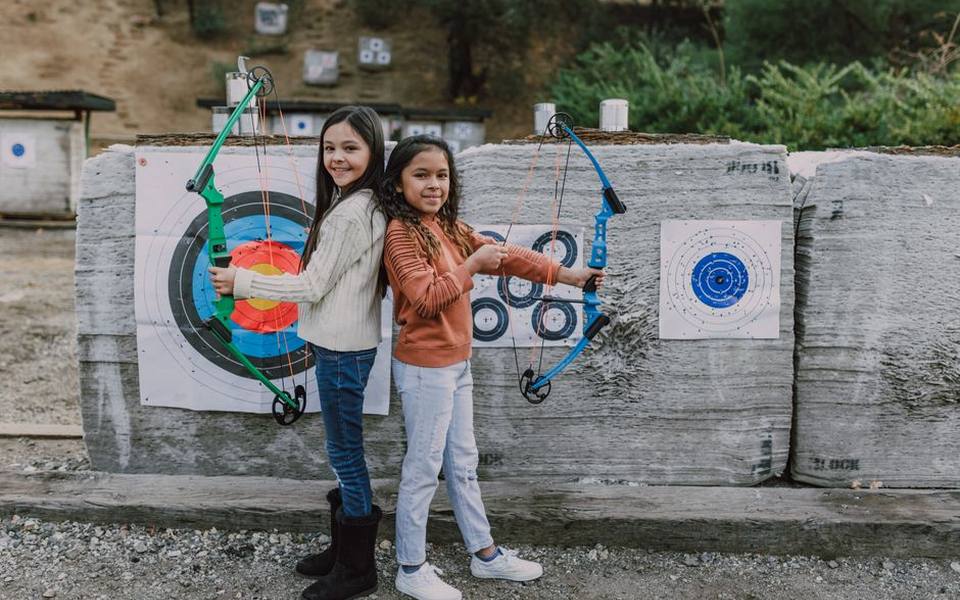
Deciding which path to pursue often comes down to trying both styles before investing your hard-earned money. Many community centers and clubs offer lessons or classes for beginners where you can handle different bow profiles under structured supervision. Spending an afternoon shooting both platforms clarifies whether you prefer the tactile simplicity of fingers on a bowstring or the engineered precision of a cam-driven system.
The Mechanics of a Takedown Recurve Bow
For archers entering the sport without a compound background, a starter recurve bow built on a three-piece takedown platform is widely considered the gold standard. A takedown recurve bow features a central handle called a riser and two detachable limbs that bolt or snap into place. This modular construction offers two massive practical advantages: effortless transportation inside a compact carry case and the ability to increase draw weight simply by swapping limbs.
Novice shooters often outgrow their initial draw weight within six to twelve months of regular practice. With a one-piece wooden bow, gaining five pounds of draw strength means purchasing an entirely new bow, whereas takedown owners simply purchase higher-poundage replacement limbs while retaining their riser, rest, and sight. Wooden bolt-on risers serve budget-conscious backyard shooters well, while metal risers offer greater rigidity and threaded bushings for standard accessories.
When browsing beginner recurve options, limb pocket standards deserve careful attention. Entry-level recreational bows often use proprietary bolt-and-pin limb pockets, limiting your replacement limb options to that specific manufacturer line. International Limb Fitting systems, commonly called ILF, use a standardized dovetail slot that allows you to mix and match limbs and risers across dozens of different brands as your skills and budget expand.
Transitioning Toward an Olympic Recurve Bow Setup
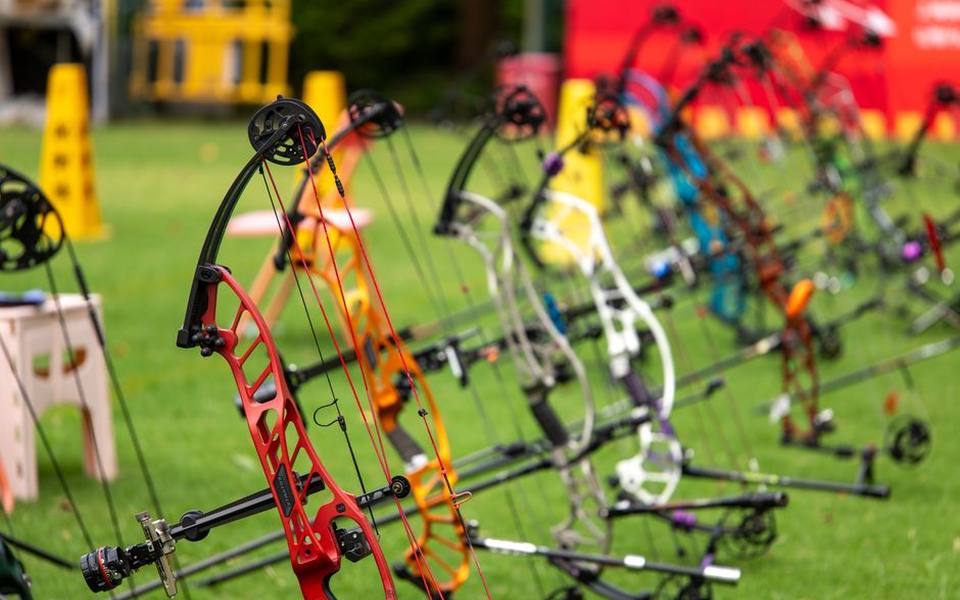
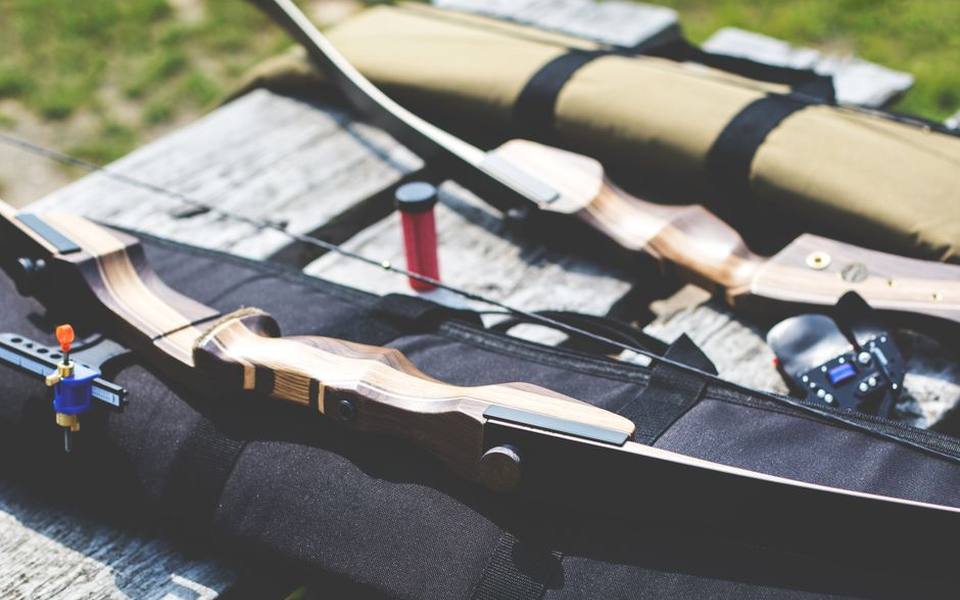
An olympic recurve bow represents the pinnacle of modern target recurve engineering, evolving far beyond bare wood platforms. Built around precision-machined aluminum or carbon risers, these tournament systems incorporate adjustable micro-click sights, front and side stabilization rods, magnetic arrow rests, and mechanical clickers that signal the precise moment of full draw. Every component works together to minimize human error and vibration during tournament target rounds.
Stepping directly into a full competition rig can easily overwhelm a beginner with unnecessary complexity. The best approach involves purchasing an ILF-compatible riser that accepts standard target accessories over time. You can begin shooting barebow style with minimal hardware to master foundational body alignment, gradually adding an entry-level sight pin, long rod stabilizer, and finger sling as your grouping consistency improves on target faces.
Arrow tuning on competitive recurves requires closer attention to dynamic spine than backyard plinking demands. Because the string pushes past your fingers, the arrow must bend around the riser in a fluid oscillation known as the archer's paradox. Matching arrow stiffness to your actual draw weight and point weight ensures clean clearance past the plunger button, preventing erratic tail-kicks and inconsistent grouping at twenty and fifty meters.
Exploring Traditional Longbows and Barebow Archery
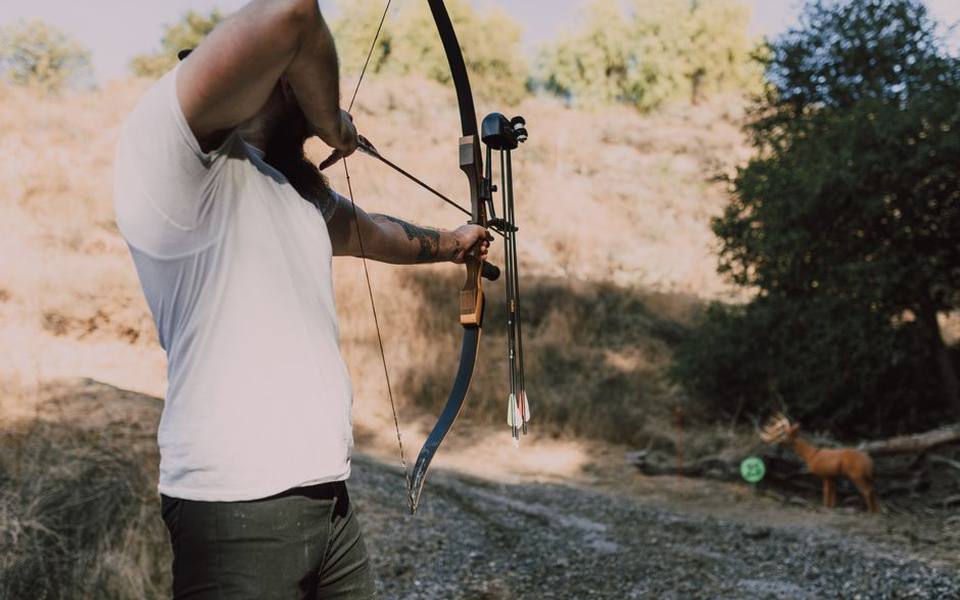
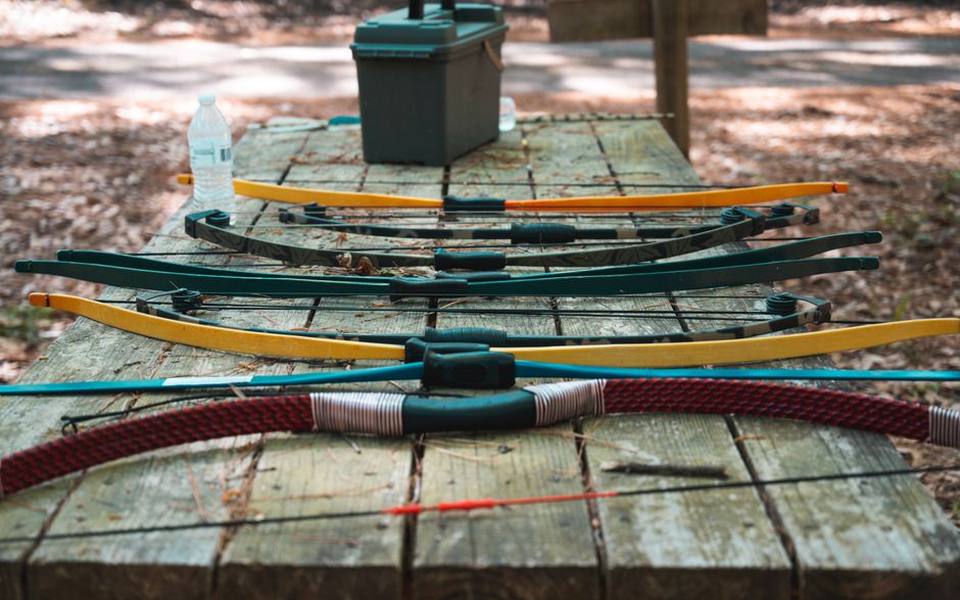
Archers drawn to historical heritage and clean lines often look for a longbow for sale instead of high-tech gear. Traditional longbows feature a continuous, gentle curve that does not contact the bowstring when braced, creating a quiet, smooth draw cycle devoid of mechanical clatter. Shooting a longbow typically means shooting off the shelf without elevated plastic rests or metal sights, relying on natural hand-eye coordination.
Traditional bows emphasize muscle memory and instinctive targeting over dial-in adjustments. Rather than focusing on a colored sight pin resting against a target ring, you learn to look directly at the spot you wish to hit while your subconscious mind adjusts elevation based on muscle memory. While this discipline requires patient repetition, hitting a bullseye using nothing more than laminated wood and natural feathers offers unmatched satisfaction.
One-piece traditional bows do demand specific storage and handling care that modern composite takedowns tolerate more forgivingly. Leaving a solid wooden longbow strung in a hot vehicle trunk or humid garage can warp the limbs and permanently reduce its cast. Stringing the bow exclusively with a wide webbed stringer preserves limb alignment and protects both the delicate wooden tips and your face from sudden accidental slips.
Sourcing Essential Traditional Archery Supplies
Owning a traditional or barebow setup requires dedicated traditional archery supplies that differ considerably from modern compound gear. Rather than mechanical caliper releases that clip onto a D-loop, traditional archers protect their fingers with genuine leather shooting gloves or stiff three-under finger tabs. Cordovan leather tabs are favored by target archers for their slick surface and clean release, while three-finger gloves provide rugged protection during field walks.

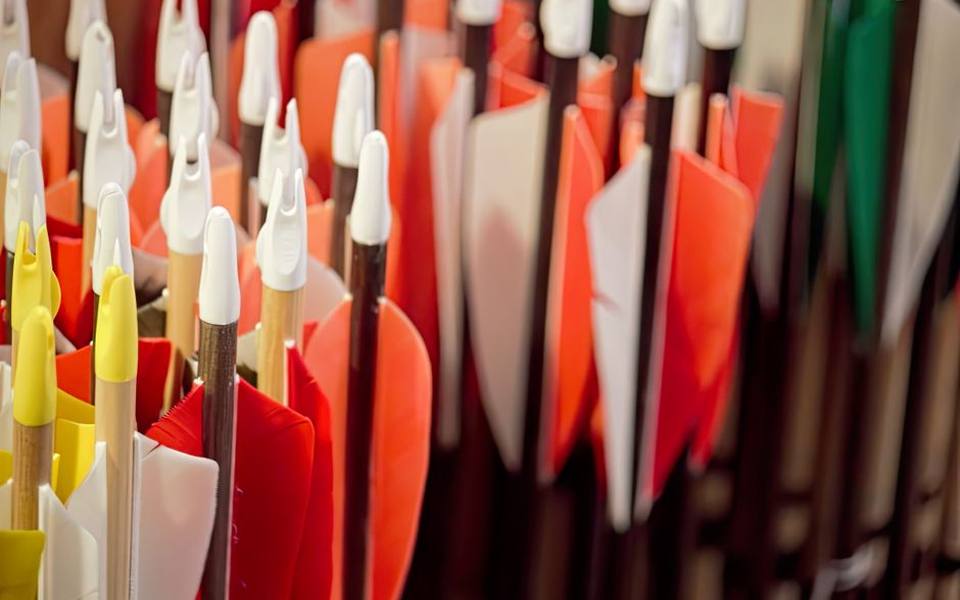
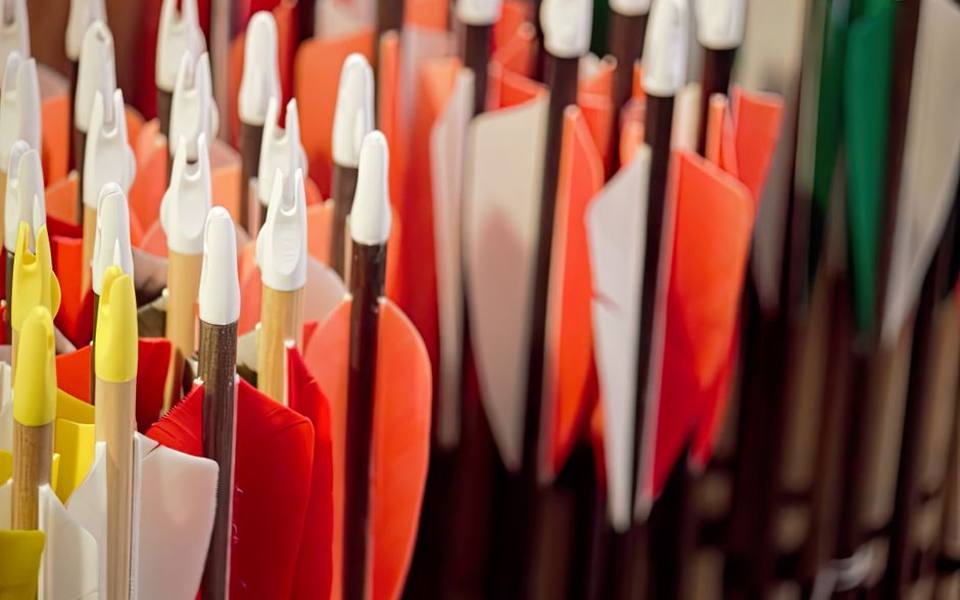
Arrow selection for traditional bows also follows distinct rules regarding materials and fletching. Shooters using a shelf rest cut directly into the wood riser must use genuine natural feather fletchings rather than plastic vanes. Feathers compress flat against the arrow shaft as they brush against the wooden shelf, avoiding erratic deflections, whereas rigid plastic vanes strike the riser and kick the arrow wildly off course.
Every traditional kit must also include an armguard to protect forearm skin from painful string slap during release imperfections. A sturdy bow stringer is equally mandatory, as stepping through the bow limbs to string traditional equipment places dangerous twisting forces on the wood laminations. Simple tip protectors slip over the lower limb tips to prevent gravel abrasions when resting your bow on the ground between shooting ends.
Evaluating Compound Adjustability for New Shooters
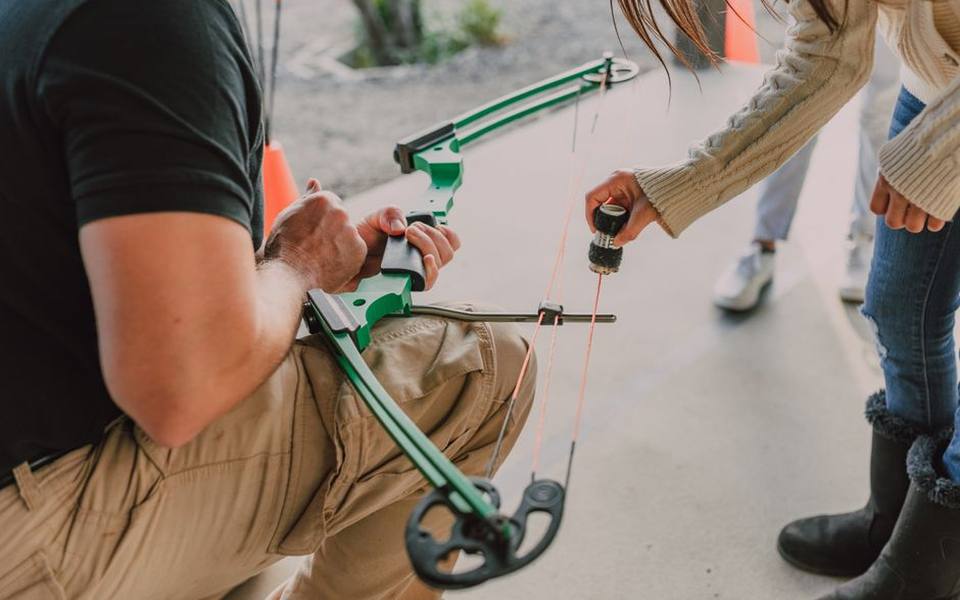
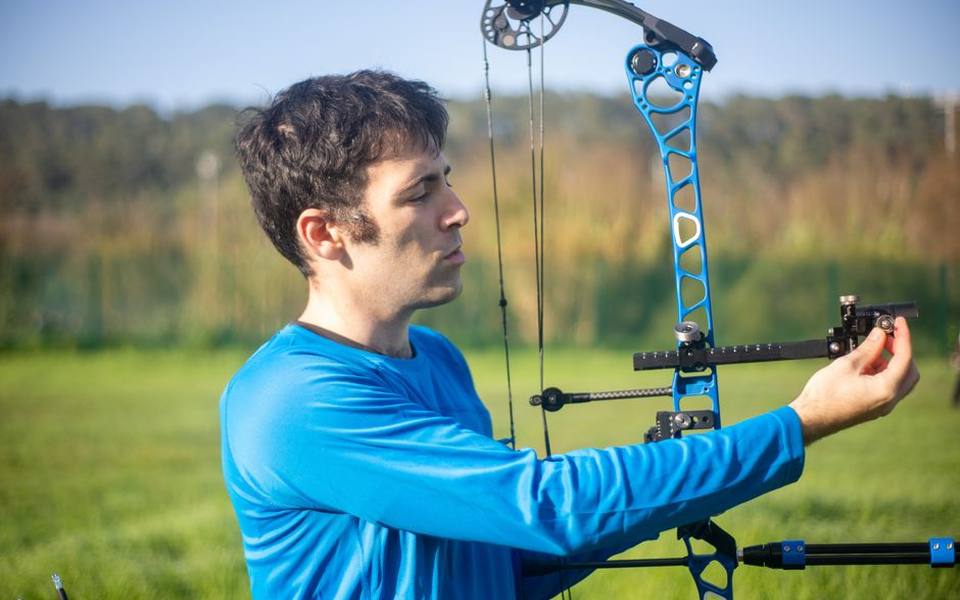
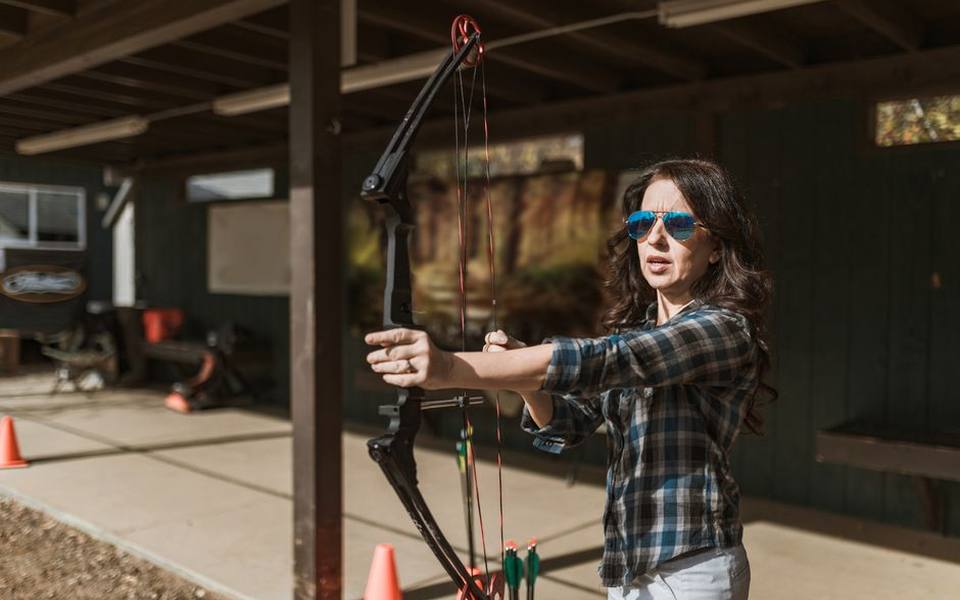
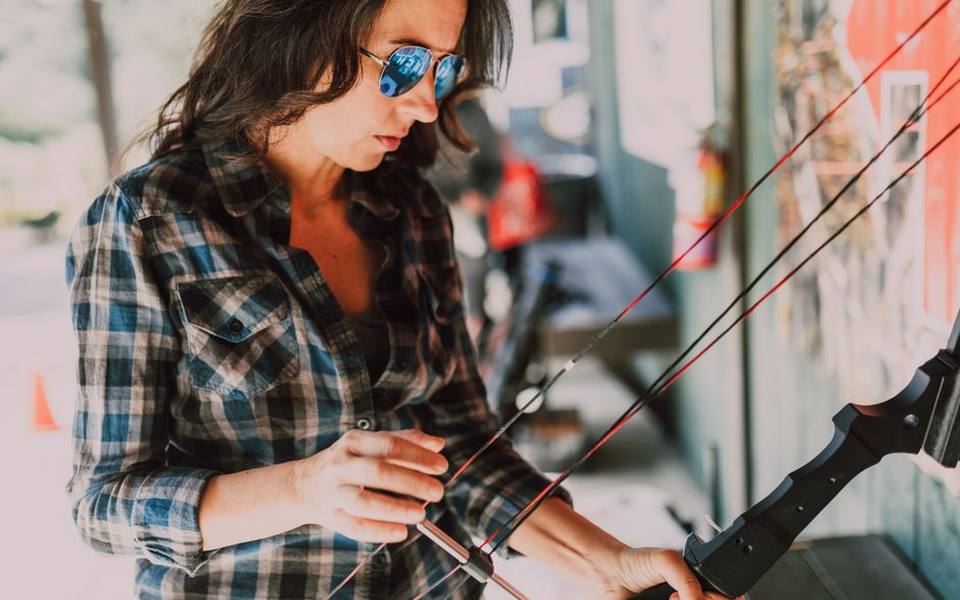
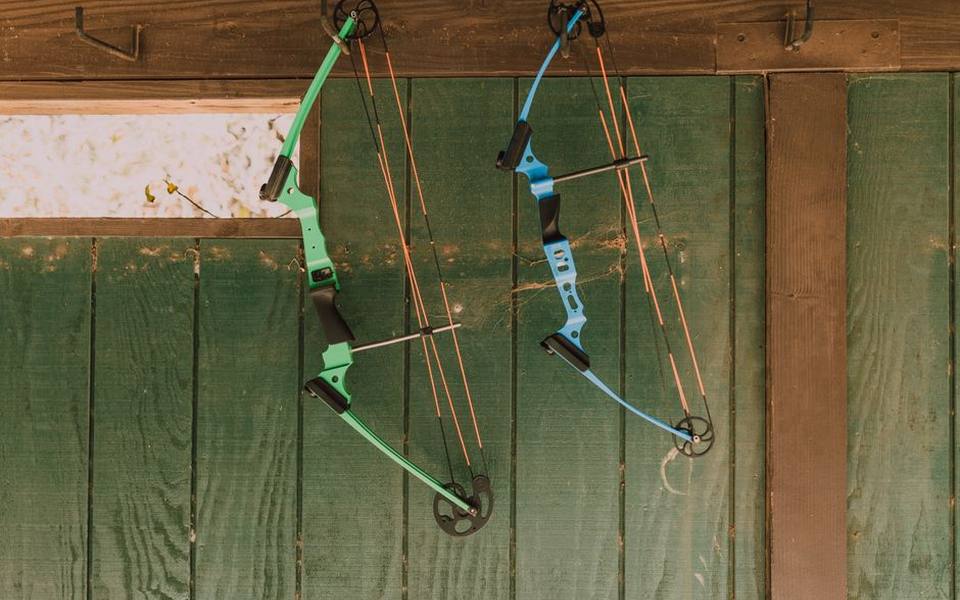
Selecting a beginner recurve bow allows you to start simple, but choosing a compound bow requires balancing modern technology with mechanical adjustability. Modern entry-level compounds feature rotating cam modules that let owners adjust draw length across a wide spectrum, often ranging from twenty to thirty inches, using a simple set of Allen wrenches without needing an industrial bow press.
Draw weight flexibility is equally expansive on modern recreational compound designs. Certain models allow shooters to dial tension anywhere from twenty to seventy pounds simply by turning the limb pocket bolts evenly. This vast operational range allows a growing youth or an adult building archery-specific shoulder conditioning to shoot comfortably at thirty pounds and steadily increase resistance without buying secondary equipment.
Let-off remains one of the greatest mechanical advantages for beginners exploring compound bows. By holding only fifteen to twenty percent of the peak draw weight at full extension, your muscles stay calm and steady while you align your peep sight with the front scope housing. This holding valley provides ample time to focus on proper trigger squeeze using an index finger or thumb-button mechanical release.
Inspect Used and Second-Hand Compound Bows Carefully
Budget-conscious archers frequently scour classified listings for used compound bows for sale, hoping to acquire flagship tournament or hunting performance at entry-level prices. While buying second-hand compound bows for sale can yield substantial savings, compound bows possess stored mechanical tension that makes hidden damage particularly hazardous. Inspecting a pre-owned bow requires a meticulous, step-by-step physical examination before handing over cash.
Always inspect the composite limbs for micro-fractures, delamination, or splintering along the outer edges. Running a dry cotton ball along the limb surfaces quickly catches tiny fiberglass splinters that the naked eye might overlook. Any visible cracking near the limb pockets or cam axles indicates structural fatigue, rendering the bow unsafe to shoot without costly limb replacements.
Cam health and string condition also represent major financial variables when evaluating second-hand gear. Examine the aluminum cams from directly above to check for bent tracks or cam lean caused by accidental drops or improper string changes. Replacing worn strings, frayed buss cables, and cracked serving can easily add substantial expense, quickly turning an apparent classified bargain into a costly maintenance project.
Navigating Bows for Sale Online Versus Pro Shops
Sorting through hundreds of bows for sale across internet marketplaces can lead beginners to purchase equipment poorly matched to their physical stature. Online descriptions rarely explain that compound bows often arrive un-tuned, requiring specialized bow presses, laser alignment tools, and paper-tuning racks to shoot true. A bow purchased in a sealed cardboard box still requires professional setup before launching its first arrow safely.
Visiting a dedicated pro shop bridges this gap by pairing gear selection with hands-on technical support. A qualified bow technician measures your exact draw length, sets appropriate limb poundage, ties your D-loop, installs the peep sight at your exact eye level, and papers-tunes your arrow rest. That custom fit eliminates frustration and prevents physical strain during your initial shooting sessions.
Local shops also provide direct access to trial shooting lanes where you can feel the grip contour and balance of competing platforms. Our directory catalogs over 1,040 archery facilities across the country, making it simple to research local resources through our state directory of archery ranges. Finding an expert in your community ensures you walk away with correctly spined arrows and balanced safety accessories.
Developing Your Form on Practice Ranges
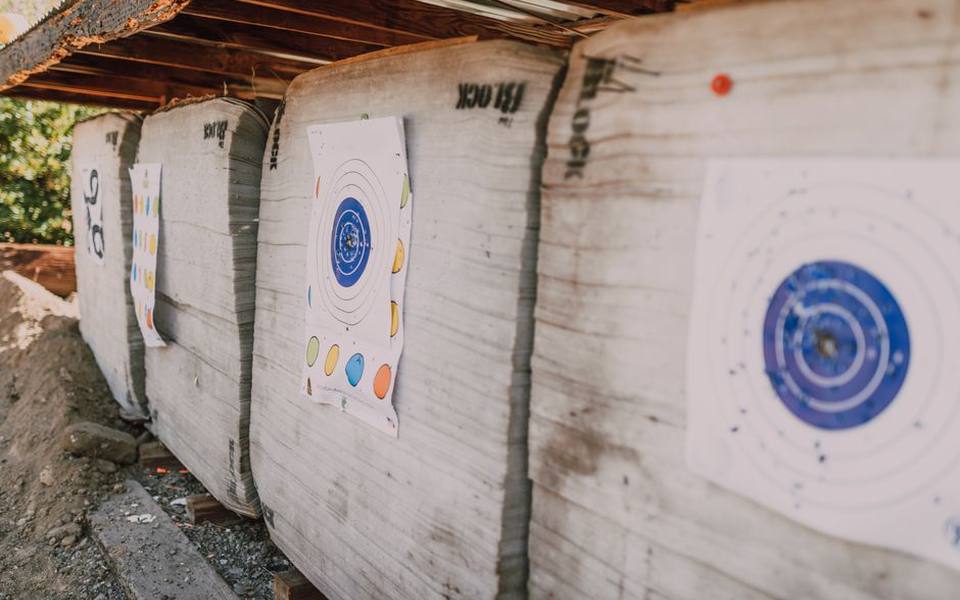
Purchasing your bow is simply the preliminary step; developing consistent accuracy requires a safe, structured practice environment. Backyard shooting carries distinct safety hazards, pet risks, and municipal ordinance constraints in many suburban neighborhoods. Transporting your bow to an established range provides rated backstop netting, marked yardages, and safety protocols that let you focus entirely on your shot execution.
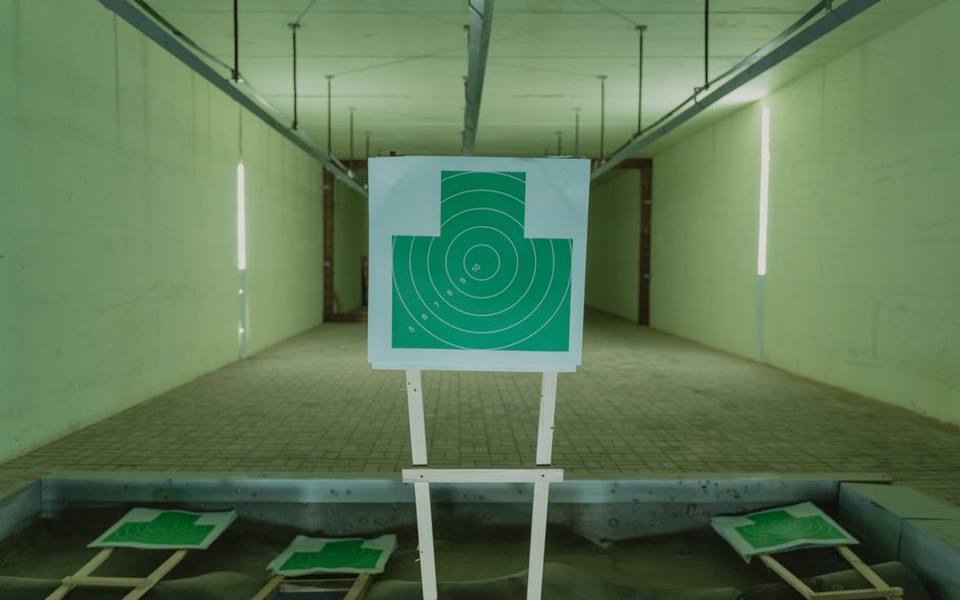
Beginning your practice inside an indoor range eliminates wind variables, rain, and fluctuating lighting conditions. Indoor target lanes feature uniform twenty-yard distances that allow you to isolate form flaws, experiment with finger pressure, and dial in your sight adjustments without environmental interference. This controlled environment builds muscle memory and confidence faster than uncontrolled open-field shooting.
Once you establish tight groupings at standard distances, venturing out onto a scenic 3D course adds dynamic fun to your shooting routine. Moving through wooded terrain to judge unmarked distances and execute shots at foam animal targets simulates real-world field conditions. Whether shooting a primitive longbow, high-performance compound, or Olympic recurve, regular range practice transforms your beginner gear into an extension of your natural focus.
Published 2026-09-21 · reviewed with each rebuild, last October 2026.
Find archery ranges & sports shops near you
The directory lists 38,975 archery ranges & sports shops by state and city — pick your state or use the “Near me” button in the header.
More guides
-
 Money
MoneyA Guide to Archery Range Fees and Lesson Costs
-
 Buying
Choosing Broadheads and Aiming for the Perfect Shot
-
 Service
DIY Bow Maintenance, Tuning, and Basic Repairs
-
 Buying
Choosing Sights and Rangefinders for Better Accuracy
-
 Buying
Essential Gear for Target Practice and Bowhunting Preparation
-
 Money
MoneyUnderstanding Bow Purchase and Restringing Costs: A Complete Pricing Guide
-
 Owning
Arrow Selection, Cutting, and Fletching at Home: A Complete Guide
-
 Safety
Bowhunting Shot Placement Guide for Deer and Turkey
-
 Buying
Complete Guide to Choosing the Best Crossbow Broadheads
-
 Money
MoneyHow Much Does Archery Cost? A Realistic Beginner Budget
-
 Buying
Choosing the Right Arrows and Field Points: Shaft Materials, Weights, and Tuning
-
 Buying
Best Archery Sets for Beginners: Complete Buyer Guide and Starter Tips
-
 Owning
Best Archery Targets and Backstops: 3D, Foam, Bag, and DIY Setup Guide
-
 Buying
Bowfishing Equipment Guide: Bows, Reels, Arrows, and Rigging Setups
-
 Owning
Lighted Nocks and DIY Arrow Building: Fletching, Cutting, and Tuning
-
 Buying
Crossbow Bolts, Broadheads, and Cocking Devices: Complete Buyer's Guide
-
 Buying
Complete Arrow Selection Guide: Carbon Shafts, Spine, Length, and Brands
-
 Safety
Archery Protective Gear: Arm Guards, Chest Protectors, Tabs, and Slings
-
 Buying
Archery Quivers Buying Guide: Hip, Back, and Bow-Mounted Options
-
 Buying
Bow Release Aids Explained: Wrist Strap, Thumb Button, and Hinge Releases
-
 Owning
Compound Bow Tuning and Care: Strings, Wax, Stabilizers, and Cases
-
 Buying
Arrow Rests Compared: Whisker Biscuit, Cable-Driven, and Limb-Driven
-
 Safety
Archery Lessons, Proper Form, Range Etiquette, and Youth Programs
-
 Owning
Complete Guide to Single Pin Bow Sights and Sight Tapes
-
 Owning
Arrow Selection and DIY Arrow Building: Shafts, Fletching, and Tools
-
 Owning
Finding Archery Ranges, Pro Shops, Clubs, and Instructor Programs
-
 Buying
Best Hunting Broadheads: Fixed Blade vs Mechanical Broadheads
-
 Buying
Archery Targets Guide: 3D Targets, Bags, Blocks, and DIY Backstops
-
 Buying
Archery Quivers Guide: Bow-Mounted, Hip, Back, and Crossbow Quivers
-
 Service
Bow Tuning and Setup: Paper Tuning, Arrow Rests, and Bow Maintenance
-
 Buying
Bowfishing Gear Guide: Bows, Rigs, Arrows, and Setup Options
-
 Owning
Essential Archery Accessories: Lighted Nocks, Arrow Pullers, and Arm Guards
-
 Buying
Archery Release Aids Guide: Thumb, Hinge, Wrist, and Mechanical Releases
-
 Buying
Essential Bowhunting Gear, Deer Supplies, and Gift Guide
-
 Buying
Crossbow Buying Guide: Matching Platforms, Bolts, Optics, and Fletching
-
 Buying
Beginner Bow & Arrow Starter Kits: How to Choose Your First Setup
-
 Owning
Traditional Archery, Longbows, and Primitive Gear
-
 Buying
Deer Hunting Bows: Comparing Recurve and Compound Setups, Finding Deals, and Studying Hunting Film
-
 Buying
Compound Bow Setup, Tuning, Form, and Equipment Guide
-
 Owning
Compound Bow Release Aids and Grip Tape: Enhancing Control and Consistency
-
 Service
Crossbow Maintenance: String Replacement and Scope Sighting Guide
-
 Owning
Broken Bow Cabin Rentals: Complete Beavers Bend Vacation Guide
-
 Safety
Broken Bow Lake Rentals: Complete Guide to Boats, ATVs, and Trail Gear