Selecting the Right Archery Target for Your Shooting Style
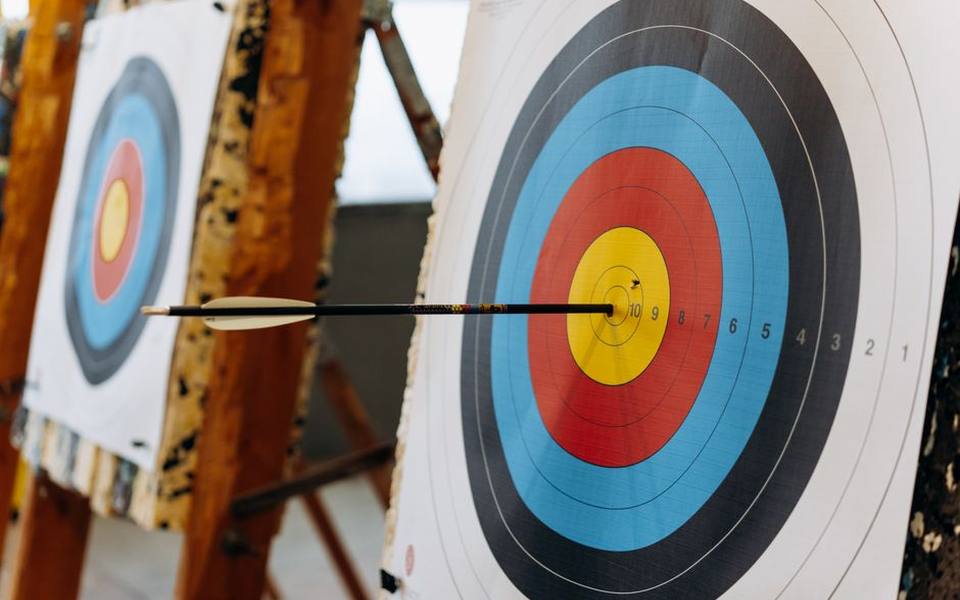
Choosing a target for archery comes down to the points on your arrows, the poundage of your bow, and where you plan to fling your shafts. No single target suits every archer equally well. If you shoot exclusively field points to tune your grouping, your needs will look entirely different from an archer tuning hunting broadheads or prepping for competitive outdoor shoots.
High-velocity compound setups and modern crossbows generate substantial kinetic energy that can punch right through softer backings. Traditional recurve bows and light youth rigs require a medium that catches the arrow without allowing it to bounce out or bury past the fletchings. Matching target density to bow speed is the initial step toward saving both arrows and money.
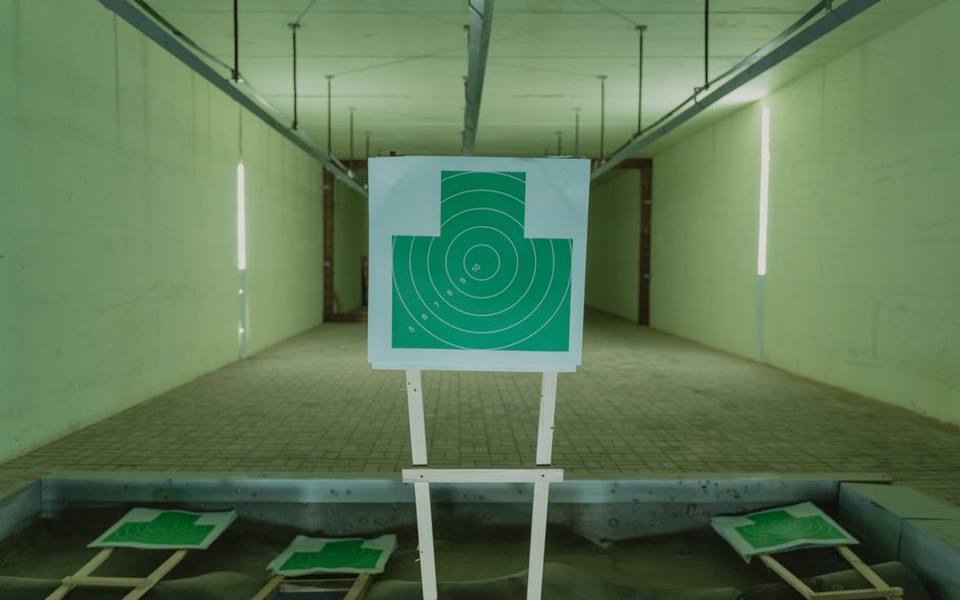
Before investing in backyard equipment, many shooters head to an indoor range to test various styles or discuss options with experienced staff. Seeing how dense layered foam, heavy fabric bags, and molded foam animals absorb impacts helps you gauge what level of stopping power your personal equipment truly requires.
Space and portability also play major roles in your selection process. A heavy, weather-resistant target left out all season requires different considerations than a lightweight unit you pack into the trunk for weekend sessions in the woods. Thinking through your shooting routine keeps you from purchasing an unwieldy block you dread moving.
Bag Targets for High-Volume Field Point Practice
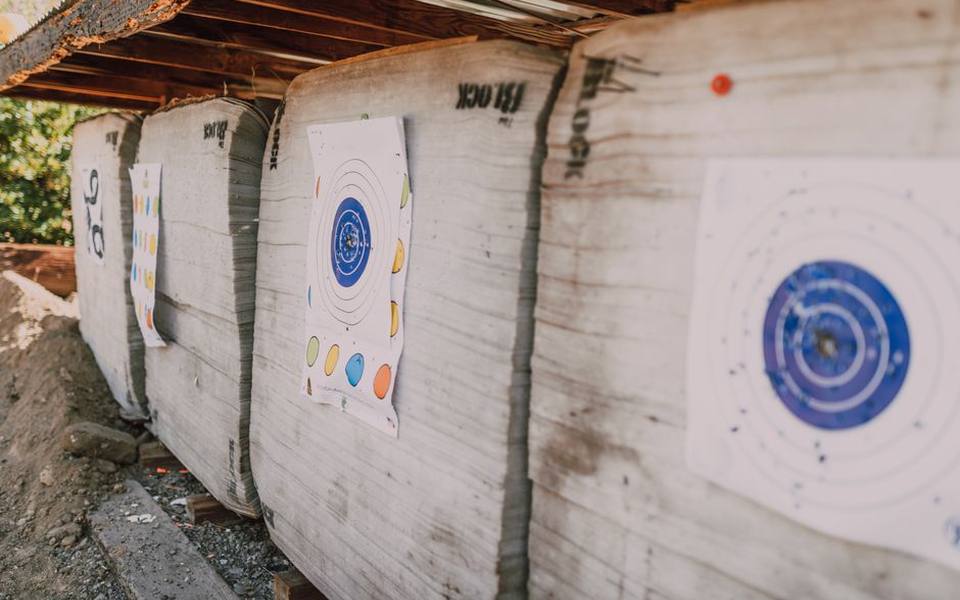
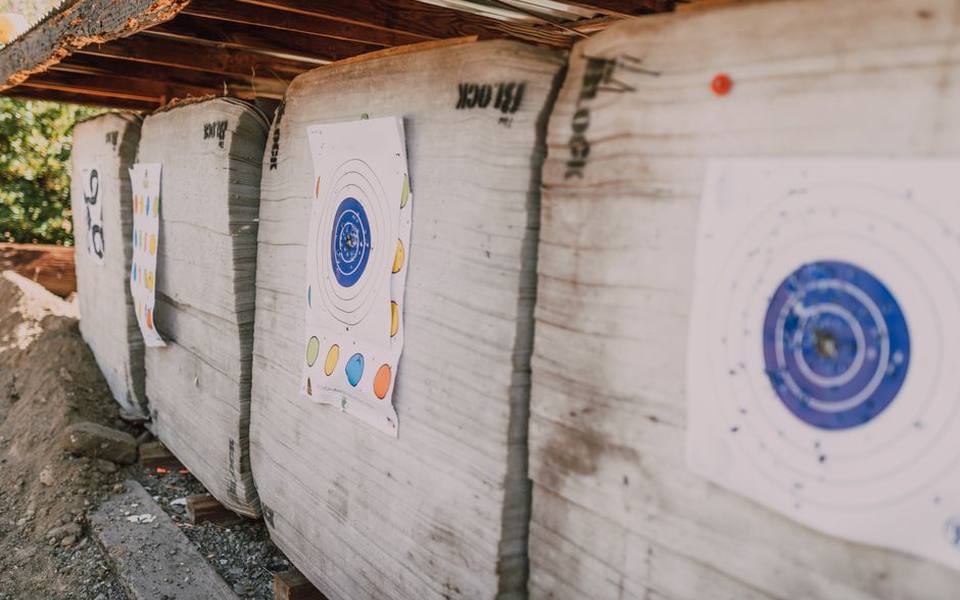
Bag targets remain the most practical choice for routine yard shooting with field points. These targets consist of a heavy synthetic outer shell filled with compressed fabric scraps, plastic mesh, or nylon batting. Because the arrow slips between woven layers rather than carving out chunks of solid material, bag targets offer exceptional durability under hundreds of daily repetitions.

One of the biggest practical advantages of a bag style is two-finger arrow removal. Modern high-energy bows drive arrows deeply into friction-based foam, often requiring heavy rubber pullers and considerable elbow grease to extract. In contrast, a well-built fabric bag allows archers of all ages and draw weights to slide arrows out effortlessly after every single end.
However, bag targets have distinct limitations that require careful consideration. They are strictly designed for field points; shooting a fixed or mechanical broadhead into a bag target will slice through the internal fibers and destroy the outer face within a few shots. Once the internal fabric matrix is cut apart, arrows will begin passing clean through the core.
Weather protection is another concern for bag owners. Leaving a standard fabric bag out under continuous rainfall allows moisture to saturate the internal fill, making the target remarkably heavy and eventually rotting the casing. Storing your bag in an outdoor shed or hanging it under a covered porch ensures it stays light and lasts through multiple shooting seasons.
Layered Foam Blocks and Broadhead Versatility
If you plan to shoot broadheads, a layered archery target block is typically the standard solution. These targets rely on hundreds of thin sheets of high-density polyethylene or polyurethane foam bonded together under hydraulic pressure. Friction between the tightly compressed layers stops the arrow without instantly ruining the core, even when razor-sharp blades slice through the face.
The friction design makes foam blocks versatile workhorses for pre-season broadhead tuning. Most models feature multiple shootable sides, allowing you to rotate the face and distribute wear evenly across different spots. Good target rotation prevents you from blowing out the dead center while leaving the perimeter foam completely untouched and unutilized.
While broadhead-capable, foam blocks do wear out much faster than bags when subjected to broadhead blades. The steel edges inevitably sever foam strands over time, gradually creating soft pockets where arrows penetrate deeper with every hit. To maximize the life of your foam block, reserve broadhead shots for final tuning and stick to field points for general muscle-memory drills.
When purchasing, pay attention to the overall depth and density ratings. Light foam designs built for youth bows can easily suffer broadhead pass-throughs when struck by a modern hunting bow shooting heavy carbon shafts. Seeking guidance at a local pro shop can help you choose a block with the right density rating for your specific draw weight and arrow speed.
Lifelike Practice with Three-Dimensional Game Models
Stepping up to a bow target 3d setup transforms simple target shooting into practical hunting preparation. Rather than aiming at distinct colored rings or uniform dots, a 3D model presents the lifelike anatomy of game species like whitetail deer, black bear, elk, or wild turkey. This layout forces you to pick a specific hair or crease rather than relying on a printed bullseye.
Molded from dense, self-healing polyurethane, quality 3d bow hunting targets feature scoring rings molded into the vital zone. Shooting these models teaches vital shot placement from elevated treestands or sharp quartering angles where internal anatomy shifts relative to the ribs. The realism helps build confidence that flat paper faces or square boxes simply cannot replicate.
In the realm of foam models, Delta McKenzie targets represent the long-standing standard found at commercial archery clubs and tournaments nationwide. A classic McKenzie target is known for dense foam composition capable of handling thousands of field point shots across several competitive seasons. Many models incorporate a replaceable vitals core, allowing you to swap out shot-out kill zones without buying a brand-new body.
Shooting these sculpted animals across natural terrain is a favorite pastime for many archers. If you want to experience challenging elevation changes and realistic distances before setting up your own course, spending a day at a dedicated 3D course is an exceptional way to evaluate how different models endure the elements.
Stands, Hangers, and Ground Elevation
Placing your target directly on the ground might seem convenient, but it exposes the base to constant ground dampness, insects, and soil moisture. Wet soil accelerates the breakdown of foam and fabric while causing arrows to hit dirt if you drop low. An archery target with stand hardware keeps the shooting face elevated, level, and visible above tall yard grass.
Stands come in several configurations, ranging from collapsible metal tripods to heavy steel A-frames designed for hanging bags. When hanging a bag target, allowing it to swing slightly on metal carabiners absorbs a fraction of the arrow's kinetic energy. This slight movement helps reduce wear on the internal fill and makes arrow removal noticeably easier.
Stability is critical when selecting or fabricating a stand. Modern high-poundage compound bows and fast crossbows deliver enough impact energy to knock over lightweight wire frames on the first shot. A wide stance, heavy-gauge steel legs, and integrated ground stakes prevent your target from tipping forward or tumbling backward during gusty afternoon winds.
Elevating your target also helps maintain proper posture and shooting form. Level shoulder alignment is easier to drill when you are not consistently bending down to aim at grass level. Setting the target center around chest height mimics standard range conditions and provides a realistic sight picture whether you shoot seated, kneeling, or standing.
Building a Durable DIY Bow Target at Home
Constructing a diy bow target is a popular weekend project for archers looking to save money while building a massive, durable shooting face. With basic dimensional lumber, exterior screws, and recycled packing materials, you can create a high-capacity target that stops arrows fired from heavy compound bows without damaging shafts.
The most effective diy archery target builds use a simple wooden frame box packed tightly with clear plastic stretch wrap, shrink wrap, or old cotton clothing. Avoid anything with metal zippers, heavy buttons, or abrasive grit that could chip carbon shafts or strip vanes. Compressing the plastic wrap tightly into the frame creates remarkable friction that stops high-speed field points cleanly.
For the face material, heavy woven landscape fabric, sun-blocking shade cloth, or tough burlap works best. Stretch the fabric across both open sides of the wooden box and secure it with heavy-duty staples, then spray-paint your preferred aiming points on the cloth. When the face eventually gets shredded after thousands of shots, simply pull the staples and attach a fresh layer.
Keep in mind that a densely packed homemade target can easily weigh upwards of seventy or eighty pounds. Adding heavy-duty caster wheels to the bottom frame or mounting the box onto an outdoor garden cart allows you to wheel your build in and out of the garage with minimal strain on your back.
Why Every Backyard Range Demands a Safety Backstop
Even the most disciplined archers occasionally suffer equipment malfunctions, flinched releases, or accidental high shots. Without a dedicated archery backstop behind your primary target, an errant arrow can easily travel through fences, skip across lawns, or cause severe property damage. Safety requires planning for the worst possible release on every shot.
A proper archery back stop acts as a passive safety net, absorbing the energy of errant arrows before they reach dangerous boundaries. Even if you consistently group tightly at twenty yards, changing sight settings, testing a new mechanical release, or tuning broadheads introduces variables that can send an arrow wide of the target face.
Arrow recovery is another practical benefit of a solid backstop. Finding a carbon arrow buried under thick turf or embedded in brush is frustrating and expensive. A backstop catches stray shots cleanly, keeping arrows intact and visible rather than leaving broken shafts hidden in your lawn where mower blades might find them later.
Backyard shooting is a privilege that depends entirely on neighbor confidence and safe property practices. Installing an obvious, robust barrier provides visible reassurance to family members and adjacent landowners that safety is treated as an absolute priority during every practice session.
Backstop Materials: Hanging Netting, Stall Mats, and Berms
Commercial archery backstop netting is engineered specifically to catch arrows without breaking them. Made from dense, loosely woven nylon or Kevlar fibers, these heavy curtains allow kinetic energy to dissipate by rippling backward upon impact. For netting to work properly, it must hang loose like a shower curtain, with several inches of slack along the bottom edge.
A very popular alternative for home setups is the heavy rubber horse stall mat. Readily available at rural supply outlets, these three-quarter-inch vulcanized rubber mats are virtually indestructible and readily stop arrows from standard compound bows. Like netting, stall mats should be suspended from a sturdy top beam rather than bolted tight at the bottom, allowing the heavy rubber to swing and absorb shock.
If you have ample acreage and earth-moving equipment, a natural dirt or clay berm offers the ultimate permanent backstop. A mounded earthen wall behind your targets stops any arrow regardless of bow draw weight, crossbow speed, or point style. Dirt berms do not degrade under sunlight and require minimal maintenance beyond occasional weeding.
Avoid using hard, rigid surfaces like solid plywood, brick walls, or chain-link fencing directly behind your targets. High-speed carbon arrows striking rigid vertical surfaces will often shatter violently, send splintered fragments flying, or bounce backward toward the shooting line, creating immediate hazards for the shooter.
Safe Layout and Placement on Residential Properties
Positioning your shooting lane requires careful assessment of sight lines, foot traffic, and potential line-of-fire hazards. Never place a target in a location where a person, pet, or delivery driver could unexpectedly walk behind the backstop from a blind corner. The lane behind your target should always have a clear safety buffer zone free of pedestrian access.
Be aware of local municipal codes and neighborhood covenants regarding projectile discharge. In most states, residential archery regulations vary widely by city and county; some rural zones have no restrictions, while suburban townships may classify bow shooting similarly to firearm discharge. Checking local ordinances prevents unexpected legal complications.
If your property cannot accommodate a safe backyard distance with a reliable safety zone, it is far better to practice at public facilities or private clubs. Looking into established locations like ranges in Pennsylvania or your own state gives you access to tested safety buffers and high-volume target butts designed to accommodate all skill levels.
Beginners or shooters returning to the sport after a long hiatus should also consider taking lessons or classes for beginners to hone consistent form. Developing proper anchor points and dependable trigger control indoors under certified coaching reduces the likelihood of wild flyers when you transition to your home setup.
Weatherproofing and Maintaining Target Lifespan
Direct sunlight is one of the quickest ways to degrade modern foam and fabric targets. Ultraviolet rays dry out polyurethane and polyethylene, making outer layers brittle, crumbly, and prone to rapid pitting. If your targets live outdoors full-time, covering them with a heavy UV-reflective tarp between shooting sessions dramatically extends their working life.
Moisture management is equally essential, particularly as seasons change. Foam targets that soak up rainwater and then freeze during cold winter nights can suffer internal structural fracturing as ice expands within the micro-cells. Whenever possible, store targets in an unheated garage, shed, or covered lean-to during severe winter weather.
Rotate your aiming points regularly to prevent shooting out single sections. Most block and bag designs feature multiple offset bullseyes specifically so archers do not punch a giant hole through the exact center. Spreading your groupings around the outer quadrants allows the core material to maintain internal pressure and hold arrows securely.
When an insert on a 3D model or the center of a dense block target becomes soft, do not wait until arrows punch entirely through to the vanes. Using liquid polyurethane foam repair kits or installing factory replacement cores restores stopping density early, protecting your expensive arrow shafts from getting chewed up by worn-out target material.
Published 2026-09-21 · reviewed with each rebuild, last October 2026.
Find archery ranges & sports shops near you
The directory lists 38,975 archery ranges & sports shops by state and city — pick your state or use the “Near me” button in the header.
More guides
-
 Money
MoneyA Guide to Archery Range Fees and Lesson Costs
-
 Buying
Choosing Broadheads and Aiming for the Perfect Shot
-
 Service
DIY Bow Maintenance, Tuning, and Basic Repairs
-
 Buying
Choosing Sights and Rangefinders for Better Accuracy
-
 Buying
Essential Gear for Target Practice and Bowhunting Preparation
-
 Money
MoneyUnderstanding Bow Purchase and Restringing Costs: A Complete Pricing Guide
-
 Owning
Arrow Selection, Cutting, and Fletching at Home: A Complete Guide
-
 Safety
Bowhunting Shot Placement Guide for Deer and Turkey
-
 Buying
Complete Guide to Choosing the Best Crossbow Broadheads
-
 Money
MoneyHow Much Does Archery Cost? A Realistic Beginner Budget
-
 Buying
Choosing the Right Arrows and Field Points: Shaft Materials, Weights, and Tuning
-
 Buying
Best Archery Sets for Beginners: Complete Buyer Guide and Starter Tips
-
 Buying
Beginner Archery Buying Guide: Recurve, Compound, and Traditional Bows
-
 Buying
Bowfishing Equipment Guide: Bows, Reels, Arrows, and Rigging Setups
-
 Owning
Lighted Nocks and DIY Arrow Building: Fletching, Cutting, and Tuning
-
 Buying
Crossbow Bolts, Broadheads, and Cocking Devices: Complete Buyer's Guide
-
 Buying
Complete Arrow Selection Guide: Carbon Shafts, Spine, Length, and Brands
-
 Safety
Archery Protective Gear: Arm Guards, Chest Protectors, Tabs, and Slings
-
 Buying
Archery Quivers Buying Guide: Hip, Back, and Bow-Mounted Options
-
 Buying
Bow Release Aids Explained: Wrist Strap, Thumb Button, and Hinge Releases
-
 Owning
Compound Bow Tuning and Care: Strings, Wax, Stabilizers, and Cases
-
 Buying
Arrow Rests Compared: Whisker Biscuit, Cable-Driven, and Limb-Driven
-
 Safety
Archery Lessons, Proper Form, Range Etiquette, and Youth Programs
-
 Owning
Complete Guide to Single Pin Bow Sights and Sight Tapes
-
 Owning
Arrow Selection and DIY Arrow Building: Shafts, Fletching, and Tools
-
 Owning
Finding Archery Ranges, Pro Shops, Clubs, and Instructor Programs
-
 Buying
Best Hunting Broadheads: Fixed Blade vs Mechanical Broadheads
-
 Buying
Archery Targets Guide: 3D Targets, Bags, Blocks, and DIY Backstops
-
 Buying
Archery Quivers Guide: Bow-Mounted, Hip, Back, and Crossbow Quivers
-
 Service
Bow Tuning and Setup: Paper Tuning, Arrow Rests, and Bow Maintenance
-
 Buying
Bowfishing Gear Guide: Bows, Rigs, Arrows, and Setup Options
-
 Owning
Essential Archery Accessories: Lighted Nocks, Arrow Pullers, and Arm Guards
-
 Buying
Archery Release Aids Guide: Thumb, Hinge, Wrist, and Mechanical Releases
-
 Buying
Essential Bowhunting Gear, Deer Supplies, and Gift Guide
-
 Buying
Crossbow Buying Guide: Matching Platforms, Bolts, Optics, and Fletching
-
 Buying
Beginner Bow & Arrow Starter Kits: How to Choose Your First Setup
-
 Owning
Traditional Archery, Longbows, and Primitive Gear
-
 Buying
Deer Hunting Bows: Comparing Recurve and Compound Setups, Finding Deals, and Studying Hunting Film
-
 Buying
Compound Bow Setup, Tuning, Form, and Equipment Guide
-
 Owning
Compound Bow Release Aids and Grip Tape: Enhancing Control and Consistency
-
 Service
Crossbow Maintenance: String Replacement and Scope Sighting Guide
-
 Owning
Broken Bow Cabin Rentals: Complete Beavers Bend Vacation Guide
-
 Safety
Broken Bow Lake Rentals: Complete Guide to Boats, ATVs, and Trail Gear