How Archery Tackle Changes on the Water
Bowfishing equipment operates on completely different principles than traditional bowhunting or standard target archery gear. Instead of lightweight carbon shafts designed to travel flat over fifty yards, you are launching heavy, solid shafts into dense water at close distances, typically under twenty feet. Every component must withstand constant moisture, muddy riverbanks, fish slime, and the violent drag created by tethered line unspooling at high velocity.
A standard hunting bow can easily be ruined by water immersion or degraded by grit trapped in sensitive cam assemblies. Terrestrial hunting arrows will shatter upon striking water or subterranean rock beds, and ordinary target rests collapse under the weight of solid fiberglass fishing arrows. Purpose-built gear strips away fragile accessories in favor of raw mechanical simplicity, corrosion resistance, and bulletproof durability.
Getting started does not require an overwhelming collection of gear, but your core setup must work together seamlessly to be safe and effective. The system centers on a short, maneuverable bow, a dependable reel mechanism mounted directly to the riser, heavy braided line, and specialized barbed arrows tied into a secure slide system that prevents dangerous line tangles during the release.
Choosing Between Dedicated Bowfishing Bows and Hunting Conversions
When entering the sport, archers usually debate whether to buy a purpose-built bow or repurpose an older hunting bow sitting in storage. Dedicated platforms feature weather-resistant hardware, powder-coated or dipped finishes, and cam systems engineered specifically for high-frequency, rapid-fire shooting. Older hunting bows can certainly work, but their long let-off valleys and delicate sight brackets often hinder quick shots at darting targets.
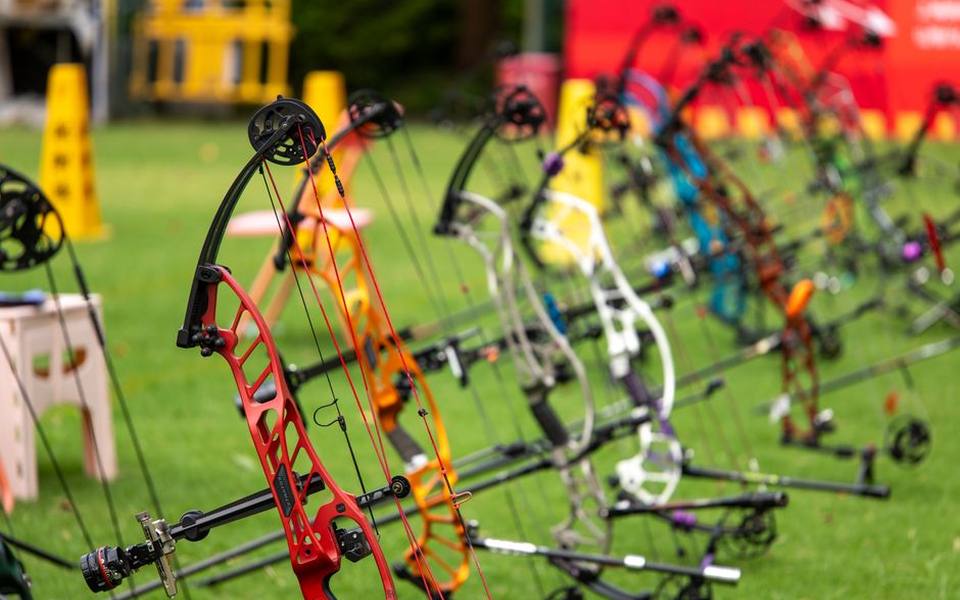
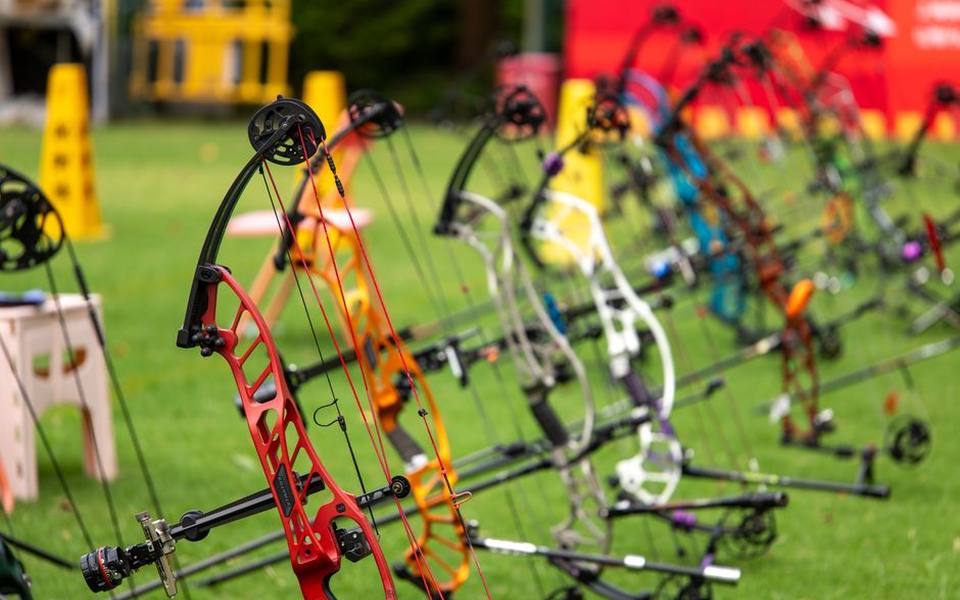
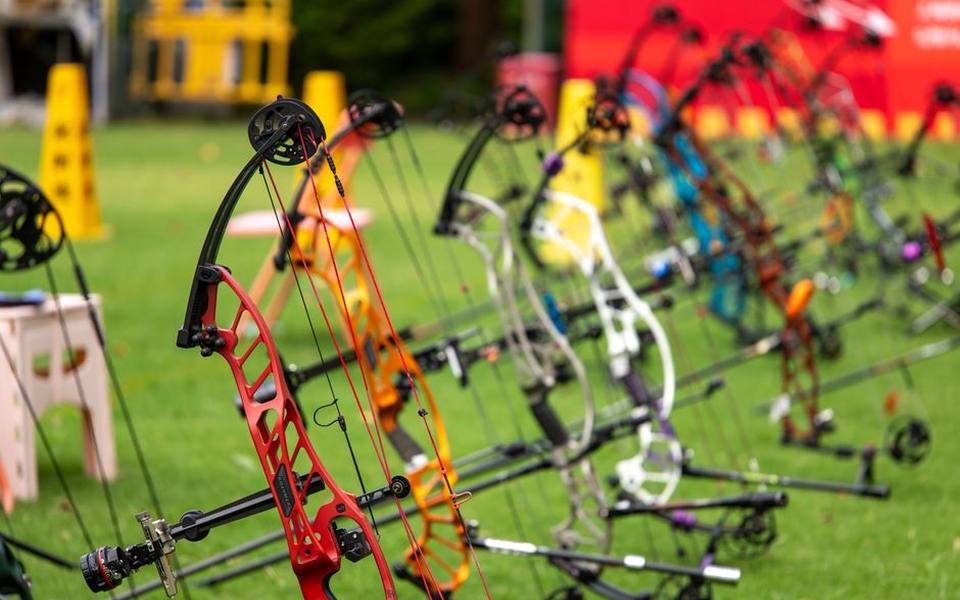
Cam design is the defining mechanical factor for compound rigs used on the water. Many specialized fishing compounds feature a zero-let-off cam profile, meaning the bow maintains its peak draw weight all the way to full draw. This design allows you to snap-shoot instantly at partial draw without needing to pull through an aggressive mechanical valley, which is invaluable when a carp surfaces for only a split second beside the boat.
Draw weight requirements on the water are much lower than most hunters anticipate. While big game hunting typically demands heavy draw weights, shooting into shallow water rarely requires more than thirty to forty pounds of draw force. Pulling fifty or sixty pounds repeatedly over an evening will exhaust your shoulder, and excessive poundage frequently buries heavy shafts so deeply into clay bottoms that points break or lines snap during retrieval.
If you decide to convert an older compound, strip off the fiber-optic sights, drop-away rests, and foam quivers. Inspect the limb pockets and axle pins for existing corrosion, and replace carbon steel mounting bolts with stainless steel hardware where possible. The goal is a clean, uncluttered riser that will not snag slack line when pointing over the gunwale.
Shooting Traditional Recurve Bows on the Water
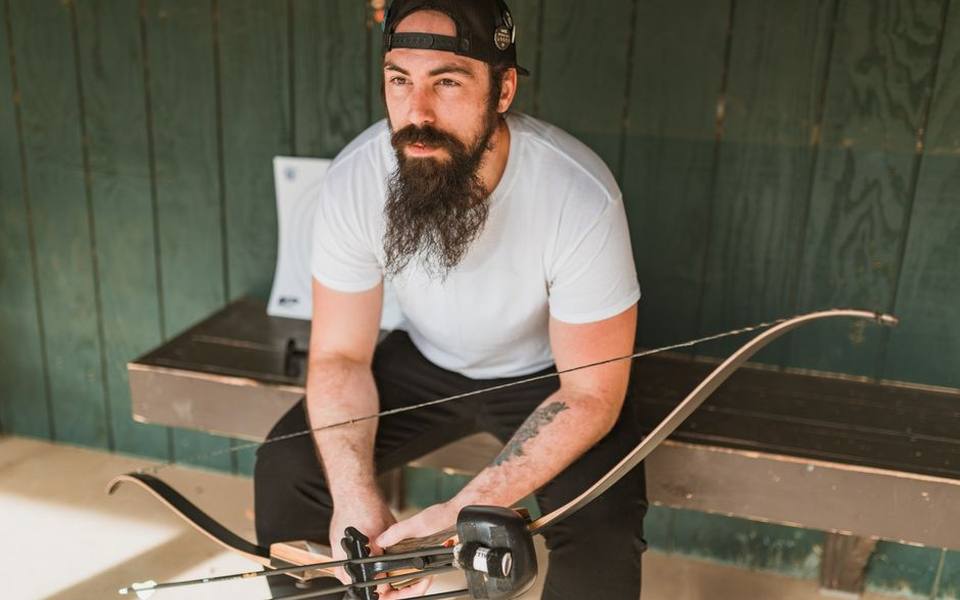
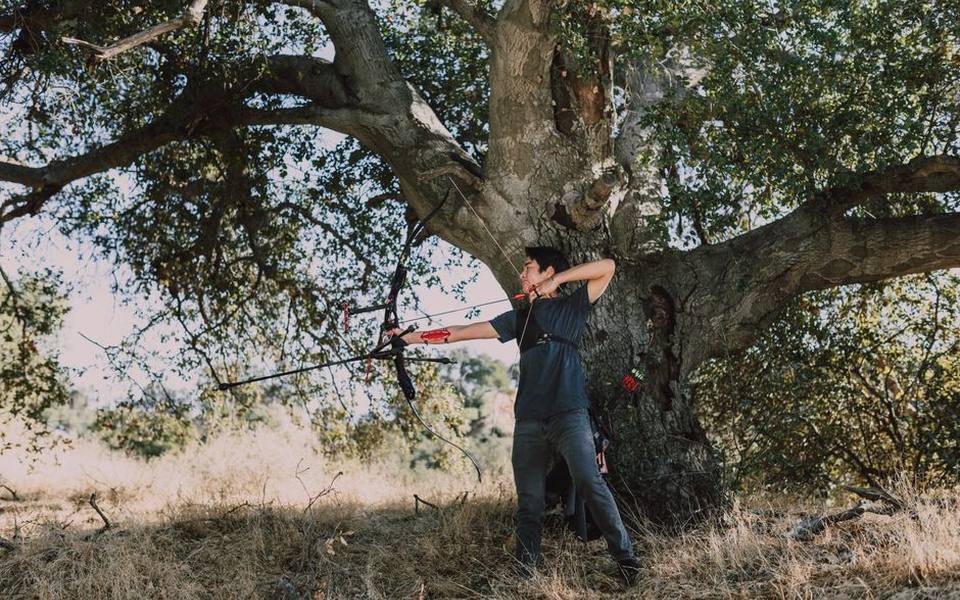
A traditional recurve offers an instinctive, fast-handling platform that many experienced shooters prefer over complex compound systems. With no cams, cables, or timing adjustments to worry about, recurves perform reliably in muddy shallows and salt marshes where silt destroys moving mechanical parts. If you drop a laminated recurve in the mud, you can simply rinse it off in the water and keep shooting.
The primary performance advantage of a recurve is snap-shooting capability. Fish rarely hold still while an archer finds an anchor point, settles a sight pin, and slowly squeezes a mechanical release. Recurves allow you to draw, acquire your lead through natural hand-eye coordination, and release in one fluid motion. Many archers find this instinctive method far more productive than hunting through a peep sight.
Shorter recurve lengths, typically around fifty-two to fifty-eight inches, handle best in the cramped quarters of a boat deck or amid thick shoreline brush. Takedown recurves with composite or metal risers are especially practical because they allow you to bolt reel seats directly into standard stabilizer or sight bushings, while also making limb replacements inexpensive if one gets stepped on during a chaotic landing.
The trade-off comes down to sustained draw effort and boat clearance. Holding full draw on a recurve requires holding the entire weight on your fingers, which makes waiting out a slow-moving gar difficult. Additionally, long recurve limbs can clip trolling motors, handrails, or overhanging cypress limbs if you are not mindful of your spatial clearance.
Comparing Reel Systems: Hand-Wrap, Spincast, and Bottle Retrievers
The reel is the mechanical heart of any fishing setup, and selecting the right style dictates your shooting cadence, maintenance needs, and overall safety. The three standard reel categories are drum hand-wraps, heavy spincast reels, and bottle-style retrieval systems. Each design serves distinct fishing styles, from casual shoreline bank shooting to intense nighttime tournament action where hundreds of shots are taken each night.
Hand-wrap drums represent the simplest, most economical entry point into the sport. These plastic or aluminum spools screw into the stabilizer bushing, requiring the archer to wind the line back on by hand after every shot. While they are practically indestructible and cannot mechanically jam, their slow retrieval rate makes chasing down wounded fish or making fast follow-up shots frustrating on active waters.
Bottle-style retrievers feed loose braided line into an open container mounted on the riser, pulling line directly out without any internal spooling drag. A manual lever pinches the line against a rubber drive wheel when you turn the handle to bring the arrow back. Because there is no mechanical bail or push-button to engage, bottle reels eliminate the risk of shooting against a locked spool, making them exceptionally safe for beginners.
Heavy-duty spincast setups, adapted with reinforced gears and heavy line pick-up pins, offer the fastest retrieve speeds on the market. They allow rapid arrow recovery, which is critical when schooling fish surround the boat. However, they demand strict muscle memory: you must depress the release button before every single draw. Forgetting to click the button locks the line, causing the arrow to violently rebound backward.
Choosing Between All-in-One Starter Kits and Custom Builds
For archers looking to enter the water without piecing individual components together, ready-to-shoot starter packages provide an easy, cohesive starting point. These kits typically package a mid-weight recurve or constant-draw compound with a bottle reel or spincast system, a durable roller rest, and one or two rigged fiberglass arrows. Everything comes sized to fit together straight out of the box.
Starter packages remove the guesswork of thread pitches, reel seat adapters, and line clearances. Manufacturers configure the included accessories to balance well on the riser, ensuring that the heavy weight of a loaded reel does not excessively cant the bow in your hand. For beginners testing their interest before investing heavily, these packages deliver functional reliability at an approachable cost.
As your experience grows, custom rigging becomes appealing for fine-tuning bow balance, arrow flight, and shot speed. Experienced shooters often visit an archery pro shop to source bare risers, aftermarket reel extensions, customized finger protection, and specialty points tailored to specific target species. Building your own setup lets you match every component directly to your local waterways and preferred shooting platform.
The primary downside of budget kits lies in secondary components like arrow points and rests. Factory-packaged kits often include basic wire-barb tips or lightweight rests that wear quickly against abrasive fiberglass shafts. Even if you begin with a factory kit, upgrading the arrow point, line guide, and string nocking points will quickly improve your field performance.
Selecting Arrows, Point Configurations, and Shaft Materials
Water resistance places massive structural stress on arrows, rendering standard hollow hunting shafts useless. Bowfishing shafts are solid, dense rods manufactured from fiberglass, carbon-infused fiberglass, or solid composite materials. Their heavy mass is intentional; dense arrows retain kinetic energy as they punch through surface tension, maintaining penetration depth through three or four feet of heavy water to reach fish.
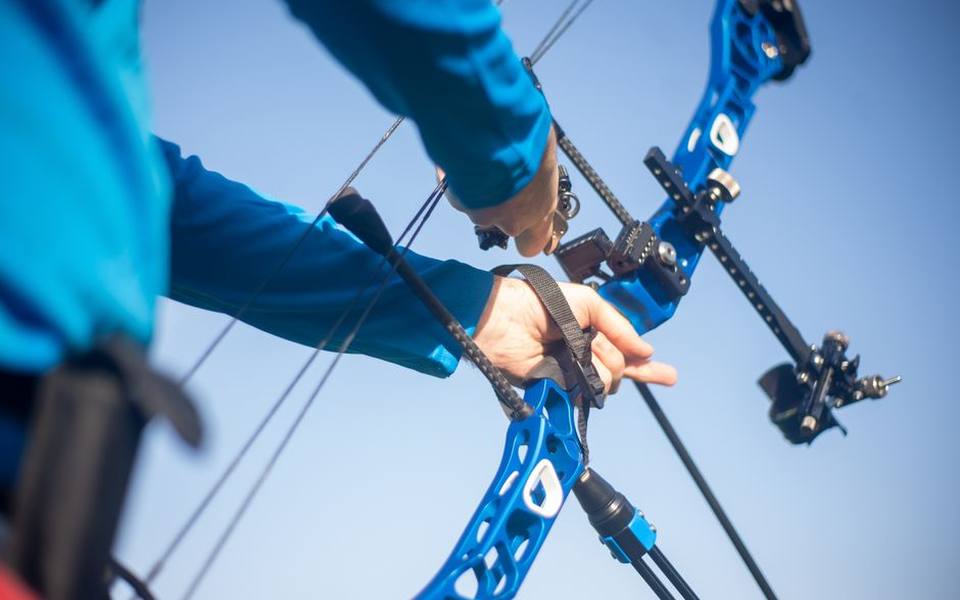
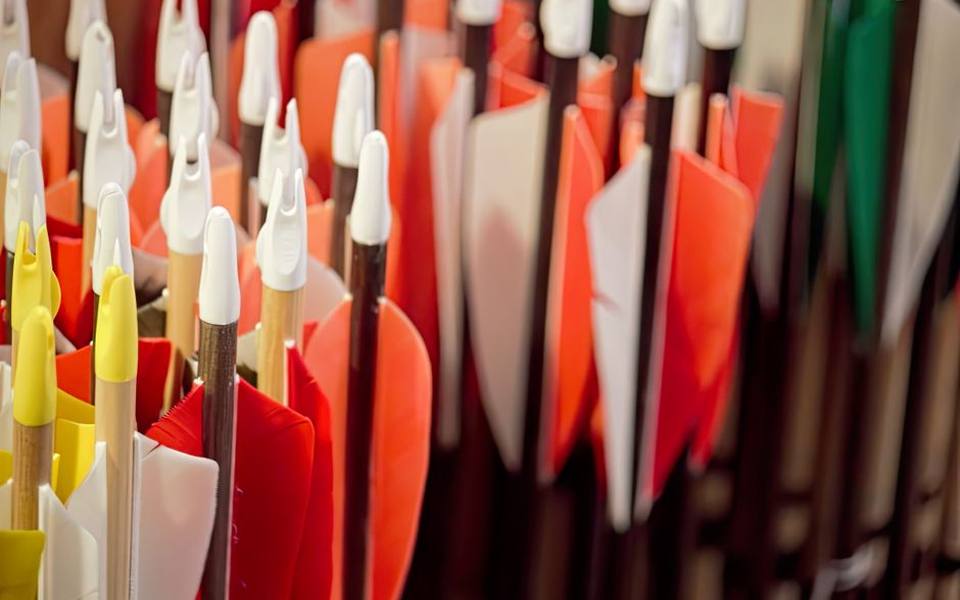
Fletchings are completely absent on fishing arrows. Plastic vanes or natural feathers act as rudders when hitting water, violently deflecting the arrow off course. Because shooting distances are so short, the natural drag of the trailing line behind the nock stabilizes the shaft in flight far more cleanly than aerodynamic fletchings ever could.
Point selection depends entirely on the size of the target fish and the bottom composition of your local waterway. Quick-release wire barbs are ideal for soft-fleshed fish like common carp, enabling fast removal by unscrewing the tip a few turns to fold the barbs forward. Heavily scaled species like gar demand chisel-style points or mechanical grapple barbs designed to penetrate thick armor without bending.
Pay close attention to tip replacement designs when shooting over rocky beds or riprap shorelines. Screwing a hardened steel replacement tip onto a threaded ferrule allows you to sharpen or replace blunted points in seconds. Points molded directly into the shaft force you to replace the entire arrow once the cutting edges dull against underwater granite or concrete barriers.
Line Selection and the Critical Function of Safety Slides
Line selection directly affects both shooting accuracy and safety. Most rigs run braided Spectra, Dacron, or ultra-high-molecular-weight polyethylene line ranging from one hundred fifty to four hundred pounds in tensile strength. Lighter lines fly faster and cut deeper through water with less trajectory drop, while heavier lines resist abrasion against underwater timber, rocks, and sharp gar scales.
The most hazardous event in bowfishing is an arrow snap-back, which happens when loose line tangles around the bowstring, arrow rest, or riser during release. When the string accelerates forward, the snagged line abruptly arrests the arrow mid-flight, causing the heavy shaft to pivot violently on the taut tether and rebound directly backward toward the shooter's face.
Safety slide systems are the universal standard for preventing snap-back accidents. A safety slide is a small, durable plastic sleeve that glides along the arrow shaft, trapped between the nock and a stop screw near the front. The shooting line is tied exclusively to this slide. When you draw the bow, the slide rests near the tip, keeping all slack line positioned safely in front of the riser.
Upon release, the arrow accelerates forward through the slide until the stop screw catches the collar near the nock, towing the line safely behind the shaft. Tying fishing line directly to the back of an arrow without a slide system is dangerous practice that should never be used, regardless of your reel style or experience level.
Rests, Sights, and Overcoming Water Refraction
Setting up your sight picture and arrow support requires adapting to light physics. Light bends when entering water, making submerged fish appear significantly higher and closer than their true physical position. To hit a fish, you must aim well below what your eyes perceive. The deeper the fish sits in the water column, the lower you must aim below its visible silhouette.
Because refraction angles change constantly based on water depth and distance, fixed sight pins are generally impractical. Most bowfishermen shoot barebow, aiming instinctively down the shaft or referencing the riser shelf. Practicing on underwater targets submerged in clear shallows helps build the intuitive sight picture needed to automatically compensate for refraction without overthinking the shot.
Arrow rests must be sturdy enough to carry shafts weighing upwards of fifteen hundred grains without deflecting. Roller rests featuring a spinning brass or polymer wheel are widely popular because they support the heavy shaft smoothly and allow free line passage. Full-containment bristle rests designed specifically for thick fishing shafts also work well to keep arrows securely positioned during fast boat movements.
Ditch your mechanical release aid and shoot with your fingers on the string. Wet hands, slimy fish, and fast shooting make small release triggers cumbersome and easy to drop overboard. Installing soft silicon finger savers directly onto the bowstring cushions your fingers against repetitive draw cycles while providing a clean, consistent slip even when soaked with muddy water.
Tuning Setups for Regional Waters and Night Conditions
A setup tuned for shallow weed flats will perform poorly in deep, fast-flowing tailwaters. In shallow marshlands across southern states like Texas, where targets sit in mere inches of water, lighter poundage and lighter arrows prevent your gear from sinking hopelessly into soft silt. Conversely, shooting deep channels in northern states like Wisconsin requires maximum arrow mass to punch through heavy current.
Night shooting introduces additional equipment demands. Rigging halogen, metal halide, or high-output LED floodlights around the deck rail of a boat illuminates the water column, cutting through surface glare that blinds daylight shooters. These light systems require onboard generator power or deep-cycle battery banks, making clean bow rigging even more critical to prevent snagging on light brackets or wiring runs.
Water clarity dictates your effective range and setup tuning. In silty or stained waters, shots occur within arm's reach of the boat, favoring shorter, fast-pointing bows. In crystal-clear spring-fed rivers, fish spot boat hulls easily and spook early, demanding longer shots, slightly heavier draw weights, and thinner braided lines to minimize trajectory arc over distance.
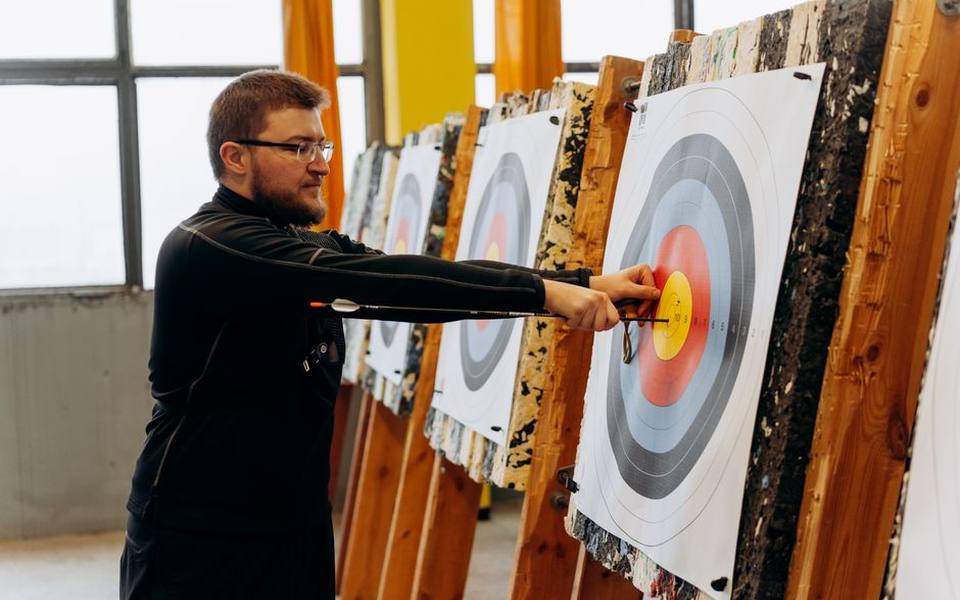
Before taking your rig onto public waters, spend time tuning arrow flight and developing your grip at established facilities. Shooting baseline patterns at local indoor archery ranges confirms your rest alignment and nocking point squareness, while booking time through archery ranges offering lessons can help refine your instinctive shooting form under the guidance of experienced instructors.
Post-Trip Maintenance and Equipment Preservation
Water, mud, and organic debris will rapidly destroy expensive gear if you pack your bow away wet inside a zippered case. At the conclusion of every trip, thoroughly hose down your bow, reel, and arrows with clean, fresh tap water. Rinsing removes corrosive mineral salts, abrasive river silt, and dried slime from limb pockets, axle bushings, and reel housings.
Pay special attention to your braided line after heavy shooting. Pull forty or fifty yards of line off the spool or out of the retriever bottle and allow it to dry completely in the open air. Storing line tightly packed and soaking wet inside a closed container fosters mold growth, weakens fiber tensile strength, and causes internal line coils to bind during subsequent outings.
Disassemble your spincast reel covers periodically to flush out fine grit from the gears and pickup pins. Lightly coat exposed metal fasteners, cam axles, and arrow release mechanisms with a non-gumming marine corrosion inhibitor. Check your arrows for micro-fractures along the fiberglass shaft, and ensure safety slides still travel smoothly from nock to stop-screw without hanging up.
Published 2026-09-21 · reviewed with each rebuild, last October 2026.
Find archery ranges & sports shops near you
The directory lists 38,975 archery ranges & sports shops by state and city — pick your state or use the “Near me” button in the header.
More guides
-
 Money
MoneyA Guide to Archery Range Fees and Lesson Costs
-
 Buying
Choosing Broadheads and Aiming for the Perfect Shot
-
 Service
DIY Bow Maintenance, Tuning, and Basic Repairs
-
 Buying
Choosing Sights and Rangefinders for Better Accuracy
-
 Buying
Essential Gear for Target Practice and Bowhunting Preparation
-
 Money
MoneyUnderstanding Bow Purchase and Restringing Costs: A Complete Pricing Guide
-
 Owning
Arrow Selection, Cutting, and Fletching at Home: A Complete Guide
-
 Safety
Bowhunting Shot Placement Guide for Deer and Turkey
-
 Buying
Complete Guide to Choosing the Best Crossbow Broadheads
-
 Money
MoneyHow Much Does Archery Cost? A Realistic Beginner Budget
-
 Buying
Choosing the Right Arrows and Field Points: Shaft Materials, Weights, and Tuning
-
 Buying
Best Archery Sets for Beginners: Complete Buyer Guide and Starter Tips
-
 Owning
Best Archery Targets and Backstops: 3D, Foam, Bag, and DIY Setup Guide
-
 Buying
Beginner Archery Buying Guide: Recurve, Compound, and Traditional Bows
-
 Owning
Lighted Nocks and DIY Arrow Building: Fletching, Cutting, and Tuning
-
 Buying
Crossbow Bolts, Broadheads, and Cocking Devices: Complete Buyer's Guide
-
 Buying
Complete Arrow Selection Guide: Carbon Shafts, Spine, Length, and Brands
-
 Safety
Archery Protective Gear: Arm Guards, Chest Protectors, Tabs, and Slings
-
 Buying
Archery Quivers Buying Guide: Hip, Back, and Bow-Mounted Options
-
 Buying
Bow Release Aids Explained: Wrist Strap, Thumb Button, and Hinge Releases
-
 Owning
Compound Bow Tuning and Care: Strings, Wax, Stabilizers, and Cases
-
 Buying
Arrow Rests Compared: Whisker Biscuit, Cable-Driven, and Limb-Driven
-
 Safety
Archery Lessons, Proper Form, Range Etiquette, and Youth Programs
-
 Owning
Complete Guide to Single Pin Bow Sights and Sight Tapes
-
 Owning
Arrow Selection and DIY Arrow Building: Shafts, Fletching, and Tools
-
 Owning
Finding Archery Ranges, Pro Shops, Clubs, and Instructor Programs
-
 Buying
Best Hunting Broadheads: Fixed Blade vs Mechanical Broadheads
-
 Buying
Archery Targets Guide: 3D Targets, Bags, Blocks, and DIY Backstops
-
 Buying
Archery Quivers Guide: Bow-Mounted, Hip, Back, and Crossbow Quivers
-
 Service
Bow Tuning and Setup: Paper Tuning, Arrow Rests, and Bow Maintenance
-
 Buying
Bowfishing Gear Guide: Bows, Rigs, Arrows, and Setup Options
-
 Owning
Essential Archery Accessories: Lighted Nocks, Arrow Pullers, and Arm Guards
-
 Buying
Archery Release Aids Guide: Thumb, Hinge, Wrist, and Mechanical Releases
-
 Buying
Essential Bowhunting Gear, Deer Supplies, and Gift Guide
-
 Buying
Crossbow Buying Guide: Matching Platforms, Bolts, Optics, and Fletching
-
 Buying
Beginner Bow & Arrow Starter Kits: How to Choose Your First Setup
-
 Owning
Traditional Archery, Longbows, and Primitive Gear
-
 Buying
Deer Hunting Bows: Comparing Recurve and Compound Setups, Finding Deals, and Studying Hunting Film
-
 Buying
Compound Bow Setup, Tuning, Form, and Equipment Guide
-
 Owning
Compound Bow Release Aids and Grip Tape: Enhancing Control and Consistency
-
 Service
Crossbow Maintenance: String Replacement and Scope Sighting Guide
-
 Owning
Broken Bow Cabin Rentals: Complete Beavers Bend Vacation Guide
-
 Safety
Broken Bow Lake Rentals: Complete Guide to Boats, ATVs, and Trail Gear