Matching Target Types to Your Bow and Arrow Setup
Choosing an archery target begins with understanding the kinetic energy of your bow and the types of points you plan to shoot. Modern compound bows, high-speed recurves, and crossbows deliver massive stopping challenges that easily punch through inadequate materials. Before spending money, consider whether you need a stationary target for backyard sight-in work, a portable block for tuning broadheads, or an anatomical animal model to prepare for hunting season. A misjudged target either damages your expensive carbon arrows through severe friction welding or lets them blast straight through into the dirt.
Draw weight and arrow velocity dictate internal stopping density. A low-poundage youth bow or traditional longbow requires softer internal packing so arrows penetrate cleanly without bouncing off the face. Conversely, modern hunting rigs sending arrows at three hundred feet per second need layered self-healing foam or compressed synthetic fibers. Shooting field tips into a target designed only for broadheads will wear out your grip pulling arrows, while shooting razor broadheads into a standard fabric bag will ruin the woven cover within a dozen shots.
Your available shooting space also plays an enormous role in what target makes sense. In tight suburban backyards, arrow retention is a critical safety consideration, meaning the target must perform reliably alongside a substantial barrier. At open clubs or rural properties, archers frequently combine long-range bag stations with walking trails featuring variable shooting angles. Taking time to evaluate your shooting discipline prevents buyer remorse and protects both your arrows and your surroundings from avoidable damage.
Bag Targets and Crossbow Shooting Requirements
Bag targets remain the most popular choice for repetitive practice with field points because they offer unmatched durability and effortless arrow extraction. High-density models like the classic Morrell Yellow Jacket and Yellow Jacket Supreme series rely on multiple internal layers of tightly packed synthetic materials wrapped in a durable, weatherproof polypropylene outer shell. These designs absorb the energy of an incoming field point through friction rather than cutting, allowing archers to loose thousands of arrows into the center without destroying the integrity of the target face.
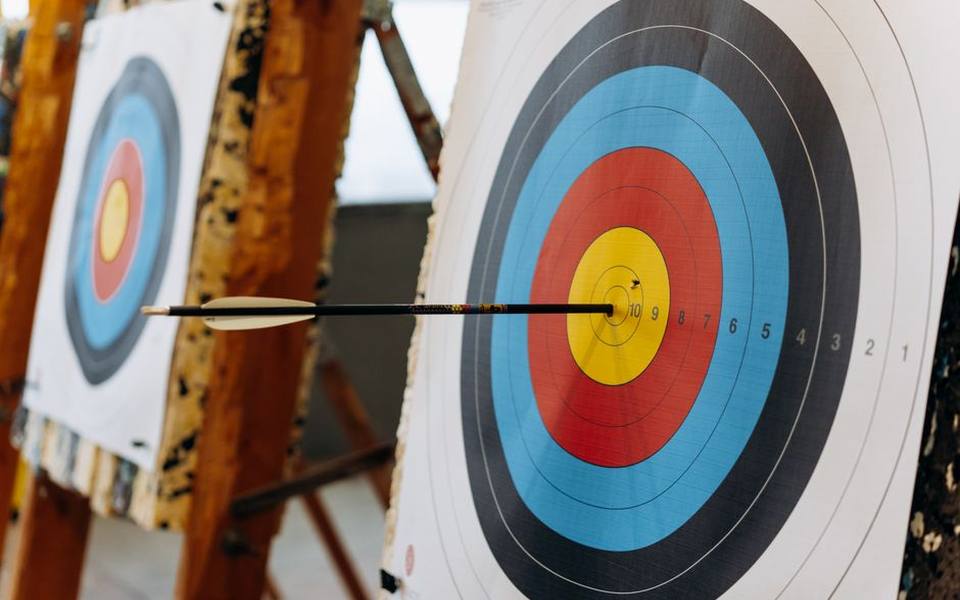
Shooting a modern crossbow requires a dedicated crossbow target bag rated for extreme speeds. Crossbow bolts pack tremendous kinetic energy over a shorter shaft length, and standard archery bags often allow deep penetration that buries the fletching or passes through entirely. A heavy-duty crossbow bag features reinforced interior core baffles that arrest high-velocity bolts within a few inches. If you are uncertain whether your local setup can handle high-poundage bows, checking with a local pro shop can clarify velocity ratings before you purchase.
The primary limitation of bag targets is their strict field-point-only rule. Never shoot hunting broadheads or mechanical practice blades into a woven bag target. The blades slice through internal fiber matrices, reducing the filling to loose threads and permanently destroying the bag's ability to create stopping friction. For archers who only practice in their yard with target points, a heavy bag suspended from a wooden frame delivers the longest service life and lowest cost per shot of any target style on the market.
Proper maintenance also extends the working life of a bag target significantly. Moisture can seep into internal fabric layers if the target sits directly on damp grass, causing uneven core compaction and premature rotting. Hanging the bag or mounting it on a raised stand keeps the bottom dry. Furthermore, rotating the target regularly and aiming at varied printed spots across the face prevents you from creating a single soft center tunnel that eventually lets arrows pass through.
Layered Foam Target Blocks for Field Points and Broadheads
An arrow target block built from dense, layered foam is the gold standard for archers who need all-around versatility. Unlike woven bags, high-grade foam blocks can safely stop both field tips and razor-sharp broadheads. Layered designs consist of dozens of thin foam sheets compressed together under high tension, while solid poured models use specialized polyurethane foam that self-heals as the point is extracted. This flexibility makes a compact foam block indispensable when broadhead tuning your hunting rig before opening day.
Broadheads stop differently than field points inside layered foam. The razor edges slice cleanly between the horizontal sheets or cut microscopic slits into molded foam walls. Because broadheads cut the stopping medium, repeated shooting in the exact same spot will eventually hollow out the target core. To maximize target life, archers should practice primarily with field points and use broadheads only for final sight verification and broadhead flight tuning. Keeping broadhead blades sharp also ensures they cut cleanly rather than gouging out large foam chunks.
Arrow retrieval from layered blocks can occasionally require substantial physical effort, particularly with thin carbon shafts fired from fast hunting bows. High-friction foam can generate intense heat upon arrow entry, temporarily bonding outer carbon resin to the foam surface. Using an arrow puller grip or applying a silicone-based arrow release fluid to the front third of the arrow shaft makes removal effortless. Never wiggle carbon arrows up and down to break them loose, as lateral force can easily snap the shaft or crack internal fibers.
Realistic 3D Animal Targets for Practical Field Simulation
Practicing on a three-dimensional foam animal target provides visual conditioning that two-dimensional paper faces and printed dots simply cannot replicate. 3D models force the archer to evaluate animal anatomy, skeletal structure, and third-axis angles from elevated tree stands or ground blinds. Popular whitetail models, including premium GlenDel 3D targets like the full-sized GlenDel Full Rut buck, duplicate the exact physical dimensions, shoulder muscle contours, and realistic vitals of mature deer, teaching shooters to pick an exit spot rather than focusing merely on an entry dot.
The most critical feature of any quality 3D animal target is a replaceable foam core insert. Because the vital chest cavity receives the vast majority of impacts, shooting a solid one-piece deer target quickly ruins the entire investment once the chest softens. Multi-sided rotating core inserts allow you to spin the core to fresh foam surfaces and replace just the central insert when it finally wears out. This modular approach keeps the outer head, legs, and body structure intact for many years of routine practice.
While 3D figures excel at hunting preparation, they require responsible shot placement to preserve their lifespan. Marginal hits that strike the rigid structural legs or neck area will quickly chew away outer foam and can bend or splinter arrows on internal mounting pipes. If you are preparing for an upcoming season or want to experience lifelike target sequences across varied terrain, spending an afternoon on an established outdoor 3D archery course gives you realistic practice without needing to purchase an entire private herd.
Big Game Practice and Giant Foam Targets
Preparing for western big game hunts presents distinct challenges that standard whitetail targets cannot address. A life-sized 3D elk target features an immense chest cavity, broad shoulder mass, and a much taller profile that alters your depth perception at extended ranges. Standing forty or sixty yards away from a full-scale bull elk replica looks dramatically different through a bow sight than viewing a standard whitetail buck at the same distance, helping archers avoid range-estimation errors in open country.
Large game foam targets represent a substantial physical and financial commitment. Because of their scale, full-body elk models are heavy, difficult to transport, and require solid rebar stakes driven deep into the soil to prevent wind blow-over. Many hunters choose oversized modular targets where only the torso and vitals are assembled for regular range work, storing the detachable antlers and legs inside. High-density foam is critical on large targets to withstand the heavy momentum of long-range hunting shafts tipped with stiff fletching.
When investing in large big-game models, look closely at foam composition and core depth. Elk targets require deeper internal stopping matrices because archers shooting heavier arrows with higher grain-per-inch ratings generate exceptional forward momentum. A target lacking sufficient chest depth will frequently suffer passthroughs, potentially stripping vanes or cracking arrows against the rear mounting hardware. Storing these large models out of harsh summer sun during off-seasons prevents ultraviolet degradation and foam crumbling.
Understanding 3D Archery Scoring and Vital Rings
Competitive 3D archery uses standardized anatomical vital zones engraved into the foam to reward precision shooting under unknown-distance conditions. While target manufacturers follow similar core placements, scoring rules vary depending on the governing organization. The two primary formats across North America are the Archery Shooting Association (ASA) and the International Bowhunting Organization (IBO). Both systems evaluate shot placement on a graduated point scale based on how close the arrow lands to the center of the animal's heart and lungs.
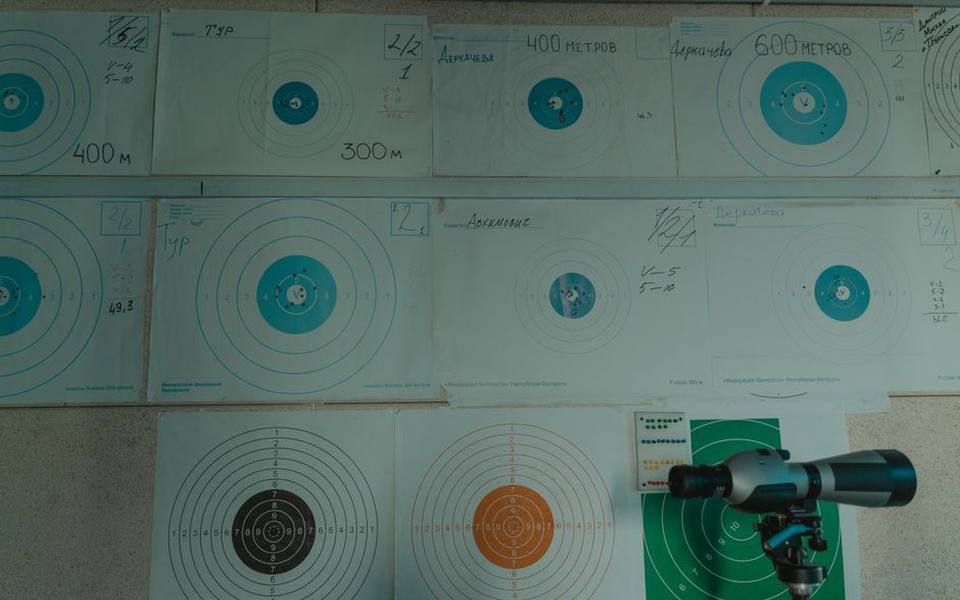
In typical ASA tournaments, targets feature distinct circular rings within the lung area. The largest vital circle scores eight points, an inner ring yields ten points, and tiny upper and lower bonus rings award twelve points. In certain sudden-death formats or professional shoot-offs, a tiny centered dot can even yield fourteen points. In contrast, IBO scoring typically features a central circle scoring eleven points within the ten-point vital contour, with eight points for the larger lung area and five points for any arrow touching the target's scored body line.
Understanding 3D archery scoring transforms routine backyard shooting into an engaging mental exercise. Rather than merely aiming for the middle of the silhouette, you learn to track where an arrow cuts the thin molded scoring line on the foam surface. Under competitive rules, an arrow shaft only needs to break or touch the line to be awarded the higher point value. Practicing with these scoring rings builds immense discipline, teaching you to calculate whether aiming for a high-risk bonus ring is worth the penalty of slipping into the five-point body zone.
Youth Equipment, Foam Bows, and NASP Standard Targets
Introducing children to archery requires equipment calibrated to their physical strength and developmental stage. Very young archers typically begin with lightweight recreational foam bow and arrow sets featuring soft suction or oversized foam tips. These toy systems eliminate puncture risks and teach fundamental motor skills, stance, and drawing mechanics inside living rooms or small yards. However, once a young archer transitions to a real fiberglass recurve or youth compound bow, soft toy targets must immediately be replaced with proper density foam.
In school programs across the country, millions of students shoot under the National Archery in the Schools Program (NASP). NASP targets adhere to strict specifications to ensure fair competition and long-lasting safety. While paper bullseye faces mounted on dense foam butts remain the standard for gymnasium tournaments, official NASP 3D targets bring excitement to specialized youth leagues. These targets include specific youth-scale 3D models like turkeys, wild boars, and whitetail deer calibrated to stop lower-poundage arrows cleanly.
Youth targets must strike a careful balance between safety and ease of use. A standard high-poundage adult block target will often bounce arrows shot from a ten-to-fifteen-pound youth bow, leading to bent arrow shafts or unpredictable deflections. Dedicated youth foam targets use softer, more pliable foam formulas that reliably stop lightweight arrows while allowing young shooters to pull their own arrows without adult assistance. If your child is showing real interest, enrolling them in structured archery lessons builds safety habits that last a lifetime.
Why Cheap Styrofoam Targets Fail Under Real Bows
Budget-conscious beginners often wonder if inexpensive white styrofoam sheets from home improvement stores can serve as DIY archery targets. The short answer is an emphatic no. Expanded polystyrene (standard white styrofoam) consists of expanded plastic beads fused together with steam. It possesses virtually no tensile strength, zero elastomeric recovery, and very low density. Firing an arrow from any real compound or recurve bow into styrofoam results in immediate catastrophic failure.
When an arrow strikes styrofoam, the material shatters into millions of static-charged foam particles rather than absorbing energy through friction. The arrow punches completely through without slowing down significantly, leaving behind a jagged hole that never closes. The unrestrained shaft will strike whatever lies behind the target, frequently snapping carbon tubes or ricocheting off hard surfaces. Furthermore, cleaning broken foam crumbs out of your yard or garden is an environmental nightmare.
Quality commercial targets rely on high-grade cross-linked polyethylene or molded polyurethane foams. These engineered elastomers stretch as the arrow enters, applying steady frictional pressure around the shaft perimeter to absorb energy smoothly without shattering. When the arrow is removed, the cellular structure relaxes back toward its original shape, closing the puncture wound. Attempting to save money on hardware-store insulation foam is dangerous, creates immense mess, and invariably ends with damaged arrows and disappointed shooters.
Building a Reliable Arrow Backstop for Backyard Safety
No matter how confident you are at twenty or thirty yards, every archer eventually encounters an equipment malfunction, a slipped release aid, or an accidental flinch. A dependable arrow backstop behind your primary target is an absolute necessity for any residential or outdoor range setup. A properly constructed backstop catches stray arrows cleanly, preventing them from flying into neighboring properties, hitting pets, or shattering against concrete foundation walls and wooden privacy fences.

One of the most effective and affordable DIY materials for backstops is heavy-duty rubber horse stall mats, commonly available at agricultural supply stores. These three-quarter-inch thick vulcanized rubber mats are virtually indestructible and readily absorb the impact of field points from heavy hunting bows. The critical installation secret is to hang the mat loosely from a crossbeam like a heavy curtain rather than fastening it rigid against a solid wall. A freely hanging mat swings backward upon impact, absorbing arrow kinetic energy gradually.
Archers can also purchase commercial woven nylon backstop netting specifically rated for archery use. Similar to rubber mats, netting must hang loosely with plenty of slack folds to billow and catch the arrow gently. Leave at least two to three feet of clearance between the backstop and any solid structure behind it. Never use standard blue tarps, plywood sheets, or thin landscaping fabric as backstops; high-speed carbon arrows slice through thin fabrics effortlessly and can shatter violently when impacting rigid plywood.
Target Longevity, Weather Protection, and Safe Rotation
Archery targets represent a meaningful investment, and how you store and treat them determines whether they last one season or five. Ultraviolet rays from direct sunlight are the single greatest enemy of synthetic foam and woven poly fabrics. Prolonged solar exposure breaks down chemical polymers, making bright foam brittle and causing outer bag coatings to flake away into powder. Storing your targets in a shed, garage, or under an opaque weather cover when not in use drastically preserves their stopping integrity.
Moisture management is equally critical for target longevity. Targets left standing outside in heavy rains soak up internal water, which accelerates mold growth on bag linings and adds substantial dead weight. In freezing winter climates, water trapped inside the cellular pores of foam targets expands as it turns to ice. This microscopic expansion fractures internal foam bonds, leaving the core permanently mushy and unable to stop arrows once thawed. Bringing targets into dry shelter during wet or sub-freezing seasons pays dividends.
Finally, practice intelligent shot rotation across the target face. Most archers naturally gravitate toward firing every arrow dead center, creating an localized soft spot that leads to passthroughs while the edges remain pristine. Aim at outer corners, pin small paper dots to different sectors, or switch to five-spot practice sheets. If bad weather or confined living arrangements make outdoor practice impossible, visiting an indoor archery range provides a climate-controlled setting with pristine commercial targets maintained to professional standards.
Published 2026-09-21 · reviewed with each rebuild, last October 2026.
Find archery ranges & sports shops near you
The directory lists 38,975 archery ranges & sports shops by state and city — pick your state or use the “Near me” button in the header.
More guides
-
 Money
MoneyA Guide to Archery Range Fees and Lesson Costs
-
 Buying
Choosing Broadheads and Aiming for the Perfect Shot
-
 Service
DIY Bow Maintenance, Tuning, and Basic Repairs
-
 Buying
Choosing Sights and Rangefinders for Better Accuracy
-
 Buying
Essential Gear for Target Practice and Bowhunting Preparation
-
 Money
MoneyUnderstanding Bow Purchase and Restringing Costs: A Complete Pricing Guide
-
 Owning
Arrow Selection, Cutting, and Fletching at Home: A Complete Guide
-
 Safety
Bowhunting Shot Placement Guide for Deer and Turkey
-
 Buying
Complete Guide to Choosing the Best Crossbow Broadheads
-
 Money
MoneyHow Much Does Archery Cost? A Realistic Beginner Budget
-
 Buying
Choosing the Right Arrows and Field Points: Shaft Materials, Weights, and Tuning
-
 Buying
Best Archery Sets for Beginners: Complete Buyer Guide and Starter Tips
-
 Owning
Best Archery Targets and Backstops: 3D, Foam, Bag, and DIY Setup Guide
-
 Buying
Beginner Archery Buying Guide: Recurve, Compound, and Traditional Bows
-
 Buying
Bowfishing Equipment Guide: Bows, Reels, Arrows, and Rigging Setups
-
 Owning
Lighted Nocks and DIY Arrow Building: Fletching, Cutting, and Tuning
-
 Buying
Crossbow Bolts, Broadheads, and Cocking Devices: Complete Buyer's Guide
-
 Buying
Complete Arrow Selection Guide: Carbon Shafts, Spine, Length, and Brands
-
 Safety
Archery Protective Gear: Arm Guards, Chest Protectors, Tabs, and Slings
-
 Buying
Archery Quivers Buying Guide: Hip, Back, and Bow-Mounted Options
-
 Buying
Bow Release Aids Explained: Wrist Strap, Thumb Button, and Hinge Releases
-
 Owning
Compound Bow Tuning and Care: Strings, Wax, Stabilizers, and Cases
-
 Buying
Arrow Rests Compared: Whisker Biscuit, Cable-Driven, and Limb-Driven
-
 Safety
Archery Lessons, Proper Form, Range Etiquette, and Youth Programs
-
 Owning
Complete Guide to Single Pin Bow Sights and Sight Tapes
-
 Owning
Arrow Selection and DIY Arrow Building: Shafts, Fletching, and Tools
-
 Owning
Finding Archery Ranges, Pro Shops, Clubs, and Instructor Programs
-
 Buying
Best Hunting Broadheads: Fixed Blade vs Mechanical Broadheads
-
 Buying
Archery Quivers Guide: Bow-Mounted, Hip, Back, and Crossbow Quivers
-
 Service
Bow Tuning and Setup: Paper Tuning, Arrow Rests, and Bow Maintenance
-
 Buying
Bowfishing Gear Guide: Bows, Rigs, Arrows, and Setup Options
-
 Owning
Essential Archery Accessories: Lighted Nocks, Arrow Pullers, and Arm Guards
-
 Buying
Archery Release Aids Guide: Thumb, Hinge, Wrist, and Mechanical Releases
-
 Buying
Essential Bowhunting Gear, Deer Supplies, and Gift Guide
-
 Buying
Crossbow Buying Guide: Matching Platforms, Bolts, Optics, and Fletching
-
 Buying
Beginner Bow & Arrow Starter Kits: How to Choose Your First Setup
-
 Owning
Traditional Archery, Longbows, and Primitive Gear
-
 Buying
Deer Hunting Bows: Comparing Recurve and Compound Setups, Finding Deals, and Studying Hunting Film
-
 Buying
Compound Bow Setup, Tuning, Form, and Equipment Guide
-
 Owning
Compound Bow Release Aids and Grip Tape: Enhancing Control and Consistency
-
 Service
Crossbow Maintenance: String Replacement and Scope Sighting Guide
-
 Owning
Broken Bow Cabin Rentals: Complete Beavers Bend Vacation Guide
-
 Safety
Broken Bow Lake Rentals: Complete Guide to Boats, ATVs, and Trail Gear