Evaluating New, Used, and Online Bow Purchases
Finding the right compound bow begins with deciding where and how to acquire your equipment. Browsing listings for a second hand compound bow for sale can yield exceptional value, but buying used requires a trained eye. You must inspect the laminated limbs closely for hairline fractures, splintering, or signs of dry firing. Strings and cables should be checked for serving separation or fraying strands around the cam tracks, as replacing a harness can add significant unexpected expense before you release your first arrow.
Online platforms present another avenue, though caution is required when browsing overseas discount marketplaces such as Shopee or unverified storefronts. Inexpensive compound bows shipped directly from overseas sellers frequently feature generic aluminum alloys, unreliable cam modules, and brittle plastic limb pockets that may not withstand regular draw stress. Furthermore, these direct-import models rarely offer reliable warranty service or replacement parts when a draw module strips or a cable guide snaps under tension.
Whenever possible, handle a bow in person before committing your funds. Checking the riser for straightness, ensuring the limb bolts turn smoothly without cross-threading, and verifying that the cam tracks have no burrs will prevent costly repairs down the road. For archers working within a fixed budget, purchasing an older flagship model from a reputable manufacturer usually offers better shootability, tighter tolerances, and safer shooting characteristics than buying an untested budget import from an overseas online store.
Building Your Essential Archery Equipment List
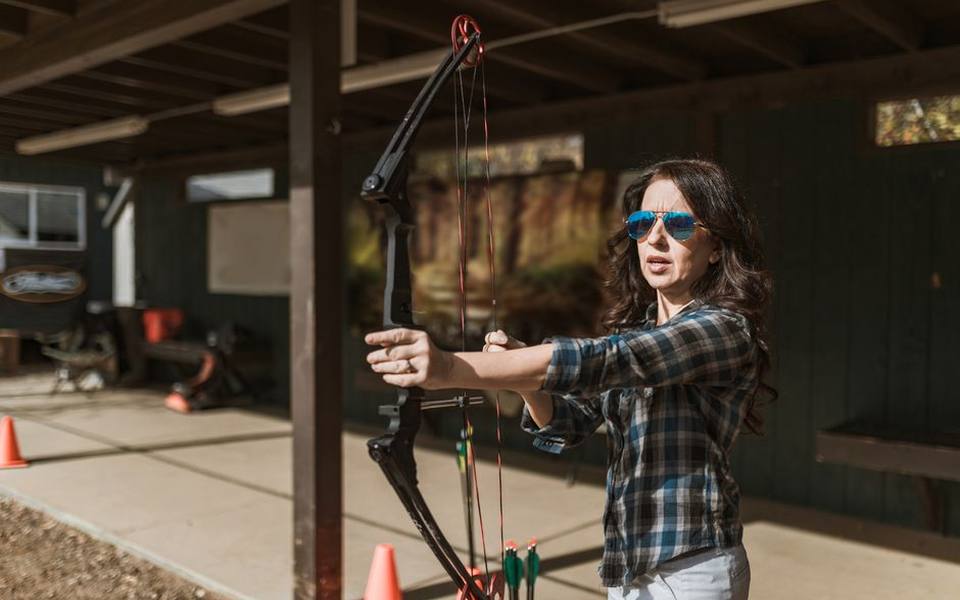
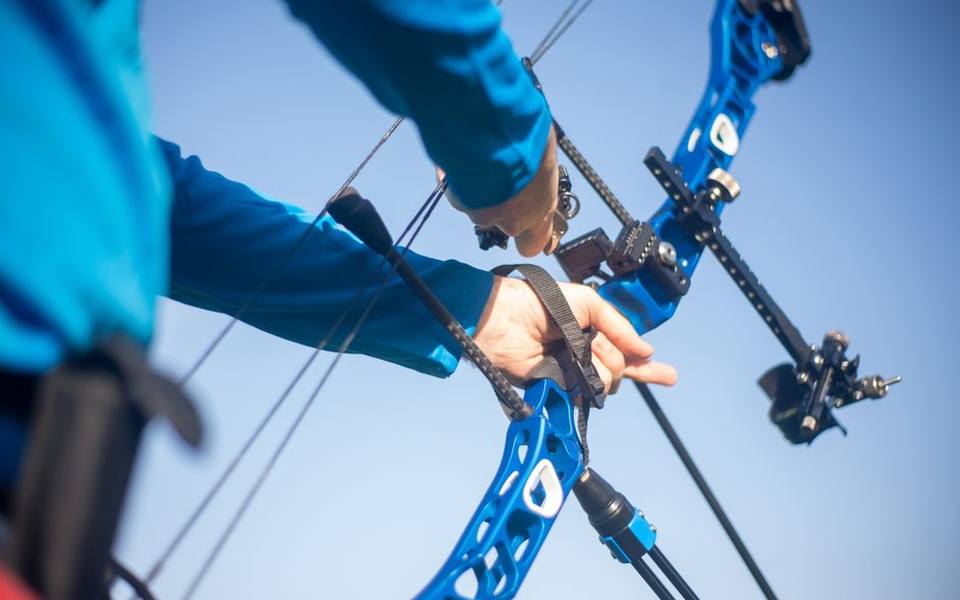
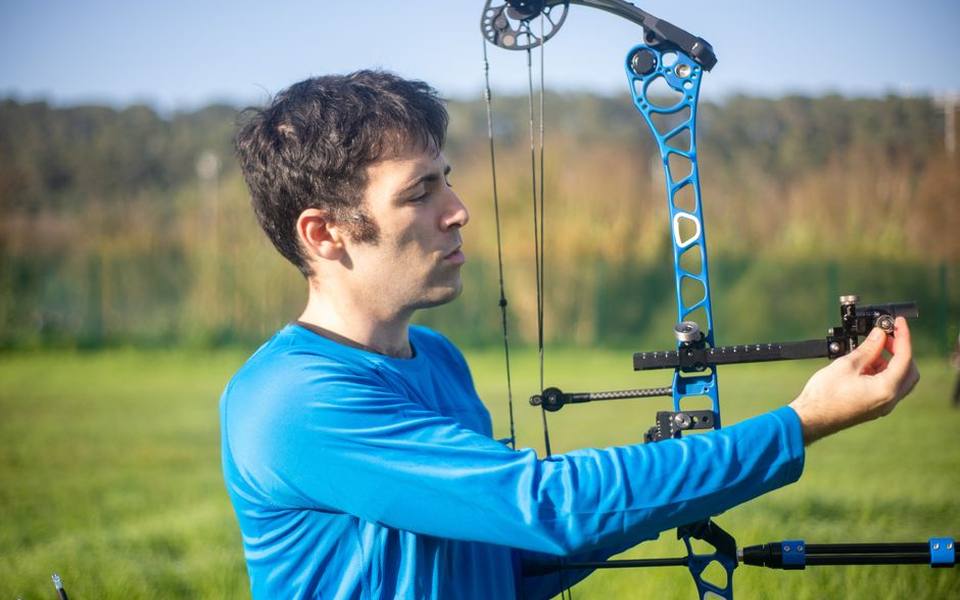
A bare compound bow cannot be shot out of the box; it relies on a coordinated ecosystem of accessories designed to guide and release the arrow cleanly. Your basic archery equipment list must include a high-quality drop-away or whisker-style arrow rest, a micro-adjustable sight, an anchor-style peep sight, and a dedicated wrist-strap or handheld release aid. Shooting a modern compound bow with fingers is unsafe and can cause the bowstring to roll violently off high-energy cam tracks at full draw.
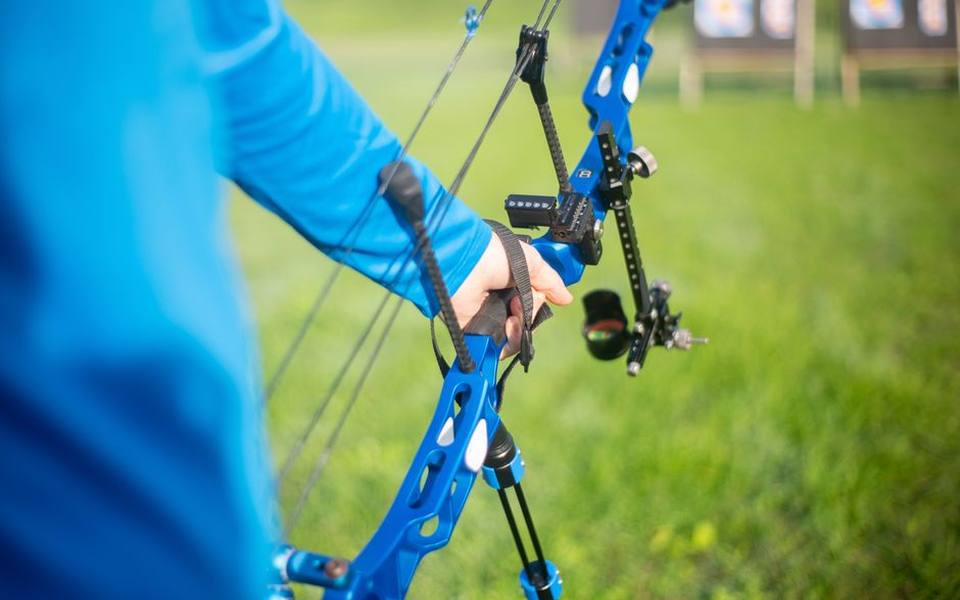
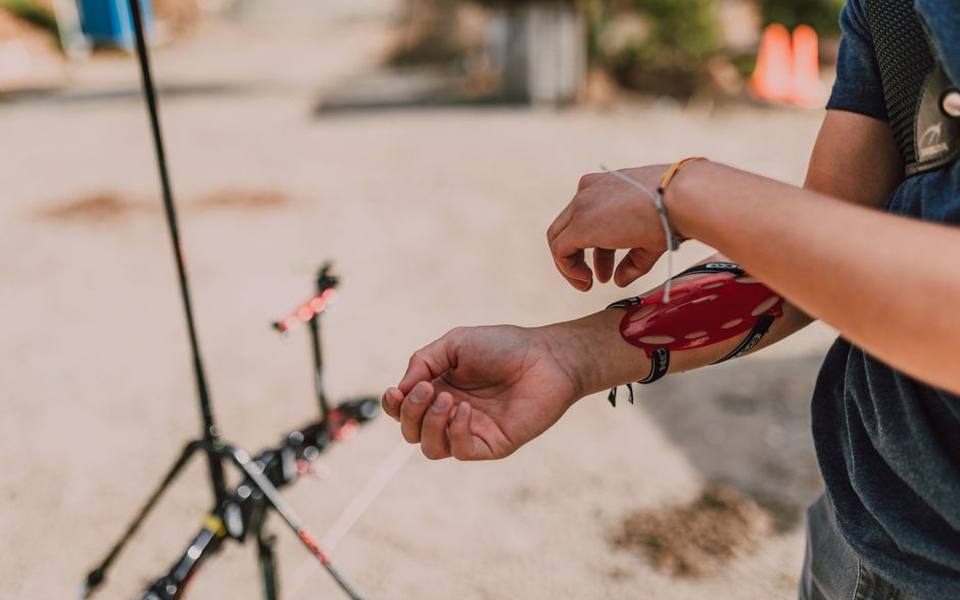
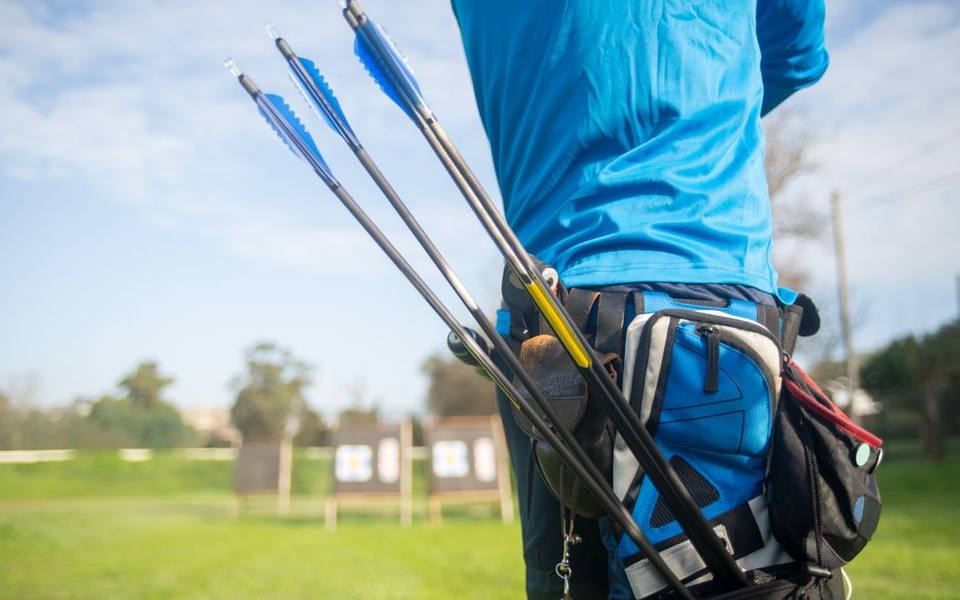
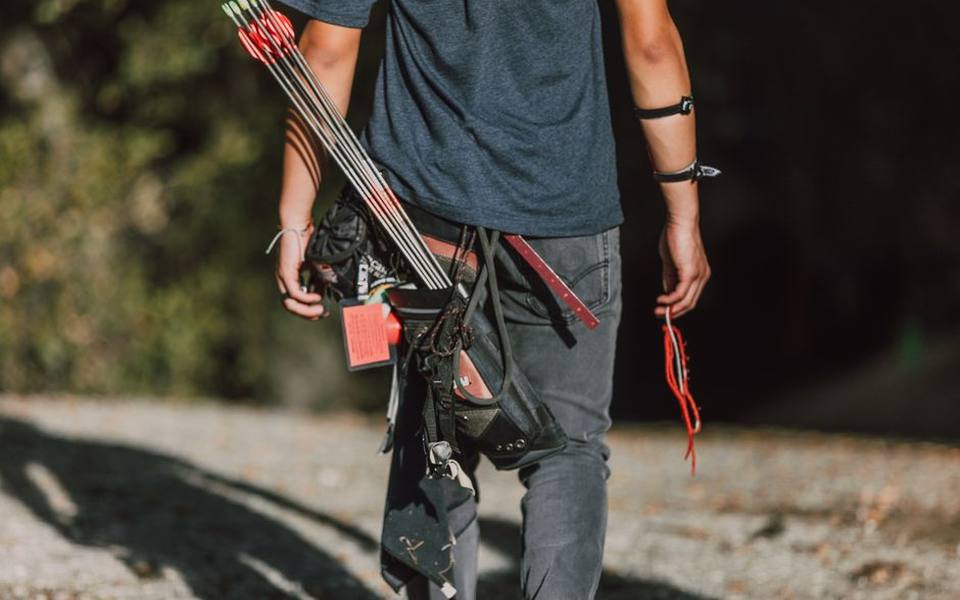
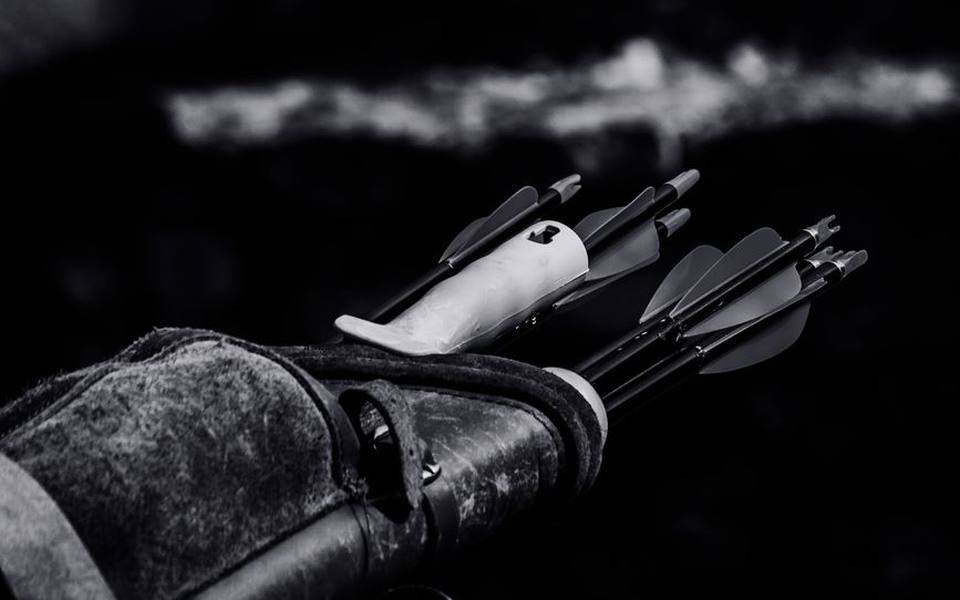
Beyond the bow itself, personal gear ensures both safety and consistent mechanics on the firing line. A fitted armguard protects your inner forearm from occasional string slap during form adjustments, while a sturdy hip quiver keeps your arrows organized and prevents fletchings from getting crushed in transport. You will also need a padded bow case, a set of imperial hex wrenches for making adjustments, bowstring wax to protect fiber integrity, and a portable arrow puller for stubborn targets.
Investing in quality components upfront prevents early equipment failures that undermine practice sessions. While budget sight pins might vibrate loose after fifty shots, a machined aluminum sight bracket stays rigid through thousands of cycles. Taking the time to assemble dependable accessories creates a stable platform, allowing you to focus on developing repeatable shooting habits rather than constantly tightening screws between practice ends.
Exploring Rental Options Before Making a Purchase
Committing hundreds of dollars to a complete setup can feel overwhelming for anyone starting out in target shooting or hunting. Taking advantage of archery equipment rental programs at local facilities allows newcomers to discover their physical draw weight baseline and natural eye dominance without an upfront financial commitment. Most commercial facilities maintain a fleet of highly adjustable training bows fitted with lightweight limbs, forgiving arrow rests, and multi-pin sights configured for beginner use.
Spending several practice sessions on rented gear reveals valuable personal preferences that static spec sheets cannot communicate. You might find that you prefer a heavier machined aluminum riser over a featherweight carbon frame, or that a back-tension hinge release feels far more natural than a standard index-finger trigger. Testing different handle geometries and valley profiles gives you concrete reference points, which makes choosing your own permanent equipment significantly less risky.
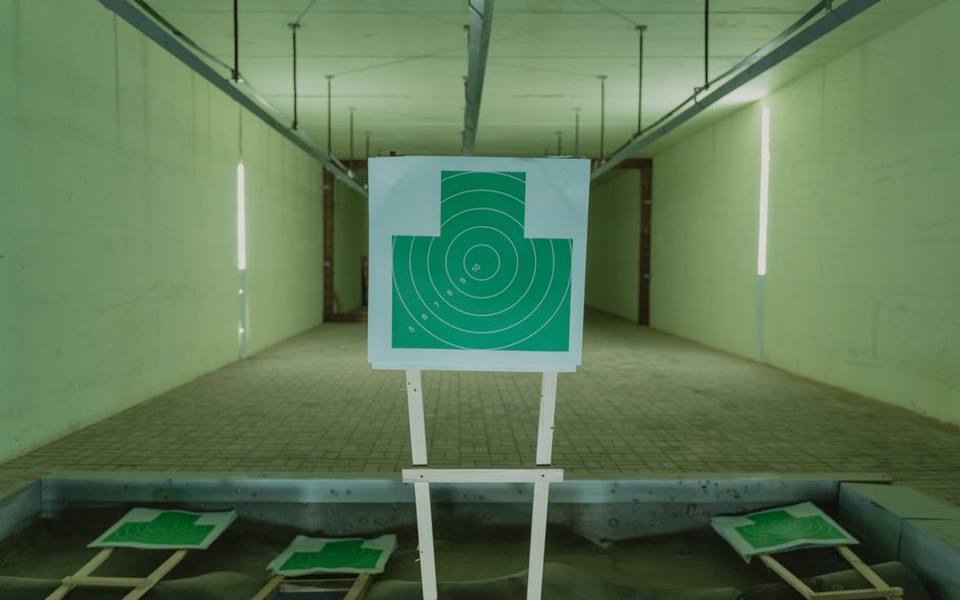
If you are unsure where to begin your journey, schedule an hour of practice at an indoor archery range to handle different styles of rental bows under controlled conditions. Experienced range safety officers can assist in adjusting the draw module to fit your arm span comfortably. This low-pressure environment lets you experience how modern cam systems break over into their letoff phase before you finalize your own shopping list.
Determining Draw Length and Arrow Measurement
Proper arrow length on a compound bow is directly linked to your true physical draw length. A widely accepted starting method involves standing upright, extending your arms straight out to the sides to form a horizontal cross, and measuring your wingspan tip-to-tip across the chest. Dividing that wingspan measurement in inches by 2.5 establishes a baseline draw setting that fits your skeletal structure without forcing excessive neck bend or rounded shoulders.
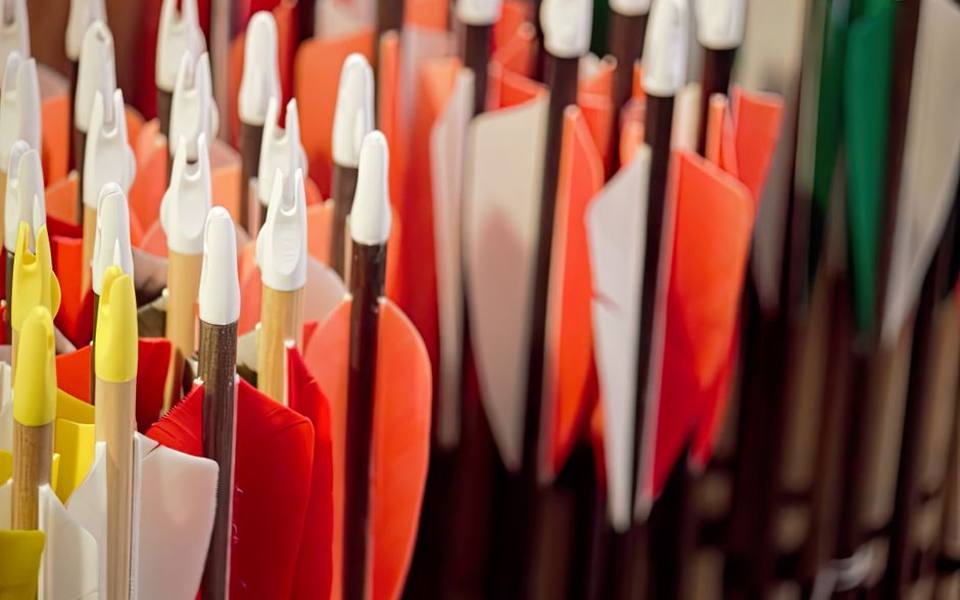
Once your bow is adjusted to this setting, determining the correct finished arrow length requires measuring from the deepest throat of the nock to the front edge of the arrow rest at full draw. As a standard safety rule, the cut shaft should extend approximately three-quarters of an inch to one full inch past the contact point of the arrow rest. This extra clearance prevents broadheads or field points from colliding with the riser shelf or falling behind the rest prongs if you creep forward slightly.
Never shoot an arrow that has been cut too short simply to shed physical mass weight. If an arrow falls behind the rest during draw or let-down, releasing the string will drive the carbon point directly into the riser or through your support hand. Having an experienced technician measure your clearance at full anchor ensures you maintain both mechanical safety and optimal spine dynamics across every shot.
Initial Compound Bow Setup and Mechanical Alignment
Setting up a compound bow correctly requires methodical mechanical alignment before shooting paper or targets. The process starts by mounting the arrow rest and leveling the bow in a dedicated vise. Using specialized bubble levels placed on the bowstring and the arrow shaft, adjust the rest horizontally and vertically until the arrow sits perpendicular to the string while traveling directly through the center of the grip and plunger hole, commonly known as center shot.
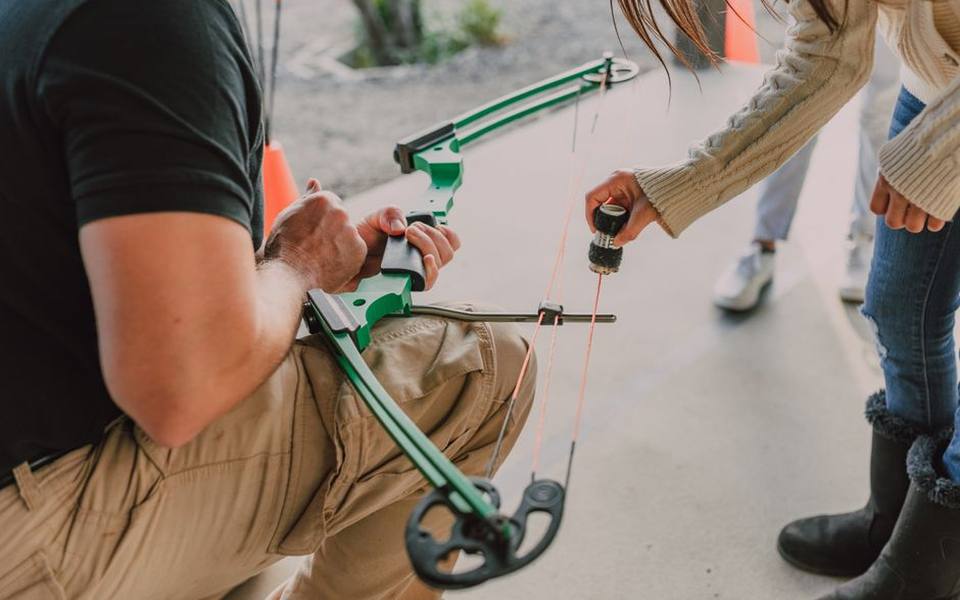
Next, install the nocking point and D-loop using abrasion-resistant cordage. The D-loop provides an inline connection point for your mechanical release aid, which prevents dangerous string torque and keeps your draw cycle balanced. Once the D-loop is tied and cinched tight using specialized spreading pliers, press the bow lightly in an approved bow press to insert the peep sight between the string bundles, setting its height to match your natural eye level at full draw.
If you lack the specialized tools, such as bow vises, draw boards, and presses, scheduling an appointment at an archery pro shop is the safest and most efficient path forward. Professional technicians verify cam timing synchronization, ensuring both cam draw stops hit their control cables simultaneously. Correct timing eliminates vertical nock travel, reduces erratic string jump, and lays the mechanical foundation for clean arrow flight.
Mastering Correct Compound Bow Shooting Form
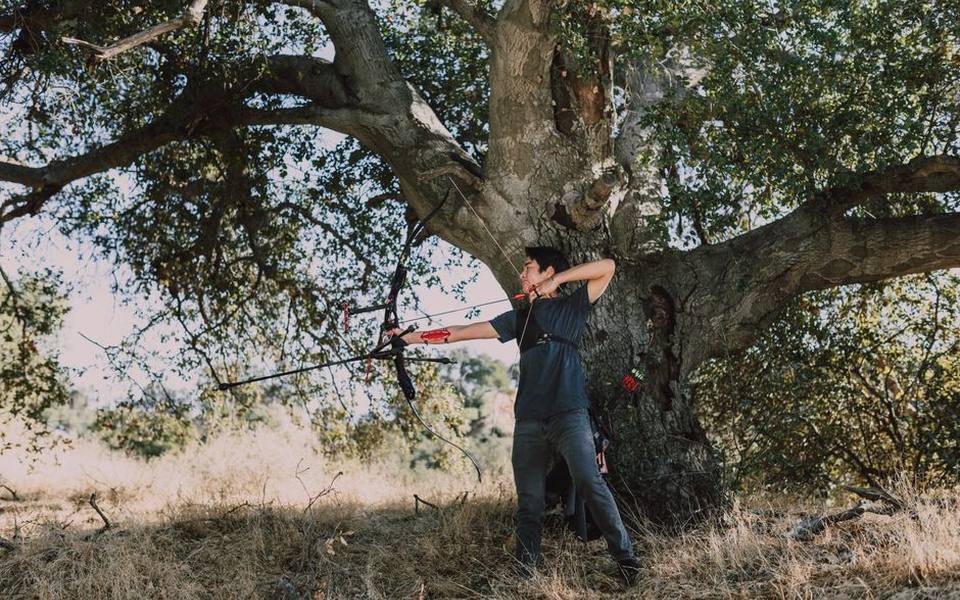
Consistent accuracy comes from skeletal support rather than muscular tension. Establishing correct compound bow form begins from the ground up: stand with your feet shoulder-width apart, keeping your weight evenly distributed between the balls and heels of your feet. Rotate your hips slightly toward the shooting line while maintaining a neutral, upright spine. Over-drawing a bow often causes archers to lean backward at the waist, which degrades core stability and ruins balance.
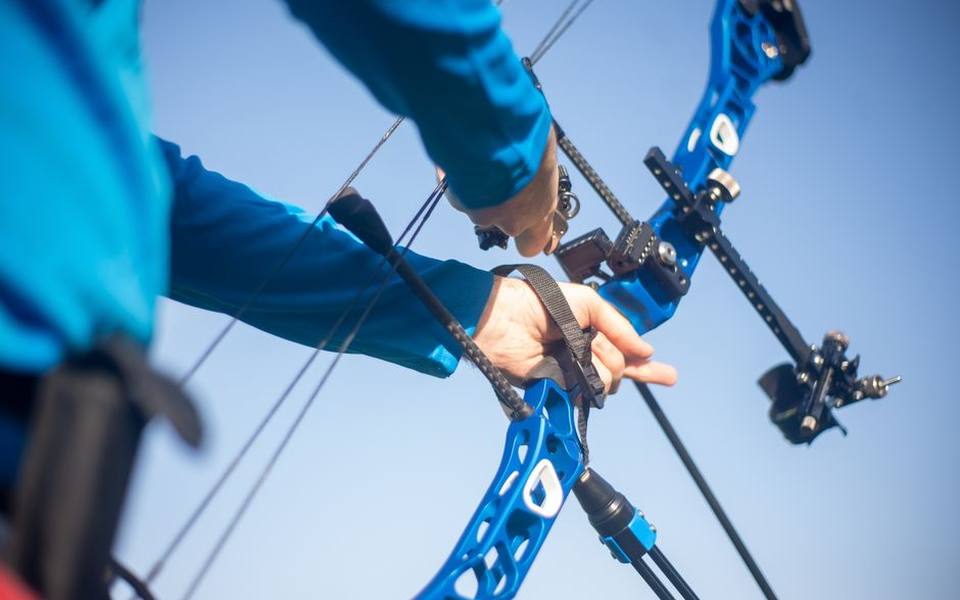
Your bow hand grip represents one of the most critical contact points on the entire platform. The grip face should rest along the muscular pad of your thumb, inside the lifeline of your palm, with your fingers relaxed at a natural 45-degree angle. Gripping the bow tightly like a baseball bat introduces severe hand torque that twists the riser at the moment of release, sending arrows flying off course regardless of how well the rest is tuned.
At full draw, bring the bowstring to a repeatable, bone-on-bone anchor position rather than stretching your neck forward to reach the string. The corner of your mouth, the tip of your nose touching the string, and the knuckle of your jawline should align predictably on every shot. To refine these foundational biomechanics, enrolling in archery classes for beginners provides direct visual feedback from certified coaches who can identify posture flaws before they solidify into permanent habits.
Fine Tuning with Paper and Bare Shaft Methods
Once your bow is visually centered and shooting safely, you must tune the system to eliminate arrow wobble. Paper tuning is typically the first step: standing roughly six feet away, fire a fletched arrow through a taut sheet of butcher paper suspended in a frame. The resulting tear reveals how the arrow leaves the bow; a clean bullet hole indicates proper rest height and windage, while high, low, or tear shapes indicate nock or rest misalignment.
For archers demanding micro-precision, bare shaft tuning provides the ultimate test of arrow flight. Strip the plastic vanes or feathers from three identical arrow shafts, leaving only bare carbon tubes. When you shoot both fletched and bare shafts at a target face from twenty yards, the bare shafts will impact away from the fletched group if your rest alignment, cam shimming, or arrow spine stiffness is slightly off.
Correcting bare shaft discrepancies requires incremental adjustments to your arrow rest or cam lean. If bare shafts consistently impact to the right of your fletched cluster, move your rest slightly to the left, or add twists to the left buss cable yoke to tilt the top cam. Small changes of one sixty-fourth of an inch produce visible corrections downrange, ultimately producing straight, efficient arrow flight that resists wind drift.
Target Platforms Versus Field and Hunting Rigs
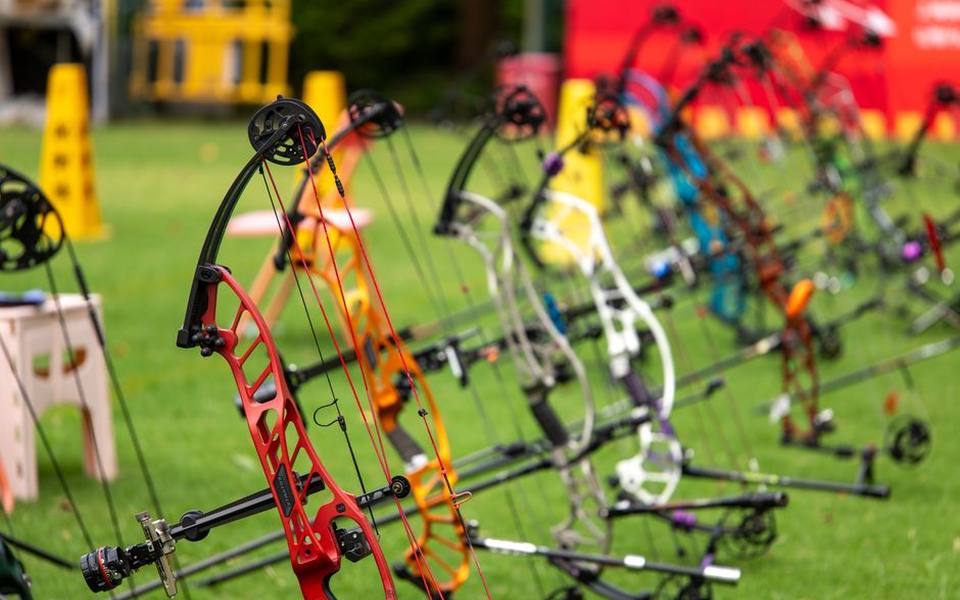
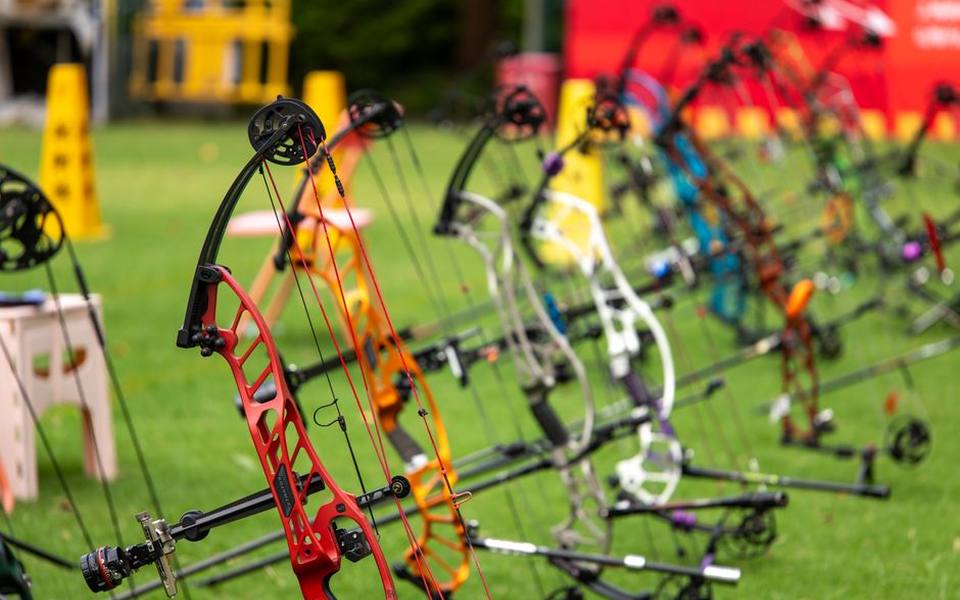
Compound bows are engineered across a broad spectrum of configurations designed for specific competitive disciplines and outdoor pursuits. A dedicated competition compound bow generally features a longer axle-to-axle measurement, often extending between 36 and 40 inches, paired with a generous brace height. This extended geometry creates a flatter string angle at full draw, promoting an upright head position and exceptional stability during long rounds of target competition.
Hunting setups, by contrast, emphasize maneuverability and compact speed. Hunting bows typically range between 28 and 33 inches axle-to-axle, making them easier to maneuver inside enclosed ground blinds or thick tree branches. They also feature aggressive cam profiles that store maximum kinetic energy for deep penetration with heavy broadheads, though their shorter brace heights make them somewhat more sensitive to minor grip torque errors.
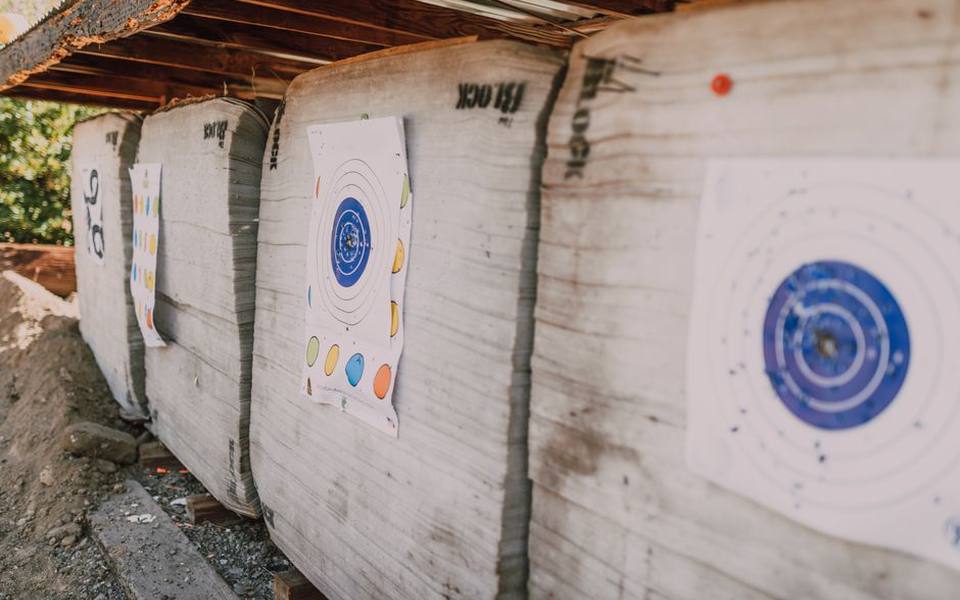
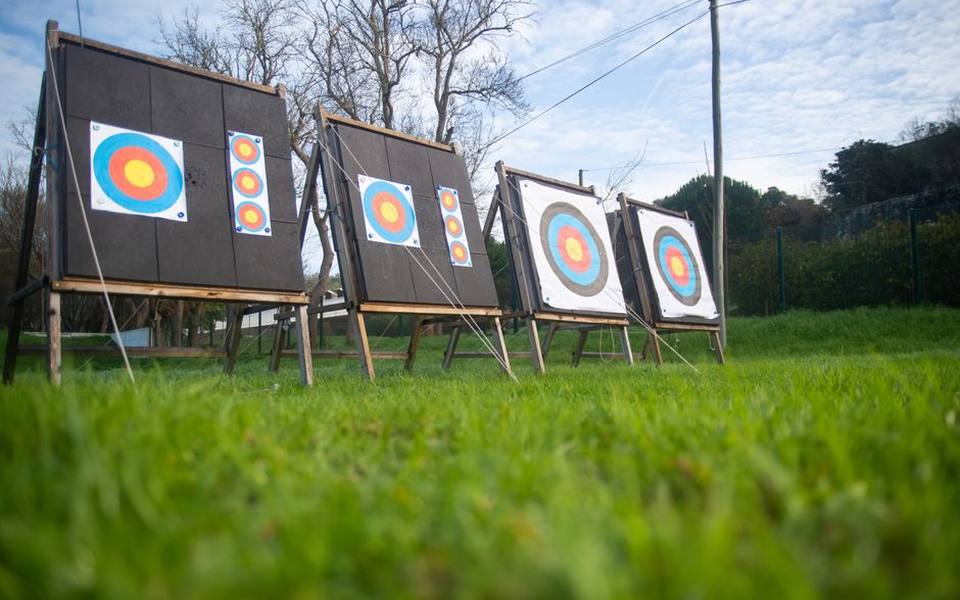
Target archers also utilize complex stabilization systems featuring long front carbon rods and offset rear side bars balanced with weighted disc stacks to steady the sight picture. Testing your skills on an outdoor 3D archery course helps bridge the gap between target discipline and hunting scenarios, exposing you to varied shooting angles, unmarked distances, and uneven terrain that challenge both bow balance and shot execution.
Adaptive Archery Equipment and Inclusive Systems
Archery is one of the most accessible sports in the world, accommodating athletes across all levels of physical mobility and strength. Specialized adaptive archery equipment ensures that physical differences or mobility limitations do not prevent anyone from participating fully. Custom mouth tabs allow archers with limb loss or limited hand dexterity to draw and release the bowstring using their jaw muscles, providing exceptional anchor repeatability and clean arrow departure.
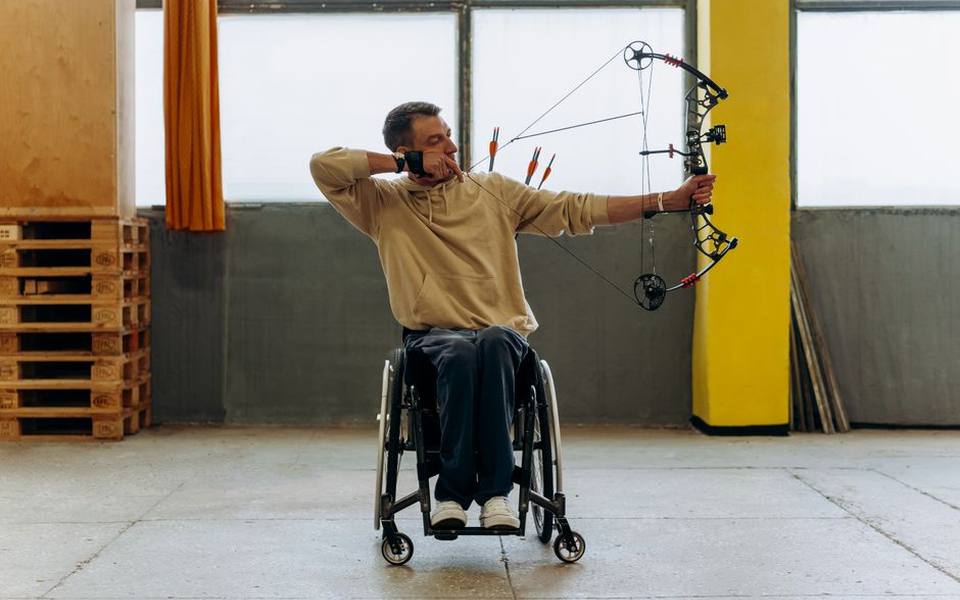
For individuals utilizing wheelchairs or specialized seating, equipment can be adapted with pivoting chest brackets, offset stabilizer mounts, and wheelchair-mounted bow holders that bear the mass weight of the riser between shots. Mechanical wrist releases can be replaced with custom electric solenoid releases triggered by a chin switch, a sip-and-puff tube, or a foot pedal, providing independence and precise trigger control on the shooting line.
Adaptive compound rigs frequently employ lighter draw weights paired with high-letoff cam modules that reduce the physical effort needed to hold the bow at full anchor. Finding an inclusive range or pro shop that understands adaptive fittings allows archers to customize riser grips, harness attachments, and sighting optics to match their specific physiological needs, demonstrating that proper technique transcends standard shooting configurations.
Maintaining Your Rig and Establishing a Practice Routine
A well-tuned compound bow is a precision mechanical tool that requires regular maintenance to preserve its performance. Inspect your bowstring frequently for dryness, applying specialized synthetic wax every few weeks to keep moisture out and prevent fiber breakdown. Always store your equipment in a climate-controlled room rather than a vehicle trunk, as high heat can weaken composite limb laminations and cause synthetic bowstrings to stretch, throwing your cam timing completely out of balance.
Establish a structured practice habit centered on quality repetitions rather than sheer arrow volume. Shooting thirty focused arrows with disciplined breathing, steady sight acquisition, and a relaxed release builds clean muscle memory far faster than firing one hundred rushed shots while fatigued. Keeping an archery logbook to track sight marks, arrow groupings, and wind conditions helps you detect small equipment shifts before they turn into major tuning headaches.
Whether you are practicing on your home target or visiting facilities across the country, checking comprehensive state-by-state directories helps you find community ranges, leagues, and repair shops wherever you travel. Connecting with knowledgeable archers and certified staff provides continuous learning opportunities, ensuring that your equipment stays tuned and your shooting form remains consistent for seasons to come.
Published 2026-09-21 · reviewed with each rebuild, last October 2026.
Find archery ranges & sports shops near you
The directory lists 38,975 archery ranges & sports shops by state and city — pick your state or use the “Near me” button in the header.
More guides
-
 Money
MoneyA Guide to Archery Range Fees and Lesson Costs
-
 Buying
Choosing Broadheads and Aiming for the Perfect Shot
-
 Service
DIY Bow Maintenance, Tuning, and Basic Repairs
-
 Buying
Choosing Sights and Rangefinders for Better Accuracy
-
 Buying
Essential Gear for Target Practice and Bowhunting Preparation
-
 Money
MoneyUnderstanding Bow Purchase and Restringing Costs: A Complete Pricing Guide
-
 Owning
Arrow Selection, Cutting, and Fletching at Home: A Complete Guide
-
 Safety
Bowhunting Shot Placement Guide for Deer and Turkey
-
 Buying
Complete Guide to Choosing the Best Crossbow Broadheads
-
 Money
MoneyHow Much Does Archery Cost? A Realistic Beginner Budget
-
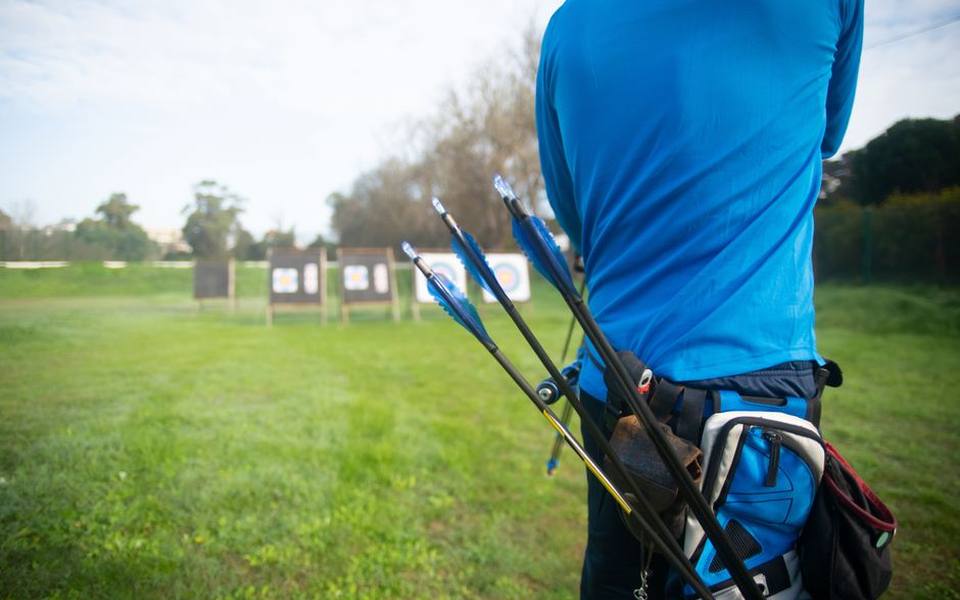 Buying
Choosing the Right Arrows and Field Points: Shaft Materials, Weights, and Tuning
-
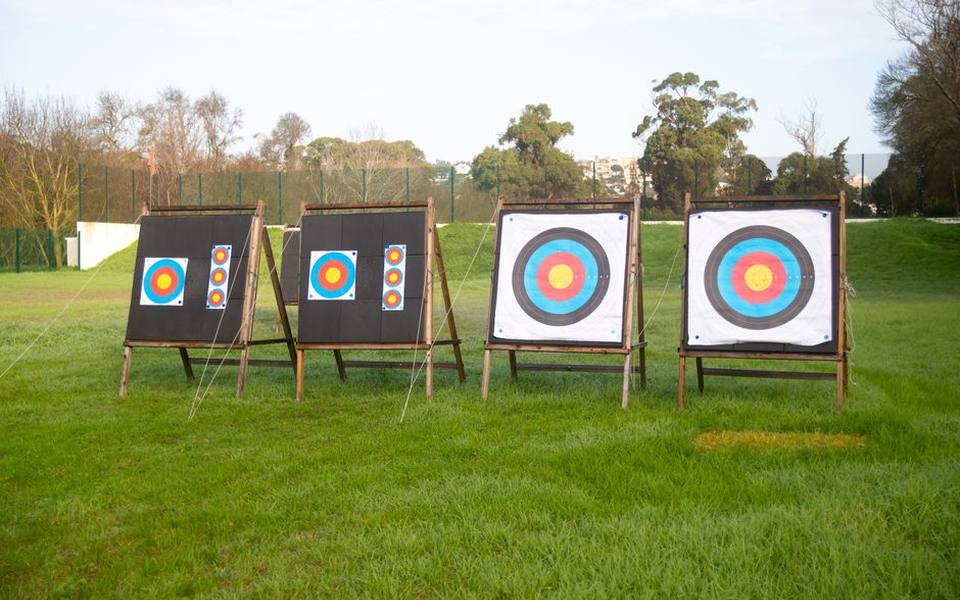 Buying
Best Archery Sets for Beginners: Complete Buyer Guide and Starter Tips
-
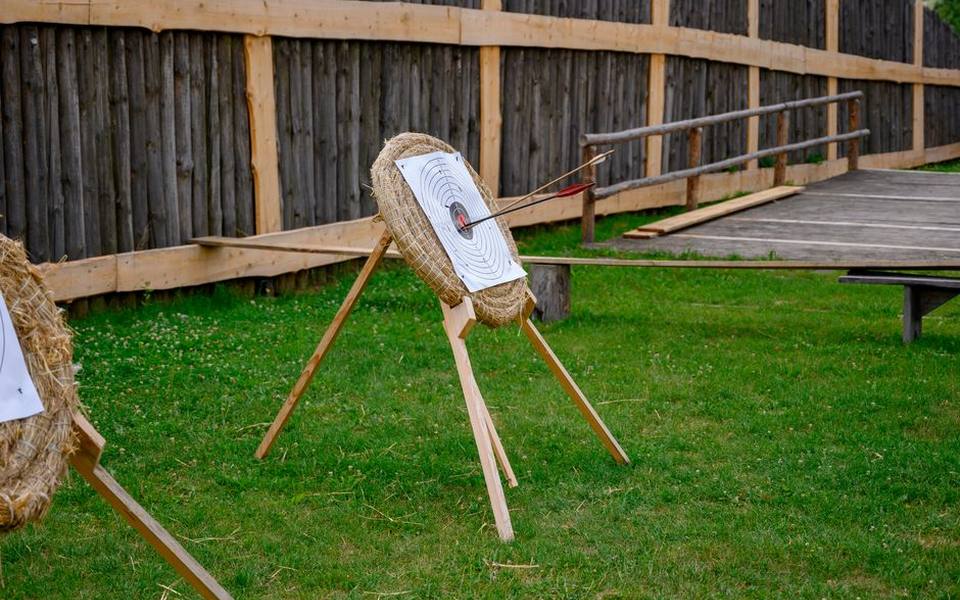 Owning
Best Archery Targets and Backstops: 3D, Foam, Bag, and DIY Setup Guide
-
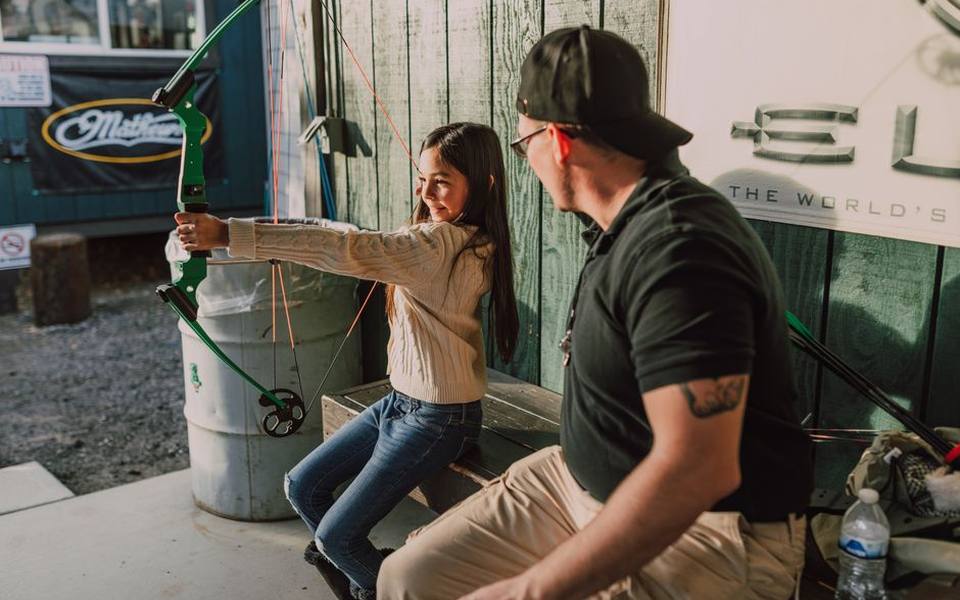 Buying
Beginner Archery Buying Guide: Recurve, Compound, and Traditional Bows
-
 Buying
Bowfishing Equipment Guide: Bows, Reels, Arrows, and Rigging Setups
-
 Owning
Lighted Nocks and DIY Arrow Building: Fletching, Cutting, and Tuning
-
 Buying
Crossbow Bolts, Broadheads, and Cocking Devices: Complete Buyer's Guide
-
 Buying
Complete Arrow Selection Guide: Carbon Shafts, Spine, Length, and Brands
-
 Safety
Archery Protective Gear: Arm Guards, Chest Protectors, Tabs, and Slings
-
 Buying
Archery Quivers Buying Guide: Hip, Back, and Bow-Mounted Options
-
 Buying
Bow Release Aids Explained: Wrist Strap, Thumb Button, and Hinge Releases
-
 Owning
Compound Bow Tuning and Care: Strings, Wax, Stabilizers, and Cases
-
 Buying
Arrow Rests Compared: Whisker Biscuit, Cable-Driven, and Limb-Driven
-
 Safety
Archery Lessons, Proper Form, Range Etiquette, and Youth Programs
-
 Owning
Complete Guide to Single Pin Bow Sights and Sight Tapes
-
 Owning
Arrow Selection and DIY Arrow Building: Shafts, Fletching, and Tools
-
 Owning
Finding Archery Ranges, Pro Shops, Clubs, and Instructor Programs
-
 Buying
Best Hunting Broadheads: Fixed Blade vs Mechanical Broadheads
-
 Buying
Archery Targets Guide: 3D Targets, Bags, Blocks, and DIY Backstops
-
 Buying
Archery Quivers Guide: Bow-Mounted, Hip, Back, and Crossbow Quivers
-
 Service
Bow Tuning and Setup: Paper Tuning, Arrow Rests, and Bow Maintenance
-
 Buying
Bowfishing Gear Guide: Bows, Rigs, Arrows, and Setup Options
-
 Owning
Essential Archery Accessories: Lighted Nocks, Arrow Pullers, and Arm Guards
-
 Buying
Archery Release Aids Guide: Thumb, Hinge, Wrist, and Mechanical Releases
-
 Buying
Essential Bowhunting Gear, Deer Supplies, and Gift Guide
-
 Buying
Crossbow Buying Guide: Matching Platforms, Bolts, Optics, and Fletching
-
 Buying
Beginner Bow & Arrow Starter Kits: How to Choose Your First Setup
-
 Owning
Traditional Archery, Longbows, and Primitive Gear
-
 Buying
Deer Hunting Bows: Comparing Recurve and Compound Setups, Finding Deals, and Studying Hunting Film
-
 Owning
Compound Bow Release Aids and Grip Tape: Enhancing Control and Consistency
-
 Service
Crossbow Maintenance: String Replacement and Scope Sighting Guide
-
 Owning
Broken Bow Cabin Rentals: Complete Beavers Bend Vacation Guide
-
 Safety
Broken Bow Lake Rentals: Complete Guide to Boats, ATVs, and Trail Gear