What to Look for in a Beginner Archery Package
Starting archery does not require spending a fortune on tournament-grade gear, but grabbing a random boxed set off a retail shelf often leads to frustration. A complete beginner package should provide a well-balanced platform that matches your physical size, strength, and shooting ambitions. Most starter sets include the bare bow, a basic arrow rest, a bowstring, a protective finger tab or release aid, an armguard, and a small batch of practice arrows. When assembled thoughtfully, these essentials allow you to develop consistent mechanics without fighting your equipment.
The primary advantage of buying a packaged kit is compatibility. Manufacturers bundle components that work reasonably well together, sparing newcomers the headache of matching string lengths, arrow shaft stiffness, and mounting threads. For an adult picking up the sport for recreation, a kit provides an immediate path to the target line. However, not all boxed bundles are created equal, and some skimp on critical safety gear like armguards or include arrows that are poorly matched to the bow's draw weight.
Before opening your wallet, pay close attention to whether the bundle is tailored toward traditional target shooting, bowhunting, or modern competitive styles. An all-in-one target bundle usually focuses on simple recurve bows with gentle draw weights, whereas compound starter packages prioritize adjustable cam systems and fiber-optic sights. Understanding what discipline appeals to you early on will keep you from replacing hardware within your first few months on the range.
Deciding Between Recurve and Compound Platforms
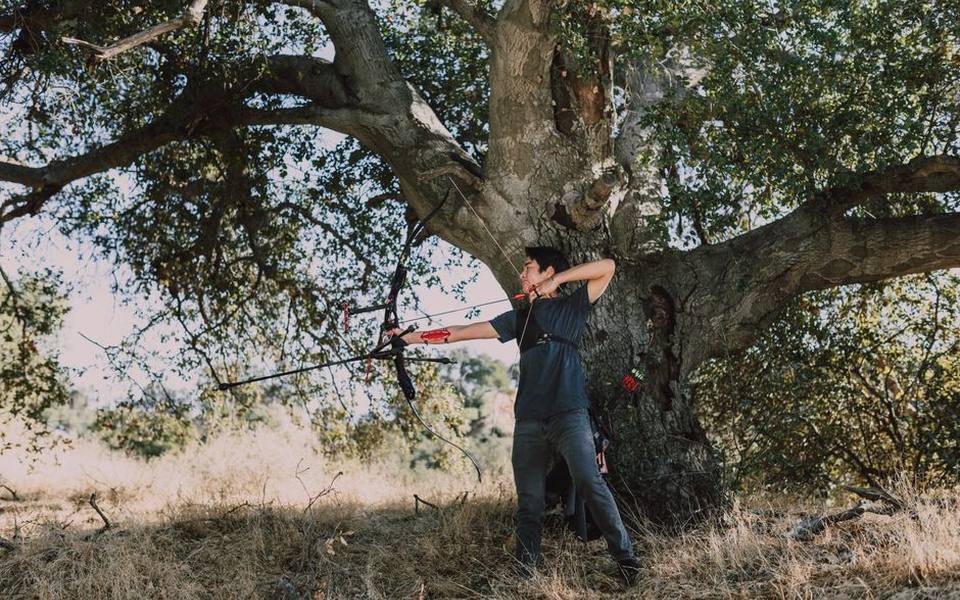
New archers generally face a fork in the road right away: choosing between a traditional recurve or a modern compound bow. Recurves feature a single continuous string attached directly to curved limb tips, offering a tactile, intuitive shooting experience. They are mechanically simple, lightweight, and demand good posture and finger execution from day one. Because recurves have fewer moving parts, maintenance is straightforward, making them an enduring favorite for recreational club shooting and scholastic programs.
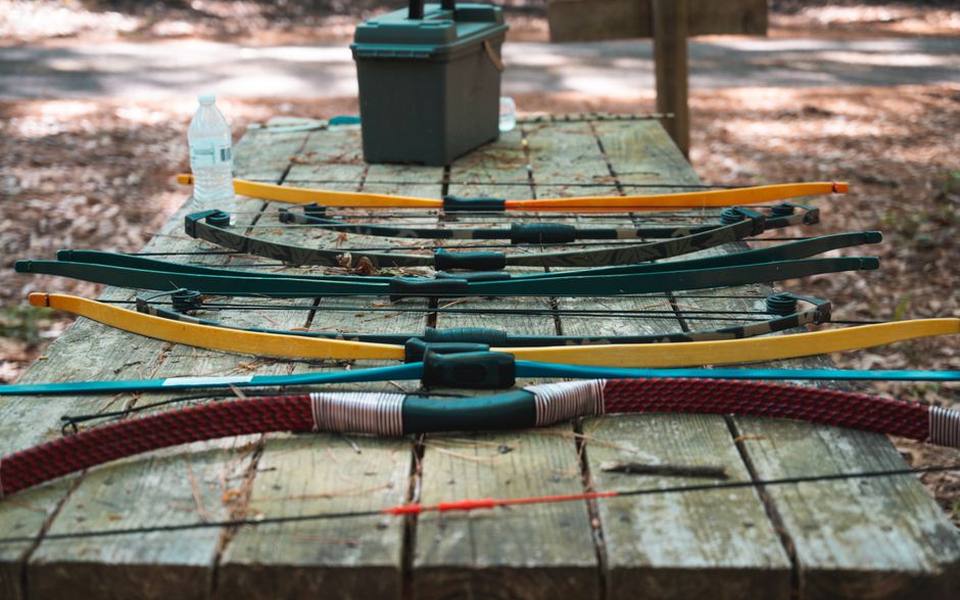
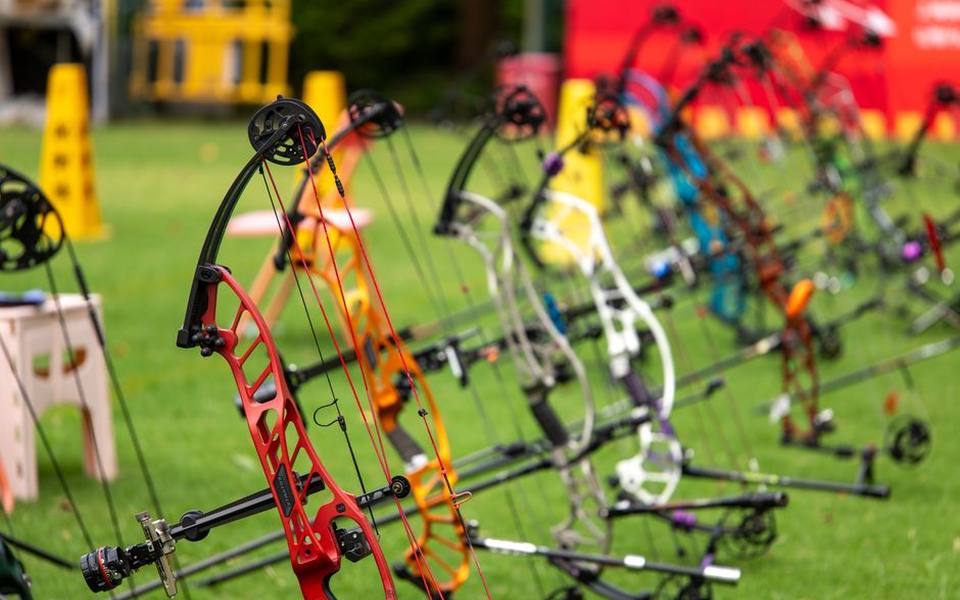
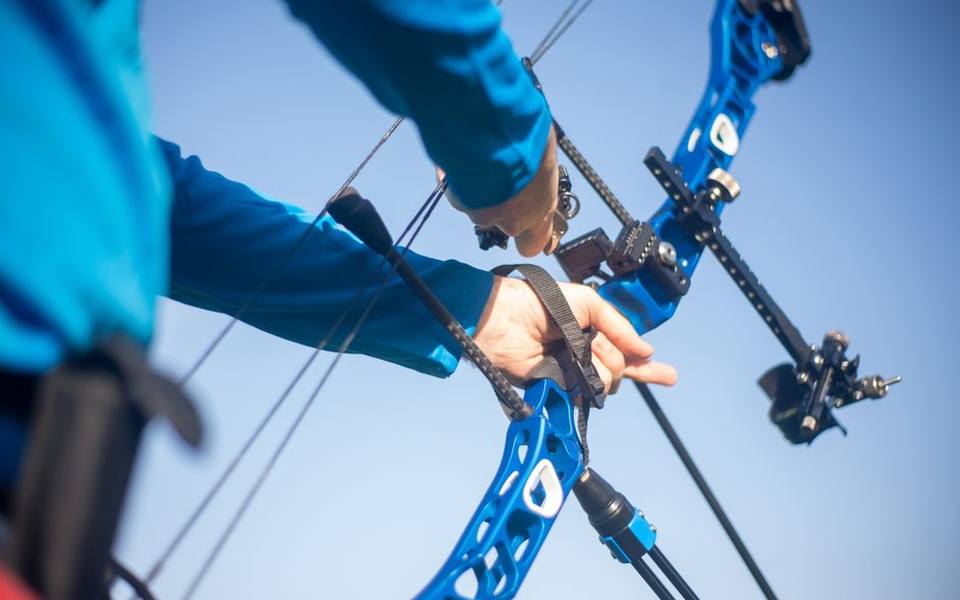
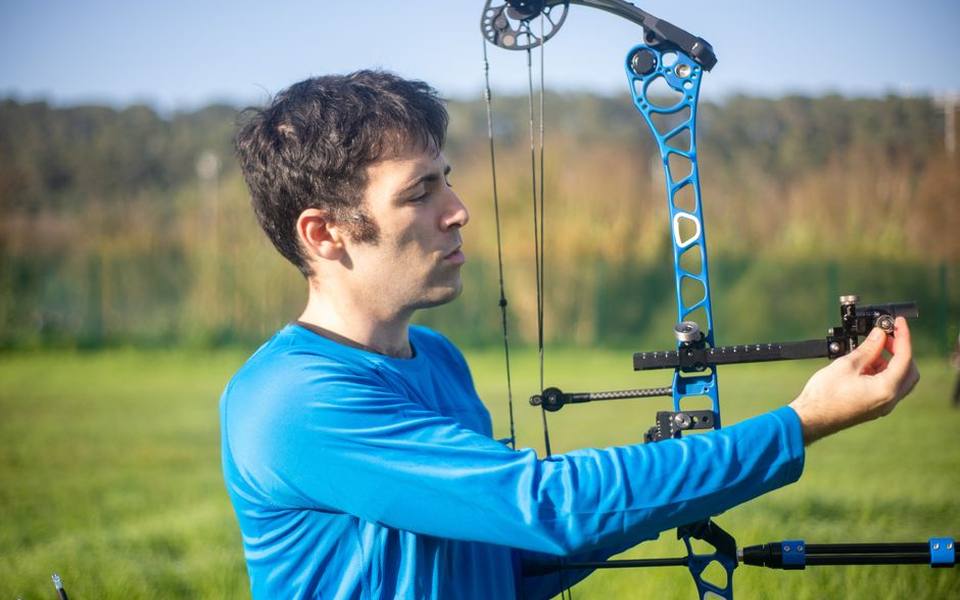
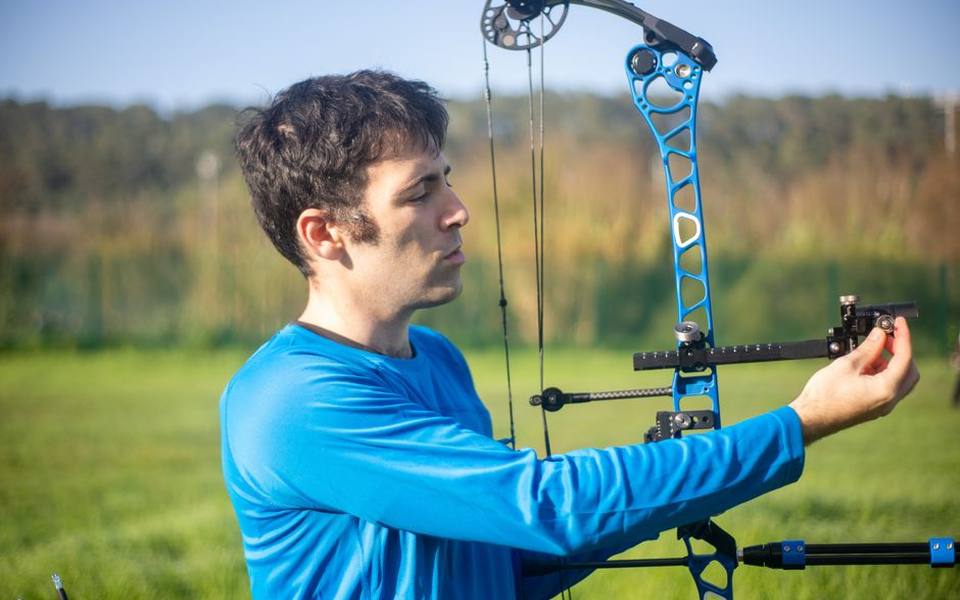
Compound bows, by contrast, utilize a system of pulleys, cables, and eccentric cams to produce 'let-off.' Let-off reduces the holding weight at full draw by anywhere from seventy to eighty-five percent depending on the model, allowing you to hold steady on target while aiming through a peep sight and pin system. This mechanical assistance makes compounds popular for precision target leagues and bowhunting. While compounds deliver higher arrow speeds, they also require specialized presses for major servicing and tend to weigh more in the hand.
Neither design is inherently superior for a novice; the decision hinges on how you prefer to shoot. If you enjoy the rhythm of barebow form, minimal gadgets, and an organic connection to the arrow flight, an entry-level recurve is hard to beat. If you are intrigued by mechanical precision, rapid arrow velocity, and shooting with a mechanical trigger release, starting with a compound setup will feel much more rewarding.
Selecting Proper Draw Weight and Length for Adults
The single most common mistake adult novices make is buying a bow with too much draw weight. When a bow is difficult to pull back, your shoulders compensate with improper alignment, which leads to erratic grouping and potential rotator cuff strain. Adult beginners typically do best starting with recurve limbs rated between twenty and twenty-five pounds, even if they have substantial athletic strength. In archery, you are training small stabilizing muscles in your back and shoulder blades that rarely get isolated in regular gym routines.
Draw length is equally critical because it dictates how far back the string travels before reaching your facial anchor point. For recurve shooters, draw weight increases progressively as you pull further back. For compound shooters, the draw length stops abruptly against a mechanical wall, meaning the bow must be adjusted precisely to your wingspan. A simple way to estimate your draw length is to measure your total armspan fingertip to fingertip in inches while standing naturally, then divide that number by two and a half.
Visiting an established facility with lessons or classes for beginners gives you the chance to draw demo bows under coach supervision. Professional instructors can verify your anchor point and ensure you are not over-bowed before you invest in your own kit. Starting light allows you to shoot fifty to eighty arrows per session cleanly, building muscle memory rather than fatigue.
Takedown Recurves and Olympic-Style Foundations
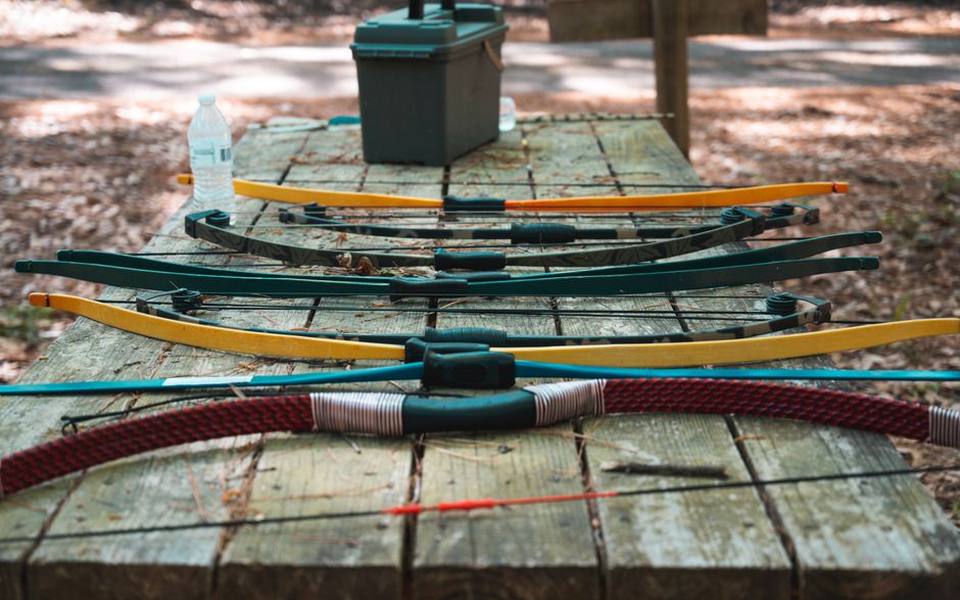
A takedown recurve bow features a central riser made of laminated wood, cast aluminum, or machined alloy, along with two detachable limbs that screw or slide into pockets. This three-piece construction is ideal for newcomers because it grows with you. As your back muscles develop and twenty pounds begins to feel effortless, you do not need to replace the entire bow; you simply buy a set of heavier replacement limbs while retaining your familiar grip, riser, and sight accessories.
Within the recurve category, you will find both wooden traditional risers and metal risers built for Olympic-style competition. Wooden takedown sets provide a warm, classic feel and often come tapped with brass bushings for a basic screw-in arrow rest and plunger button. Metal risers, especially those utilizing the International Limb Fitting (ILF) standard, offer extensive tuning geometry, lateral limb adjustment, and modular mounting holes for long stabilizers, clickers, and elevated target rests.
If your dream is to shoot formal target rounds, exploring an entry-level Olympic setup gives you an authentic feel for the Olympic discipline without the steep price tag of elite carbon gear. Look for kits that provide an aluminum riser, standard bolt-on or ILF limbs, a clean Dacron or modern synthetic string, and a basic plastic stick-on rest. These platforms remain stable at twenty to thirty yards and teach clean release habits that carry over to any style.
When browsing regional shops or checking inventory at local pro shop destinations, ask whether the limbs follow a proprietary bolt pattern or a universal standard. Universal fittings make upgrading much easier down the line since you can mix and match components from various limb manufacturers as your budget allows.
Understanding Mid-Range Compound Packages
Novice compound shooters usually look past bare risers and gravitate directly toward complete, ready-to-hunt or ready-to-target packages. Mid-priced compound bundles occupy a sweet spot in the market, delivering dependable aluminum risers, smooth dual-cam or hybrid-cam geometries, and forgiving brace heights without requiring custom assembly. A package in this tier typically arrives with a three-pin fiber optic sight, a containment-style brush rest, a wrist sling, a lightweight quiver, and a rubber cable-dampening system already installed.
One standout feature of modern entry and mid-tier compound models is rotating cam modules. Instead of buying separate cams or visiting a technician every time you adjust your fit, these modules allow you to alter draw length across a wide range—often between twenty-five and thirty-one inches—using a simple hex wrench. Many also feature broad draw weight adjustability, enabling a shooter to dial the limb bolts down to forty pounds for relaxed backyard target work or up to sixty pounds for outdoor distances.
While these packages save time and money, factory-installed accessories on mid-tier packages are sometimes entry-grade plastics that warrant eventual upgrades. The arrow rest and wrist release aid are typically the first items archers choose to swap out once their arrow groups tighten. Even so, the core bow assembly in a reputable mid-tier package will easily provide several seasons of reliable shooting before you ever feel mechanically limited.
Navigating Left-Handed Setups and Eye Dominance
One of the most confusing hurdles for beginners is matching hand orientation to eye dominance. In archery, hand orientation is determined by the hand that pulls the string, not the hand that holds the bow. A right-handed bow is held in your left hand and drawn with your right, while a left-handed bow is held in your right hand and drawn with your left. Crucially, your dominant eye—not your dominant hand—should dictate which orientation you purchase.
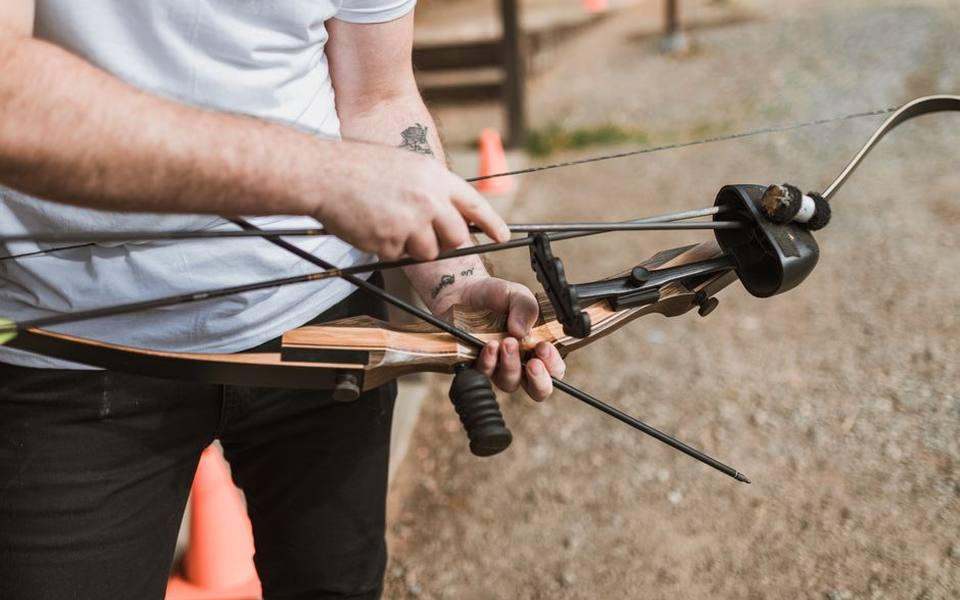
To find your dominant eye, form a small triangle with your thumbs and index fingers, hold your arms straight out, and look through the opening at an object on the wall with both eyes open. Close your left eye; if the object stays centered, you are right-eye dominant. If the object disappears from view and only reappears when you close your right eye, you are left-eye dominant. Shooting according to your dominant eye makes aiming natural and prevents visual double-vision down the arrow shaft.
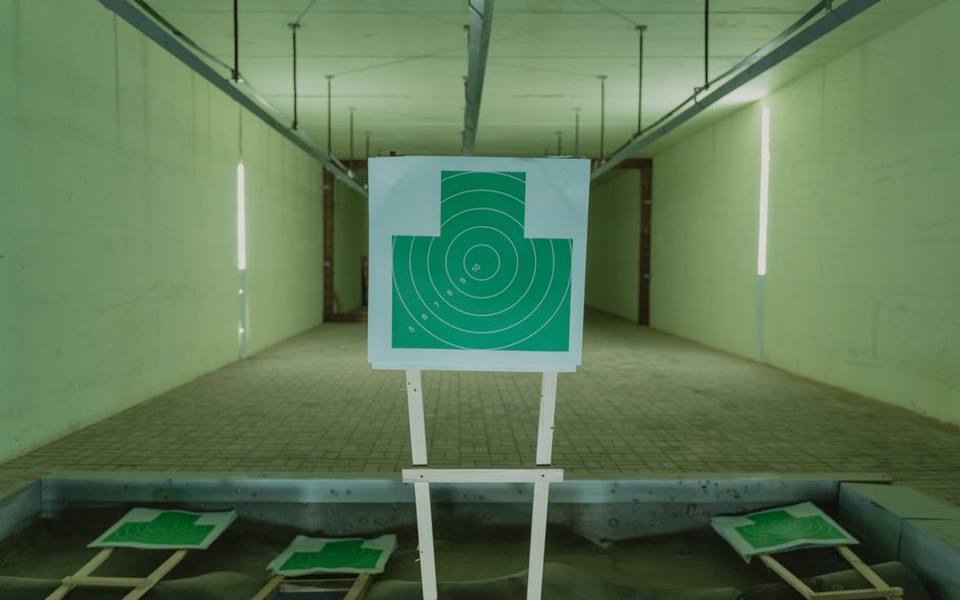
Finding dedicated left-handed recurve and compound models used to be difficult, but most major manufacturers now produce mirrored left-hand configurations across their primary starter kits. Left-handed archers should ensure that accessory cutouts, sight windows, and arrow shelves are specifically cut for left-hand orientation rather than settling for an ambidextrous plastic riser that lacks true center-shot alignment. Spending a day testing your stance on an indoor range helps verify your eye dominance before committing to a purchase.
Youth Bows and Sizing Gear for Young Archers
Introducing children and teenagers to archery requires specialized equipment scaled to their physical stature. Adult bows are too long and heavy for younger frames, forcing awkward shoulder angles and bad posture that can quickly discourage a budding archer. Quality youth packages are designed with shorter axle-to-axle lengths, lightweight composite materials, and shallow grip profiles that accommodate smaller hands comfortably.
Draw weight flexibility is paramount when outfitting young shooters. Children grow quickly, and their upper body strength expands steadily over a few seasons. Many youth compound kits feature highly adjustable limbs that transition seamlessly from ten pounds up to forty or fifty pounds without needing a bow press. This massive adjustment envelope allows the same bow to serve a middle-schooler through high school without requiring an entirely new platform every couple of years.
For youth recurves, simple lightweight wooden or composite takedowns with low poundage limbs—often between twelve and sixteen pounds—are ideal for elementary-age shooters. Safety gear is non-negotiable for kids: ensure their kit includes a sturdy forearm guard to prevent string slap, a well-fitted finger tab or shooting glove, and arrows with soft target points that match the low energy output of youth bows.
Arrow Selection, Spines, and Essential Tuning
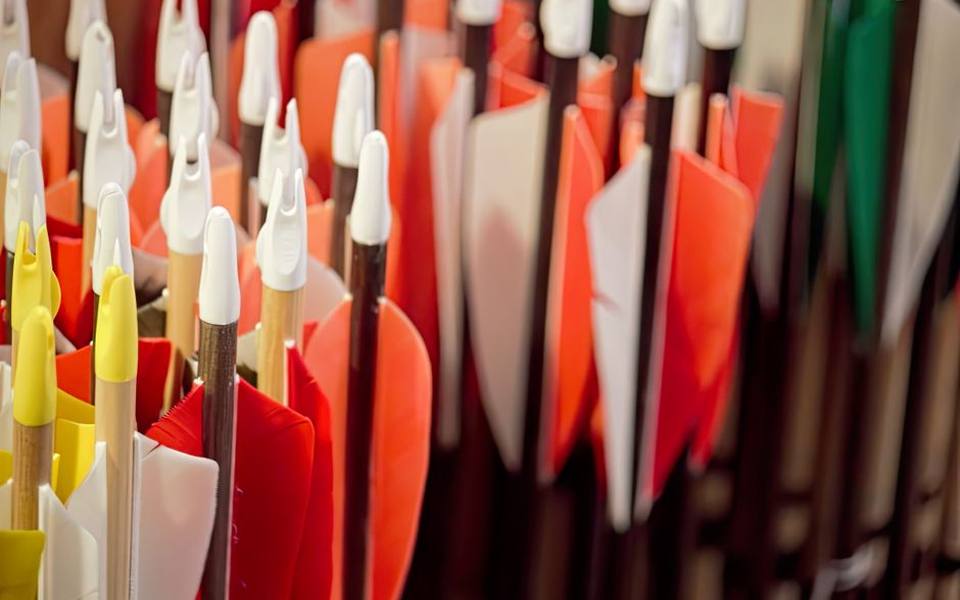
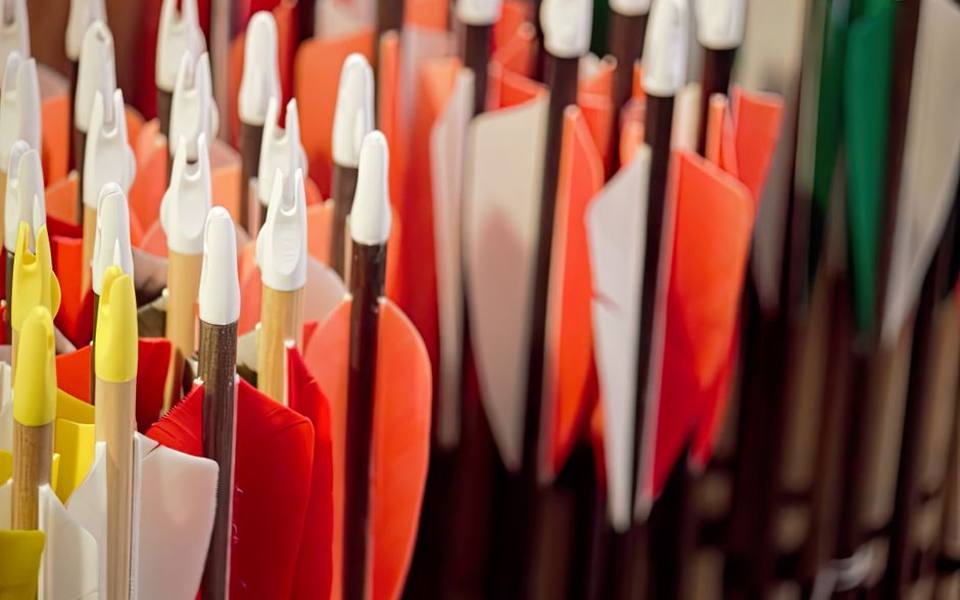
A bow is only as good as the arrows you feed it. Many newcomers assume that any arrow will fly straight, but arrow stiffness—known in archery as 'spine'—must be matched directly to your bow's draw weight and draw length. If an arrow is too flexible for your setup, it will wobble erratically upon release and veer off target. If it is too stiff, it will kick violently off the arrow rest and fail to clear the riser cleanly.
Beginner starter kits often come with aluminum or carbon arrows. Carbon shafts have become the industry standard because they are light, exceptionally durable, and do not bend out of true when hitting firm target bales. Aluminum arrows are slightly heavier, smooth-drawing, and economical, making them popular for indoor school programs, though they can bend if they strike hard wood frames or target stands.
Beyond arrows, basic tuning tools make a noticeable difference in shooting consistency. A simple bow square helps you position your brass nocking point or tied nock thread at the correct height on the string, ensuring the arrow sits at a ninety-degree angle to the rest. Adding silencers to a compound string or string wax to a Dacron recurve string helps prolong the lifespan of your fibers and prevents fraying from routine friction.
Testing Equipment and Finding Your Shooting Environment
While ordering a packaged setup on the internet is convenient, handling physical bows before buying remains the gold standard. Grips vary considerably in width, angle, and texture; a handle that feels slim and ergonomic to one archer might feel sharp and uncomfortable to another. Holding a bow at full draw lets you evaluate balance, sight window clarity, and overall mass weight before committing your savings.
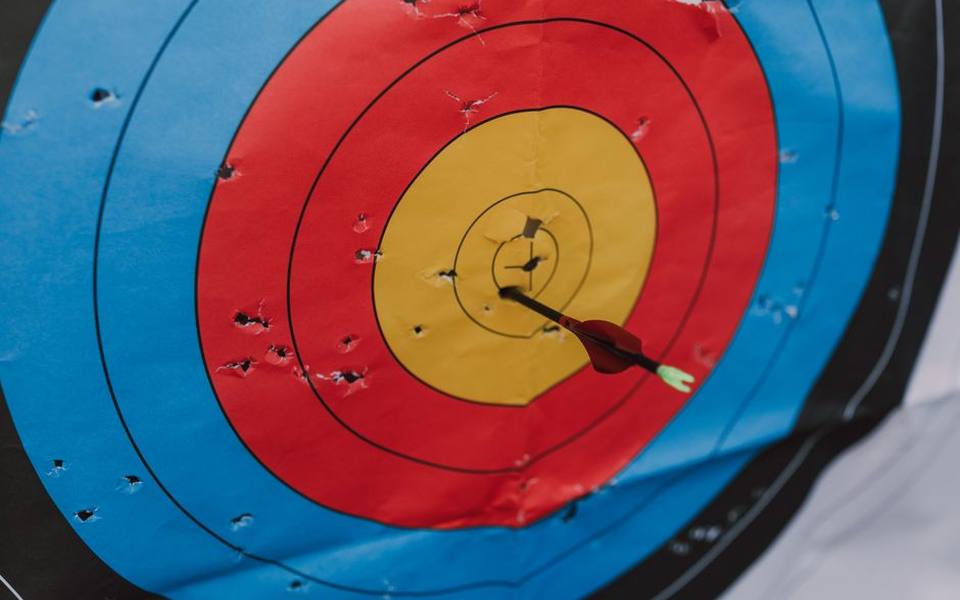
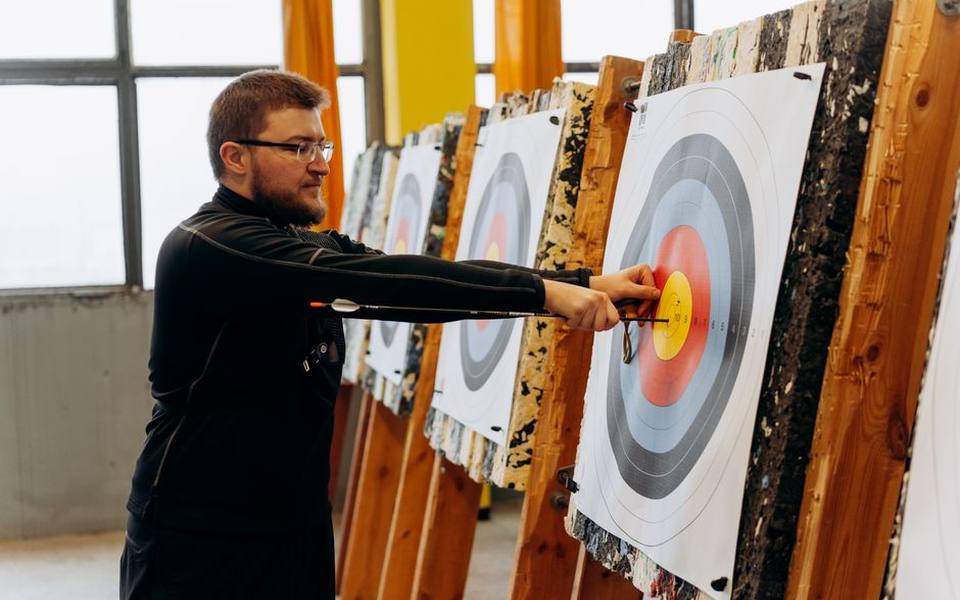
Local shops and community ranges typically maintain rental fleets and demo models. Taking an introductory class allows you to cycle through various draw weights and riser materials under the watchful eye of a certified instructor. If you live in an active outdoor state, facilities with a 3D course or walk-through field trail offer an excellent environment to see how different setups handle varied distances, uneven terrain, and changing light conditions.
Visiting a brick-and-mortar facility also connects you with experienced bow mechanics who can set your initial center-shot, level your sight pins, and ensure your peep sight aligns naturally with your eye. Having an expert paper-tune your arrows during your first session eliminates erratic flight variables, giving you complete confidence that missing the bullseye is a matter of shooting form rather than equipment error.
Budgeting for Your Setup and Long-Term Value
When planning your archery budget, look beyond the price tag of the bare bow or boxed starter set. A practical starter budget accounts for personal safety gear, additional arrows, a target backstop, and a protective carry case. Arrows are consumables in archery; beginners regularly bend, break, or lose shafts in target turf, so having at least six to twelve matched practice arrows on hand is essential for steady progress.
Entry-level recurve setups generally carry modest price tags, with complete packages commonly falling into accessible price brackets that leave ample room for armguards, quivers, and range fees. Mid-range compound packages demand a slightly higher initial investment because they integrate mechanical cams, high-tension strings, fiber-optic sights, and mechanical release aids. However, a well-built compound package often lasts three to five years before a shooter feels any technical need to upgrade.
Resale value is another factor to keep in mind. Quality brand-name recurves and adjustable compounds retain reasonable value on the secondary market when well maintained. When you eventually decide to step up to an advanced target rig or a dedicated hunting setup, your clean beginner kit can often be sold or traded in to help finance your next platform, making high-quality beginner gear a sensible investment from day one.
Published 2026-09-21 · reviewed with each rebuild, last October 2026.
Find archery ranges & sports shops near you
The directory lists 38,975 archery ranges & sports shops by state and city — pick your state or use the “Near me” button in the header.
More guides
-
 Money
MoneyA Guide to Archery Range Fees and Lesson Costs
-
 Buying
Choosing Broadheads and Aiming for the Perfect Shot
-
 Service
DIY Bow Maintenance, Tuning, and Basic Repairs
-
 Buying
Choosing Sights and Rangefinders for Better Accuracy
-
 Buying
Essential Gear for Target Practice and Bowhunting Preparation
-
 Money
MoneyUnderstanding Bow Purchase and Restringing Costs: A Complete Pricing Guide
-
 Owning
Arrow Selection, Cutting, and Fletching at Home: A Complete Guide
-
 Safety
Bowhunting Shot Placement Guide for Deer and Turkey
-
 Buying
Complete Guide to Choosing the Best Crossbow Broadheads
-
 Money
MoneyHow Much Does Archery Cost? A Realistic Beginner Budget
-
 Buying
Choosing the Right Arrows and Field Points: Shaft Materials, Weights, and Tuning
-
 Buying
Best Archery Sets for Beginners: Complete Buyer Guide and Starter Tips
-
 Owning
Best Archery Targets and Backstops: 3D, Foam, Bag, and DIY Setup Guide
-
 Buying
Beginner Archery Buying Guide: Recurve, Compound, and Traditional Bows
-
 Buying
Bowfishing Equipment Guide: Bows, Reels, Arrows, and Rigging Setups
-
 Owning
Lighted Nocks and DIY Arrow Building: Fletching, Cutting, and Tuning
-
 Buying
Crossbow Bolts, Broadheads, and Cocking Devices: Complete Buyer's Guide
-
 Buying
Complete Arrow Selection Guide: Carbon Shafts, Spine, Length, and Brands
-
 Safety
Archery Protective Gear: Arm Guards, Chest Protectors, Tabs, and Slings
-
 Buying
Archery Quivers Buying Guide: Hip, Back, and Bow-Mounted Options
-
 Buying
Bow Release Aids Explained: Wrist Strap, Thumb Button, and Hinge Releases
-
 Owning
Compound Bow Tuning and Care: Strings, Wax, Stabilizers, and Cases
-
 Buying
Arrow Rests Compared: Whisker Biscuit, Cable-Driven, and Limb-Driven
-
 Safety
Archery Lessons, Proper Form, Range Etiquette, and Youth Programs
-
 Owning
Complete Guide to Single Pin Bow Sights and Sight Tapes
-
 Owning
Arrow Selection and DIY Arrow Building: Shafts, Fletching, and Tools
-
 Owning
Finding Archery Ranges, Pro Shops, Clubs, and Instructor Programs
-
 Buying
Best Hunting Broadheads: Fixed Blade vs Mechanical Broadheads
-
 Buying
Archery Targets Guide: 3D Targets, Bags, Blocks, and DIY Backstops
-
 Buying
Archery Quivers Guide: Bow-Mounted, Hip, Back, and Crossbow Quivers
-
 Service
Bow Tuning and Setup: Paper Tuning, Arrow Rests, and Bow Maintenance
-
 Buying
Bowfishing Gear Guide: Bows, Rigs, Arrows, and Setup Options
-
 Owning
Essential Archery Accessories: Lighted Nocks, Arrow Pullers, and Arm Guards
-
 Buying
Archery Release Aids Guide: Thumb, Hinge, Wrist, and Mechanical Releases
-
 Buying
Essential Bowhunting Gear, Deer Supplies, and Gift Guide
-
 Buying
Crossbow Buying Guide: Matching Platforms, Bolts, Optics, and Fletching
-
 Owning
Traditional Archery, Longbows, and Primitive Gear
-
 Buying
Deer Hunting Bows: Comparing Recurve and Compound Setups, Finding Deals, and Studying Hunting Film
-
 Buying
Compound Bow Setup, Tuning, Form, and Equipment Guide
-
 Owning
Compound Bow Release Aids and Grip Tape: Enhancing Control and Consistency
-
 Service
Crossbow Maintenance: String Replacement and Scope Sighting Guide
-
 Owning
Broken Bow Cabin Rentals: Complete Beavers Bend Vacation Guide
-
 Safety
Broken Bow Lake Rentals: Complete Guide to Boats, ATVs, and Trail Gear