Choosing the Right Bow Platform for Whitetail Hunting
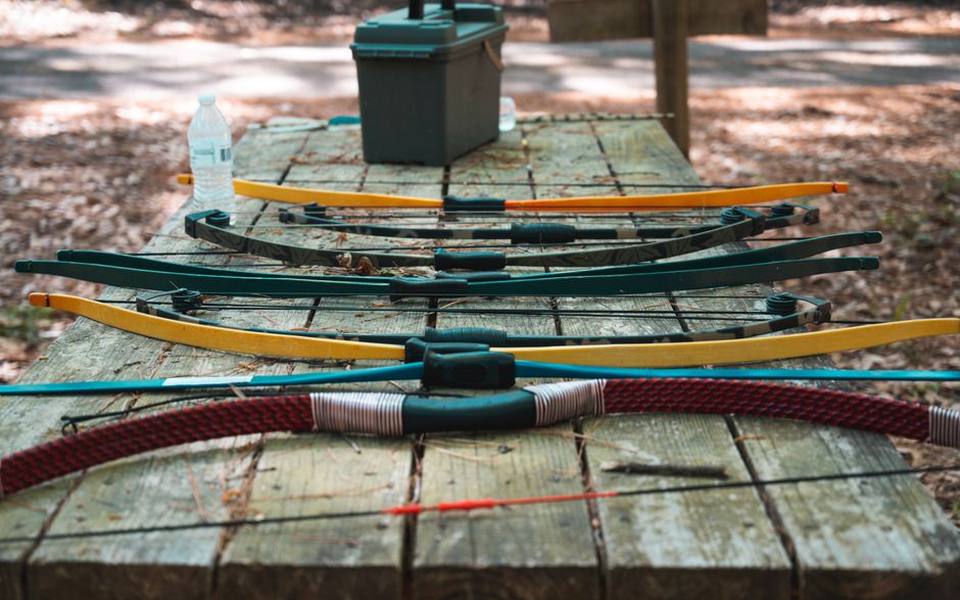
Selecting an effective deer hunting bow begins with understanding how you intend to hunt and the realistic distances you expect to face in the timber. Most modern whitetail hunters lean toward modern compound setups because their mechanical cams provide let-off, allowing a shooter to hold full draw comfortably while waiting for an animal to clear brush. Traditional setups, particularly recurves, offer simplicity and minimal weight, but they demand significantly more continuous physical dedication to achieve field accuracy.
Your choice between these two platforms directly determines your maximum ethical effective range during open season. A tuned compound bow with multi-pin sights and a mechanical release aid typically enables a practiced archer to place consistent shots out to thirty or forty yards under woodland conditions. A traditional recurve archer, relying on instinctive aim or gap shooting without optical aids, often limits shots to fifteen or twenty yards to guarantee proper penetration and vital hits.
Beyond trajectory and range, equipment handling inside tight ground blinds or tree stands differs substantially between bow styles. Compounds measure shorter from axle to axle, which prevents upper and lower limbs from striking branches or blind windows when tracking a moving deer. Recurve bows feature longer limb sweeps that require greater vertical clearance, forcing hunters to design shooting lanes and stand locations with extra room for limb deflection.
Budget considerations also influence the initial platform decision when outfitting for deer season. While bare traditional bows can be acquired relatively inexpensively, tuning arrows to match personal draw characteristics requires substantial trial and error. Modern compound systems require specific accessories like rests, sights, stabilizers, and wrist releases, making the initial package configuration critical when balancing price against field readiness.
The Traditional Path: Whitetails with a Recurve Bow
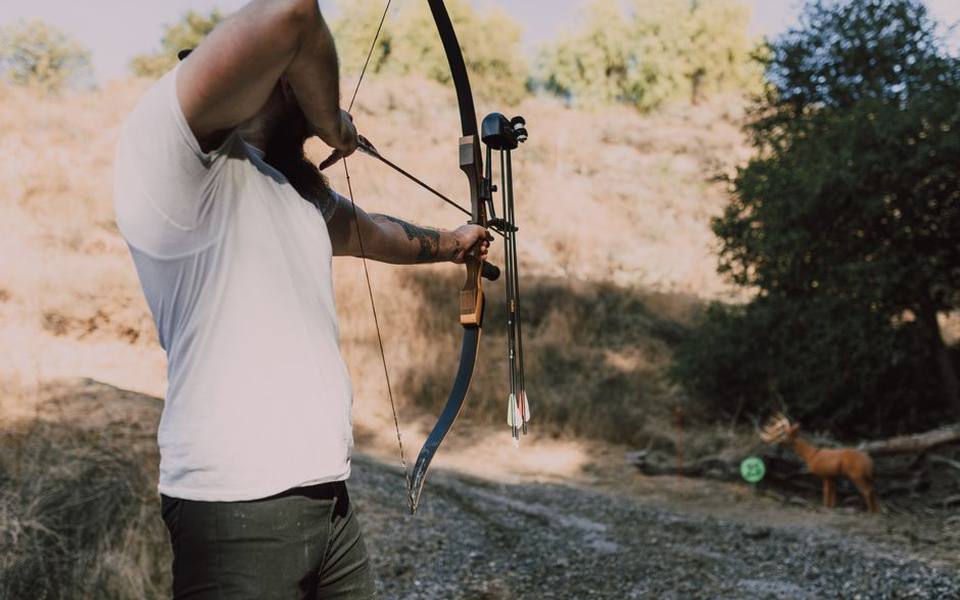
Hunting deer with a traditional recurve bow places pure woodsmanship and muscle memory ahead of mechanical leverage. Because recurve bows feature no mechanical let-off, the archer holds the entire draw weight on their fingers throughout the anchor phase. Most states mandate a minimum draw weight, often around forty to forty-five pounds for big game, which requires substantial back tension and physical conditioning to hold steadily without trembling.
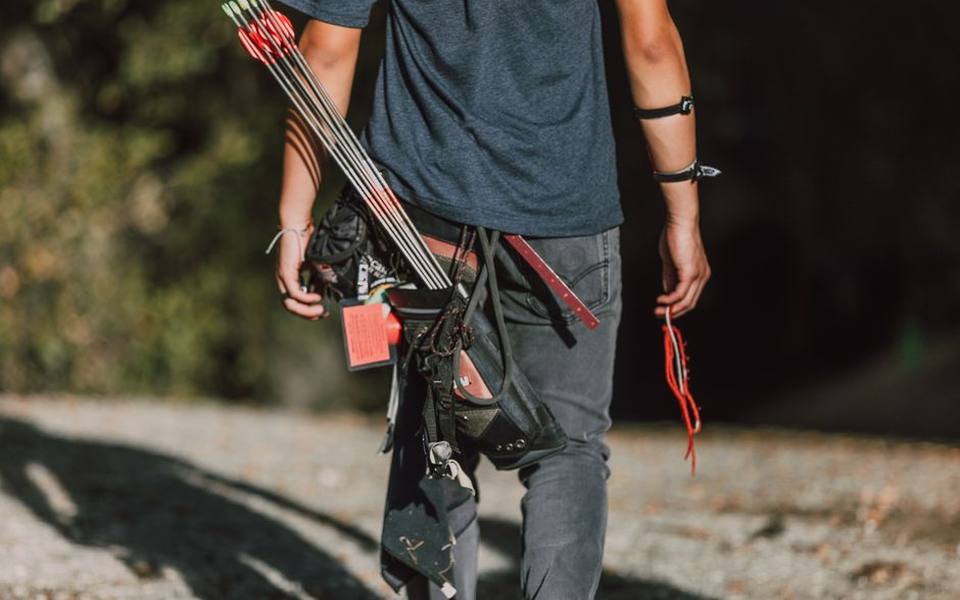
Arrow selection for a traditional hunting setup differs fundamentally from high-velocity compound configurations. Recurve hunters generally favor heavy arrow shafts paired with high-mass two-blade cut-on-contact broadheads to maximize forward momentum rather than raw speed. A heavy arrow absorbs a higher percentage of the energy delivered by the bow limbs, resulting in quiet releases that minimize the risk of alerting nearby deer before the arrow arrives.
Shooting consistency with a recurve relies on repeatable bodily mechanics rather than sight alignment. Hunters train themselves to anchor their index or middle finger at a fixed facial landmark, such as the corner of the mouth, while focusing both eyes exclusively on a specific hair in the deer's vital triangle. This instinctive method demands frequent practice year-round to maintain muscle memory, making it a demanding yet rewarding approach for dedicated woodsmen.
The Modern Compound Setup: Velocity, Let-Off, and Precision
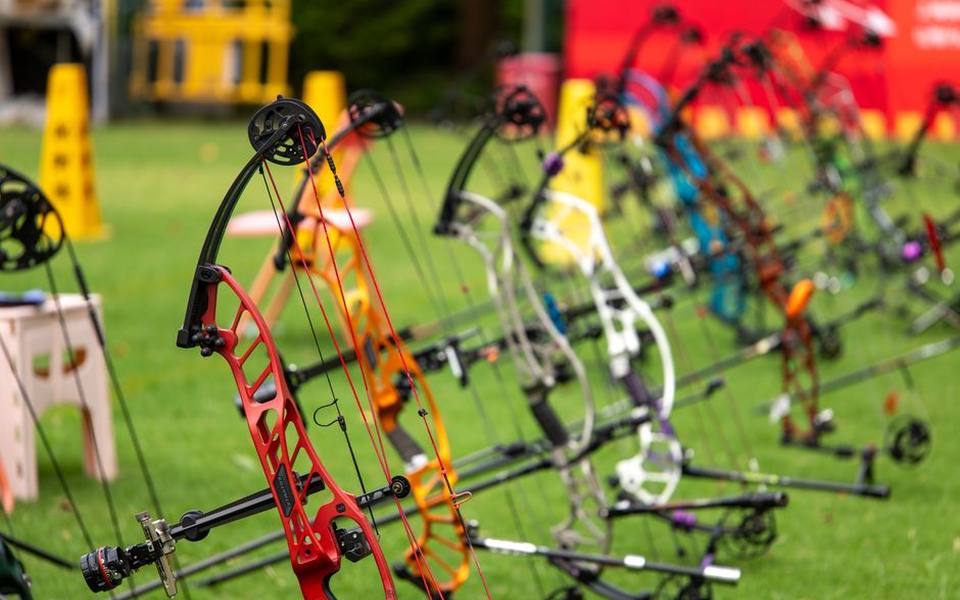
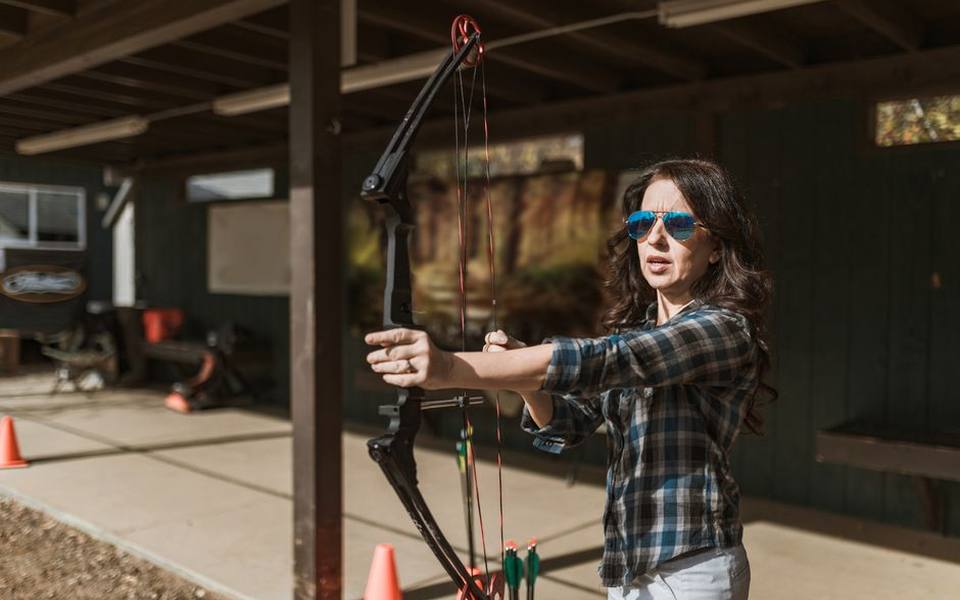
The contemporary compound bow remains the primary tool for deer hunters across North America due to its blend of speed, forgiveness, and repeatable accuracy. The dual-cam or hybrid-cam system rolls over at the apex of the draw cycle, reducing holding weight by seventy to eighty-five percent. This mechanical relief lets hunters wait through extended pauses while a whitetail feeds behind cover before presenting an unobstructed shot angle.
Modern compound risers are machined from rigid aluminum alloys or carbon fiber composites, keeping overall weight manageable while dampening shot vibration. Accessories such as micro-adjustable drop-away arrow rests, fiber-optic pin sights with third-axis leveling, and vibration-dampening stabilizers turn the bow into a precision system. These components compensate for small release inconsistencies, ensuring narrow arrow groups even in gusty wind or awkward tree-stand postures.
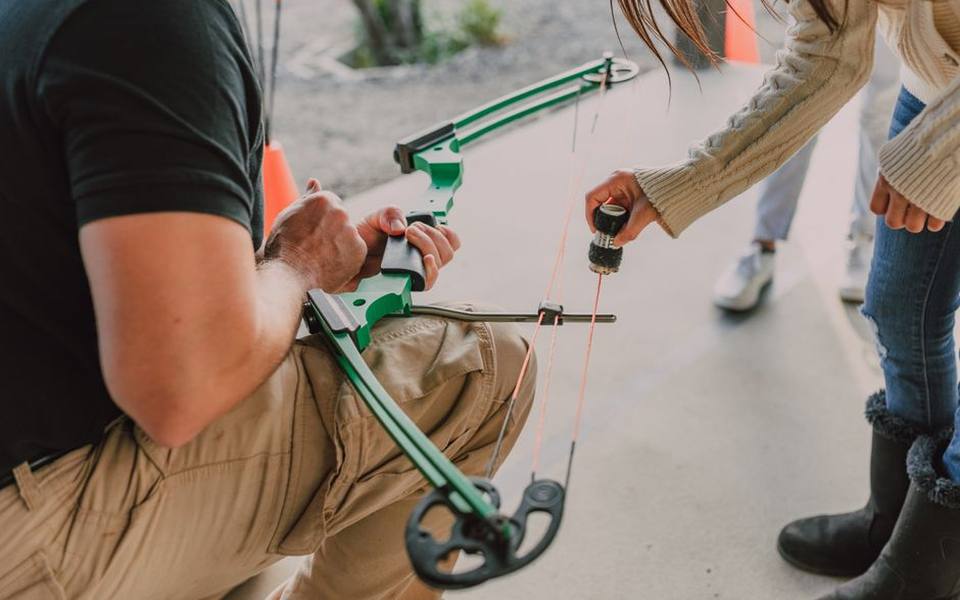
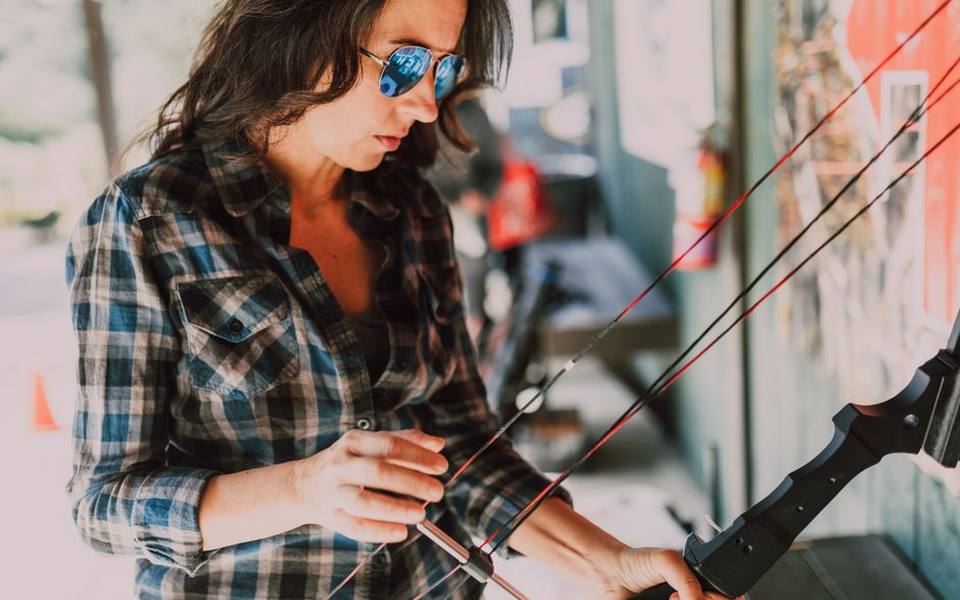
Tuning a compound bow requires balancing cam timing, limb pocket tension, and arrow spine stiffness. When cams rotate out of synchronization, arrow flight wobbles out of the gate, bleeding kinetic energy before impact and opening up downrange groups. Visiting dedicated technicians can help resolve these balance problems early, ensuring that your broadhead impacts at the exact point where field points land during practice.
Sourcing Reliable Deals on Compound Hunting Bows
Finding an affordable hunting setup does not require buying the newest flagship model freshly released for the autumn season. Bow manufacturers launch new product lines annually, causing previous-year models to drop in price while retaining nearly identical cam geometry and dampening technologies. Hunters can find substantial savings by exploring past-year inventory held by regional outdoor retailers or local archery pro shops looking to clear floor racks.
Ready-to-hunt compound packages provide another cost-effective avenue for entering the sport without piecing components together individually. These bundles include a pre-installed quiver, fiber-optic sight, arrow rest, peep sight, and wrist sling at a fraction of the cost of buying components separately. While avid hunters eventually upgrade accessories over time, packaged setups allow new archers to begin field shooting immediately within a predictable budget.
When purchasing used bows through classified listings or private sales, careful physical inspection is paramount before handing over payment. Look closely for hairline fractures along composite limbs, worn cable slide tracks, and frayed bowstrings near cam contact points. Buying used equipment often requires paying for new string sets and labor, so factor those maintenance expenses into the final calculation when comparing against new boxed alternatives.
Fitting and Tuning Measurements Before You Purchase
Purchasing a bow without verifying your exact draw length leads to erratic shooting form and shoulder fatigue in the stand. Draw length is determined by your wingspan and skeletal posture rather than your height, and shooting even one half-inch too long pushes your anchor point rearward, destabilizing your bow arm. Testing demo models at an indoor archery range ensures that your draw stop locks in firmly against your anchor points without neck straining.
Draw weight must be selected based on what you can pull back smoothly in cold weather, not your maximum gym bench press. After sitting stationary in freezing temperatures for four hours, drawing a seventy-pound bow straight back without raising your hands toward the sky becomes difficult. Most whitetail deer can be taken cleanly with fifty to sixty pounds of draw force when paired with sharp cut-on-contact broadheads.
Paper tuning remains the gold standard for verifying that an arrow leaves the bow riser perfectly straight. By firing through a sheet of butcher paper at six to eight feet, the fletching and broadhead cut a tear that reveals nock-high, nock-low, or sideways torque. Minor rest adjustments and cam shimming correct these flight tears, guaranteeing broadhead stability once hunting season begins.
Studying Hunting Footage to Understand Deer Behavior
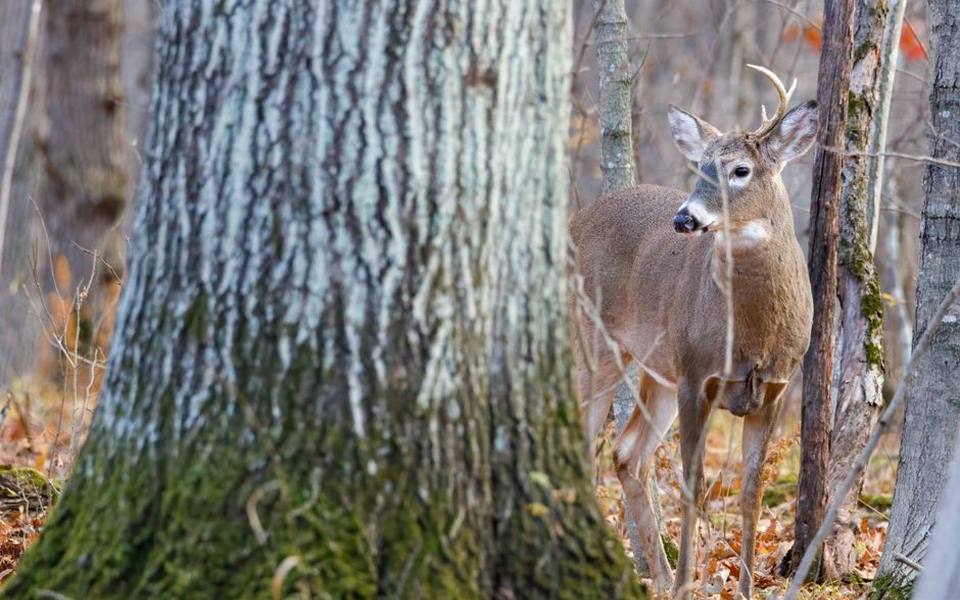
High-definition video has transformed how bowhunters study animal reactions, providing real-time data on deer response during release. Watching recorded whitetail encounters allows hunters to observe subtle alerts, such as head bobs, stomps, and ear twitches that indicate a deer is on edge. Recognizing these micro-behaviors helps an archer decide whether to release an arrow immediately or wait for the animal to relax its posture.

The phenomenon known as string jumping is plainly visible when slowing down hunting footage frame by frame. Sound travels through air at roughly eleven hundred feet per second, far faster than any compound or recurve arrow can travel downrange. An alert whitetail hears the bow snap, drops its center of gravity by crouching its legs to spring away, and can drop eight to twelve inches before the arrow covers thirty yards.
Reviewing field video also highlights how wind direction and thermal drafts influence animal movement around stands. Watching where deer check downwind margins before stepping into clearings teaches hunters how to position tree stands relative to bedding cover. Video study reinforces the reality that shot opportunities rarely unfold as cleanly as flat practice sessions on manicured grass.
Evaluating Shot Placement and Terminal Impact Angles
Analyzing terminal impact points on recovered deer is essential for developing consistent, ethical shot judgment in the field. The chest cavity of a whitetail presents a vital target zone roughly the size of an eight-inch paper plate containing the heart and primary lung lobes. Broadside presentations offer the largest target surface, allowing arrows to puncture both lungs and cause rapid, humane drops within short distances.
Quartering-away shots provide another effective presentation by directing the arrow path forward through the liver, lungs, and opposite shoulder socket. Hunters must visualize the internal three-dimensional layout of the deer rather than aiming at outer hide spots. If an animal stands quartering toward the shooter, the shoulder blade and heavy humerus bone shield the forward vitals, making that shot angle ill-advised for archery tackle.
Footage of hunting impacts demonstrates why patience after the shot is as important as the release itself. When an arrow hits vitals, pushing an animal by trailing too early can drive an adrenaline-fueled deer onto neighboring private boundaries. Giving an animal thirty to sixty minutes of quiet recovery time ensures it lies down near the impact zone without alerting further.
Broadhead Selection and Arrow Weight Dynamics
Choosing between mechanical broadheads and fixed-blade designs depends heavily on your bow’s total kinetic energy and draw weight. Fixed-blade heads feature solid steel blades anchored directly to the ferrule, making them durable enough to punch through thick ribs or bone without deflection. They require meticulous broadhead tuning so their blade surfaces do not steer the arrow off course like airplane wings in flight.
Mechanical expandable broadheads stay closed during flight, providing aerodynamic flight identical to practice field points at high velocities. Upon impact, the blades deploy outward, producing wide entry and exit cuts that lead to heavy blood trails on ground foliage. However, mechanical heads consume kinetic energy during deployment, which can reduce total penetration on lower-poundage bows or heavy bone strikes.
Total arrow weight—combining the shaft, insert, nock, fletching, and point—serves as the primary driver of downrange momentum. While lightweight arrows post fast chronograph numbers, heavier hunting arrows carry their momentum deeper through hide, meat, and bone. Striking a middle ground between four hundred and four hundred and seventy grains generally delivers balanced speed and bone-splitting mass for whitetails.
Realistic Practice Beyond the Backyard Target
Shooting stationary bullseye targets at known distances builds fundamental form, but it does not prepare an archer for real deer hunting. Stepping onto public 3D archery courses simulates actual hunting conditions by placing lifelike foam targets at unmarked distances among trees, brush, and elevation drops. Learning to aim at unmarked foam bodies trains your eyes to locate vitals without relying on contrasting colored target rings.
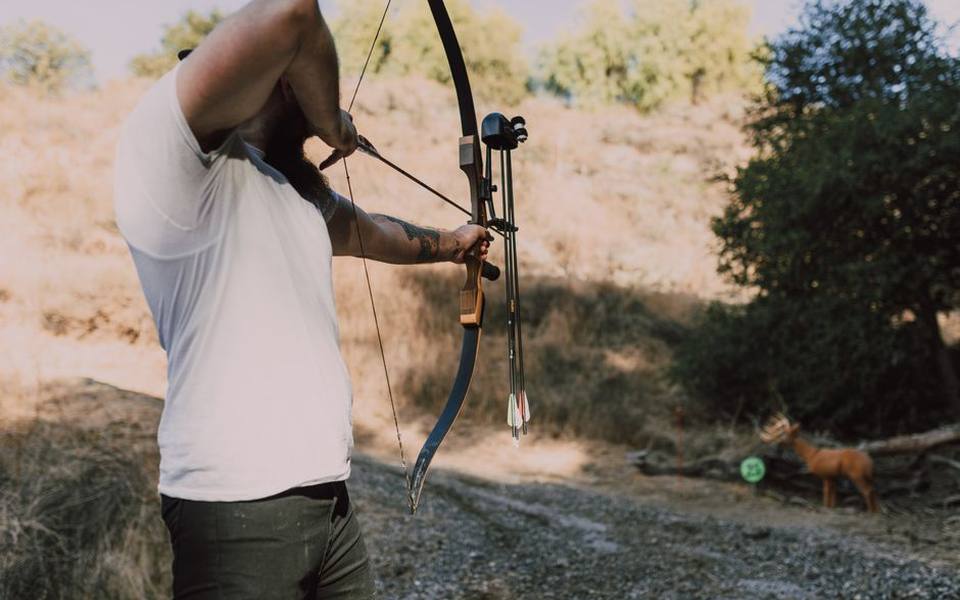
Elevated shooting requires a distinct posture correction that flat-ground target shooters frequently overlook. When aiming down from a fifteen-foot platform, hunters must bend at the waist rather than lowering their bow arm at the shoulder socket. Dropping the arm independently shifts the draw geometry, resulting in high hits that graze over the deer's spine or miss entirely.
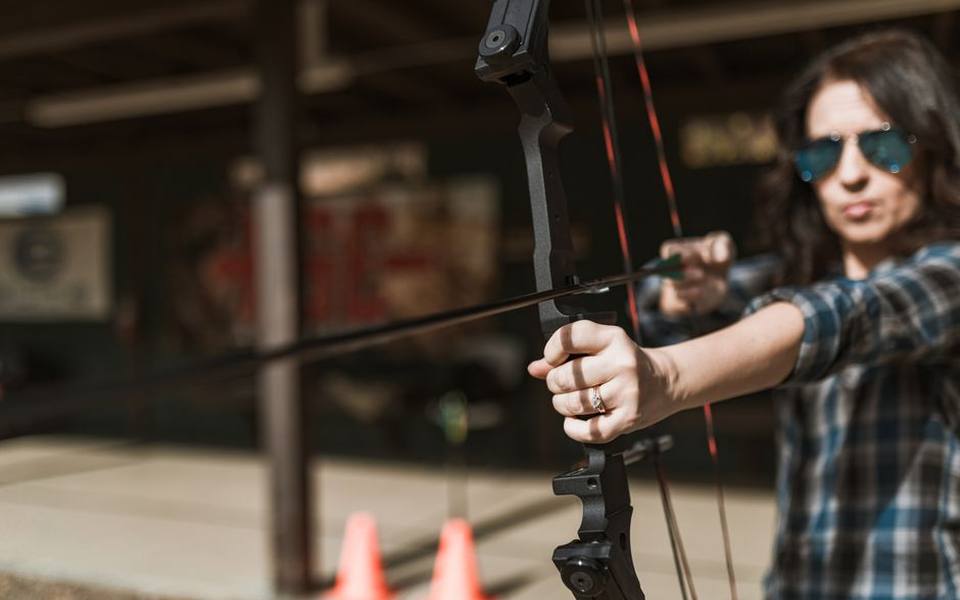
Practicing in full cold-weather hunting gear is another critical preparatory step before opening weekend arrives. Bulky jackets, facemasks, safety harnesses, and heavy gloves alter how the bowstring clears your chest and how the release mechanism fits your index finger. Taking initial pre-season shots under the guidance of hands-on archery lessons can help clean up form flaws caused by cold-weather apparel.
Pre-Season Equipment Checklist and Final Readiness
Before loading equipment into your vehicle for opening week, a thorough inspection of your bow system prevents mechanical failures in remote timber. Wax your bowstring fibers thoroughly, inspect cable servings for separation around tight cam turns, and check every sight and rest bolt with a torque wrench. Screws on hunting bows frequently loosen after months of shooting vibration and road travel in truck beds.
Confirm that your broadheads spin true on your selected hunting arrows by rolling them across a flat table or using an arrow spin tester. Any wobble visible at the broadhead tip indicates an uneven shaft cut or an unaligned insert face, which will veer the arrow off course. Mark each hunting arrow and shoot it through target media to confirm that your hunting quiver holds only proven performers.
Finally, ensure your hunting equipment complies with all local game commission rules regarding minimum draw weights, broadhead blade dimensions, and electronic accessories. Whether you are climbing stands in the hardwoods of the Midwest or still-hunting through southern pines, preparation ensures you enter the woods confident in your gear's ethical harvesting capability.
Published 2026-09-21 · reviewed with each rebuild, last October 2026.
Find archery ranges & sports shops near you
The directory lists 38,975 archery ranges & sports shops by state and city — pick your state or use the “Near me” button in the header.
More guides
-
 Money
MoneyA Guide to Archery Range Fees and Lesson Costs
-
 Buying
Choosing Broadheads and Aiming for the Perfect Shot
-
 Service
DIY Bow Maintenance, Tuning, and Basic Repairs
-
 Buying
Choosing Sights and Rangefinders for Better Accuracy
-
 Buying
Essential Gear for Target Practice and Bowhunting Preparation
-
 Money
MoneyUnderstanding Bow Purchase and Restringing Costs: A Complete Pricing Guide
-
 Owning
Arrow Selection, Cutting, and Fletching at Home: A Complete Guide
-
 Safety
Bowhunting Shot Placement Guide for Deer and Turkey
-
 Buying
Complete Guide to Choosing the Best Crossbow Broadheads
-
 Money
MoneyHow Much Does Archery Cost? A Realistic Beginner Budget
-
 Buying
Choosing the Right Arrows and Field Points: Shaft Materials, Weights, and Tuning
-
 Buying
Best Archery Sets for Beginners: Complete Buyer Guide and Starter Tips
-
 Owning
Best Archery Targets and Backstops: 3D, Foam, Bag, and DIY Setup Guide
-
 Buying
Beginner Archery Buying Guide: Recurve, Compound, and Traditional Bows
-
 Buying
Bowfishing Equipment Guide: Bows, Reels, Arrows, and Rigging Setups
-
 Owning
Lighted Nocks and DIY Arrow Building: Fletching, Cutting, and Tuning
-
 Buying
Crossbow Bolts, Broadheads, and Cocking Devices: Complete Buyer's Guide
-
 Buying
Complete Arrow Selection Guide: Carbon Shafts, Spine, Length, and Brands
-
 Safety
Archery Protective Gear: Arm Guards, Chest Protectors, Tabs, and Slings
-
 Buying
Archery Quivers Buying Guide: Hip, Back, and Bow-Mounted Options
-
 Buying
Bow Release Aids Explained: Wrist Strap, Thumb Button, and Hinge Releases
-
 Owning
Compound Bow Tuning and Care: Strings, Wax, Stabilizers, and Cases
-
 Buying
Arrow Rests Compared: Whisker Biscuit, Cable-Driven, and Limb-Driven
-
 Safety
Archery Lessons, Proper Form, Range Etiquette, and Youth Programs
-
 Owning
Complete Guide to Single Pin Bow Sights and Sight Tapes
-
 Owning
Arrow Selection and DIY Arrow Building: Shafts, Fletching, and Tools
-
 Owning
Finding Archery Ranges, Pro Shops, Clubs, and Instructor Programs
-
 Buying
Best Hunting Broadheads: Fixed Blade vs Mechanical Broadheads
-
 Buying
Archery Targets Guide: 3D Targets, Bags, Blocks, and DIY Backstops
-
 Buying
Archery Quivers Guide: Bow-Mounted, Hip, Back, and Crossbow Quivers
-
 Service
Bow Tuning and Setup: Paper Tuning, Arrow Rests, and Bow Maintenance
-
 Buying
Bowfishing Gear Guide: Bows, Rigs, Arrows, and Setup Options
-
 Owning
Essential Archery Accessories: Lighted Nocks, Arrow Pullers, and Arm Guards
-
 Buying
Archery Release Aids Guide: Thumb, Hinge, Wrist, and Mechanical Releases
-
 Buying
Essential Bowhunting Gear, Deer Supplies, and Gift Guide
-
 Buying
Crossbow Buying Guide: Matching Platforms, Bolts, Optics, and Fletching
-
 Buying
Beginner Bow & Arrow Starter Kits: How to Choose Your First Setup
-
 Owning
Traditional Archery, Longbows, and Primitive Gear
-
 Buying
Compound Bow Setup, Tuning, Form, and Equipment Guide
-
 Owning
Compound Bow Release Aids and Grip Tape: Enhancing Control and Consistency
-
 Service
Crossbow Maintenance: String Replacement and Scope Sighting Guide
-
 Owning
Broken Bow Cabin Rentals: Complete Beavers Bend Vacation Guide
-
 Safety
Broken Bow Lake Rentals: Complete Guide to Boats, ATVs, and Trail Gear