Understanding Crossbow Bolt Anatomy and Core Specifications
Choosing the right crossbow bolt starts with understanding that modern horizontal bows exert immense dynamic force on an arrow shaft compared to traditional vertical equipment. A bolt is essentially a shortened, reinforced arrow built to withstand violent acceleration from heavy draw weights without flexing unpredictably. When selecting ammunition, shooters must balance total finished weight, shaft outer diameter, spine stiffness, and insert thread sizes. Running a shaft that is too light or insufficiently stiff can mimic a dry fire, causing limb damage or catastrophic equipment failure.
The overall mass of your projectile is measured in grains and directly affects downrange energy, flight trajectory, and noise levels. A complete hunting projectile typically includes the bare carbon tube, brass or aluminum front insert, vanes, nock, and either a practice tip or broadhead. Most manufacturers publish a strict minimum projectile weight, often falling between 370 and 420 grains, below which shooting immediately voids equipment warranties. Lighter setups deliver flatter trajectory at moderate ranges, while heavier mass setups penetrate deeper and absorb more kinetic energy from the bow limbs.
Spine consistency remains paramount because crossbows launch projectiles down an extruded rail rather than around an arrow rest. If the carbon composite deflects inconsistently off the latch, the projectile leaves the flight deck with severe oscillation that broadheads will magnify downrange. High-grade carbon constructions utilize multidirectional carbon weaves to resist torsional twist and retain straightness tolerances within a few thousandths of an inch after repeated impacts into dense target backstops.
Selecting Shaft Length and the Standard Twenty-Inch Profile
Shaft length directly governs where your cutting head sits relative to the stirrup and riser when cocked. While manufacturers specify lengths ranging from sixteen to twenty-two inches, crossbow bolts twenty inch configurations have long served as the baseline standard across major platform designs. This length provides adequate rail contact surface for balanced acceleration while keeping the cutting diameter safely beyond the finger guards and riser assembly. Using a shaft that is too short can pull sharp blades behind the foot stirrup, creating severe handling hazards during release.
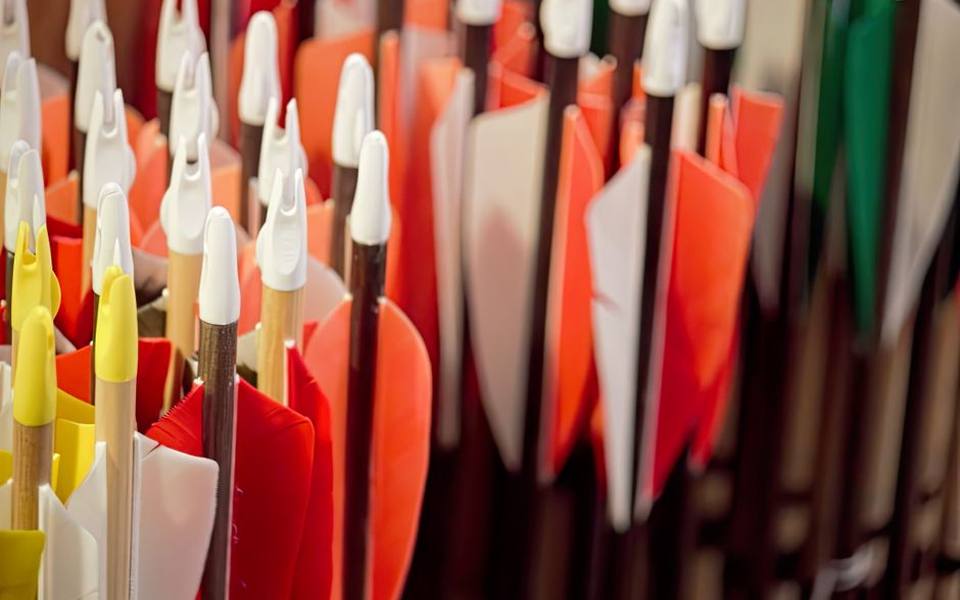
Choosing an improper length also alters your center of front-of-center balance, commonly known as FOC. Longer shafts shift mass further back toward the rail latch unless compensated by heavier brass inserts at the front end. When shooting broadheads at high speeds, a higher front balance percentage—typically between fifteen and twenty percent—helps pull the rear of the arrow smoothly through crosswinds. A twenty-inch platform generally provides sufficient room to experiment with different insert weights and vane profiles without compromising clearance.
Before purchasing replacement packages, always measure from the inside groove of the nock to the end of the threaded insert rather than counting overall broadhead length. Compact platform designs introduced in recent years sometimes mandate shorter eighteen-inch or sixteen-inch tubes to match narrowed limb geometries and forward-draw assemblies. Checking your owner manual ensures your chosen shaft length permits full broadhead clearance without contacting dampeners, cable slides, or the forward riser frame during dynamic firing strokes.
Nock Profiles and Platform Compatibility Requirements
Nock selection represents one of the most critical safety checkpoints when assembling your shooting gear. In the past, half-moon and flat nocks accounted for nearly all production platforms, but modern high-energy strings demand tighter tolerances and specialized engagement profiles. A flat nock allows the string to push squarely against the rear face, whereas a half-moon nock features an alignment groove that must sit precisely perpendicular to the cock vane to prevent string jump. If a half-moon groove sits misaligned on the string latch, the high-tension serving can slide over or under the shaft.
Proprietary capture designs, such as engineered deep-groove profiles found on TenPoint crossbow arrows and specialized Alpha-style nock components, prevent high-poundage bowstrings from slipping off narrow track systems. As modern platforms push draw weights upward and narrow axle-to-axle dimensions reduce string angles, standard half-moon components risk catastrophic derailment. These specialized engagement nocks capture the serving securely across the power stroke, ensuring uniform pressure transfer across the rear diameter of the carbon shaft during violent release.
Technicians at established Archery Pro Shops regularly inspect customer gear for nock compatibility issues before allowing shooters onto firing lanes. Firing an incompatible rear cap can split carbon walls, deform bowstrings, or trigger dry-fire events that splinter composite limbs. When sourcing aftermarket shafts or building custom batches, verify that the rear insert matches your receiver's trigger box geometry, anti-dry-fire catch mechanism, and center-serving diameter exactly as specified by the platform builder.
Hunting Bolt Selection and Carbon Wall Construction
Choosing crossbow bolts for hunting requires focusing on structural durability and raw kinetic retention rather than target speed alone. High-impact hunting situations subject arrows to extreme shear forces when striking heavy bone or dense target layers. Premium carbon assemblies, exemplified by dense carbon cross designs like Carbon Express and related heavy-wall hunting lines, incorporate specific exterior weaves that reinforce hoop strength. This structural design prevents the shaft from mushrooming at the insert upon hard terminal impacts.
Straightness tolerance separates budget field ammunition from dependable hunting grade shafts. Factory offerings typically fall within straightness tolerances from six-thousandths down to one-thousandth of an inch. While recreation plinking handles wider variations without dramatic misses, large cutting heads turn minor shaft curvature into substantial flight deviations at forty yards. Hunting setups deliver tighter groupings when every tube in the quiver displays identical spine deflection and grain weight tolerances within two grains of each other.
Vane configuration plays a secondary but crucial stabilizing role for terminal hunting bolts. Stiff, high-profile two-to-three-inch vanes offset with helical angles create rapid rotational stabilization right off the barrel track. Crossbow bolts travel at speeds far exceeding vertical compound arrows, generating intense wind resistance on broadhead surfaces. Robust fletching materials prevent flutter, steering the hunting projectile true through turbulent air currents without degrading rail clearance inside narrow flight tracks.
Navigating Broadhead Dynamics for High-Velocity Launch
Selecting appropriate xbow broadheads requires an understanding of how extreme speeds affect aerodynamic planing. When an arrow leaves a track at over three hundred and fifty feet per second, standard vertical bow heads can catch crosswinds like wings, steering the shaft off target. Dedicated crossbow models feature reinforced steel ferrules, thicker blades, and stiff retention systems designed to handle the instantaneous energy transfer delivered by heavy limbs without pre-deploying or bending.
Fixed-blade heads offer mechanical simplicity, zero moving parts, and dependable bone penetration on big game. However, because fixed vents remain exposed throughout the entire flight path, micro-variations in bolt straightness or crosswinds can cause downrange drift. Shooters relying on fixed designs typically select low-profile, four-blade or three-blade cut-on-contact profiles with modest cutting diameters around one inch to reduce surface resistance while maintaining deep wound channel capability.
Before taking fixed heads into the woods, testing their flight alongside field points at Indoor Archery Ranges helps confirm rail clearance and point-of-impact alignment. Target setups in controlled indoor settings eliminate wind interference, allowing hunters to see whether blade planing or shaft spine misalignment causes unexpected drift. Fine-tuning dynamic flight indoors prevents costly broadhead loss and guarantees ethical performance before long-range field conditions arise.
Mechanical and Expandable Heads Built for Fast Crossbows
Mechanical broadheads represent the most widely used terminal gear on modern high-speed horizontal platforms. Models engineered around slip-cam mechanics, such as the Rage Hypodermic crossbow series, utilize high-strength shock collars to keep expandable blades locked tightly into the ferrule during sudden release acceleration. If broadhead blades open even partially mid-flight, wind resistance immediately steers the projectile off course and destabilizes flight balance.
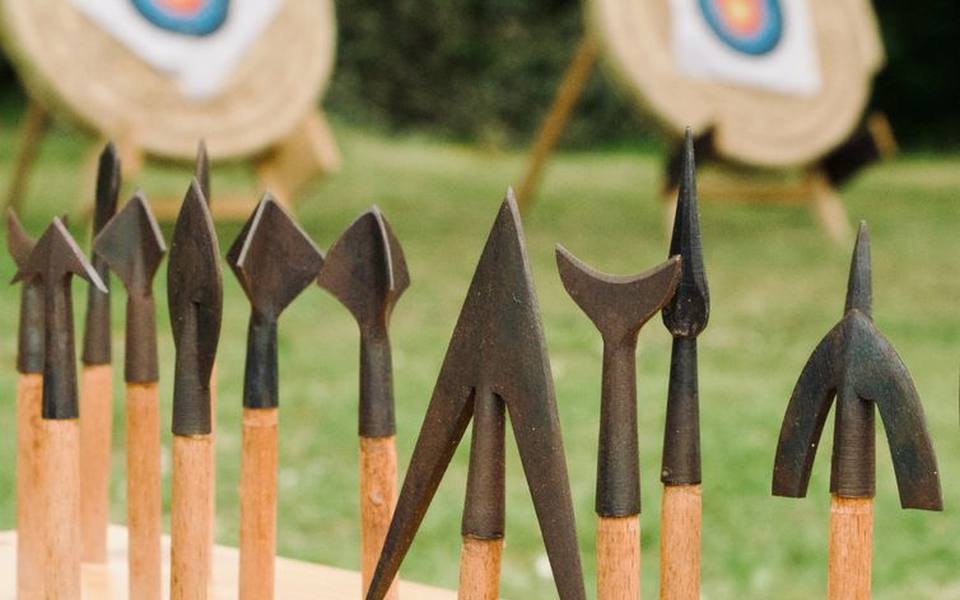
Similarly, large-cutting expandable systems like the G5 Mega Meat crossbow platforms use heavy-duty retention springs and chisel tips to deliver massive cutting channels through game. High-kinetic crossbows produce sufficient momentum to deploy multi-blade mechanical heads through ribs and vitals without stalling penetration. However, hunters must verify that their chosen expandable model is specifically labeled for high-energy bows, as vertical bow versions often feature lighter deployment springs that open prematurely under violent rail acceleration.
Blade replacement, ferrule alignment, and collar condition must be inspected after every practice shot into foam targets. Reusing plastic retention collars or slightly bent pivot pins compromises aerodynamic integrity on subsequent shots. Serious marksmen reserve designated practice heads for pre-season sight checks and thread fresh hunting blades onto true shafts when loading their quiver for active hunts.
Manual Cocking Aids and Rope Sled Systems
Operating a heavy horizontal bow safely requires a reliable cocking device for crossbow shooting sessions. While some traditional light platforms permit manual cocking by hand, doing so is physically grueling and inherently uneven. Pulling bowstrings by hand introduces lateral torque, seating the center serving slightly off-center inside the trigger latch. An off-center latch engagement causes erratic horizontal shot dispersion, regardless of how finely tuned your scope or bolts may be.
A dual-handle rope cocking harness remains the most common and cost-effective cocking tool in the industry. Utilizing simple mechanical pulley mechanics, a rope cocker reduces the felt draw effort by approximately fifty percent while guiding hooks along the rail track. Sled-style rope devices integrate molded composite guides that ride flush against barrel grooves, ensuring the string remains square across the track until the latch clicks securely into the cocked position.
Routine maintenance on rope cockers focuses on inspectable wear points like cord frays, cracked handles, and deformed hook pins. Carrying a backup rope cocker in your field pack prevents hunt-ending disasters if a cord snaps miles from camp. Before stepping onto active shooting lanes, practicing the rhythmic motion of stepping into the foot stirrup and smoothly drawing the sled upward protects lower back muscles and ensures repeatable, centered string placement.
Integrated Crank Cocking Mechanisms for Reduced Draw Effort
For hunters managing physical limitations, high draw weights, or tight hunting blinds, an integrated crank cocking device for crossbow platforms provides an indispensable mechanical advantage. Crank mechanisms mount directly onto the buttstock or recess into receiver cavities, using gear ratios to reduce draw effort down to ten pounds or less. This allows users of all strengths to manage heavy-poundage hunting tools safely without risking shoulder strain or physical fatigue.
Modern crank assemblies fall into two operational categories: fully integrated stock mechanisms and detachable field units. Integrated designs feature internal ratchets that lock the string carriage at any point along the track, preventing handle back-spin if your grip slips midway through the cycle. Detachable cranks offer an alternative for shooters who prefer stripping mechanical weight off the buttstock once cocked, carrying the winding unit separately in a hunting pack.
Crank systems also provide quiet, controlled field decocking capabilities on equipped platforms, eliminating the need to carry dedicated discharge bolts into the woods. Slowly winding the carriage back down safely relaxes limb energy at sunset without dry firing or launching an arrow into the dirt. However, gears, tension cords, and release clutches require periodic light lubrication and inspection to prevent mechanical binding during chilly morning sits.
Big-Box Retail Displays versus Specialized Outfitter Selection
When purchasing ammunition and accessories, sports shoppers often weigh mass-market retailers like the crossbow Bass Pro inventory against specialized regional archery stores. Large outfitter shelves offer broad access to bundled packages, factory standard shafts, and volume accessories from popular equipment lines. For beginners picking up starter kits or standard replacement supplies, national retailers provide convenient convenience and competitive retail prices.
However, big-box stores often stock pre-packaged bolts with standardized lightweight inserts that may not optimize your platform's flight potential or meet minimum grain thresholds. Factory arrows pulled from general displays often feature basic flat or half-moon caps that do not match specialized deep-groove or proprietary nock receiver standards. Relying solely on retail packaging labels without cross-referencing owner guidelines can lead to mismatched components that cause erratic flight or trigger latch issues.
Consulting independent bow mechanics gives shooters access to custom spine-indexing, grain-matched weight sorting, and specific insert pairing. Local shops cut raw carbon tubes to custom lengths, squaring both ends on precision saws to ensure absolute broadhead alignment. Exploring options across regional networks like Archery Ranges in Pennsylvania or Archery Ranges in Wisconsin connects you with experienced professionals who understand exact regional hunting requirements and state-specific equipment regulations.
Field Verification, Practice Lanes, and Dynamic Trajectory
Assembling matched bolts, verified nocks, and tuned heads culminates in extensive downrange testing on realistic practice ranges. Field points provide baseline grouping data, but broadheads create distinct aerodynamic drag that alters point of impact beyond thirty yards. Devoting range sessions to confirming your scope reticle matches true hunting projectile flight builds confidence before stepping into dense hunting cover.

Shooting across varied target elevations on 3D Archery Courses simulates realistic hunting angles where downward trajectory alters bolt impact and clearance. Foam anatomical targets also reveal how broadhead configurations penetrate through dense foam media compared to field tips. Practicing off shooting sticks, tree stands, and blind rails exposes clearance mistakes before an expensive carbon shaft strikes an obstacle during a critical shot.
Hunters traveling across diverse regions can locate public practice destinations and member clubs through the complete catalog of archery ranges across the United States. Regular practice develops muscle memory for smooth cocking, secure latch engagement, and steady trigger squeeze. Consistently testing gear on certified lanes ensures broadheads, bolts, and optics work in complete harmony whenever you pull the trigger.
Published 2026-09-21 · reviewed with each rebuild, last October 2026.
Find archery ranges & sports shops near you
The directory lists 38,975 archery ranges & sports shops by state and city — pick your state or use the “Near me” button in the header.
More guides
-
 Money
MoneyA Guide to Archery Range Fees and Lesson Costs
-
 Buying
Choosing Broadheads and Aiming for the Perfect Shot
-
 Service
DIY Bow Maintenance, Tuning, and Basic Repairs
-
 Buying
Choosing Sights and Rangefinders for Better Accuracy
-
 Buying
Essential Gear for Target Practice and Bowhunting Preparation
-
 Money
MoneyUnderstanding Bow Purchase and Restringing Costs: A Complete Pricing Guide
-
 Owning
Arrow Selection, Cutting, and Fletching at Home: A Complete Guide
-
 Safety
Bowhunting Shot Placement Guide for Deer and Turkey
-
 Buying
Complete Guide to Choosing the Best Crossbow Broadheads
-
 Money
MoneyHow Much Does Archery Cost? A Realistic Beginner Budget
-
 Buying
Choosing the Right Arrows and Field Points: Shaft Materials, Weights, and Tuning
-
 Buying
Best Archery Sets for Beginners: Complete Buyer Guide and Starter Tips
-
 Owning
Best Archery Targets and Backstops: 3D, Foam, Bag, and DIY Setup Guide
-
 Buying
Beginner Archery Buying Guide: Recurve, Compound, and Traditional Bows
-
 Buying
Bowfishing Equipment Guide: Bows, Reels, Arrows, and Rigging Setups
-
 Owning
Lighted Nocks and DIY Arrow Building: Fletching, Cutting, and Tuning
-
 Buying
Complete Arrow Selection Guide: Carbon Shafts, Spine, Length, and Brands
-
 Safety
Archery Protective Gear: Arm Guards, Chest Protectors, Tabs, and Slings
-
 Buying
Archery Quivers Buying Guide: Hip, Back, and Bow-Mounted Options
-
 Buying
Bow Release Aids Explained: Wrist Strap, Thumb Button, and Hinge Releases
-
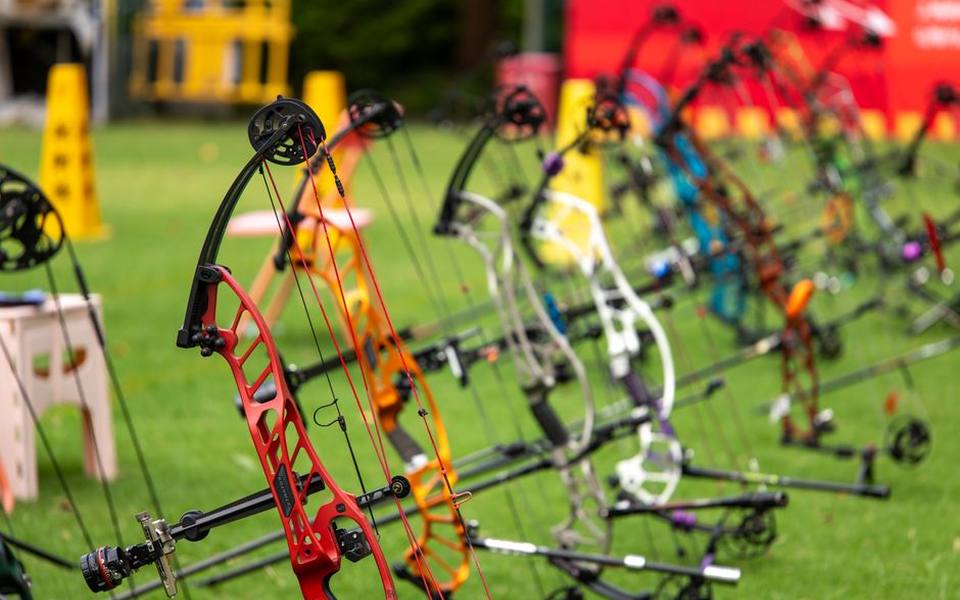 Owning
Compound Bow Tuning and Care: Strings, Wax, Stabilizers, and Cases
-
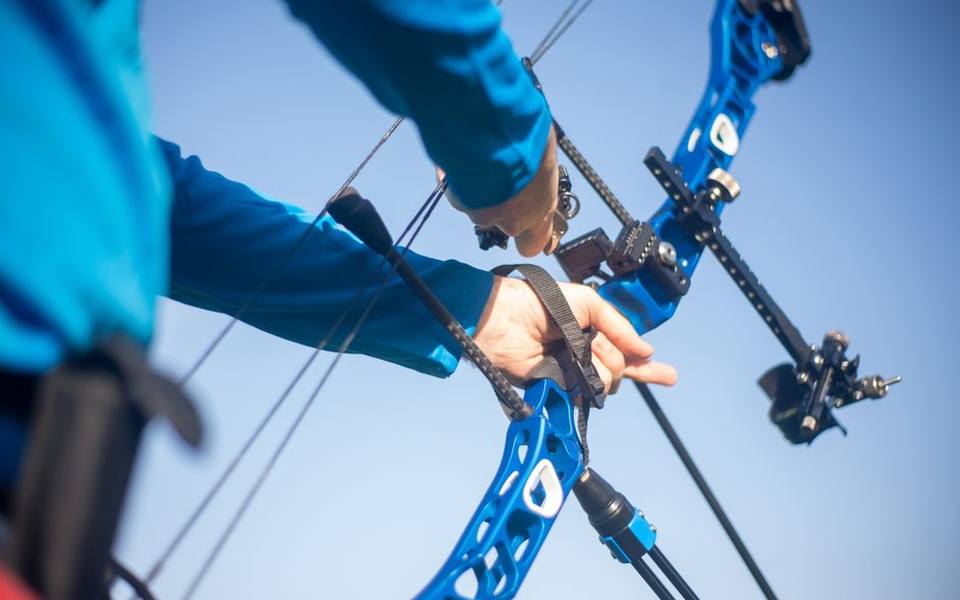 Buying
Arrow Rests Compared: Whisker Biscuit, Cable-Driven, and Limb-Driven
-
 Safety
Archery Lessons, Proper Form, Range Etiquette, and Youth Programs
-
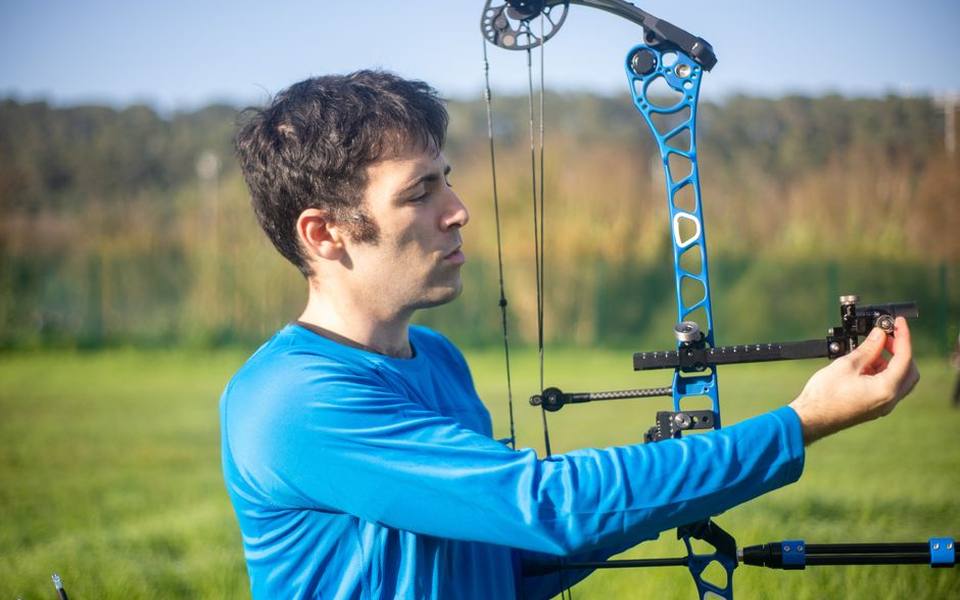 Owning
Complete Guide to Single Pin Bow Sights and Sight Tapes
-
 Owning
Arrow Selection and DIY Arrow Building: Shafts, Fletching, and Tools
-
 Owning
Finding Archery Ranges, Pro Shops, Clubs, and Instructor Programs
-
 Buying
Best Hunting Broadheads: Fixed Blade vs Mechanical Broadheads
-
 Buying
Archery Targets Guide: 3D Targets, Bags, Blocks, and DIY Backstops
-
 Buying
Archery Quivers Guide: Bow-Mounted, Hip, Back, and Crossbow Quivers
-
 Service
Bow Tuning and Setup: Paper Tuning, Arrow Rests, and Bow Maintenance
-
 Buying
Bowfishing Gear Guide: Bows, Rigs, Arrows, and Setup Options
-
 Owning
Essential Archery Accessories: Lighted Nocks, Arrow Pullers, and Arm Guards
-
 Buying
Archery Release Aids Guide: Thumb, Hinge, Wrist, and Mechanical Releases
-
 Buying
Essential Bowhunting Gear, Deer Supplies, and Gift Guide
-
 Buying
Crossbow Buying Guide: Matching Platforms, Bolts, Optics, and Fletching
-
 Buying
Beginner Bow & Arrow Starter Kits: How to Choose Your First Setup
-
 Owning
Traditional Archery, Longbows, and Primitive Gear
-
 Buying
Deer Hunting Bows: Comparing Recurve and Compound Setups, Finding Deals, and Studying Hunting Film
-
 Buying
Compound Bow Setup, Tuning, Form, and Equipment Guide
-
 Owning
Compound Bow Release Aids and Grip Tape: Enhancing Control and Consistency
-
 Service
Crossbow Maintenance: String Replacement and Scope Sighting Guide
-
 Owning
Broken Bow Cabin Rentals: Complete Beavers Bend Vacation Guide
-
 Safety
Broken Bow Lake Rentals: Complete Guide to Boats, ATVs, and Trail Gear