The Enduring Appeal of the Traditional Longbow
Traditional longbow shooting strips archery down to its bare fundamentals: a piece of wood, a single string, and an arrow guided entirely by eye and muscle memory. Unlike modern compound rigs that rely on mechanical let-off cams and fiber-optic sights, shooting a classic longbow demands physical connection and repeatable biomechanics. Archers gravitate toward these classic bows because every hit or miss belongs solely to the shooter. The feeling of drawing a smooth wooden bow to full anchor creates an engaging rhythm that modern archery often filters out through technological assists.
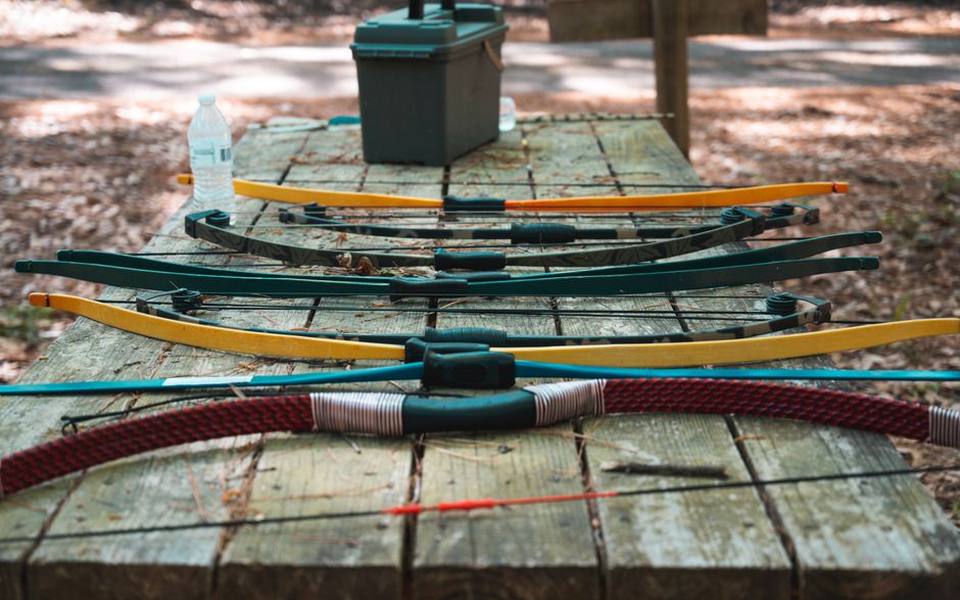
Longbow designs generally fall into two broad historical styles: the English straight-limbed D-section bow and the American semi-flatbow or reflex-deflex hybrid. English styles feature deep, narrow bellies cut from single pieces of timber, historically yew or osage, which flex into a continuous crescent shape. American styles typically widen across the working limb and taper toward narrow tips, frequently incorporating a slight forward reflex at the unstrung resting state to reduce hand shock. Both styles reward a relaxed grip and a smooth, unhurried draw cycle.
Stepping into traditional archery also transforms how you think about shot execution. Because you lack pins or peep sights, your vision focuses entirely on the smallest distinct speck on your target. This instinctive aiming method relies on the brain calculating trajectory over hundreds of repetitions, much like throwing a baseball or skipping a stone across water. While the learning curve feels steep initially, mastering a basic longbow delivers unmatched satisfaction when your arrows cluster tightly in the center of the bale.
Wooden Staves and Modern Laminated Limbs
Choosing between an all-wood self bow and a modern laminated longbow usually comes down to maintenance expectations and shooting performance. Self bows are crafted from a single stave of wood such as hickory, ash, or osage orange, preserving the natural grain flow across the entire limb. These primitive sticks deliver genuine historical aesthetics, but they are susceptible to humidity changes, can take a permanent bend known as string follow, and demand careful conditioning before each shooting session.
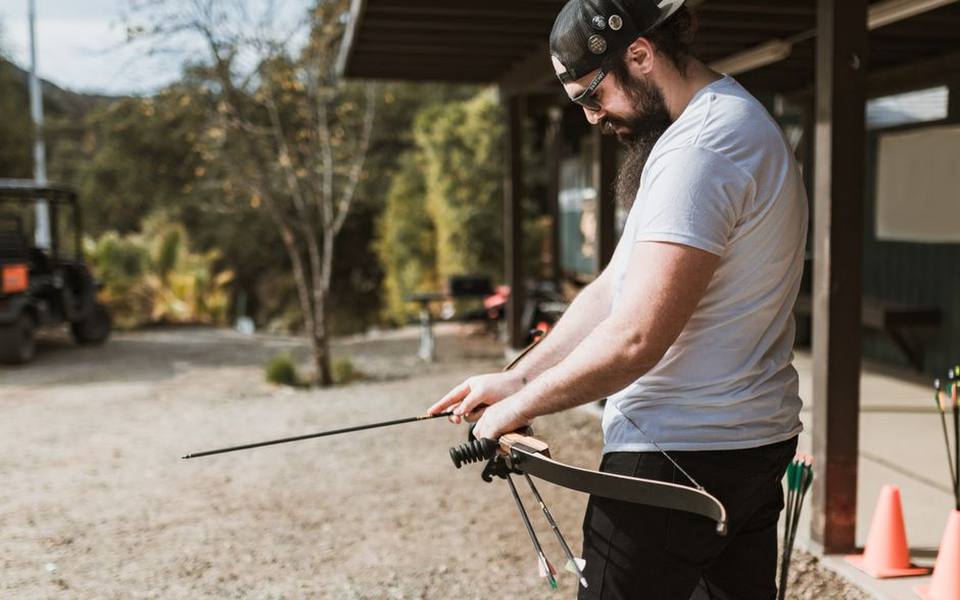
Laminated longbows, on the other hand, sandwich thin cores of maple, bamboo, or carbon between layers of fiberglass. This composite structure dramatically improves durability, allows for higher arrow speed, and resists warping caused by damp morning grass or changing seasonal temperatures. A laminated bow typically retains its original draw weight and cast indefinitely without losing springiness. For beginners entering the sport, a laminated hybrid or reflex-deflex longbow is often the most forgiving platform to develop solid fundamentals.
Draw weight selection requires honest self-assessment, especially if you are transitioning from modern compound bows. A traditional longbow holds its full holding weight right at full draw, with the weight steadily stacking as you pull the string back. An adult beginner who shoots a seventy-pound compound should typically start around thirty to thirty-five pounds on a longbow. Overbowing causes poor posture, collapsed shoulders, erratic arrow flight, and potential rotator cuff injuries that take months to recover from.
Getting Started with Instinctive Shooting Mechanics
Consistent shooting mechanics form the cornerstone of all traditional shooting disciplines. Because a longbow lacks sights or stabilizer rods, your skeletal alignment serves as the entire launching platform. Standing upright with feet shoulder-width apart, perpendicular to your target line, sets a stable foundation. You should hold the riser with a relaxed, soft pressure rather than a tight fist, allowing the bow handle to nestle comfortably against the pad of your thumb without torquing the limbs during release.
The draw cycle should involve the large muscles of your upper back and shoulder blades rather than your forearm or bicep. Drawing with three fingers—either one finger above and two below the nock or three fingers under the arrow—pulls the string smoothly back to a precise facial anchor point. Touching the corner of your mouth with your index finger or resting your thumb beneath the jawbone provides a reliable physical reference. Before developing bad habits, working with an instructor at archery ranges with lessons helps identify alignment flaws early.
The moment of release must remain subtle and unconscious. Instead of opening your fingers outward, relax your finger tendons completely so the string slips away naturally. Your drawing hand should finish its movement brushing softly backward along your jaw or cheek, a motion known as follow-through. Rushing the release or dropping your bow arm immediately upon string slip causes erratic vertical drops on the target face, making tight grouping impossible to achieve.
Tuning Arrows for Longbow Spines and Weights
Arrow selection for a traditional longbow is notably more critical than it is for a sighted compound bow. Because most traditional longbows have a cut-before-center or flat wood shelf, the arrow must bend around the riser as it leaves the string, a ballistic phenomenon called the archer's paradox. If an arrow shaft is too stiff, it will deflect violently to the left for a right-handed shooter; if it is too weak, it will kick outward to the right or fish-tail wildly through the air.
Matching arrow spine requires accounting for bow draw weight, your individual draw length, and the weight of the point installed at the front. Wood arrows made from Port Orford cedar, spruce, or compressed pine remain the classic choice for purists, offering natural beauty and a muted hum off the shelf. However, sorting wooden shafts by matching grain, weight, and deflection requires patience. Modern carbon shafts wrapped with realistic wood grain finishes have become widely popular because they provide identical spine consistency arrow after arrow.
Tuning your arrow setup generally involves shooting bare shafts—arrows without fletching—into a soft target bale from five to ten yards away. Observing the angle of the bare shaft in the target tells you whether you need heavier points, a stiffer spine, or subtle adjustments to your brace height. If you feel overwhelmed balancing arrow weight and dynamic spine, stopping into local archery pro shops allows you to test different shaft weights and cut lengths under professional guidance.
Natural Feathers and Arrow Fletching
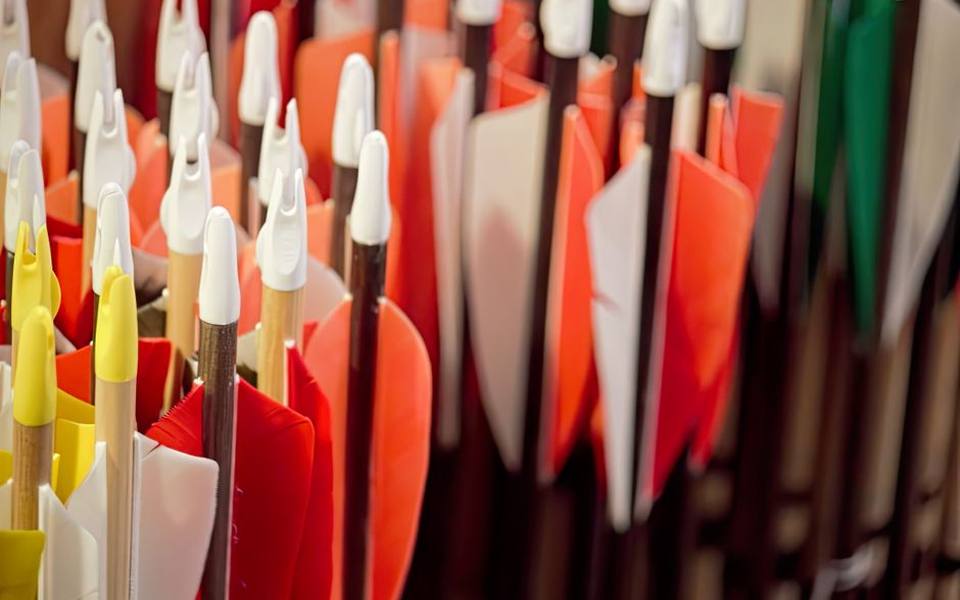
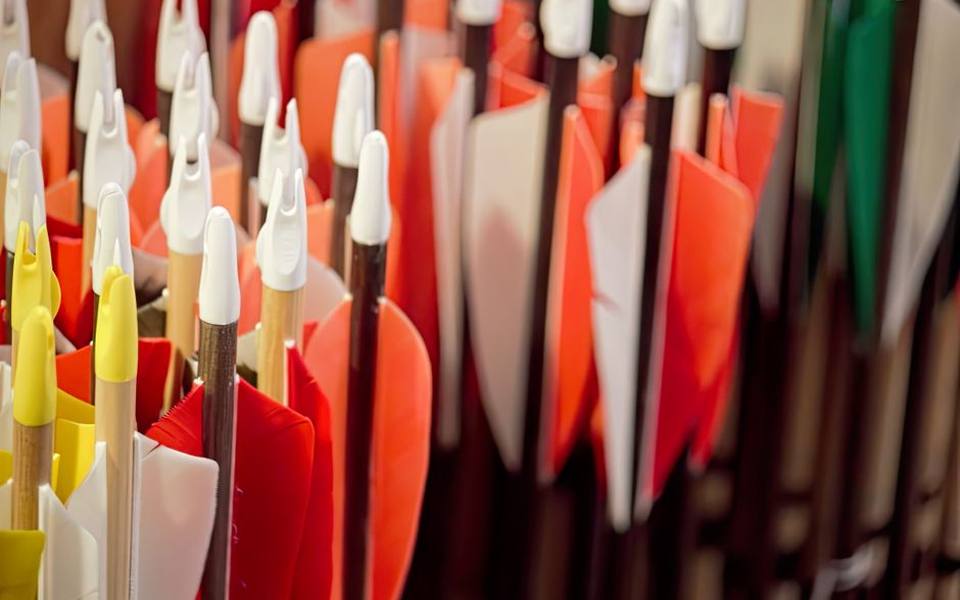
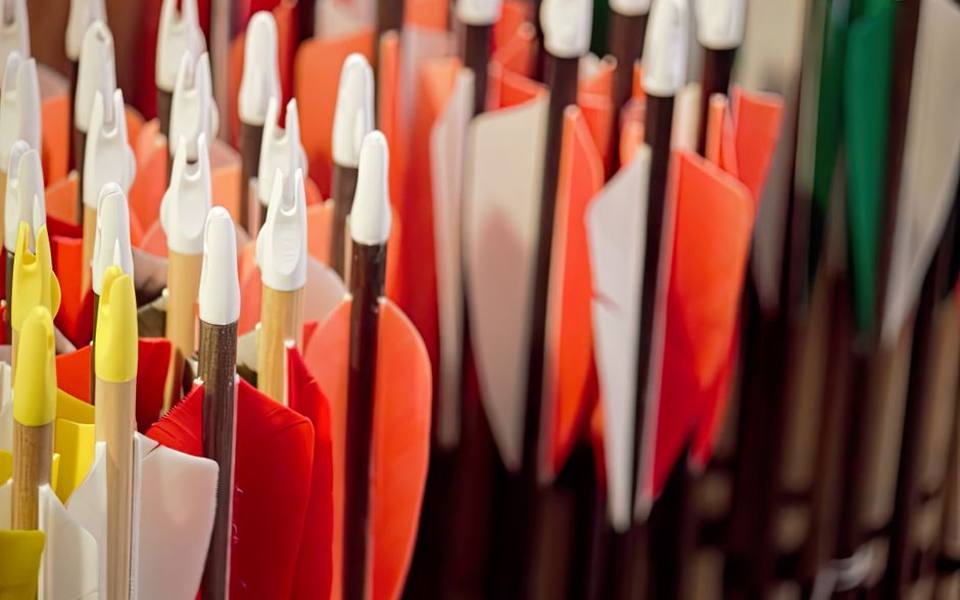
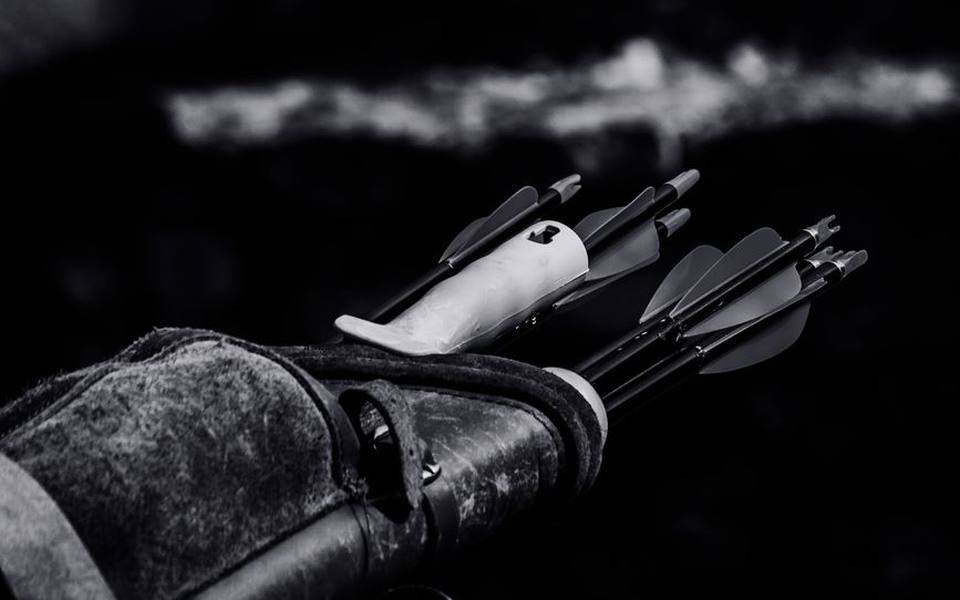
When shooting off a traditional wooden shelf without an elevated plastic rest, natural feathers are practically indispensable. Unlike stiff plastic vanes that slap against the bow shelf and kick the tail of your arrow off course, real turkey feathers compress instantly on contact. As the fletched end passes the wooden riser, the feather quills collapse flat against the shaft and spring back into shape immediately after clearing the bow, allowing the arrow to fly clean and straight without deflection.
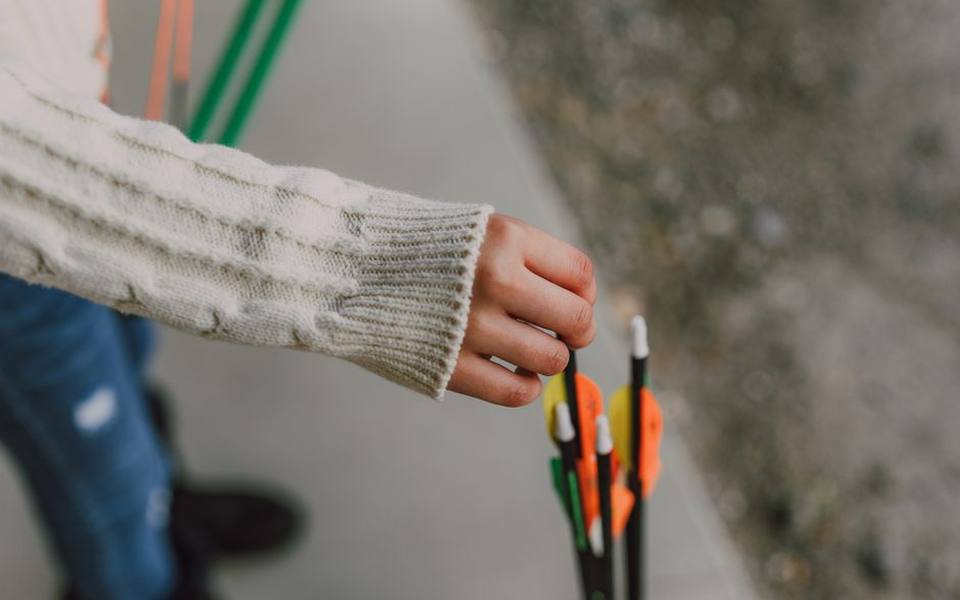
Feathers for archery are sourced almost exclusively from the primary wing flight feathers of domestic or wild turkeys. Each bird provides left-wing and right-wing feathers, whose natural curvature creates directional spin in flight. Archers must never mix left-wing and right-wing feathers on the same arrow shaft, as the opposing air dynamics fight each other and cause unstable flight. Right-wing feathers spin clockwise, while left-wing feathers spin counter-clockwise; either works equally well, provided your fletching clamp matches the feather wing direction.
Traditional feathers are cut into various profiles, primarily parabolic and shield cuts, ranging from four to five and a half inches in length. Longer, higher-profile feathers generate substantial aerodynamic drag, which quickly stabilizes heavy wooden shafts or broadheads at short distances. Shorter shield cuts reduce drag and wind drift, making them preferable for longer field distances. The tactile whisper of natural feathers brushing your bow hand as you settle into full draw remains one of traditional archery's most satisfying sensory experiences.
Caring for Natural Feathers in Wet Weather
The primary vulnerability of real feathers is moisture. Heavy rainfall or wet morning foliage can saturate natural feather barbs, causing them to mat down flat against the arrow shaft. When matted, feathers lose their surface area and surface tension, severely compromising their ability to steer the arrow. Fortunately, natural feathers possess resilient internal structures that bounce back with minimal effort once properly treated and maintained.
Protecting your fletchings begins before heading into damp conditions by applying dedicated waterproofing powders or silicone water-repellent sprays. Dusting dry feathers with non-scented powders coats the microscopic barbs, forcing water droplets to bead up and roll off without soaking into the quills. If you find yourself caught in an unexpected downpour, simply snapping the arrow between your fingers or shaking the quiver sharply dislodges pooled surface water, keeping the barbs standing upright for flight.
Even when feathers end up thoroughly soaked and crumpled into a twisted clump, they are rarely ruined. Exposing battered feathers to the rising steam of a boiling kettle or household iron immediately revitalizes them. Within three to five seconds of contact with warm steam, the natural keratin memory activates, causing the individual barbules to unhook, expand, and snap back into their pristine factory shape as though they had just come off the cutting die.
Step-by-Step Feather Attachment and Cresting
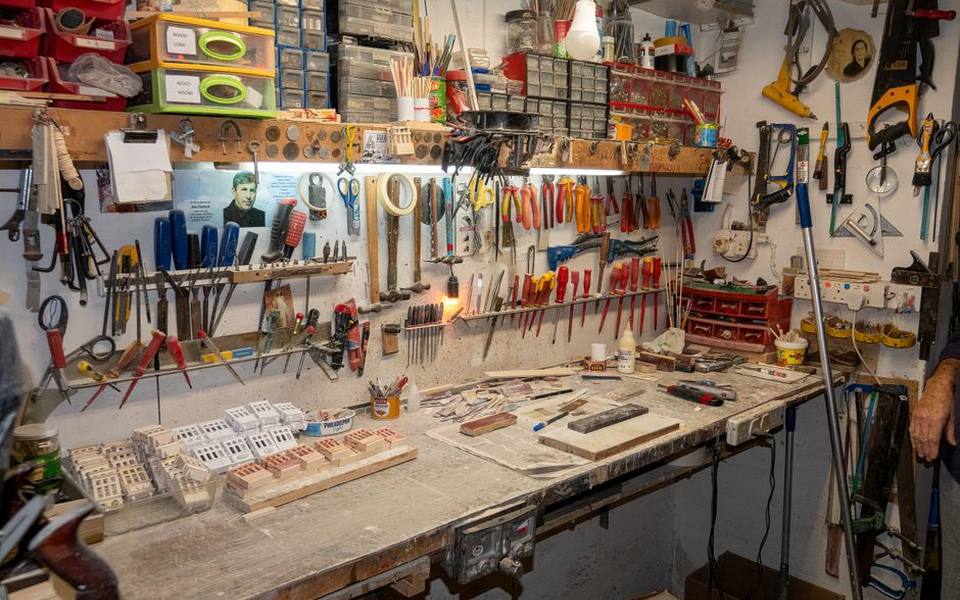
Fletching your own traditional arrows is an enjoyable craft that deepens your understanding of flight balance. The process begins with thoroughly cleaning the rear portion of the shaft with isopropyl alcohol to remove natural oils and dust. You place the prepared feather into a fletching jig clamp, apply a thin, continuous bead of specialized adhesive or double-sided fletching tape along the base quill, and press it firmly against the shaft. Proper spacing is typically set at one hundred and twenty degrees for a standard three-fletch arrangement.
Many traditional archers favor fletching tape for its instant bond and lack of messy liquid residue, while others prefer classic solvent-based fletching cements for long-term durability. To prevent the sharp front tip of the quill from digging into your bow hand during the shot, adding a tiny drop of fast-setting glue or wrapping the leading edge with thread is essential. Hand-wrapping the quill tips with fine silk, artificial sinew, or dental floss not only protects your skin but also adds an authentic historical touch to the finished arrow.
Cresting—the application of decorative painted bands around the shaft just beneath the fletchings—serves both aesthetic and functional purposes. Historically, distinct crest patterns allowed hunters to identify their individual arrows after a shot. Modern cresting adds vibrant colors that increase arrow visibility against leaf litter, forest duff, or dark range netting. Dipping the shaft tail in bright water-based lacquer before cresting and fletching ensures high visibility and creates a water-resistant seal that shields the wood from ground moisture.
Venturing into Primitive Throwing with the Atlatl
Beyond the bow lies an even older human hunting technology: the atlatl, or spear-thrower. Pre-dating bows and arrows by tens of thousands of years, the atlatl consists of a notched throwing stick that acts as an extension of the human arm. By engaging the rear of a long, flexible dart into a spur or cup on the handle, a thrower leverages mechanical leverage to catapult darts at astonishing velocities, generating kinetic energy capable of taking down large game animals.

The physics of throwing an atlatl mirror the mechanics of traditional archery in fascinating ways. Just like an arrow flexes when struck by a bowstring, a primitive atlatl dart—typically measuring five to seven feet in length—bends dramatically under the forward force applied by the thrower's wrist and shoulder. This flexing stores potential energy in the dart's shaft, which rebounds forward as the projectile clears the thrower, creating a flat, powerful trajectory across moderate hunting distances.
Learning to throw an atlatl requires resetting your expectations regarding arm movement. Throwers often make the mistake of flinging the tool with a baseball pitching motion, which causes the dart to flip end-over-end. Instead, proper technique requires keeping the dart level along your line of sight, pushing your shoulder forward in a smooth javelin-style thrust, and snapping your wrist downward only at the final millisecond of release. When executed smoothly, the dart launches with a deep, authoritative hiss.
Modern Materials in Primitive Sports: Carbon Darts and Weights
While historical atlatls were crafted from river cane, bamboo, and hardwood saplings, modern enthusiasts often incorporate contemporary engineering into primitive throwing. Today, composite materials have introduced modular carbon dart systems to the sporting world. Carbon shafts eliminate the warping, splintering, and weight variances inherent to natural timber, providing throwers with ultra-durable projectiles that withstand impacts against stone, frozen dirt, or dense target foam without bending out of true.
Modern carbon atlatl darts feature threaded aluminum inserts, allowing throwers to swap field points, blunt tips, or practice heads just as they would with contemporary arrows. These darts still require substantial natural feather fletchings—often three large turkey feathers or full-length quill wraps—to stabilize their long shafts in flight. By pairing rigid, micro-diameter carbon tubing with traditional feathers, throwers achieve incredible consistency during target competitions or field demonstrations where standard wooden cane might shatter.
Another intriguing engineering element found on both ancient and modern atlatls is the atlatl weight, or bannerstone. Secured along the underside of the throwing board, these balanced weights modify the flex and swing cadence of the stick. Some throwers use shaped stones attached with rawhide strips, while modern competitors experiment with adjustable brass or composite dampeners. The added mass helps steady the thrower's hand during the backward reach and smooths out torque during sudden acceleration.
Where to Practice Traditional Archery and Primitive Skills
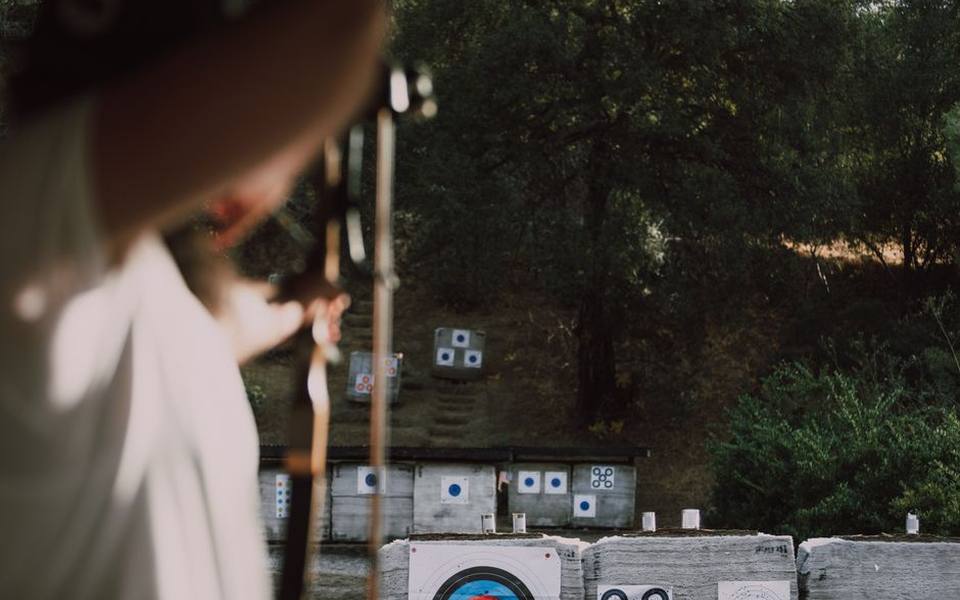
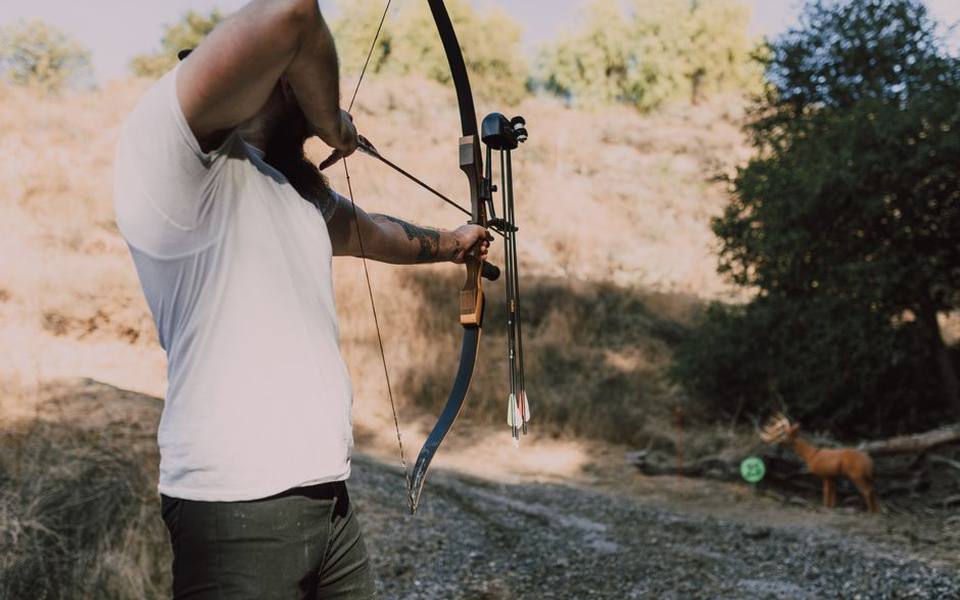
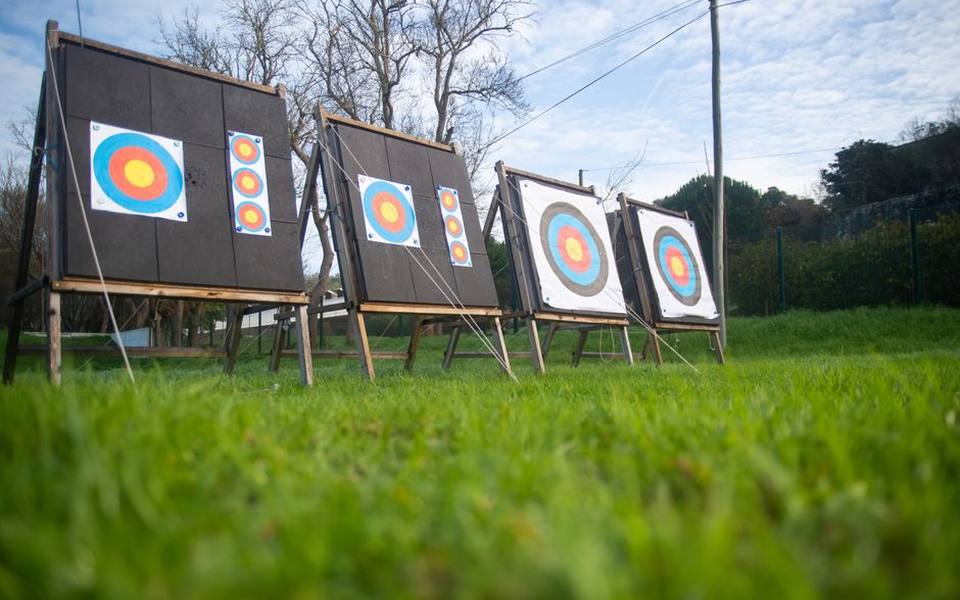
Locating an appropriate venue to shoot traditional longbows and throw primitive darts ensures safety and keeps skills sharp throughout the year. Many traditional shooters enjoy navigating woodland targets on outdoor 3D archery courses, where foam animal targets are set at unmarked, variable distances among trees and hills. These natural outdoor settings provide the realistic angles, elevation changes, and lighting variations that bring traditional instinctive aiming to life.
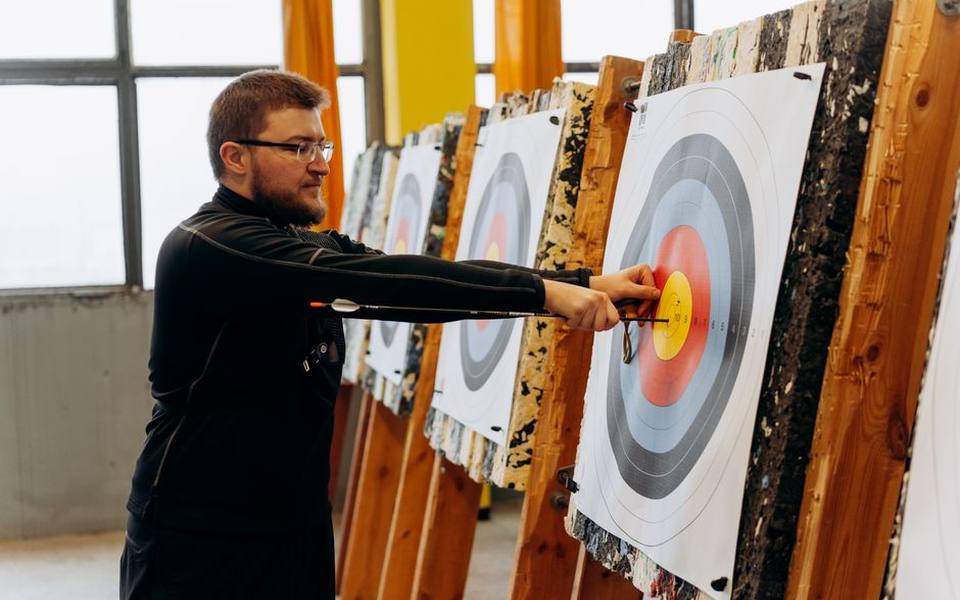
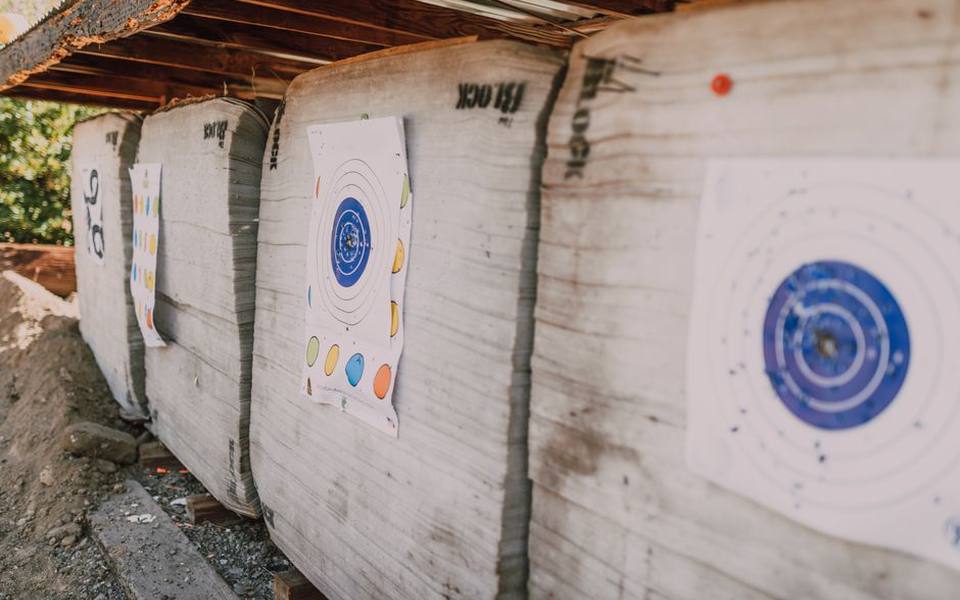
During the winter or inclement weather, practicing at an indoor range offers a controlled environment to isolate form, tune arrow release, and shoot close-range paper targets without wind interference. Indoor settings are especially helpful for conducting blank-bale drills, where you shoot from five feet away with your eyes closed to build subconscious muscle memory in your release fingers and back muscles.
If you are looking to throw primitive atlatls, always confirm range rules beforehand. Because atlatl darts carry significantly more momentum and weight than standard target arrows, ranges require deep backstops, specialized target netting, or wide open grass corridors without hard wooden framing that could splinter shafts. Across the country, thousands of archers and primitive gear enthusiasts regularly gather at dedicated clubs to share knowledge, tune equipment, and celebrate timeless marksmanship traditions.
Published 2026-09-21 · reviewed with each rebuild, last October 2026.
Find archery ranges & sports shops near you
The directory lists 38,975 archery ranges & sports shops by state and city — pick your state or use the “Near me” button in the header.
More guides
-
 Money
MoneyA Guide to Archery Range Fees and Lesson Costs
-
 Buying
Choosing Broadheads and Aiming for the Perfect Shot
-
 Service
DIY Bow Maintenance, Tuning, and Basic Repairs
-
 Buying
Choosing Sights and Rangefinders for Better Accuracy
-
 Buying
Essential Gear for Target Practice and Bowhunting Preparation
-
 Money
MoneyUnderstanding Bow Purchase and Restringing Costs: A Complete Pricing Guide
-
 Owning
Arrow Selection, Cutting, and Fletching at Home: A Complete Guide
-
 Safety
Bowhunting Shot Placement Guide for Deer and Turkey
-
 Buying
Complete Guide to Choosing the Best Crossbow Broadheads
-
 Money
MoneyHow Much Does Archery Cost? A Realistic Beginner Budget
-
 Buying
Choosing the Right Arrows and Field Points: Shaft Materials, Weights, and Tuning
-
 Buying
Best Archery Sets for Beginners: Complete Buyer Guide and Starter Tips
-
 Owning
Best Archery Targets and Backstops: 3D, Foam, Bag, and DIY Setup Guide
-
 Buying
Beginner Archery Buying Guide: Recurve, Compound, and Traditional Bows
-
 Buying
Bowfishing Equipment Guide: Bows, Reels, Arrows, and Rigging Setups
-
 Owning
Lighted Nocks and DIY Arrow Building: Fletching, Cutting, and Tuning
-
 Buying
Crossbow Bolts, Broadheads, and Cocking Devices: Complete Buyer's Guide
-
 Buying
Complete Arrow Selection Guide: Carbon Shafts, Spine, Length, and Brands
-
 Safety
Archery Protective Gear: Arm Guards, Chest Protectors, Tabs, and Slings
-
 Buying
Archery Quivers Buying Guide: Hip, Back, and Bow-Mounted Options
-
 Buying
Bow Release Aids Explained: Wrist Strap, Thumb Button, and Hinge Releases
-
 Owning
Compound Bow Tuning and Care: Strings, Wax, Stabilizers, and Cases
-
 Buying
Arrow Rests Compared: Whisker Biscuit, Cable-Driven, and Limb-Driven
-
 Safety
Archery Lessons, Proper Form, Range Etiquette, and Youth Programs
-
 Owning
Complete Guide to Single Pin Bow Sights and Sight Tapes
-
 Owning
Arrow Selection and DIY Arrow Building: Shafts, Fletching, and Tools
-
 Owning
Finding Archery Ranges, Pro Shops, Clubs, and Instructor Programs
-
 Buying
Best Hunting Broadheads: Fixed Blade vs Mechanical Broadheads
-
 Buying
Archery Targets Guide: 3D Targets, Bags, Blocks, and DIY Backstops
-
 Buying
Archery Quivers Guide: Bow-Mounted, Hip, Back, and Crossbow Quivers
-
 Service
Bow Tuning and Setup: Paper Tuning, Arrow Rests, and Bow Maintenance
-
 Buying
Bowfishing Gear Guide: Bows, Rigs, Arrows, and Setup Options
-
 Owning
Essential Archery Accessories: Lighted Nocks, Arrow Pullers, and Arm Guards
-
 Buying
Archery Release Aids Guide: Thumb, Hinge, Wrist, and Mechanical Releases
-
 Buying
Essential Bowhunting Gear, Deer Supplies, and Gift Guide
-
 Buying
Crossbow Buying Guide: Matching Platforms, Bolts, Optics, and Fletching
-
 Buying
Beginner Bow & Arrow Starter Kits: How to Choose Your First Setup
-
 Buying
Deer Hunting Bows: Comparing Recurve and Compound Setups, Finding Deals, and Studying Hunting Film
-
 Buying
Compound Bow Setup, Tuning, Form, and Equipment Guide
-
 Owning
Compound Bow Release Aids and Grip Tape: Enhancing Control and Consistency
-
 Service
Crossbow Maintenance: String Replacement and Scope Sighting Guide
-
 Owning
Broken Bow Cabin Rentals: Complete Beavers Bend Vacation Guide
-
 Safety
Broken Bow Lake Rentals: Complete Guide to Boats, ATVs, and Trail Gear