Fundamentals of Bowfishing Gear and Setup Basics
Bowfishing strips archery down to its most raw mechanics, blending the instinctive release of traditional shooting with shallow-water angling. Going after carp, gar, and other rough fish requires specialized gear engineered to survive muddy banks, murky river water, and the tremendous drag of heavy submerged lines. While target archery emphasizes fine-tuned pin sights and lightweight carbon shafts, taking fish with a bow and arrow demands durable, water-resistant components capable of punching through several feet of water and anchoring powerful game.
Beginners often wonder whether they can simply clamp a small spool onto their current deer hunting bow and head straight to the lake. While technically possible, standard hunting compounds are rarely built for the rapid snap-shooting and muddy abuse typical of a night on the water. Bowfishing setups generally utilize constant draw-weight limbs or low let-off cams that allow shooters to release instantly at partial draw, rather than having to pull all the way against a firm back wall before aiming.
The physics of taking fish underwater introduce challenges you will not encounter on flat target lanes. Water refraction bends light rays, making fish appear significantly closer to the surface than their true location. Every piece of your equipment, from the stiffness of the arrow to the tensile strength of the braided line, must work in harmony to penetrate the water column cleanly without losing velocity or deflecting off tough carp scales.
Traditional Recurves and Purpose-Built Takedowns
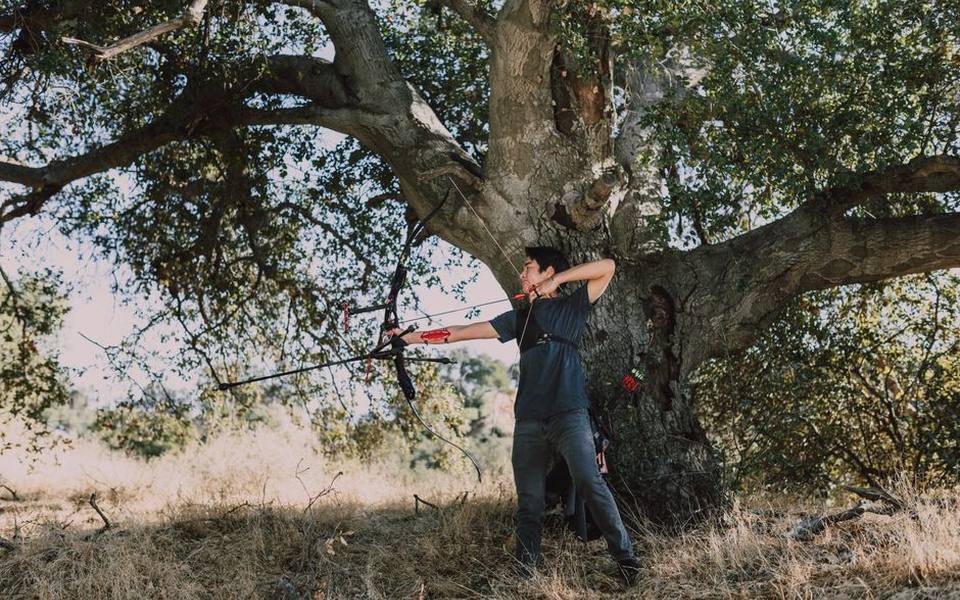
Simple recurve bows remain among the most reliable tools on the water, celebrated for their mechanical simplicity and forgiving snap-shot ergonomics. The PSE Kingfisher has long served as a classic example of this category, offering a durable aluminum riser paired with rugged fiberglass limbs that can endure accidental drops against boat decks or submerged rocks. Without delicate cables, cams, or module screws to worry about, recurve platforms can get completely submerged in silt-laden lake water without suffering mechanical failure.
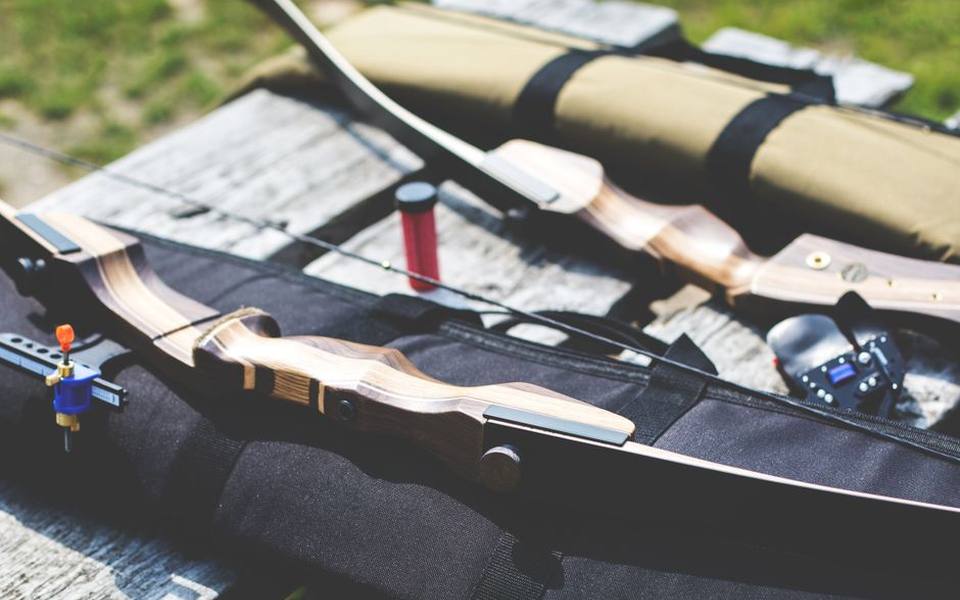
Most bowfishermen who choose a traditional platform favor draw weights between 35 and 45 pounds. Because shots on shallow flats typically occur at distances under twenty feet, heavy hunting poundages are counterproductive and lead to premature muscle fatigue during long days or overnight floodlight outings. A modest draw weight provides ample kinetic energy to drive a heavy fiberglass shaft through large invasive carp while still allowing you to draw and fire dozens of times per outing without wrecking your shoulders.
Another distinct advantage of a traditional takedown recurve is ease of transport and field maintenance. You can pack the entire disassembled bow into a compact soft case, making it an ideal companion for hiking along remote riverbanks or wading into brushy wetlands where carrying a long, bulky case would be exhausting. When stringing your recurve, inspect the limb pockets regularly to ensure grit has not accumulated, which could cause creaking or limb wear over time.
Dedicated Compounds and Hybrid Lever Bows
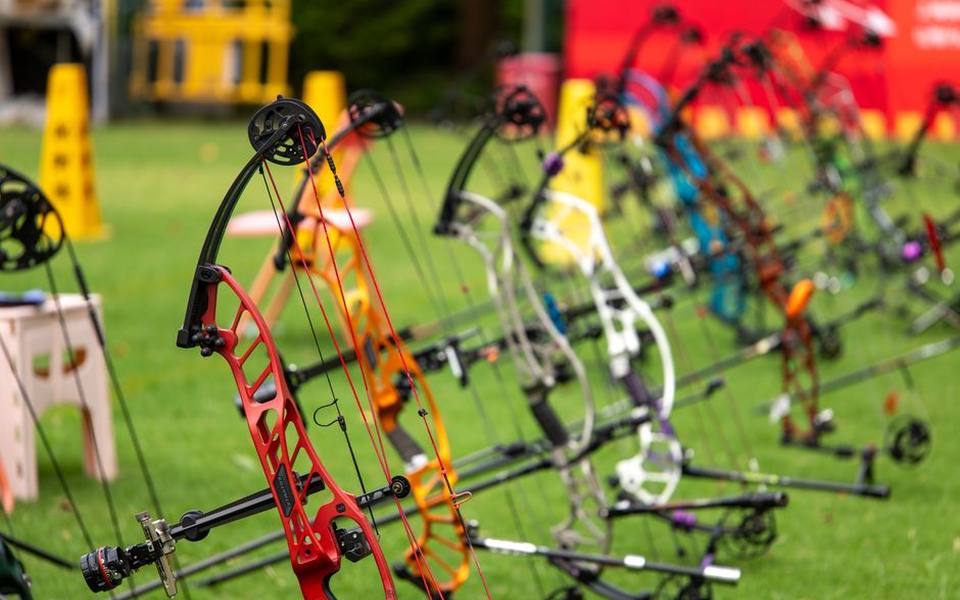
Purpose-built compound rigs and hybrid lever bows dominate tournament decks and high-volume operations where rapid cycle speed is paramount. Modern compounds tailored for the water, like the Cajun Sucker Punch and the versatile Cajun Shore Runner, feature constant draw cams or wide draw-length modules that eliminate the sharp rollover valley of big-game bows. These engineering tweaks allow the shooter to release cleanly from half-draw whenever an unexpected target darts across a mudflat, saving critical fractions of a second.
Hybrid lever-action designs, such as the Oneida Osprey bow and newer entries like the Muzzy LVX, have earned a dedicated following among seasoned bowfishermen. Lever bows combine the smooth, finger-friendly draw curve of a recurve with the power transfer and tuneability of a compound. The Oneida Osprey bowfishing platform is famous for its nearly zero let-off snap-shooting capability, exceptionally smooth draw cycle, and balance in hand, which proves invaluable when tracking schooling gar under bright lights for eight hours straight.
Choosing between a compact compound and a lever bow usually comes down to weight balance, finger pinch, and shooting style. Compounds like the Shore Runner offer a shorter axle-to-axle footprint, making them nimble within tight brush or narrow skiffs, but their steep string angle can pinch larger fingers at full draw. Lever bows are longer and noticeably heavier in hand, yet they accommodate bare-finger releases effortlessly and deliver remarkable kinetic punch through thick surface vegetation and dense carp bones.
Compact Options: Slingshot Fishing Kits
Beyond full-sized archery platforms, a growing contingent of outdoor enthusiasts utilizes a compact slingshot fishing kit for bank angling and backpacking. These minimalist systems adapt a heavy-duty slingshot frame with high-yield tubular latex bands, an integrated finger whisker rest, and a miniature spincast reel base. Designed for close-range opportunities along irrigation canals and small ponds, they provide an accessible, ultra-portable method for taking rough fish without hauling full-sized archery cases along miles of river trail.
Operating a slingshot rig requires disciplined technique and strict attention to safety, as drawing high-poundage bands near facial features demands steady anchor consistency. The darts used with these slingshot setups are shorter than full-length bowfishing arrows but feature identical barbed release tips to hold wriggling fish. The retrieval line runs directly from the miniature front-mounted reel to the tail of the dart, ensuring the projectile can be recovered smoothly after each release.
While a slingshot kit cannot deliver the penetrating velocity or range of a full compound or lever platform, it excels in niche environments where stealth and zero bulk are required. Bank walkers creeping along overgrown drainage ditches or dense oxbows often find that swinging a forty-inch bow through tangled willows spooks fish before a shot opens up. A slingshot setup stays tucked into a belt pouch until fish are spotted basking in shallow pockets right beneath the shoreline.
The Bowfishing Rig: Reels, Seats, and Line Management
A comprehensive bowfishing rig consists of three synchronized elements: the launching platform, the reel seat, and the line recovery mechanism. The simplest method uses a hand-wrap drum, a round plastic spool bolted directly into the stabilizer bushing. While drum reels are virtually indestructible and eliminate mechanical line drag during the shot, retrieving line requires hand-over-hand winding, which drastically slows down your rate of fire when large schools of carp are milling around the boat.
Spincast and specialized bottle-style retrieval systems represent the two most common mechanized options found on modern waters. Spincast reels allow ultra-fast line pickup through an internal gear drive, making them the standard choice for quick follow-up shots on fast-moving fish. However, spincast reels require the shooter to manually depress a push-button release before drawing; failing to press this button can result in catastrophic line snaps or dangerous arrow rebound if the heavy shaft suddenly halts mid-flight.
Bottle reels, often called retriever systems, store heavy braided line loosely inside an open plastic reservoir rather than winding it around a tight internal spool. As the arrow leaves the bow, the line feeds out with zero friction, eliminating the need to press an arming button before shooting. Retrieval lines for bottle setups typically range from 150-pound to 400-pound test braided Spectra or Dacron, giving you sufficient tensile strength to muscle large freshwater drum or armored gar out of dense weed beds without snapping your connection.
Arrows, Safety Slides, and Snapback Prevention
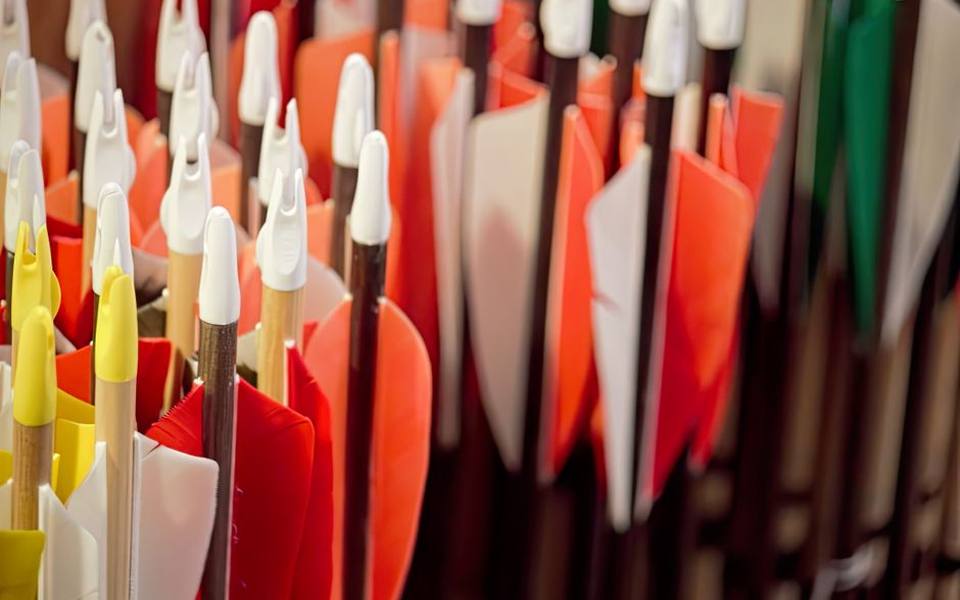
Standard target and hunting arrows made of thin-walled carbon or hollow aluminum are far too light and fragile for underwater use. Bowfishing arrows are solid fiberglass, solid carbon, or a hybrid composite blend designed specifically to absorb tremendous hydraulic resistance without splintering. Because these shafts weigh several times more than terrestrial hunting arrows, they maintain forward momentum through dense water columns, carrying the barb cleanly through thick scales and cartilage.
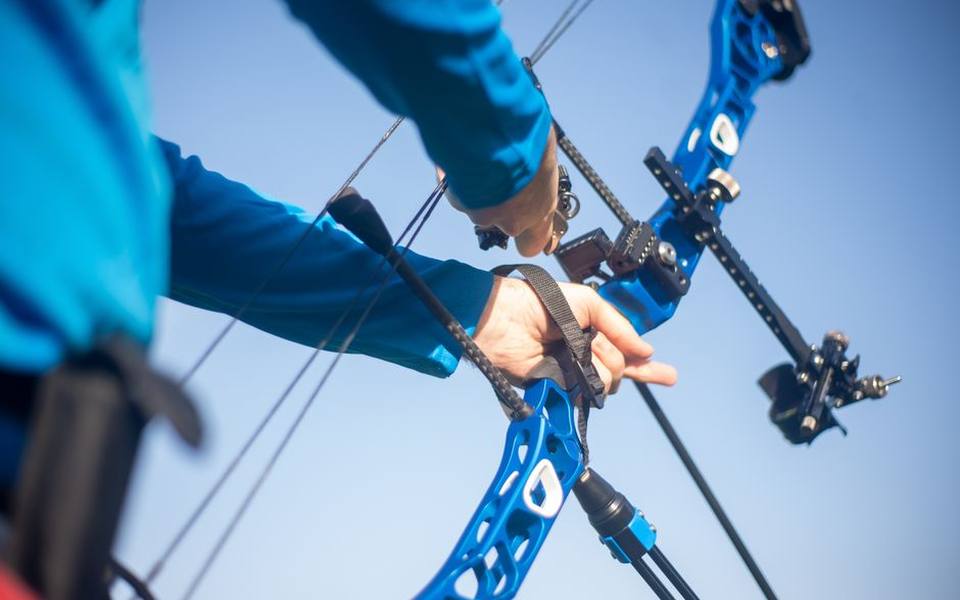
Arrow safety is the single most critical consideration in the entire setup, primarily centered on preventing snapback. Snapback occurs when a loose retrieval line catches on the bowstring, cable guard, or arrow rest during release, abruptly pulling the heavy arrow backward toward the shooter. To prevent this hazardous condition, modern bowfishing shafts utilize a sliding cable safety stop system, where the line is anchored to a plastic or metal ring that rides freely along the length of the shaft.
During the draw cycle, the safety slide rests securely near the front of the bow, in front of the arrow rest and well clear of the bowstring. When released, the arrow flies forward through the slide until the rear safety stop catches the ring at the back of the shaft, pulling line strictly from behind the projectile. Regularly inspect these slides, nocks, and stop screws before every trip, discarding any plastic components that show stress cracks, deep grooves, or sun-bleached brittleness.
Selecting the Right Bowfishing Tip and Barb Design
The choice of bowfishing tip determines whether you land a struck fish or watch it pull off the shaft into deep water. Unlike razor-sharp broadheads meant to produce lethal hemorrhaging, bowfishing points are heavy, chisel-cut steel tips outfitted with pivoting mechanical barbs designed purely for mechanical retention. Once the point penetrates through the fish, the barbs swing open flat against the opposite side of the body, creating an anchor point that prevents the shaft from sliding backward.
Different rough fish species require distinct barb configurations depending on their scale hardness and flesh density. Common carp have resilient, rubbery tissue beneath tough scales, making broad two-barb or three-barb grapple designs ideal for preventing pull-outs during heavy runs. For armored longnose or alligator gar, shooters favor hardened, low-profile screw-in tips with tempered barbs that can pierce through enamel-like ganoid scales without dulling or deflecting off bone.
Releasing the fish once it is brought boat-side should be quick and safe to keep your fishing line organized. Most quality points feature quick-release mechanisms: you simply loosen the tip by a turn and a half, allowing the barbs to reverse and lay flat against the ferrule so the arrow can be slipped cleanly backward through the entry hole. Avoid points that require removing the tip entirely, as dropping a steel tip into muddy midnight water quickly brings your outing to an abrupt halt.
Targeting Carp and Handling Water Refraction
Common carp, grass carp, and invasive silver carp provide the primary target opportunities across American waterways, thriving in rivers, reservoirs, and drainage basins. During spring and early summer spawn runs, these fish move into shallow embayments, flooded timber, and grassy shorelines, creating visible boils and swirling surface wakes. Stalking carp on foot along muddy flats or drifting silently aboard an elevated shooting platform requires stealth, as fish detect bank vibrations and hull thumps with remarkable sensitivity.
The greatest physical hurdle for newcomers who bow fish carp is overcoming visual refraction to land a true hit. Because water is denser than air, light bends as it exits the water surface, creating an optical illusion that causes submerged carp to appear several inches higher and closer than their physical coordinates. The golden rule among experienced bowfishermen is simple: aim low, and when you think you are low enough, aim lower still.
The degree of refraction compensation required increases with both the depth of the fish and the angle of your shot. If a carp is cruising two feet beneath the surface ten paces from your bow, your crosshairs or instinctive sight picture should often be held a full foot beneath its belly. Practicing this sight adjustment takes time, but after a few outings, your brain adjusts instinctively to lead the target beneath the refracted water line without conscious calculation.
Tuning, Maintenance, and Rig Care After Mud and Water
Bowfishing equipment endures significantly harsher conditions than standard archery gear, regularly encountering thick mud, aquatic weeds, and saturated hull decks. Even freshwater contains dissolved minerals and micro-silt that penetrate string fibers, corrode steel axle pins, and freeze up reel gears if neglected. After every outing, thoroughly wash down your entire rig with a low-pressure spray of clean tap water, paying close attention to the reel interior, arrow slide channels, and limb pocket joints.
Tuning a dedicated bowfishing setup involves matching your arrow rest to the heavy weight and tail-heavy dynamics of fiberglass shafts. Traditional plastic vanes or feather fletchings are omitted entirely on bowfishing arrows, as water drag tears them away immediately; instead, bare-shaft aerodynamics govern flight over short distances. Roller rests and reinforced brush rests are preferred because they support substantial shaft weight without wearing out or catching the trailing braided line during rapid launches.
If you notice unusual string friction, limb creaks, or erratic arrow flight, visiting a qualified pro shop can help diagnose timing issues or worn bushings before your next trip. Professional archery technicians can verify cam sync on dual-cam rigs, press lever bows safely to replace stretched cables, and ensure your reel seat mounts securely to the stabilizer port without stripping delicate aluminum riser threads.
Practicing Your Shot and Dialing in Technique
Developing instinctive shooting mechanics is vastly easier on dry land than while rocking on a boat deck in the dark. Because bowfishing rarely allows time for sight pins, mechanical rangefinders, or index-finger releases, muscle memory must guide your draw and release. Practicing snap-shooting with a dedicated bowfishing bow at an indoor range during the off-season helps build forearm stamina and refines your bare-finger release technique.
To simulate water refraction without wading into a lake, many experienced shooters place submerged weighted targets, such as plastic jugs filled with sand, into shallow stock tanks or private farm ponds. Taking practice shots from an elevated position—like the back of a truck bed or a dock—trains your eye to adjust naturally for optical displacement. For beginners struggling with consistent anchor points or release form, scheduling lessons or classes for beginners provides direct feedback on stance, posture, and back tension.
Whether you are stalking backwater bays in Wisconsin or navigating flooded flats in Texas, preparation is the foundation of a successful day on the water. Check local wildlife regulations before setting out, as rough fish classifications, legal shooting hours, and permitting rules vary substantially by state. With the right combination of bow, reel, and safety-rigged arrows, bowfishing transforms shallow waterways into an exhilarating archery pursuit.
Published 2026-09-21 · reviewed with each rebuild, last October 2026.
Find archery ranges & sports shops near you
The directory lists 38,975 archery ranges & sports shops by state and city — pick your state or use the “Near me” button in the header.
More guides
-
 Money
MoneyA Guide to Archery Range Fees and Lesson Costs
-
 Buying
Choosing Broadheads and Aiming for the Perfect Shot
-
 Service
DIY Bow Maintenance, Tuning, and Basic Repairs
-
 Buying
Choosing Sights and Rangefinders for Better Accuracy
-
 Buying
Essential Gear for Target Practice and Bowhunting Preparation
-
 Money
MoneyUnderstanding Bow Purchase and Restringing Costs: A Complete Pricing Guide
-
 Owning
Arrow Selection, Cutting, and Fletching at Home: A Complete Guide
-
 Safety
Bowhunting Shot Placement Guide for Deer and Turkey
-
 Buying
Complete Guide to Choosing the Best Crossbow Broadheads
-
 Money
MoneyHow Much Does Archery Cost? A Realistic Beginner Budget
-
 Buying
Choosing the Right Arrows and Field Points: Shaft Materials, Weights, and Tuning
-
 Buying
Best Archery Sets for Beginners: Complete Buyer Guide and Starter Tips
-
 Owning
Best Archery Targets and Backstops: 3D, Foam, Bag, and DIY Setup Guide
-
 Buying
Beginner Archery Buying Guide: Recurve, Compound, and Traditional Bows
-
 Buying
Bowfishing Equipment Guide: Bows, Reels, Arrows, and Rigging Setups
-
 Owning
Lighted Nocks and DIY Arrow Building: Fletching, Cutting, and Tuning
-
 Buying
Crossbow Bolts, Broadheads, and Cocking Devices: Complete Buyer's Guide
-
 Buying
Complete Arrow Selection Guide: Carbon Shafts, Spine, Length, and Brands
-
 Safety
Archery Protective Gear: Arm Guards, Chest Protectors, Tabs, and Slings
-
 Buying
Archery Quivers Buying Guide: Hip, Back, and Bow-Mounted Options
-
 Buying
Bow Release Aids Explained: Wrist Strap, Thumb Button, and Hinge Releases
-
 Owning
Compound Bow Tuning and Care: Strings, Wax, Stabilizers, and Cases
-
 Buying
Arrow Rests Compared: Whisker Biscuit, Cable-Driven, and Limb-Driven
-
 Safety
Archery Lessons, Proper Form, Range Etiquette, and Youth Programs
-
 Owning
Complete Guide to Single Pin Bow Sights and Sight Tapes
-
 Owning
Arrow Selection and DIY Arrow Building: Shafts, Fletching, and Tools
-
 Owning
Finding Archery Ranges, Pro Shops, Clubs, and Instructor Programs
-
 Buying
Best Hunting Broadheads: Fixed Blade vs Mechanical Broadheads
-
 Buying
Archery Targets Guide: 3D Targets, Bags, Blocks, and DIY Backstops
-
 Buying
Archery Quivers Guide: Bow-Mounted, Hip, Back, and Crossbow Quivers
-
 Service
Bow Tuning and Setup: Paper Tuning, Arrow Rests, and Bow Maintenance
-
 Owning
Essential Archery Accessories: Lighted Nocks, Arrow Pullers, and Arm Guards
-
 Buying
Archery Release Aids Guide: Thumb, Hinge, Wrist, and Mechanical Releases
-
 Buying
Essential Bowhunting Gear, Deer Supplies, and Gift Guide
-
 Buying
Crossbow Buying Guide: Matching Platforms, Bolts, Optics, and Fletching
-
 Buying
Beginner Bow & Arrow Starter Kits: How to Choose Your First Setup
-
 Owning
Traditional Archery, Longbows, and Primitive Gear
-
 Buying
Deer Hunting Bows: Comparing Recurve and Compound Setups, Finding Deals, and Studying Hunting Film
-
 Buying
Compound Bow Setup, Tuning, Form, and Equipment Guide
-
 Owning
Compound Bow Release Aids and Grip Tape: Enhancing Control and Consistency
-
 Service
Crossbow Maintenance: String Replacement and Scope Sighting Guide
-
 Owning
Broken Bow Cabin Rentals: Complete Beavers Bend Vacation Guide
-
 Safety
Broken Bow Lake Rentals: Complete Guide to Boats, ATVs, and Trail Gear