Starting Out with Beginner Archery Lessons
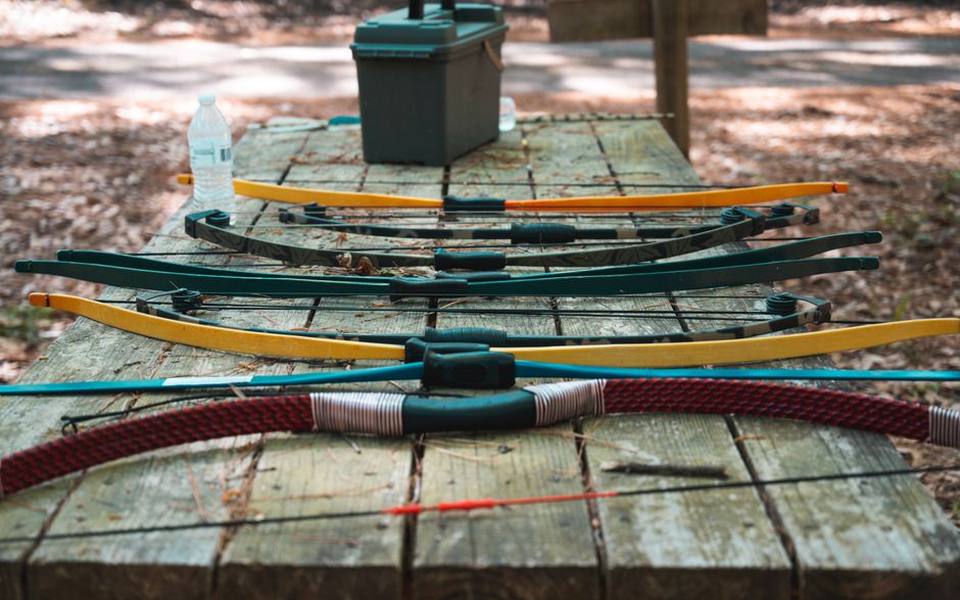
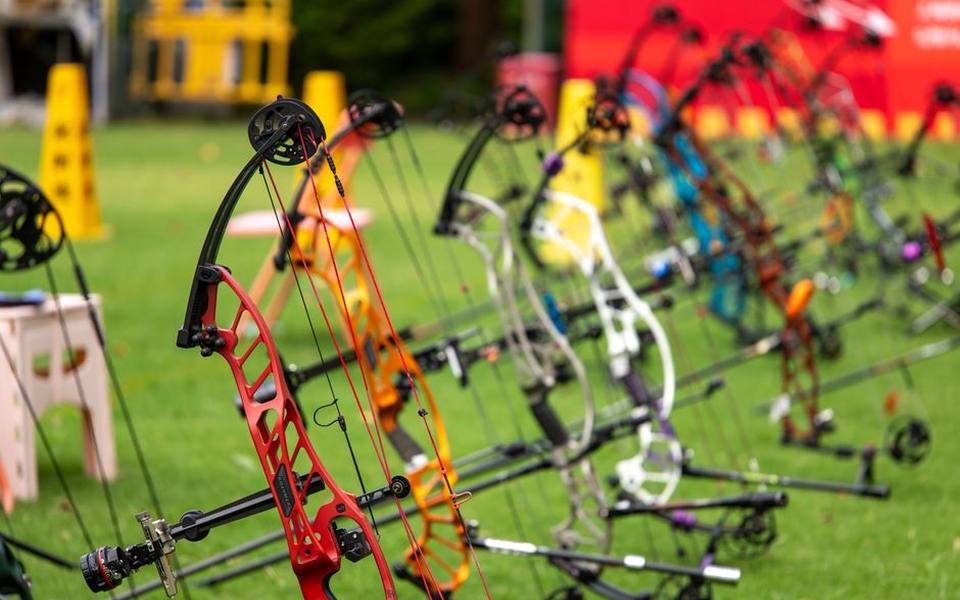
Stepping onto a shooting line for the first time can feel intimidating, but beginner instruction is structured to make the process straightforward and safe. When you register for an introductory session, the host facility typically supplies all the fundamental gear, including a light-draw recurve or universal compound bow, matched arrows, an arm guard, and a finger tab. You do not need to purchase equipment before learning the basics, as trying out club gear helps determine your dominant eye and preferred style.
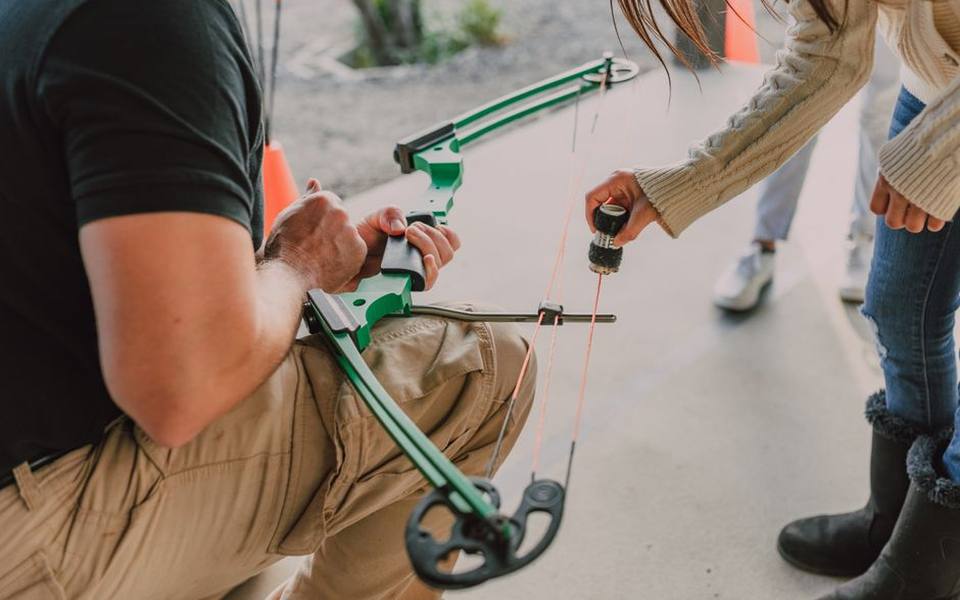
A typical introductory clinic begins with an equipment overview and a safety briefing before anyone nocks an arrow. Instructors explain the basic anatomy of the bow, how arrows rest on the shelf, and the significance of the waiting line behind the shooting line. For newcomers researching options, locating established archery ranges with lessons allows you to work under certified coaches who monitor your posture from the very first draw.
Early lessons focus primarily on repetition at close targets, usually set between nine and fifteen feet away. Keeping the target close eliminates the anxiety of missing and lets students concentrate entirely on body mechanics. By keeping the draw weight light, typically between fifteen and twenty pounds, beginners avoid physical strain and build muscle memory without fighting the bow's tension.
Expect your coach to emphasize consistency over bullseyes during these opening sessions. A tight grouping of arrows off in the blue ring demonstrates better technical control than scattered arrows that hit the center purely by chance. Once you establish reliable shot execution, fine-tuning your sight picture or stance adjustments will naturally bring those tight groups into the center.
Mastering the Fundamentals of Correct Archery Form
Developing repeatable, clean form is the cornerstone of accurate archery across every discipline, from backyard plinking to competitive target shooting. Proper body mechanics start at your feet: establishing a stable stance perpendicular to the shooting line gives you an unshakeable foundation. Keep your feet shoulder-width apart, your hips level, and your core slightly engaged, ensuring your body does not lean toward or away from the target when lifting the bow.
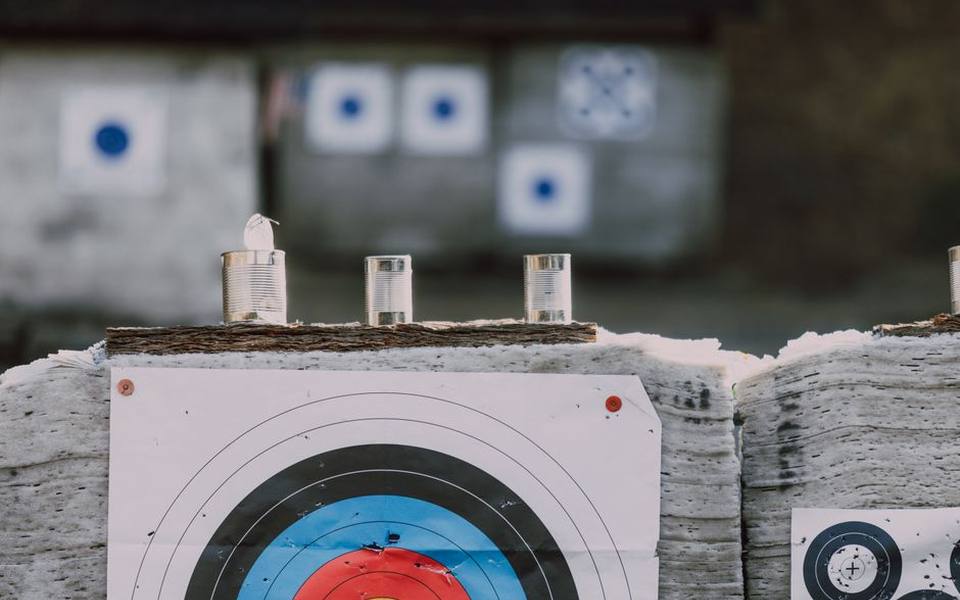
Your grip on the bow handle should remain relaxed and open, with pressure resting along the meaty base of your thumb rather than clenched inside your fingers. Gripping the riser tightly introduces lateral torque, twisting the bow during the release and throwing arrows off course. Many archers use a simple finger or wrist sling, allowing them to shoot with an open hand without worrying that the bow will slip to the floor after the shot.
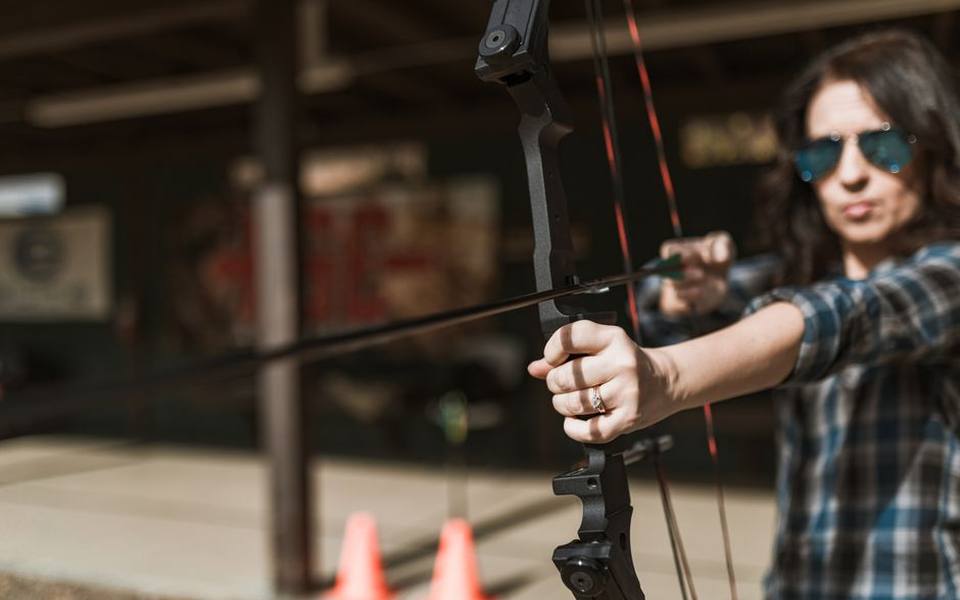
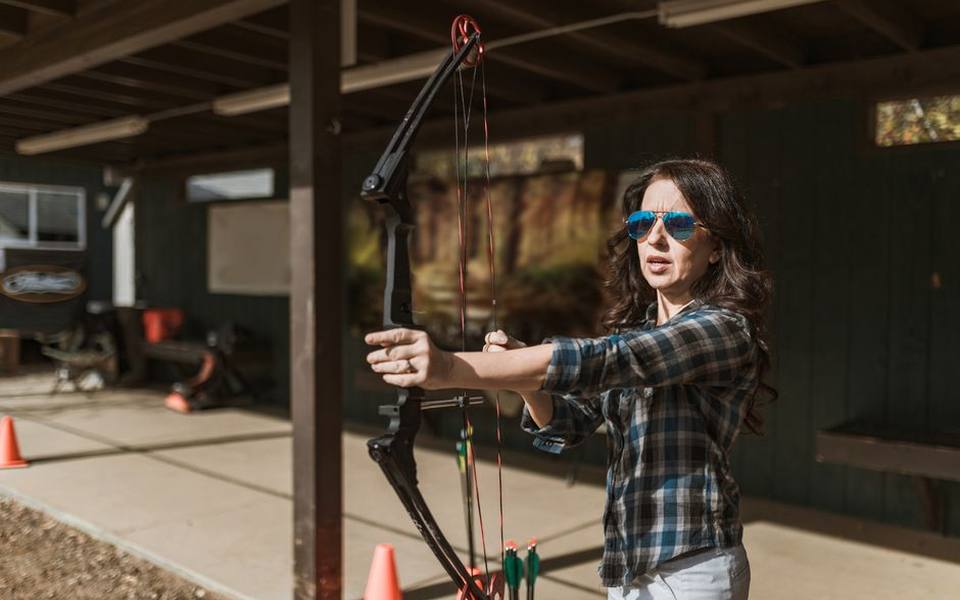
Drawing the bow requires using the large muscles in your upper back and shoulder blades rather than your arm biceps. As you pull the bowstring back, focus on rotating your draw elbow backward until your hand reaches a definite, repeatable anchor point on your face. Depending on whether you shoot traditional barebow or modern compound setups, this anchor point might be the corner of your mouth, the jawline, or a mechanical kisser button touching your lips.
The shot concludes with a surprise release and a smooth follow-through. Instead of plucking your fingers off the bowstring or flinching on a release aid trigger, allow the tension in your back to expand naturally until the string slips away. Your draw hand should track straight back along your neck, while your bow arm remains steady toward the target until the arrow impacts the bale.
Range Safety and Standard Whistle Commands
Safety is paramount at any shooting facility, and universal whistle signals keep lanes organized and shooters out of harm's way. When you shoot on a shared line, you must pay constant attention to the range officer or caller managing the whistles. Understanding these acoustic signals ensures that everyone approaches the line, shoots, and retrieves their arrows in complete synchronization.
Two whistle blasts mean archers may step from behind the waiting line up to the shooting line, straddling it with their bows resting safely un-nocked. One whistle blast is the direct signal that the range is hot and shooting may commence; you may now nock an arrow and aim downrange. Under no circumstances should an arrow ever be loaded onto a bowstring before that single whistle sounds.
Three whistle blasts indicate the shooting line is clear and archers may walk forward together to score and retrieve their arrows downrange. While arrows are being gathered, bows must remain racked or resting behind the shooting line. Finally, five or more rapid whistle blasts—or a loud verbal cry of 'cease fire'—signal an immediate, unexpected hazard. If you hear this signal, you must let down your draw immediately, un-nock your arrow, and step behind the waiting line.
Treating every bow as a loaded instrument requires discipline from everyone present. Never draw a bow with an arrow pointed at anything other than an approved backstop target, and never dry-fire a bow without an arrow on the string. Dry-firing can violently shatter the bow's limbs, sending debris across the range and injuring both the archer and bystanders.
Range Etiquette for Indoor and Outdoor Shooting
Beyond strictly enforced safety rules, standard archery etiquette keeps shooting lanes pleasant, respectful, and productive for everyone involved. When practicing at public or commercial facilities, spatial awareness is essential. Keep your quivered arrows, gear bags, and spotting scopes contained within your assigned shooting lane without encroaching on your neighbor's footing or sightlines.
Archers shooting at modern indoor archery ranges often share targets or shoot closely spaced butts during busy peak hours. Be conscious of your physical movements on the line; avoid sudden lateral gestures or turning around with your bow held horizontally. Once you finish your standard end of arrows, step back three paces behind the waiting line quietly so shooters still aiming adjacent to you remain undisturbed.
Arrow retrieval at the target bale also requires thoughtful technique to prevent accidental injuries. When walking downrange, never run, as arrows protruding from target faces can cause serious puncture wounds to the face or torso. Look at the ground near the base of the targets to avoid stepping on buried arrows that missed low, which can ruin expensive shafts or cut through footwear.
When pulling arrows out of a high-density target, ensure no one is standing directly behind you in line with the arrow nock. Place one hand flat against the target face around the shaft for leverage, grasp the arrow shaft firmly near the point of entry with an arrow puller, and draw it straight backward without bending the carbon or aluminum material.
Youth Development Through JOAD Programs
Youth archers looking for structured growth frequently turn to the Junior Olympic Archery Development program, widely recognized by its acronym JOAD. Designed for children and teenagers aged eight to twenty, JOAD provides a clear curriculum that transitions young archers from absolute beginners into confident, competitive marksmen. The program accommodates both barebow recurve shooters and compound archers using advanced sights.
A hallmark of JOAD is its progressive pin achievement system, which rewards archers as their scores improve across standard distances. Youth participants shoot designated rounds at indoor distances, typically nine to eighteen meters, and earn colorful lanyards and achievement pins as they cross predetermined scoring thresholds. This gamified milestone system keeps participants motivated through objective personal goals rather than sheer head-to-head pressure.
Beyond technical skill development, youth target archery programs emphasize mental discipline, patience, and emotional self-control. Archery is largely an individual mental game where an athlete must learn to shake off poor shots and reset their internal focus before every single draw. Coaches emphasize process-oriented thinking, helping young athletes manage frustration and celebrate consistent execution over fleeting luck.
Parents seeking quality youth programs should look for chartered clubs operating out of dedicated pro shops or community recreation centers. These clubs generally host weekly team practices, maintain standardized safety ratios between certified instructors and students, and offer pathways to state, regional, and national indoor championships.
Earning the Archery Merit Badge and Youth Milestones
For scouts and outdoor-oriented youth organizations, working toward the archery merit badge remains one of the most rewarding and rigorous challenges available. The badge syllabus demands a comprehensive understanding of equipment maintenance, historic archery traditions, and strict safety guidelines before shooting qualifications even begin. Scouts must demonstrate how to inspect bowstrings for fraying, check arrows for hairline cracks, and correctly wax bowstrings.
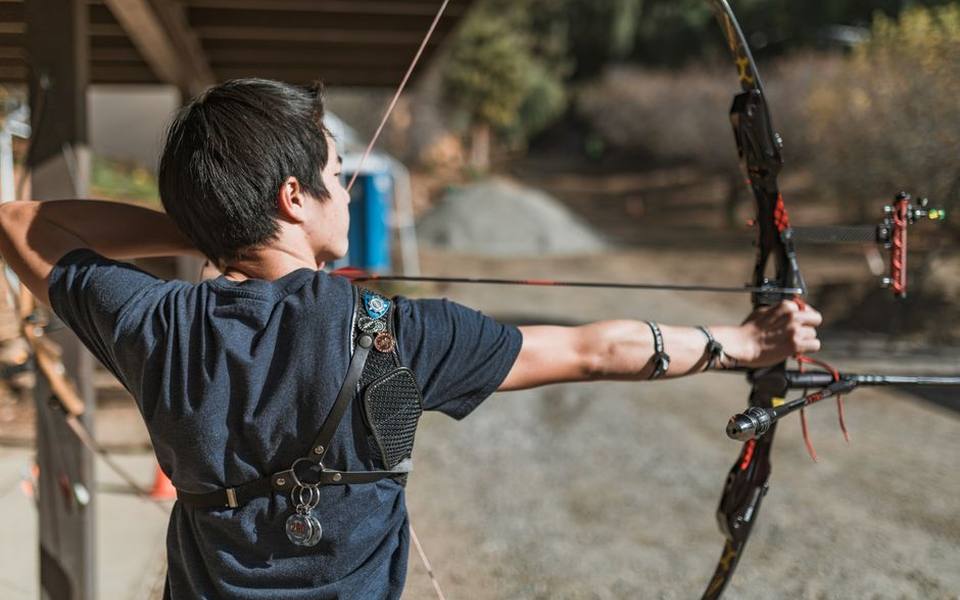
Demonstrating proper equipment handling also includes learning how to safely string and unstring a recurve bow using an approved bow stringer tool. Doing this incorrectly can warp the bow limbs or cause the tool to snap backward toward the archer's face. Merit badge counselors look for deliberate, careful mechanical habits and an understanding of why specific safety steps exist.
The shooting qualification requirements test real marksmanship, requiring scouts to score a minimum point total across multiple ends using target recurve or compound bows. Scouts shoot at standard multi-ring faces from fifteen and twenty yards, logging their scores under the supervision of a certified range director. It rarely happens on the first try; scouts typically spend several weekends refining their form to meet the standard.
Completing this milestone gives young shooters a profound sense of self-reliance and outdoor competence. Understanding arrow trajectory, calculating scoring rings, and taking ownership of physical gear builds a foundation that easily translates to lifelong hobbies, whether that involves high-level tournament shooting or responsible wilderness pursuits later in life.
Transitioning from Target Lines to Field and 3D Courses
While indoor flat ranges offer the ideal environment for perfecting technical form, many archers eventually seek dynamic, realistic shooting challenges. Stepping onto natural field trails and walking simulated hunting loops introduces irregular footing, fluctuating wind, varying lighting conditions, and steep uphill or downhill angles that require subtle physical adaptations.
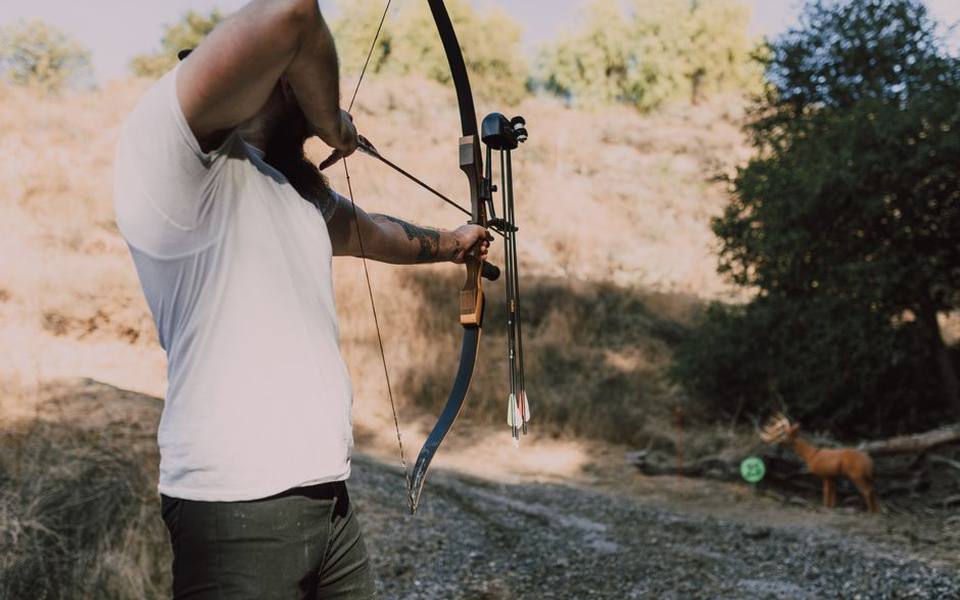
Shooting along dedicated 3D archery courses involves walking through wooded terrain and shooting at life-sized foam animal targets placed at unmarked distances. Unlike stationary paper targets with distinct concentric scoring circles, 3D targets require archers to visually identify subtle vital zones on an anatomical shape. This sharpens spatial awareness and tests whether your form holds steady on uneven ground.
When shifting toward field shooting or preparing for wilderness hunting, carrying an angle-compensating rangefinder for bowhunting becomes indispensable. Because gravity acts horizontally along an arrow's trajectory, shooting steeply up or down an embankment drastically alters the actual flight path compared to simple line-of-sight distance. Modern rangefinders calculate the true horizontal equivalent yardage, preventing archers from overshooting high on downhill targets.
Practicing at varied yardages also trains your eyes to estimate distance intuitively when time is tight. Combining optical laser readings with your visual assessments helps build realistic confidence in knowing your personal ethical shooting boundaries before ever taking to the woods.
Understanding Bow Hunting Permits and Legal Requirements
Transitioning from recreational target practice to harvesting wild game requires navigating a completely separate set of state wildlife regulations. Before purchasing hunting tags, nearly all jurisdictions require prospective bowhunters to complete a certified hunter education course, and several states mandate an additional dedicated bowhunter education credential covering blood trailing, broadhead safety, and shot placement.
Securing a proper bow hunting permit or archery endorsement typically involves adding specific hunting privileges onto your base state hunting license. State game agencies use these specialized permit sales to manage harvest numbers, monitor species populations, and fund wildlife conservation efforts. Regulations vary significantly regarding minimum draw weights, broadhead blade dimensions, and the legality of crossbows during specific archery-only windows.
Failing to review local game digests can lead to severe fines and loss of sporting privileges. Some conservation management units require hunters to enter lottery drawings months in advance for limited-entry archery tags, while other regions provide over-the-counter tags for specific public tracts. Always confirm legal shooting hours, blaze orange requirements when firearms overlaps occur, and electronic game check-in protocols for your hunting zone.
Responsible hunters treat seasonal administrative preparation with the exact same diligence as target practice. Keeping valid digital or printed copies of your license and permits secured in a waterproof pouch in your pack ensures smooth interactions with local wildlife conservation officers in the field.
Preparing Gear for the Upcoming Archery Deer Season
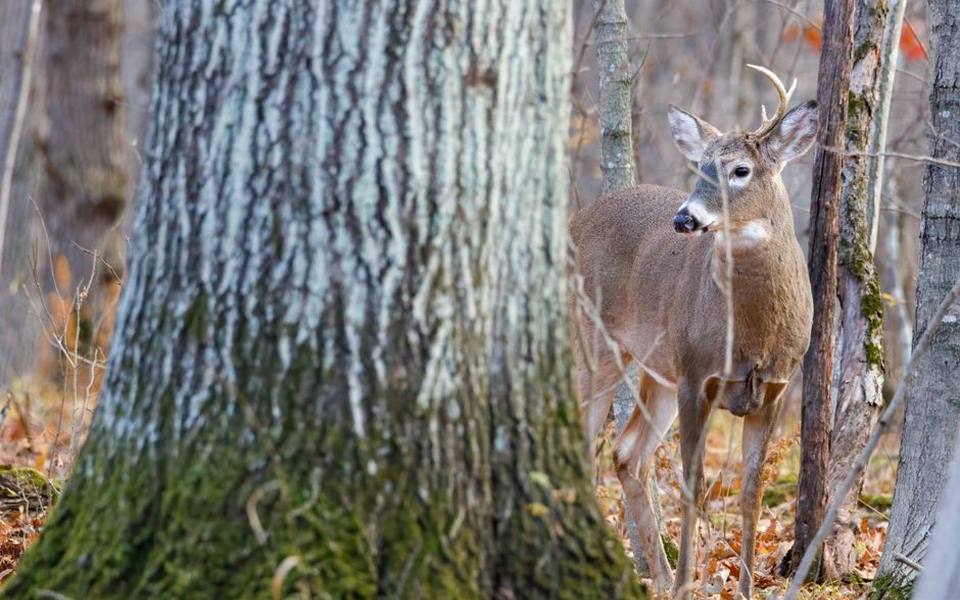
Preparation for the annual archery deer season should begin months before opening day arrives in early autumn. In most states, archery seasons open well ahead of general gun seasons, typically starting around September or October depending on local climate and wildlife management strategies. This early window rewards archers with undisturbed deer patterns and unpressured timber.

Transitioning from lightweight target field points to hunting broadheads requires careful tuning that often surprises novices. Broadheads carry metal blades that act as rudders in flight, which can amplify minor imperfections in arrow spine, rest alignment, or shooting form. Visiting professional archery pro shops allows experienced bow technicians to paper-tune your setup, ensuring your hunting arrows fly true without erratic wind-planing.
Your late-summer practice routine should closely mimic the actual conditions you expect in the field. Practice shooting while wearing your hunting jacket, gloves, and safety harness to ensure your bowstring does not catch on bulky fabrics. If you plan to hunt from elevated tree stands, spend time shooting downward from a safe platform to practice bending at the waist rather than lowering your arms.
Routine equipment inspections should never be neglected as seasonal temperatures fluctuate. Examine your bowstring for separated servings, check limb pockets for micro-cracks, and inspect tree stand straps for UV degradation or rodent chew marks. Replacing worn strings or frayed D-loops in July prevents catastrophic mechanical failure when that long-awaited buck finally steps into view in October.
Bowhunting Regulations and Opportunities in Texas
Texas presents one of the most distinctive landscapes for bowhunting in the country, characterized by an enormous white-tailed deer population and vast private ranchlands. Navigating bow hunting in Texas requires an active state hunting license along with the mandatory Texas archery endorsement stamp if you intend to participate during the specialized archery-only season.
The general archery-only deer season in Texas typically opens in late September or early October, giving bowhunters several weeks of dedicated access before rifle seasons commence in November. While private leases and game ranches dominate the state hunting culture, hunters can also access extensive acreage through public hunting permit programs managed by state agencies. Those interested in local ranges can explore archery ranges in Texas to prepare before heading out into the field.
Because much of the state experiences warm, arid conditions during early archery season, hunting strategies often center on water sources, brush ground blinds, and feeder setups rather than traditional hardwood tree stands. Temperatures can remain exceptionally high well into October, requiring hunters to have rapid field dressing and ice cooler strategies planned to protect harvested meat from spoiling.
In addition to native whitetail and mule deer, Texas provides year-round bowhunting opportunities for non-native exotic ungulates such as axis deer, blackbuck, and nilgai on private lands. These hunts offer year-round field experience, allowing archers to maintain sharp hunting instincts and fine-tune their field archery skills outside conventional fall seasons.
Published 2026-09-21 · reviewed with each rebuild, last October 2026.
Find archery ranges & sports shops near you
The directory lists 38,975 archery ranges & sports shops by state and city — pick your state or use the “Near me” button in the header.
More guides
-
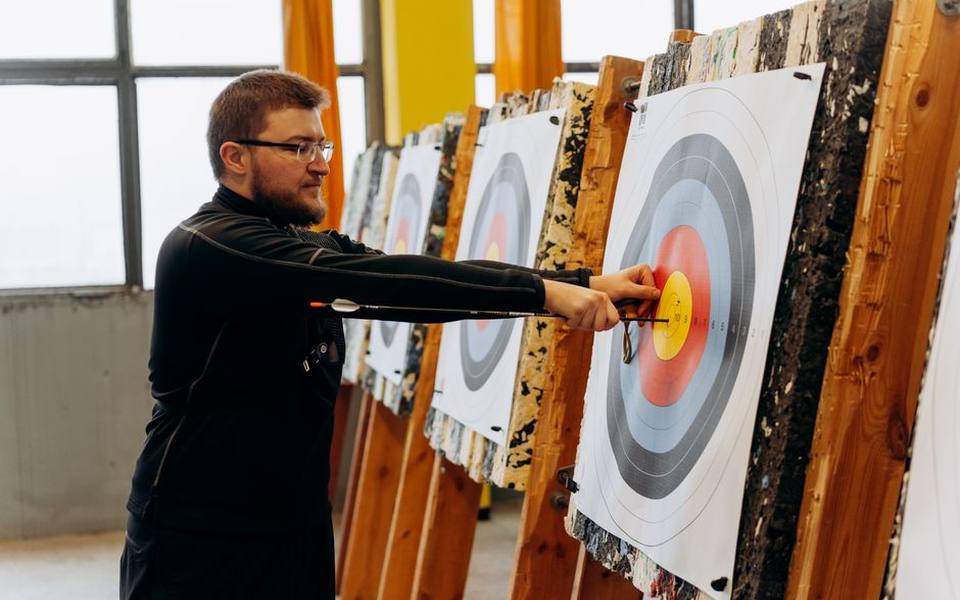 Money
MoneyA Guide to Archery Range Fees and Lesson Costs
-
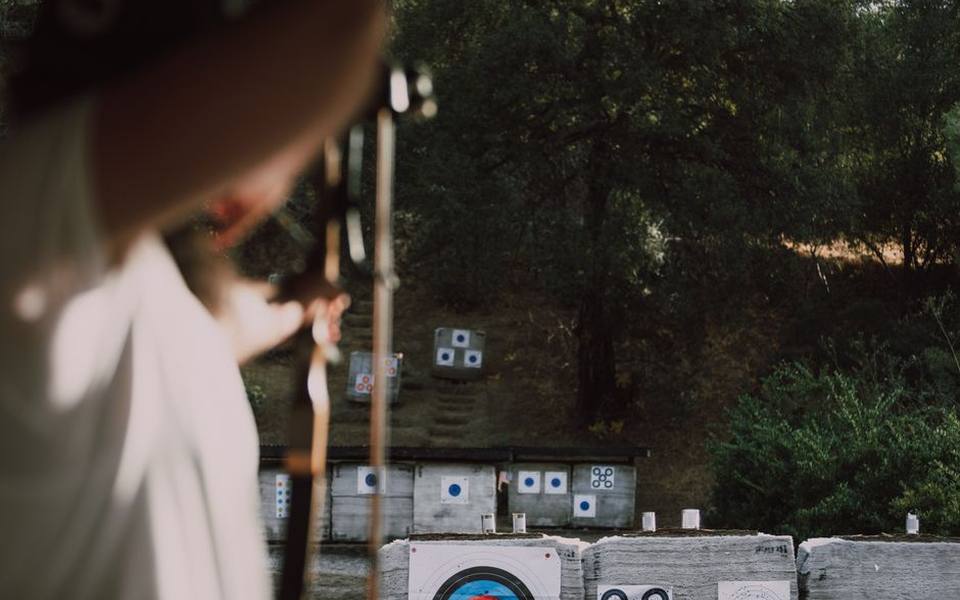 Buying
Choosing Broadheads and Aiming for the Perfect Shot
-
 Service
DIY Bow Maintenance, Tuning, and Basic Repairs
-
 Buying
Choosing Sights and Rangefinders for Better Accuracy
-
 Buying
Essential Gear for Target Practice and Bowhunting Preparation
-
 Money
MoneyUnderstanding Bow Purchase and Restringing Costs: A Complete Pricing Guide
-
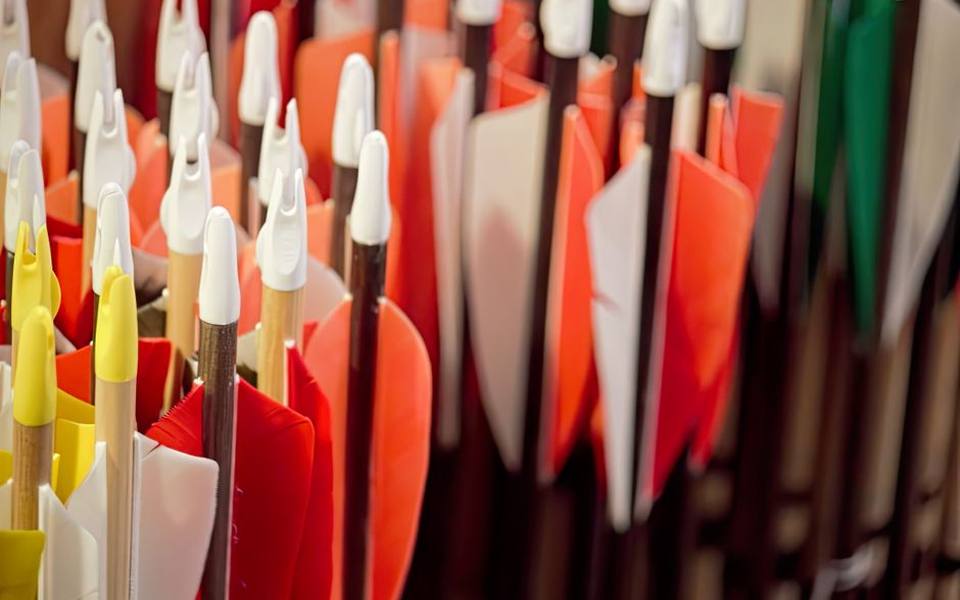 Owning
Arrow Selection, Cutting, and Fletching at Home: A Complete Guide
-
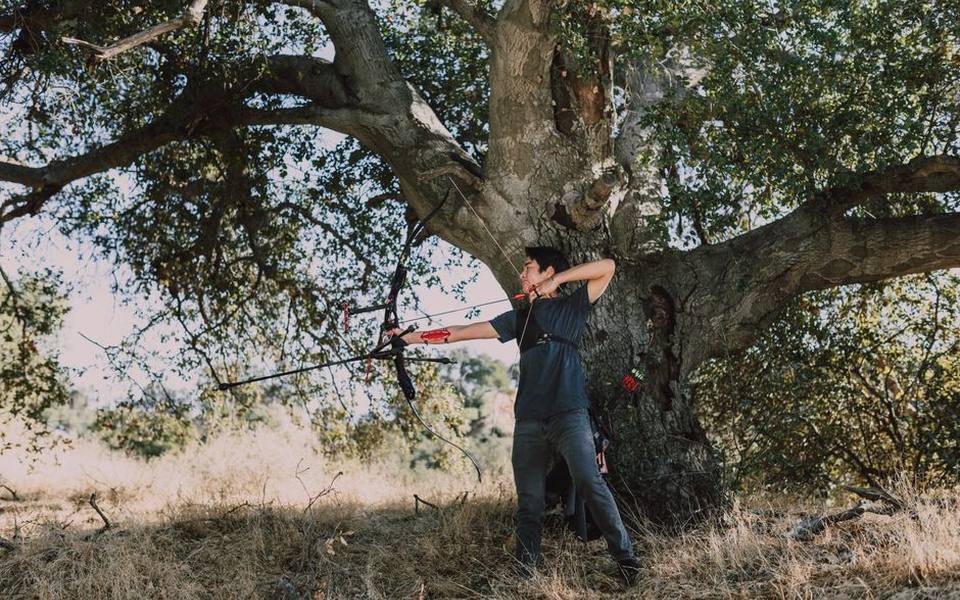 Safety
Bowhunting Shot Placement Guide for Deer and Turkey
-
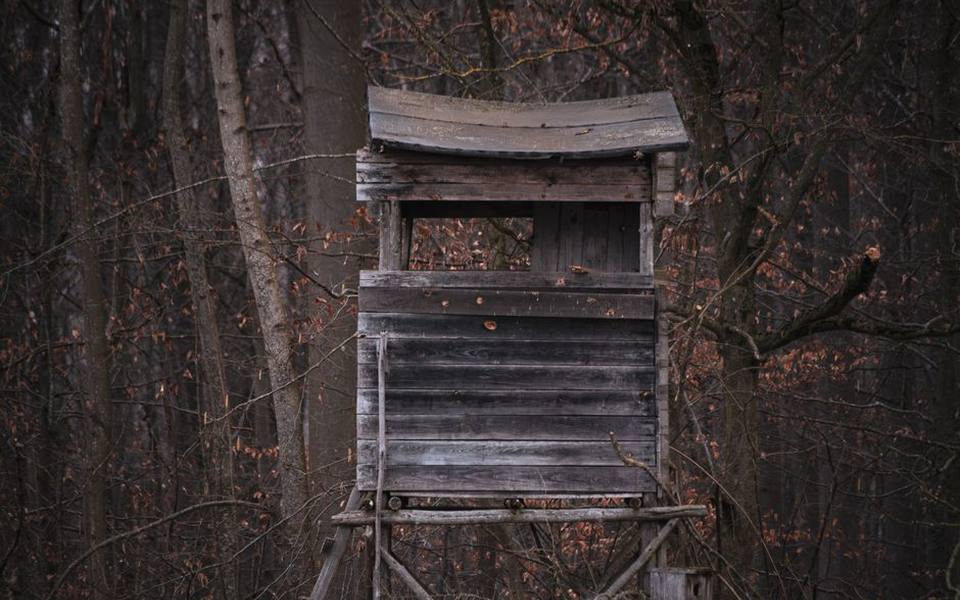 Buying
Complete Guide to Choosing the Best Crossbow Broadheads
-
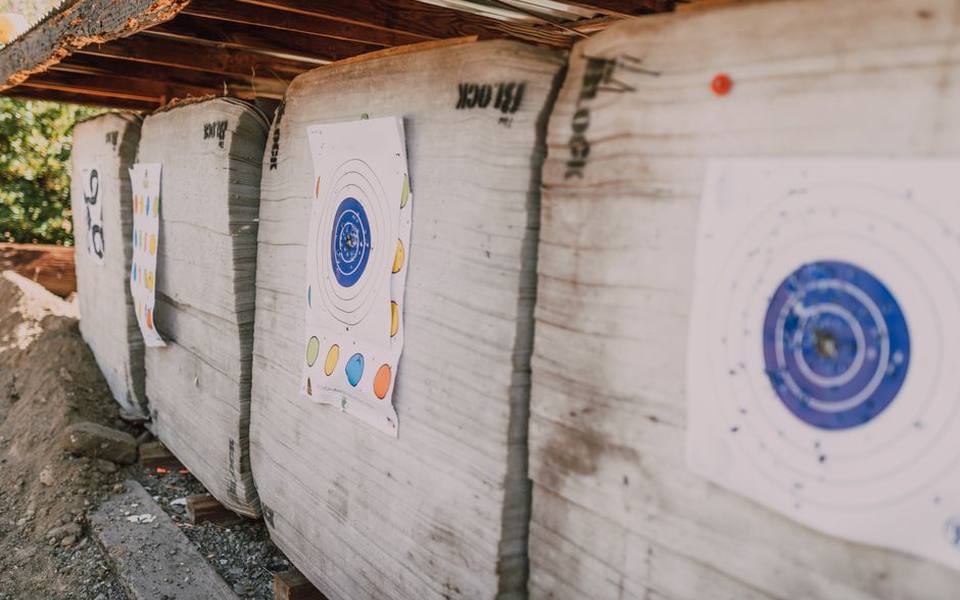 Money
MoneyHow Much Does Archery Cost? A Realistic Beginner Budget
-
 Buying
Choosing the Right Arrows and Field Points: Shaft Materials, Weights, and Tuning
-
 Buying
Best Archery Sets for Beginners: Complete Buyer Guide and Starter Tips
-
 Owning
Best Archery Targets and Backstops: 3D, Foam, Bag, and DIY Setup Guide
-
 Buying
Beginner Archery Buying Guide: Recurve, Compound, and Traditional Bows
-
 Buying
Bowfishing Equipment Guide: Bows, Reels, Arrows, and Rigging Setups
-
 Owning
Lighted Nocks and DIY Arrow Building: Fletching, Cutting, and Tuning
-
 Buying
Crossbow Bolts, Broadheads, and Cocking Devices: Complete Buyer's Guide
-
 Buying
Complete Arrow Selection Guide: Carbon Shafts, Spine, Length, and Brands
-
 Safety
Archery Protective Gear: Arm Guards, Chest Protectors, Tabs, and Slings
-
 Buying
Archery Quivers Buying Guide: Hip, Back, and Bow-Mounted Options
-
 Buying
Bow Release Aids Explained: Wrist Strap, Thumb Button, and Hinge Releases
-
 Owning
Compound Bow Tuning and Care: Strings, Wax, Stabilizers, and Cases
-
 Buying
Arrow Rests Compared: Whisker Biscuit, Cable-Driven, and Limb-Driven
-
 Owning
Complete Guide to Single Pin Bow Sights and Sight Tapes
-
 Owning
Arrow Selection and DIY Arrow Building: Shafts, Fletching, and Tools
-
 Owning
Finding Archery Ranges, Pro Shops, Clubs, and Instructor Programs
-
 Buying
Best Hunting Broadheads: Fixed Blade vs Mechanical Broadheads
-
 Buying
Archery Targets Guide: 3D Targets, Bags, Blocks, and DIY Backstops
-
 Buying
Archery Quivers Guide: Bow-Mounted, Hip, Back, and Crossbow Quivers
-
 Service
Bow Tuning and Setup: Paper Tuning, Arrow Rests, and Bow Maintenance
-
 Buying
Bowfishing Gear Guide: Bows, Rigs, Arrows, and Setup Options
-
 Owning
Essential Archery Accessories: Lighted Nocks, Arrow Pullers, and Arm Guards
-
 Buying
Archery Release Aids Guide: Thumb, Hinge, Wrist, and Mechanical Releases
-
 Buying
Essential Bowhunting Gear, Deer Supplies, and Gift Guide
-
 Buying
Crossbow Buying Guide: Matching Platforms, Bolts, Optics, and Fletching
-
 Buying
Beginner Bow & Arrow Starter Kits: How to Choose Your First Setup
-
 Owning
Traditional Archery, Longbows, and Primitive Gear
-
 Buying
Deer Hunting Bows: Comparing Recurve and Compound Setups, Finding Deals, and Studying Hunting Film
-
 Buying
Compound Bow Setup, Tuning, Form, and Equipment Guide
-
 Owning
Compound Bow Release Aids and Grip Tape: Enhancing Control and Consistency
-
 Service
Crossbow Maintenance: String Replacement and Scope Sighting Guide
-
 Owning
Broken Bow Cabin Rentals: Complete Beavers Bend Vacation Guide
-
 Safety
Broken Bow Lake Rentals: Complete Guide to Boats, ATVs, and Trail Gear