How Bow Release Aids Transform Compound Accuracy
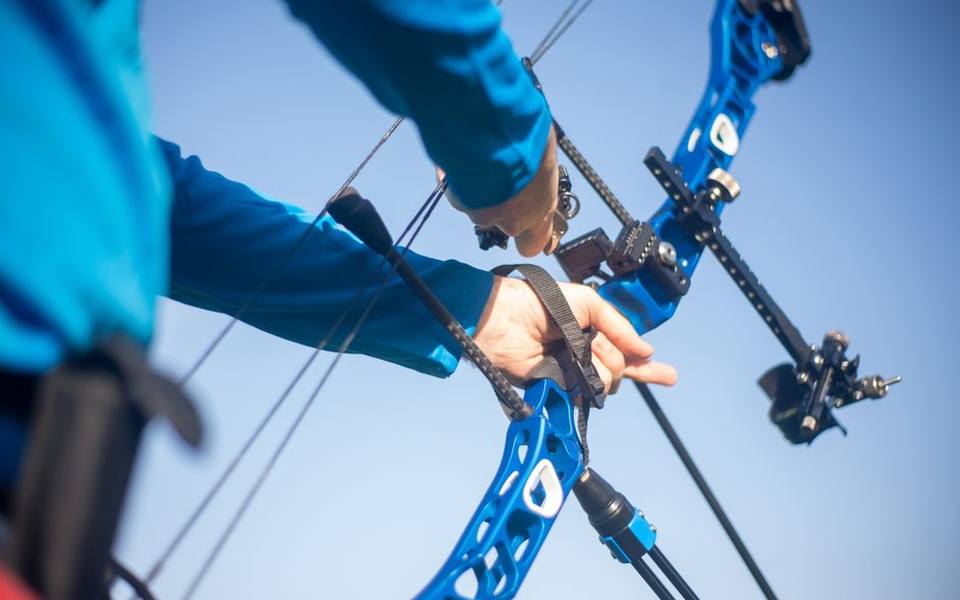
A mechanical archery release serves as the primary connection between your hand and the bowstring, directly influencing how cleanly energy transfers into the arrow. When archers shoot a modern compound bow, releasing the string smoothly with bare fingers is nearly impossible due to the short axle-to-axle dimensions and steep string angles. A dedicated bow release aid eliminates finger pinch, creates a repeatable anchor point, and lets the string slide away with virtually zero lateral deflection.
Traditional recurve archers still rely on an archery finger release using a leather tab or shooting glove, but compound shooters almost universally benefit from mechanical designs. The mechanical release grabs a small nylon D-loop tied onto the string rather than touching the serving directly. This small separation protects your center serving from abrasive wear while allowing the archer to achieve uniform let-off and let-down cycles shot after shot.
Choosing the right release style depends on your primary archery discipline, your personal tendencies under pressure, and how comfortable you feel with different anchor points. While beginner setups lean toward simple strap systems, experienced competitors and bowhunters often experiment with handheld platforms to solve shot anticipation issues. Understanding the fundamental mechanics of each style will save you both time and unnecessary expense before you invest in high-end gear.
Wrist-Strap Index Finger Releases
The index finger wrist release remains the most familiar style across North America, serving as the standard entry point for bowhunters and club archers alike. This design features a padded leather or nylon strap buckled securely around your wrist, connected by a solid rod or nylon webbing to a mechanical caliper or open hook. Because the strap bears the draw weight across your wrist bones, drawing a heavy hunting bow feels manageable without straining your forearm muscles.
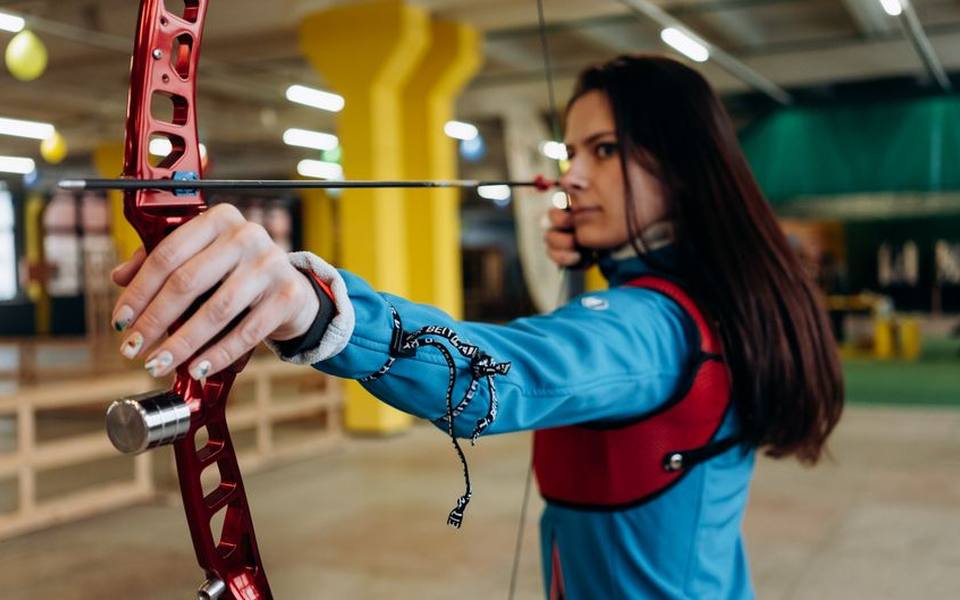
Trigger activation feels intuitive because it mirrors pulling the trigger on a firearm. Archers rest the pad or first knuckle of their index finger over the trigger post and squeeze gently once their sight pin settles on the target. However, this familiarity can also lead to bad habits like punching the trigger, where an archer slaps the post the instant the sight pin crosses the bullseye instead of executing a steady, surprise release.
Quality wrist releases offer micro-adjustments for trigger travel and trigger tension, allowing you to stiffen the spring so you can comfortably wrap your finger around the shoe without early discharge. Adjusting the connector length is equally critical so the trigger sits deep into the first joint of your finger rather than at your sensitive fingertip. If you are just starting out, taking lessons or classes for beginners will help you develop a smooth squeeze rather than a punch.
Handheld Thumb Button Releases
Handheld releases remove the wrist strap entirely, placing the entire device inside your palm where you hold it with two, three, or four fingers. A thumb button release features a cocking lever, a precision-machined internal sear, and a barrel or peg positioned under your thumb. Archers draw the bow using their large back and shoulder muscles, seat their hand against the jawbone, and activate the sear with thumb pressure.
One major advantage of hand release archery is the consistency it brings to your anchor position. Instead of relying on a soft wrist joint that can pivot or flex under tension, a handheld release lets you press the valley between your index and middle knuckles firmly against the underside of your jawbone. This bone-on-bone contact creates an exceptionally stable reference point that dramatically tightens horizontal arrow groups.
The trigger mechanism on a modern thumb release works like a match-grade rifle trigger, utilizing hardened tool-steel sears that break cleanly with zero perceptible creep. Popular designs like the Scott Sigma release showcase how ergonomic handle geometry can rotate the archer's hand into a natural 45-degree angle, reducing forearm torque on the bowstring. Trigger barrels can typically be adjusted for sweep, height, and angle to fit different hand sizes.
Evaluating Thumb Releases for Hunting
Bowhunters are increasingly turning to thumb releases for hunting because of their versatility in tree stands and ground blinds. Unlike a wrist strap that dangles from your sleeve and can clatter against climbing sticks or binocular harnesses, a handheld release can be attached directly to your D-loop and left hanging in place. When game enters shooting range, your bow is already pre-loaded, requiring minimal movement to grip the handle and draw.
Quiet operation is mandatory in hunting scenarios, so manufacturers engineer specific models that cock silently. Releases such as the B3 Exit release and similar hunting-focused thumb designs utilize internal dampening materials and open-hook geometries that hook effortlessly onto the loop without requiring you to look down. An open hook also speeds up reloading if a fast follow-up shot becomes necessary.
Safety is another important factor when maneuvering through rough timber. Many handheld models feature integrated lanyard loops or closed jaw gates that lock completely shut over the D-loop so the release cannot fall off your string when you set the bow on a hanger. Visiting a local pro shop lets you feel how different handles fit your hunting gloves before season begins.
Bow Hinge Releases and Back-Tension Execution
A bow hinge release represents the gold standard for archers seeking a completely unexpected shot execution. Often referred to simply as a back-tension release, a hinge contains no internal trigger mechanism, springs, or cocking levers. Instead, the handle rotates around a half-moon sear or cam as the archer pulls through the shot using their rhomboids and latissimus muscles, eventually slipping the hook off the D-loop.
Learning a hinge release requires patience because you cannot force the release to fire at an exact split second. You draw the bow using a thumb peg to keep the sear from rotating prematurely, settle into your anchor, relax your thumb completely, and begin yielding your index finger while squeezing your shoulder blades together. When executed correctly, the release fires as a complete surprise, eliminating the flinching reflex known as target panic.
Most hinge designs offer the option to shoot with an audible click or a smooth moon. The click provides an acoustic indicator that the sear has rotated to its final edge, signaling the archer to begin their final aiming sequence. Experienced target shooters often prefer no click at all to avoid developing a secondary anticipation reflex right after the sound occurs.
Resistance and Tension-Activated Releases
Tension release archery devices look identical to handheld thumb buttons on the outside but operate on an entirely different internal principle. A resistance-activated release does not care about finger rotation or trigger pressure; it fires solely based on pulling weight. The archer draws the bow while holding down a safety lever to prevent accidental discharge during the draw cycle.
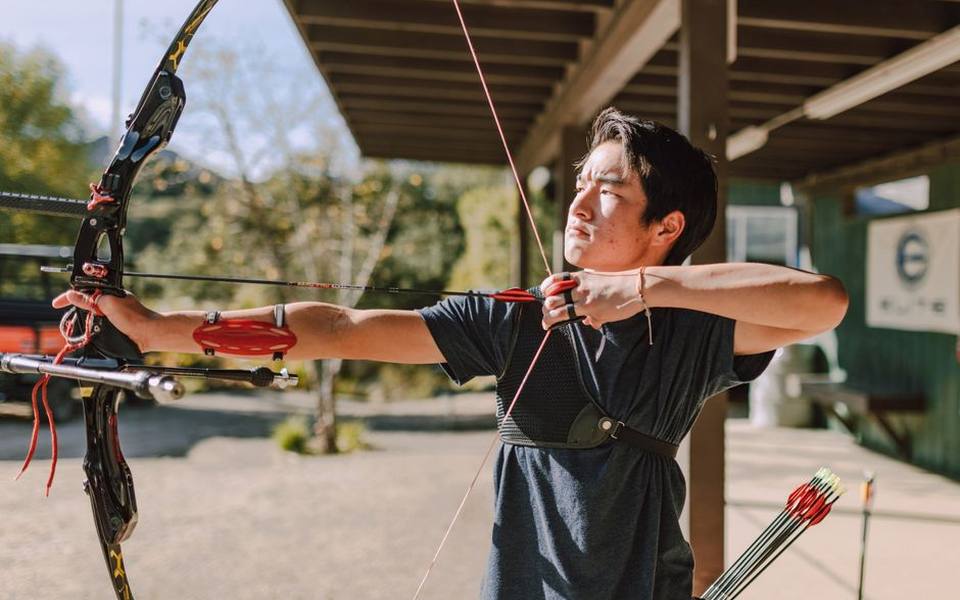
Once anchored and aimed at the target, the archer releases the safety lever and simply pulls straight back against the bow's solid draw stops. Inside the release, a calibrated spring holds the sear closed until the archer's pulling force exceeds the bow's holding weight by a predetermined threshold, typically two to five pounds over holding weight. When that threshold is met, the sear releases the string cleanly.
Resistance releases are celebrated training tools because they force pure mechanical back tension without allowing the shooter to cheat the handle. They are widely used by target archers practicing on an indoor range to retrain their nervous system after struggling with shot anticipation. They guarantee that every arrow leaves the bow under identical dynamic tension, leading to remarkably consistent vertical groupings.
Modular Systems and Modern Ergonomic Designs
The archery release market has evolved toward modularity, giving shooters the ability to change handle geometry without altering their underlying shooting mechanics. Modern systems exemplified by Stan releases archery equipment, such as the Stan Onnex releases line, allow an archer to buy a single platform and switch between thumb trigger, hinge, or resistance activation while maintaining identical handle geometry, finger sweeps, and neck lengths.
This platform consistency solves a long-standing challenge where changing release styles forced shooters to alter their draw length or peep height. When your thumb release and your training hinge share identical physical dimensions, muscle memory transfers instantly. You can train with a back-tension hinge during the off-season and switch to a thumb trigger for late-season hunts without feeling any difference at full draw.
Ergonomics also extend to finger configurations, with many modern releases allowing users to swap between three-finger and four-finger modular attachments. A three-finger handle promotes deeper elbow rotation and strong back engagement, while a four-finger handle offers extra leverage for drawing heavy draw-weight setups or stabilizing your hand in windy conditions on an outdoor course.
Anchor Shifts, Draw Length, and D-Loop Adjustments
Switching from a traditional wrist release to a handheld release aid will almost always alter your effective draw length and head position. Wrist strap calipers generally have long stems that place the string connection point several inches forward of your wrist joint. In contrast, handheld releases have short necks that tuck the string much closer to your fingers, effectively shortening your reach by one-half to a full inch.
When your hand moves closer to the string, your peep sight may no longer align comfortably with your eye when your nose touches the string. You might find yourself craning your neck or dipping your chin to find the aperture, which quickly ruins shooting posture. Correcting this requires either lengthening your bow's draw module slightly or extending your D-loop length to restore your natural head alignment.
D-loop material and stiffness also matter when shooting handheld releases. A stiffer, tightly braided D-loop cord prevents the loop from collapsing or twisting as you rotate your release hand into its 45-degree anchor. Spending an afternoon tuning these fine details at an archery range ensures your peep rotates squarely to your eye every time you come to full draw.
Practical Drills and Safe Testing Techniques
Acclimating to a new mechanical release should always begin without drawing your actual bow. Using a string trainer or a piece of paracord tied to mirror your bow's draw length allows you to practice setting the sears, anchoring against your jaw, and executing the shot without the danger of a dry fire or an errant arrow striking the ceiling.

Once you transition to your bow, start with blank bale shooting at a distance of five to ten feet. With no target face or scoring rings to distract your eyes, your entire focus shifts inward to physical sensations: the steady expansion across your shoulder blades, the relaxed pressure in your fingers, and the clean surprise break of the sear. Blank bale practice builds subconscious confidence before you ever step onto a competitive range.
Testing your equipment on varied terrain reveals subtle flaws in your technique that flat-ground shooting can hide. Taking your setup to local outdoor 3D courses introduces uphill, downhill, and awkward sidehill angles where holding consistent anchor pressure becomes a true test of release familiarity. Practicing in these realistic environments ensures your release choice performs reliably under field pressure.
Selecting the Right Release for Your Archery Goals
Choosing between an index wrist strap, a thumb button, a hinge, or a tension-activated release ultimately comes down to your personal shooting goals and mental comfort. Hunters who prioritize simplicity, cold-weather glove compatibility, and heavy draw-weight control often remain loyal to rugged index wrist releases. They provide a secure connection that cannot be dropped from a tree stand and require minimal fine-motor adjustment.
Target archers, 3D competitors, and precision-minded hunters, however, generally achieve tighter long-range groups with handheld platforms. A thumb release provides crisp mechanical control with hunting utility, while hinges and resistance models serve as the supreme medicine for target panic and rushed shots. Many dedicated shooters keep both a thumb trigger and a matching hinge in their field kit for complementary training.
Expect prices to vary based on internal tolerances and metal choices, with simple wrist releases typically starting on the budget end and aircraft-grade aluminum or brass handheld releases representing a higher investment. Before buying any release solely based on reviews, visit your local range to handle multiple styles in person. Feeling how the neck length, finger beds, and sear breaks match your hands is the only true way to find your perfect fit.
Published 2026-09-21 · reviewed with each rebuild, last October 2026.
Find archery ranges & sports shops near you
The directory lists 38,975 archery ranges & sports shops by state and city — pick your state or use the “Near me” button in the header.
More guides
-
 Money
MoneyA Guide to Archery Range Fees and Lesson Costs
-
 Buying
Choosing Broadheads and Aiming for the Perfect Shot
-
 Service
DIY Bow Maintenance, Tuning, and Basic Repairs
-
 Buying
Choosing Sights and Rangefinders for Better Accuracy
-
 Buying
Essential Gear for Target Practice and Bowhunting Preparation
-
 Money
MoneyUnderstanding Bow Purchase and Restringing Costs: A Complete Pricing Guide
-
 Owning
Arrow Selection, Cutting, and Fletching at Home: A Complete Guide
-
 Safety
Bowhunting Shot Placement Guide for Deer and Turkey
-
 Buying
Complete Guide to Choosing the Best Crossbow Broadheads
-
 Money
MoneyHow Much Does Archery Cost? A Realistic Beginner Budget
-
 Buying
Choosing the Right Arrows and Field Points: Shaft Materials, Weights, and Tuning
-
 Buying
Best Archery Sets for Beginners: Complete Buyer Guide and Starter Tips
-
 Owning
Best Archery Targets and Backstops: 3D, Foam, Bag, and DIY Setup Guide
-
 Buying
Beginner Archery Buying Guide: Recurve, Compound, and Traditional Bows
-
 Buying
Bowfishing Equipment Guide: Bows, Reels, Arrows, and Rigging Setups
-
 Owning
Lighted Nocks and DIY Arrow Building: Fletching, Cutting, and Tuning
-
 Buying
Crossbow Bolts, Broadheads, and Cocking Devices: Complete Buyer's Guide
-
 Buying
Complete Arrow Selection Guide: Carbon Shafts, Spine, Length, and Brands
-
 Safety
Archery Protective Gear: Arm Guards, Chest Protectors, Tabs, and Slings
-
 Buying
Archery Quivers Buying Guide: Hip, Back, and Bow-Mounted Options
-
 Buying
Bow Release Aids Explained: Wrist Strap, Thumb Button, and Hinge Releases
-
 Owning
Compound Bow Tuning and Care: Strings, Wax, Stabilizers, and Cases
-
 Buying
Arrow Rests Compared: Whisker Biscuit, Cable-Driven, and Limb-Driven
-
 Safety
Archery Lessons, Proper Form, Range Etiquette, and Youth Programs
-
 Owning
Complete Guide to Single Pin Bow Sights and Sight Tapes
-
 Owning
Arrow Selection and DIY Arrow Building: Shafts, Fletching, and Tools
-
 Owning
Finding Archery Ranges, Pro Shops, Clubs, and Instructor Programs
-
 Buying
Best Hunting Broadheads: Fixed Blade vs Mechanical Broadheads
-
 Buying
Archery Targets Guide: 3D Targets, Bags, Blocks, and DIY Backstops
-
 Buying
Archery Quivers Guide: Bow-Mounted, Hip, Back, and Crossbow Quivers
-
 Service
Bow Tuning and Setup: Paper Tuning, Arrow Rests, and Bow Maintenance
-
 Buying
Bowfishing Gear Guide: Bows, Rigs, Arrows, and Setup Options
-
 Owning
Essential Archery Accessories: Lighted Nocks, Arrow Pullers, and Arm Guards
-
 Buying
Essential Bowhunting Gear, Deer Supplies, and Gift Guide
-
 Buying
Crossbow Buying Guide: Matching Platforms, Bolts, Optics, and Fletching
-
 Buying
Beginner Bow & Arrow Starter Kits: How to Choose Your First Setup
-
 Owning
Traditional Archery, Longbows, and Primitive Gear
-
 Buying
Deer Hunting Bows: Comparing Recurve and Compound Setups, Finding Deals, and Studying Hunting Film
-
 Buying
Compound Bow Setup, Tuning, Form, and Equipment Guide
-
 Owning
Compound Bow Release Aids and Grip Tape: Enhancing Control and Consistency
-
 Service
Crossbow Maintenance: String Replacement and Scope Sighting Guide
-
 Owning
Broken Bow Cabin Rentals: Complete Beavers Bend Vacation Guide
-
 Safety
Broken Bow Lake Rentals: Complete Guide to Boats, ATVs, and Trail Gear