The role of your quiver in archery performance
Carrying arrows securely might sound simple, but the way you haul your ammunition directly influences your shot sequence, stamina, and overall stability. An archery quiver is more than an arrow holder; it acts as a functional extension of your gear setup. When arrows are carried poorly, they rattle, damage fletchings, pull your bow arm off center, or slow down your reloading rhythm between shots.
Every shooting environment demands a distinct balance between mobility and arrow accessibility. In a structured target setting, you want clean arrow separation so delicate target vanes do not rub against each other. In dense brush or on a field course, you need durable hoods that shield broadheads or target points while keeping shafts snag-free as you move between shooting stations.
Choosing between carrying arrows on your torso, on your belt, or mounted directly onto your bow riser depends on your bow style and shooting discipline. A compound shooter focused on hunting usually prioritizes a streamlined profile, while a tournament archer often chooses a spacious hip setup with utility pockets. Understanding these practical trade-offs ensures your arrows and quiver system support your form rather than fight it.
Detachable bow-mounted quivers for compound bows
Bow-mounted quivers attach directly to the riser, placing your arrows right beside your sight window and stabilizer. For compound archers who hunt or hike through varied terrain, this setup keeps arrows quiet, compact, and completely off the hip or back. Modern bow-mounted models feature quick-detach brackets that let you remove the entire assembly once you reach a treestand or shooting lane.
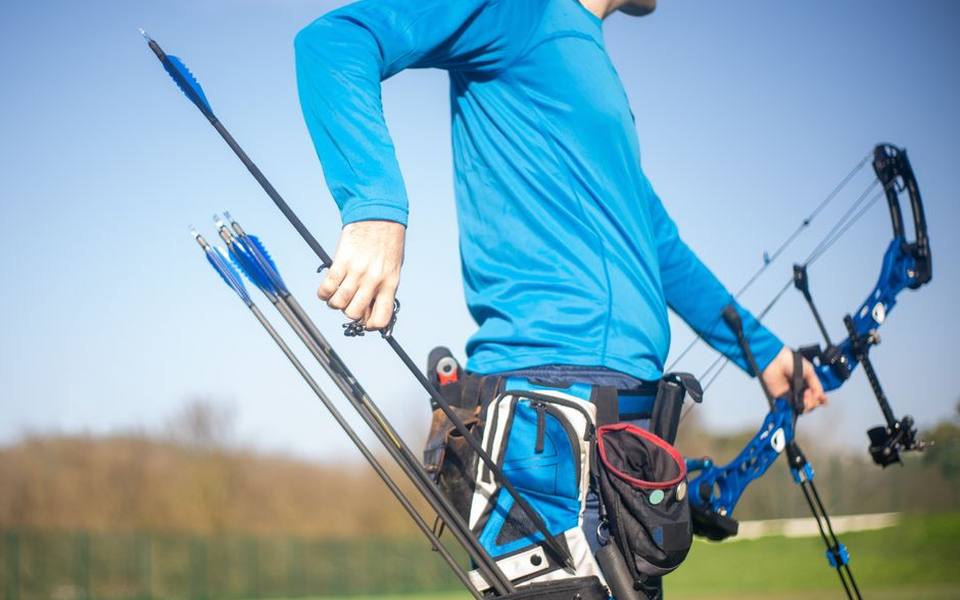
The primary drawback of any bow-mounted unit is side torque and added weight. Hanging three to six carbon arrows on one side of a lightweight riser creates an asymmetric load that forces your bow hand to compensate. To counter this, premium manufacturers design ultra-tight mounting brackets that position shafts close to the riser, drastically reducing rotational torque during full draw.
Detachable designs typically rely on rubberized dovetail mounts, cam-locking levers, or magnetic latches that hold firm against high-frequency bow vibrations. If you prefer shooting with your bow stripped bare, a quick-disconnect model allows you to drop the quiver into a pack with minimal movement. However, if you practice shooting with the quiver attached, you must tune your sight pins and stabilizers to account for that added lateral weight.
Hip quivers for target practice and range sessions
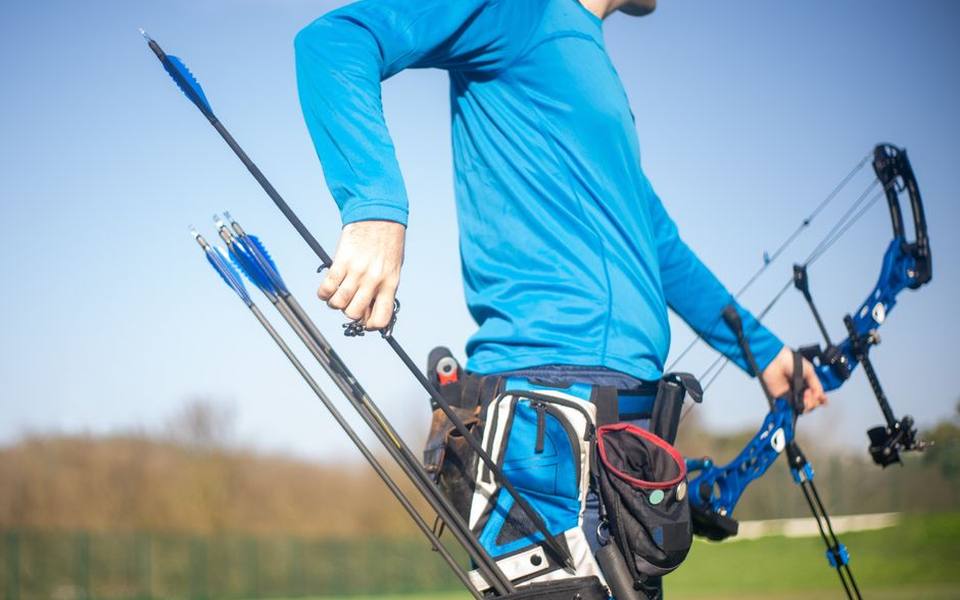
A hip quiver remains the undisputed standard on competitive target lines, practice courses, and recreational ranges. By securing the arrow load to an adjustable belt around your waist, a hip setup eliminates bow-hand torque entirely. You can shoot a bare, perfectly balanced bow without worrying about managing the added mass of four or six arrows clamped to your riser.
Target shooters generally choose between forward-facing hip quivers and rear-facing field styles. Forward-facing target models tilt arrow nocks forward and down, allowing you to pull a fresh shaft with minimal elbow movement while keeping full visual control of your line. In contrast, rear-facing field designs angle arrows behind you, which keeps shafts from striking fellow archers on crowded shooting lines or catching low bushes on an outdoor 3D course.
Modern hip units often incorporate multiple partitioned tubes to separate arrows according to weight or spine match, preventing vanes from rubbing. They also feature integrated sleeves for scorecards, arrow lube, kickstands, and hex wrenches. For anyone spending long afternoons at an indoor range, a dedicated hip belt is universally regarded as the most comfortable, ergonomic way to hold a dozen shafts without fatiguing your shoulders.
Traditional back quivers and roving shooting styles
Traditional back quivers evoke the classic heritage of archery, offering high arrow capacity and complete freedom of movement for both arms. Hanging diagonally across your shoulder blades via a leather harness, a back quiver positions shafts upright behind your head. Drawing an arrow requires reaching over your shoulder, lifting the nock smoothly, and guiding the shaft forward across your bow window.
While romantic and practical for casual stump shooting or roving through open fields, back quivers require dedicated muscle memory to operate smoothly. If your drawing technique is sloppy, broadheads can nick your collar, and fletchings can snag on your clothing. Furthermore, moving through dense timber with arrows extending above your head can cause shafts to catch on low branches, creating noise and damaging feathers.
To manage arrow rattle, traditional back models often utilize internal shearling liners, bottom foam pads, or leather dividing straps. These liners pinch shafts gently, stopping carbon or cedar shafts from clattering together as you walk. For recurve and longbow enthusiasts who appreciate history and shoot barebow without bow attachments, a supple leather back rig delivers unmatched mobility and timeless craftsmanship.
Recurve bow quivers and limb-mounted solutions
Traditional barebow and recurve archers who prefer having their ammunition on the bow often turn to specialized limb-mount attachments. Unlike modern compound risers equipped with machined threaded bushings, classic wood-riser recurve bows frequently lack attachment holes. A recurve quiver must fasten securely without requiring permanent modifications that could split the riser wood or void the manufacturer warranty.
Limb-bolted and strap-on recurve bow quivers solve this dilemma using heavy-duty rubber straps or friction hoods that wrap directly around the limb fadeouts. Highly regarded makers, such as the makers of classic Selway quivers, design flexible rubber slip-on hoods that slide snugly down the limbs, dampening shot vibration while locking arrows in place. These slip-on designs flex naturally with the limb cycle without interfering with working recurve limb tips.
Adding mass directly to the limb bases can noticeably alter your bow's dynamic shot cycle and balance. Many barebow shooters actually appreciate this effect, as the added weight acts like a built-in stabilizer, settling the bow hand during the loose. However, proper fit is essential; an ill-fitting strap-on assembly can creep loose after dozens of releases, altering your point of impact across extended shooting sessions.
Crossbow quivers and bolt storage dynamics
Crossbow quivers operate under very different physical constraints than vertical bow designs because crossbow bolts are much shorter and significantly stiffer. Standard bolts typically measure sixteen to twenty-two inches, requiring grippers positioned closer together to maintain a firm hold. Because broadhead-tipped bolts pack serious kinetic weight, loose retention in a quiver hood can lead to dangerous broadhead exposure during travel.
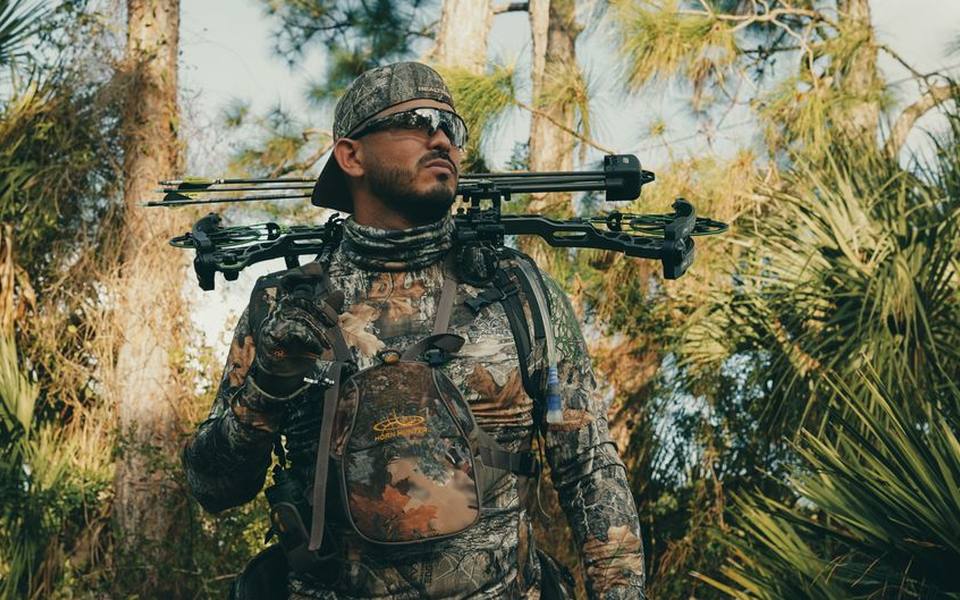
Most crossbow quivers mount directly beneath the barrel or rail, aligned parallel to the flight path or transversely across the underside of the limbs. Underside mounting helps keep the center of gravity low, stabilizing the crossbow when shooting from a resting rail or bipod. However, transverse side-mounted options are also common for hunters who want to rest the crossbow stock flat against their lap without arrows digging into their thighs.
Vibration management is critical on high-draw crossbows, as the mechanical shock from releasing a four-hundred-foot-per-second bolt can loosen standard screws quickly. Crossbow-specific brackets use hardened composite materials, heavy rubber isolators, and locking thumb screws designed to withstand intense kinetic shock. Checking your mounting bracket torque regularly prevents your bolt carrier from working loose during rapid shooting strings.
Brand-matched integrated mounts from Mathews and Hoyt
Modern compound manufacturers increasingly engineer quivers as part of an integrated, proprietary ecosystem rather than relying on generic aftermarket brackets. A dedicated Mathews quiver, such as the LowPro or standard detachable lines, mounts into precision-cut riser slots that hold arrow shafts within fractions of an inch of the riser surface. This extreme proximity reduces the tipping leverage that traditional offset mounting brackets produce.
Similarly, a Hoyt quiver designed for their In-Line accessory system attaches directly to specialized mounting points on the riser face and bottom limb pocket. A modern Hoyt archery quiver sits in close alignment with the bow's natural center line, balancing arrow mass against the sight bracket. Archery engineers focus heavily on this micro-alignment because tighter arrow placement eliminates the need to load your opposite side with heavy stabilizer counterweights.
While these proprietary manufacturer systems provide peerless balance and virtually eliminate mechanical rattling, they come with limited interchangeability. An integrated mounting bracket will rarely transfer cleanly to a bow from another maker, locking your gear choices to that specific riser ecosystem. For archers investing in high-end flagship bows, visiting a local archery pro shop lets you feel the dramatic balance difference between generic offset brackets and tight, riser-specific mounts.
Arrow retention, gripper designs, and broadhead security
The functional heart of every quiver lies in its gripping mechanism and hood interior, which together protect the shooter and preserve arrow components. Modern arrow quivers employ dual-gripper rails or flexible elastomeric wedges capable of holding micro-diameter shafts just as firmly as standard hunting carbon arrows. If the gripper channel is too loose, shafts slide under recoil; if it is too stiff, pulling an arrow can produce a loud, disruptive snap.
Hood construction is equally vital, especially when carrying razor-sharp hunting broadheads. Traditional quivers utilized dense foam inserts into which broadhead tips were repeatedly buried, but modern broadhead hoods often forgo foam in favor of open, rubber-lined cavities. Foam-free hoods prevent mechanical broadhead blades from deploying prematurely and keep fixed cut-on-contact blades from dulling against abrasive foam cores.
For target archers carrying standard target points, hood depth matters less than vane spacing. Competitive shooters need enough separation between arrow clips to keep delicate plastic vanes or delicate feathers from becoming crushed and distorted during transit. Selecting arrow quivers with adjustable vertical bars allows you to custom-fit gripper spacing to your exact arrow shaft length and fletching placement.
Selecting the right quiver for your archery discipline
Your primary archery pursuit dictates which quiver style serves you best over thousands of arrows. If your focus is purely target competition or you are taking lessons or classes for beginners, a simple hip quiver is the most practical choice. It isolates arrow weight from your bow, keeps your hands free to adjust your release aid, and offers plenty of storage for wax, pullers, and sight tapes.
For spot-and-stalk big game pursuits or rugged mountain walking, a tight, detachable bow-mounted quiver is virtually essential. It keeps your arrows protected against mud and debris while keeping your profile compact when crawling through brush. In contrast, treestand hunters often split the difference: they hike in with a bow-mounted unit, detach the entire quiver once anchored in the stand, and hang it on a tree hook to eliminate wind sail on the bow.
Field archers and traditional enthusiasts often discover that hybrid designs, like side-slung field quivers, offer the best balance of speed and mobility. These quivers hold five to six arrows tucked behind the hip, moving smoothly through woods without hanging weight on barebow risers. Matching your carrying gear directly to your physical environment eliminates gear frustrations and lets you concentrate purely on smooth, repeatable shot execution.
Balancing, tuning, and practical range testing
Before finalizing your quiver choice, test how the added weight affects your bow's balance at full draw. If you plan to shoot with a bow-mounted quiver attached, mount it fully loaded with your standard arrows and draw your bow with your eyes closed in a safe direction. When you open your eyes, check whether your sight bubble is centered or if the top limb tilts noticeably toward the quiver side.
Compensating for a bow-mounted quiver typically involves shifting your front stabilizer slightly off-center or mounting a rear side-bar stabilizer pointed outward away from the arrows. This counter-balance neutralizes the lateral tilt, allowing your bow to settle effortlessly on target without requiring muscle strain from your wrist. If you cannot achieve a relaxed, repeatable level without adding excessive stabilizer weight, switching to a hip quiver is often the smarter path.
Across the country, archers take advantage of regional resources to test and tune their gear, with our directory featuring more than 1040 in top states alone. Visiting an archery range lets you compare different carrying systems side by side, observing how experienced shooters manage arrow storage on the line. Getting hands-on feedback before you buy ensures your next quiver delivers years of silent, reliable service.
Published 2026-09-21 · reviewed with each rebuild, last October 2026.
Find archery ranges & sports shops near you
The directory lists 38,975 archery ranges & sports shops by state and city — pick your state or use the “Near me” button in the header.
More guides
-
 Money
MoneyA Guide to Archery Range Fees and Lesson Costs
-
 Buying
Choosing Broadheads and Aiming for the Perfect Shot
-
 Service
DIY Bow Maintenance, Tuning, and Basic Repairs
-
 Buying
Choosing Sights and Rangefinders for Better Accuracy
-
 Buying
Essential Gear for Target Practice and Bowhunting Preparation
-
 Money
MoneyUnderstanding Bow Purchase and Restringing Costs: A Complete Pricing Guide
-
 Owning
Arrow Selection, Cutting, and Fletching at Home: A Complete Guide
-
 Safety
Bowhunting Shot Placement Guide for Deer and Turkey
-
 Buying
Complete Guide to Choosing the Best Crossbow Broadheads
-
 Money
MoneyHow Much Does Archery Cost? A Realistic Beginner Budget
-
 Buying
Choosing the Right Arrows and Field Points: Shaft Materials, Weights, and Tuning
-
 Buying
Best Archery Sets for Beginners: Complete Buyer Guide and Starter Tips
-
 Owning
Best Archery Targets and Backstops: 3D, Foam, Bag, and DIY Setup Guide
-
 Buying
Beginner Archery Buying Guide: Recurve, Compound, and Traditional Bows
-
 Buying
Bowfishing Equipment Guide: Bows, Reels, Arrows, and Rigging Setups
-
 Owning
Lighted Nocks and DIY Arrow Building: Fletching, Cutting, and Tuning
-
 Buying
Crossbow Bolts, Broadheads, and Cocking Devices: Complete Buyer's Guide
-
 Buying
Complete Arrow Selection Guide: Carbon Shafts, Spine, Length, and Brands
-
 Safety
Archery Protective Gear: Arm Guards, Chest Protectors, Tabs, and Slings
-
 Buying
Bow Release Aids Explained: Wrist Strap, Thumb Button, and Hinge Releases
-
 Owning
Compound Bow Tuning and Care: Strings, Wax, Stabilizers, and Cases
-
 Buying
Arrow Rests Compared: Whisker Biscuit, Cable-Driven, and Limb-Driven
-
 Safety
Archery Lessons, Proper Form, Range Etiquette, and Youth Programs
-
 Owning
Complete Guide to Single Pin Bow Sights and Sight Tapes
-
 Owning
Arrow Selection and DIY Arrow Building: Shafts, Fletching, and Tools
-
 Owning
Finding Archery Ranges, Pro Shops, Clubs, and Instructor Programs
-
 Buying
Best Hunting Broadheads: Fixed Blade vs Mechanical Broadheads
-
 Buying
Archery Targets Guide: 3D Targets, Bags, Blocks, and DIY Backstops
-
 Buying
Archery Quivers Guide: Bow-Mounted, Hip, Back, and Crossbow Quivers
-
 Service
Bow Tuning and Setup: Paper Tuning, Arrow Rests, and Bow Maintenance
-
 Buying
Bowfishing Gear Guide: Bows, Rigs, Arrows, and Setup Options
-
 Owning
Essential Archery Accessories: Lighted Nocks, Arrow Pullers, and Arm Guards
-
 Buying
Archery Release Aids Guide: Thumb, Hinge, Wrist, and Mechanical Releases
-
 Buying
Essential Bowhunting Gear, Deer Supplies, and Gift Guide
-
 Buying
Crossbow Buying Guide: Matching Platforms, Bolts, Optics, and Fletching
-
 Buying
Beginner Bow & Arrow Starter Kits: How to Choose Your First Setup
-
 Owning
Traditional Archery, Longbows, and Primitive Gear
-
 Buying
Deer Hunting Bows: Comparing Recurve and Compound Setups, Finding Deals, and Studying Hunting Film
-
 Buying
Compound Bow Setup, Tuning, Form, and Equipment Guide
-
 Owning
Compound Bow Release Aids and Grip Tape: Enhancing Control and Consistency
-
 Service
Crossbow Maintenance: String Replacement and Scope Sighting Guide
-
 Owning
Broken Bow Cabin Rentals: Complete Beavers Bend Vacation Guide
-
 Safety
Broken Bow Lake Rentals: Complete Guide to Boats, ATVs, and Trail Gear