Planning motorized recreation around Broken Bow and Hochatown
Renting motorized equipment around Broken Bow Lake requires balancing open water navigation with rugged mountain trail riding. Nestled in southeastern Oklahoma within the foothills of the Kiamichi Mountains, this deep reservoir features rocky banks, clear waters, and hundreds of miles of surrounding timber tracks. Most visitors split their time between open water cruising and backcountry exploration, making gear selection a critical early step in the planning process.
Equipment suppliers throughout Hochatown and along the Highway 259 corridor cater to both day visitors and multi-day cabin groups. While availability is extensive, demand peaks dramatically from Memorial Day through mid-autumn, meaning walk-in rentals are rarely guaranteed on warm weekends. Understanding how local outfitters schedule outings, stage equipment, and manage handoffs ensures you spend your daylight hours exploring rather than waiting around service desks.
Whether you intend to cruise the lake narrows or climb logging spurs, machinery choices dictate your pace, fuel burn, and safety margin. Boating conditions on the lake differ substantially from shallow, sandy reservoirs, just as Ouachita forest roads demand more vehicle clearance than flat coastal trail systems. Knowing your group size, operational experience, and comfort zone will directly steer your rental decisions.
Selecting the right watercraft for lake navigation
Pontoon and tritoon boats dominate the open water because they provide stable deck platforms for mixed-age families, coolers, and swimming gear. A standard twin-tube pontoon handles calm morning waters with ease, while a triple-tube tritoon offers the structural rigidity and horsepower necessary to cross open lake basins when afternoon breezes pick up. For leisure cruising and anchoring in protected coves, pontoons remain the most forgiving platform for recreational operators.
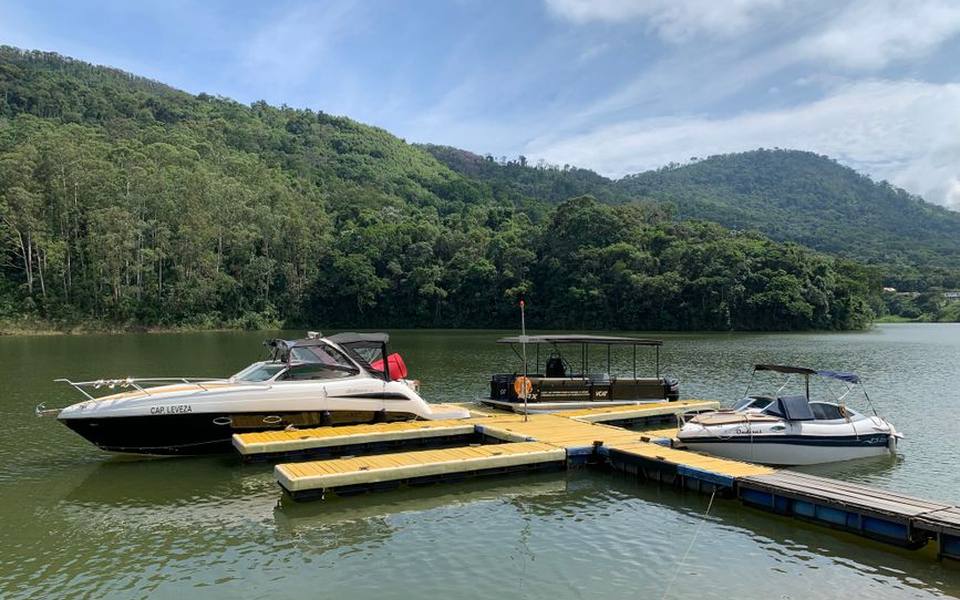
Anglers and speed enthusiasts often look toward center consoles, aluminum bass boats, or ski craft. The lake features submerged timber structures, steep drop-offs, and rocky points where sport fish congregate. If you plan to troll or drop lines along steep rock walls, dedicated fishing setups equipped with functional trolling motors and sonar depth finders provide far more control than wide, wind-catching party barges.
Personal watercraft offer an agile alternative for couples or solo riders who want to explore narrow coves and rock cutouts. Jet craft maneuver swiftly through the lake's fingers, but they also burn through fuel quickly and leave operators exposed to midday heat and water chop. Matching your watercraft to your actual itinerary prevents renting an underpowered vessel or overpaying for horsepower you never fully engage.
Rental logistics, paperwork, and deposit structures on the water
Securing a vessel on Broken Bow Lake typically involves an upfront security deposit alongside the base rental fee. Outfit operators almost always require a valid government ID and a primary credit card to hold a pre-authorization hold, which can vary from a modest sum to over a thousand dollars depending on the boat class. This deposit covers potential propeller strikes, upholstery tears, or excessive cleanup requirements upon return.
Rental sessions are commonly divided into half-day slots of roughly four hours, full-day options spanning eight hours, or multi-day reservations for cabin guests with private dock access. Most marinas require customers to return boats with a full fuel tank or pay on-site pump rates, which generally run higher than roadside gas station prices. Factoring fuel consumption into your outing budget prevents surprises at the dock slip.
Arriving at the marina at least thirty to forty-five minutes before your reservation starts is essential for completing liability waivers and safety orientations. Staff members walk through basic vessel controls, anchor deployment, emergency equipment locations, and navigation boundaries. Missing this briefing can shorten your actual time on the water, as dock schedules are strictly maintained during busy summer periods.
Navigational safety rules and submerged lake hazards
Broken Bow Lake is known for deep, crystalline water, but it also features hazardous underwater rock ledges and standing timber fields just beneath the surface. Staying within primary navigational channels is vital, especially north of the central narrows where old forest beds remain submerged. Operating at high speeds near unmarked shorelines or unfamiliar coves creates a severe risk of lower-unit and propeller damage.
Oklahoma state law enforces strict regulations regarding personal flotation devices, requiring an approved life jacket for every passenger onboard, with children under twelve mandated to wear them while underway. Familiarity with no-wake zones is equally critical around marina slips, public boat ramps, and designated swimming beaches. Operating outside of these boundaries requires vigilance, as law enforcement patrols monitor speed and sobriety throughout peak boating hours.
Weather on the lake can shift rapidly, with sudden mountain winds whipping surface water into steep rollers within minutes. Keeping an eye on cloud buildup over the surrounding ridges allows you to navigate back toward sheltered bays before chop makes docking difficult. Just as outdoor archers seek structured training through archery ranges with lessons before taking on unpredictable terrain, boaters should review safety protocols thoroughly before leaving the dock.
Choosing off-road machines for the Ouachita backcountry
Moving from water to land, off-road enthusiasts discover a vast network of dirt roads and designated trails cutting through the Ouachita National Forest. Side-by-side utility terrain vehicles, commonly known as UTVs, have largely replaced traditional single-rider all-terrain vehicles for mountain rentals. UTVs feature protective roll cages, bucket seats, harness belts, and steering wheels, making them accessible to a wider variety of driving backgrounds.
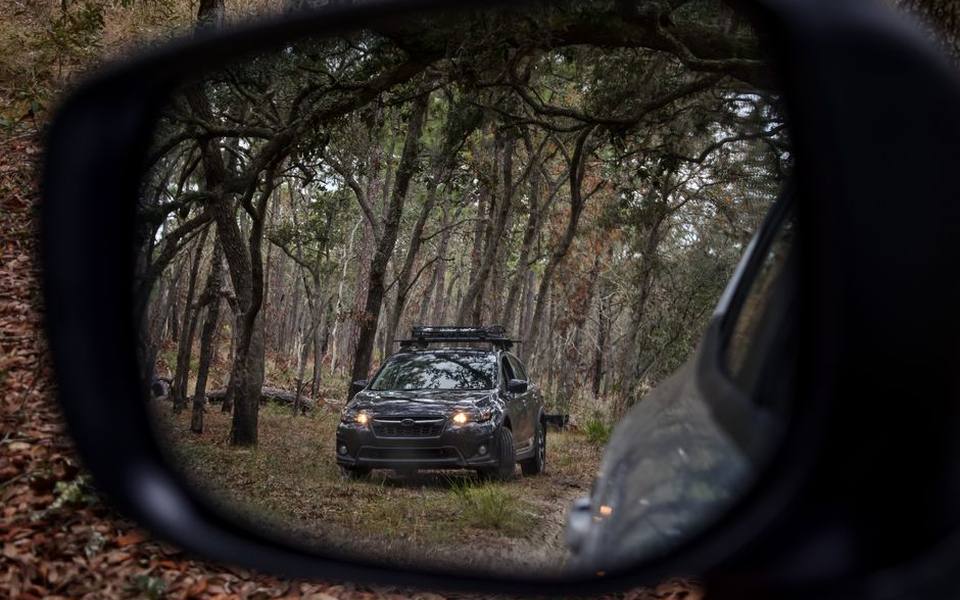
Two-seat sport models offer sharp suspension travel and tight turning radiuses, ideal for technical rocky tracks and uneven forest spurs. Four-seat and six-seat crew cabs provide comfortable trail exploration for families carrying day packs, hydration bladders, and photography equipment. Crew machines have longer wheelbases, which improves straight-line stability on washboard gravel roads but demands wider turns on switchback climbs.
Traditional four-wheelers remain popular for single operators wanting an active, straddle-mount riding experience. Riding a conventional quad requires physical engagement, active body leaning, and constant throttle modulation on loose shale trails. Outfit mechanics inspect steering linkages and winch lines between rentals, ensuring each machine is rated for the grades you will encounter across the Hochatown hills.
Trail permits, street laws, and operational boundaries
Operating an off-road vehicle around Broken Bow involves distinct jurisdictional rules that divide county roads, private recreation parks, and federal forest routes. Highway 259 is a high-speed arterial roadway, and driving non-street-legal off-road machines directly on this highway is strictly prohibited by state and local law enforcement. Many rental providers deliver units directly to authorized trailheads or rent trailers to transport machines safely.
Certain sections of the Ouachita National Forest require motorized vehicle use permits, which can typically be obtained online or through local ranger offices. Riders must stick exclusively to marked, open trails to protect local watersheds and prevent trail erosion. Venturing off marked forest tracks into wilderness protection zones carries significant administrative fines and risks vehicle recovery expenses.
Age limits for operating off-road equipment are strictly enforced by rental businesses to maintain commercial insurance compliance. Primary drivers are typically required to be at least twenty-one or twenty-five years old with a valid driver's license, while younger passengers must wear properly fitted helmets and eye protection at all times. Reading the boundary agreement prevents accidental entry onto private timber company lands.
Essential personal gear and dust protection for trail riding
Dust and loose shale are constant companions on southeastern Oklahoma trails during dry summer and autumn months. Full-face goggles or sealed eye protection are far superior to standard sunglasses, which allow swirling grit to irritate your eyes while trailing behind other machines. Inexpensive breathable gaiters or filtration bandanas protect your lungs from fine silt thrown up by knobby off-road tires.
Footwear should consist of closed-toe hiking boots or durable work shoes with firm ankle support and non-slip soles. Trails around the ridges feature loose rocks, exposed tree roots, and slick water crossings where stepping out to inspect an obstacle requires reliable traction. Long pants and durable synthetic sleeves also protect limbs against overhanging briars and flying trail gravel.
Hydration packs are much easier to manage inside an off-road cab than loose plastic bottles that bounce out of cup holders on bumpy washboards. Forest riding combines physical vibration, engine heat, and ambient sunshine, accelerating dehydration over a several-hour outing. Packing a compact first-aid kit, basic recovery straps, and an emergency whistle adds a crucial layer of self-reliance.
Combining lake excursions with regional target shooting sports
Many travelers visiting southeastern Oklahoma incorporate multiple outdoor pastimes into a single long weekend, blending motorized trail rides with precision target archery. The wooded topography around Hochatown shares a similar climate and ecosystem with neighboring northern Texas and western Arkansas, making the region a natural hub for outdoor sporting enthusiasts who appreciate hands-on discipline alongside mechanical adventures.
Travelers heading north from the Dallas-Fort Worth metroplex or east from Oklahoma City often warm up their outdoor skills by visiting local archery ranges in Texas before heading into the mountains. Engaging in structured field archery builds spatial awareness and environmental patience, traits that directly translate to safer operation of boats and trail vehicles across challenging public recreational corridors.
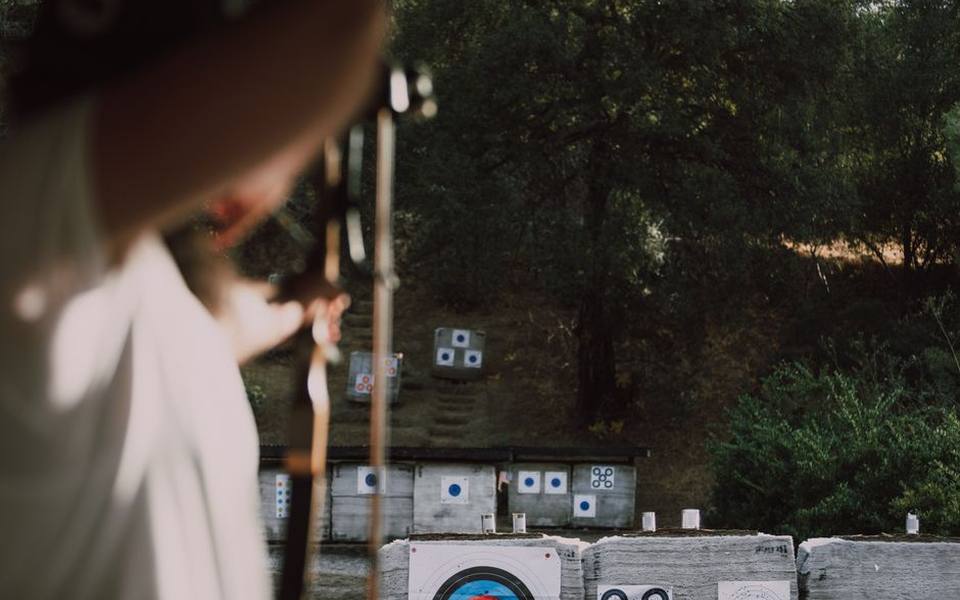
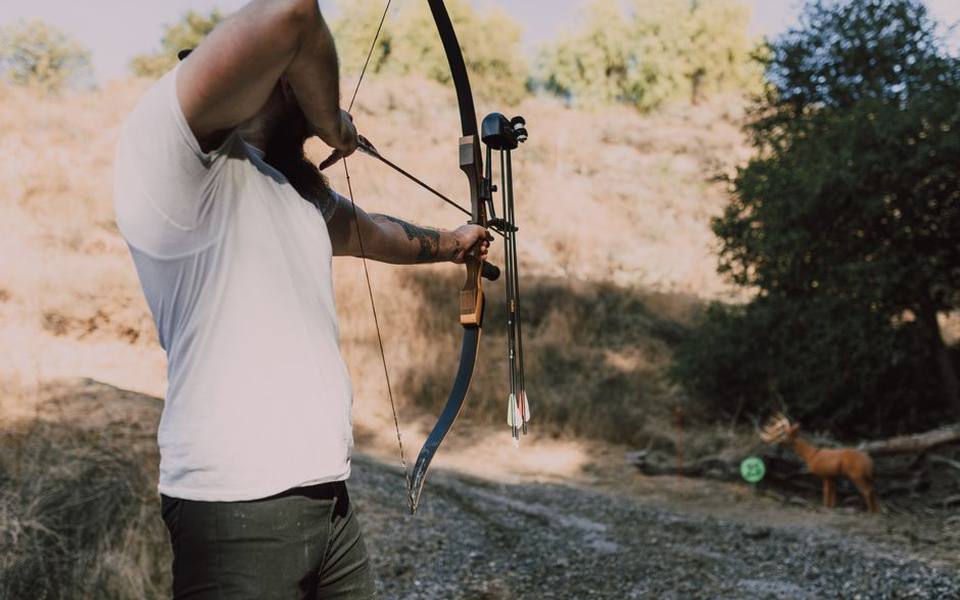
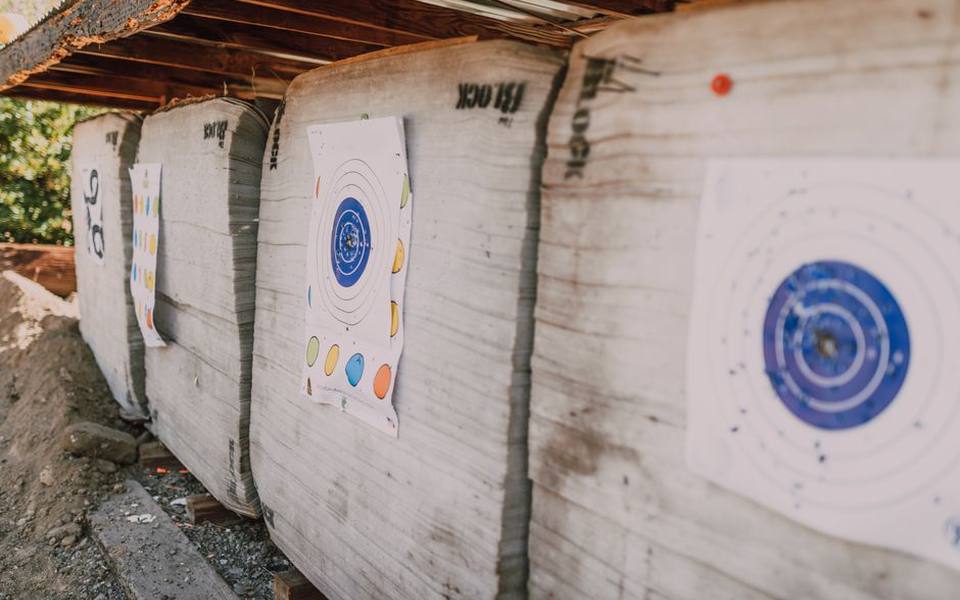
Setting up a private target line at a rural rental cabin requires strict adherence to property lines, safe backstops, and noise courtesy. For structured shooting without safety concerns, exploring designated 3D archery courses allows archers to practice realistic elevation and angle adjustments through timbered ravines, mirroring the rough terrain encountered along mountain trail networks.
Pre-rental inspections and checkout checklists
Before turning an ignition key or pushing away from the slip, conduct a detailed physical inspection of the equipment in the presence of the rental agent. Use your smartphone to take high-resolution, time-stamped video covering every exterior panel, undercarriage skid plate, wheel rim, and boat hull seam. Documenting pre-existing scratches, dented rub rails, or cracked plastic guards protects you from paying for damage caused by previous renters.
On watercraft, ask the dock attendant to raise the outboard drive completely out of the water so you can inspect the propeller blades and skeg. Even minor nicks or curled edges on aluminum or stainless props can create vibration or signify earlier groundings on submerged rocks. Confirm that all required safety items, including a working horn, fire extinguisher, throwable life ring, and paddle, are present onboard.
On trail vehicles, check tire pressures, inspect sidewalls for deep gouges, and verify that the drive belt engages smoothly without slipping or emitting a burnt rubber smell. Ask where the onboard vehicle registration and trail emergency contact numbers are stowed. Just as bowhunters consult specialized technicians at dedicated archery pro shops before heading afield, you should question rental mechanics about vehicle quirks before setting out.
Seasonal weather patterns and optimal booking windows
Springtime around the lake brings surging water levels, vivid greenery, and active fishing conditions along the shorelines. However, spring storms can produce high runoff, floating debris, and chilly trail rides that turn dirt tracks into thick clay mud. Renting during early spring demands flexible schedules, rain shells, and waterproof storage cases for electronics and personal belongings.
Summer delivers peak water temperatures, endless sunshine, and maximum crowd activity across both the lake surface and trail systems. Wake action increases significantly between noon and late afternoon as hundreds of vessels crisscross the water, making morning slots ideal for novice boat operators. High temperatures also mean off-road engines run hotter, requiring careful monitoring of dashboard temperature gauges during slow mountain climbs.
Autumn is widely regarded by experienced outdoorsmen as the premier season for both boating and trail exploration. Fall foliage transforms the Kiamichi ridges into vibrant bands of orange, amber, and gold, while cooler ambient air creates comfortable riding conditions. Booking watercraft and side-by-sides during October and November provides tranquil lake surfaces and brisk mountain trails without summer congestion.
Trailering logistics and outfit delivery services
Deciding how your rental equipment reaches the water or trail depends largely on your personal vehicle and comfort with towing. Many off-road rental companies offer on-site staging, allowing customers to drive directly to an authorized trailhead where machines are parked and ready. This service eliminates the stress of securing tie-down straps, backing trailers, and matching hitch ball sizes on personal trucks.
For watercraft, most visitors rent directly from commercial marina slips located on the lake's lower western and central coves. This setup allows you to step directly aboard without dealing with crowded public boat launch ramps, steep concrete inclines, or parking tow rigs in overflowing lakeside lots. When renting from off-water outfitters, clarify whether lake delivery and slip staging are included in the quote.
If you do elect to tow rental machinery yourself, inspect the trailer coupler safety chains, electrical wiring harness, and tire tread before leaving the staging lot. Ensure your vehicle has an adequate gross towing capacity rating for both the trailer and machine weight combined. Taking time to double-check tie-down tension after the first five miles guarantees safe transit along winding mountain roads.
Published 2026-09-21 · reviewed with each rebuild, last October 2026.
Find archery ranges & sports shops near you
The directory lists 38,975 archery ranges & sports shops by state and city — pick your state or use the “Near me” button in the header.
More guides
-
 Money
MoneyA Guide to Archery Range Fees and Lesson Costs
-
 Buying
Choosing Broadheads and Aiming for the Perfect Shot
-
 Service
DIY Bow Maintenance, Tuning, and Basic Repairs
-
 Buying
Choosing Sights and Rangefinders for Better Accuracy
-
 Buying
Essential Gear for Target Practice and Bowhunting Preparation
-
 Money
MoneyUnderstanding Bow Purchase and Restringing Costs: A Complete Pricing Guide
-
 Owning
Arrow Selection, Cutting, and Fletching at Home: A Complete Guide
-
 Safety
Bowhunting Shot Placement Guide for Deer and Turkey
-
 Buying
Complete Guide to Choosing the Best Crossbow Broadheads
-
 Money
MoneyHow Much Does Archery Cost? A Realistic Beginner Budget
-
 Buying
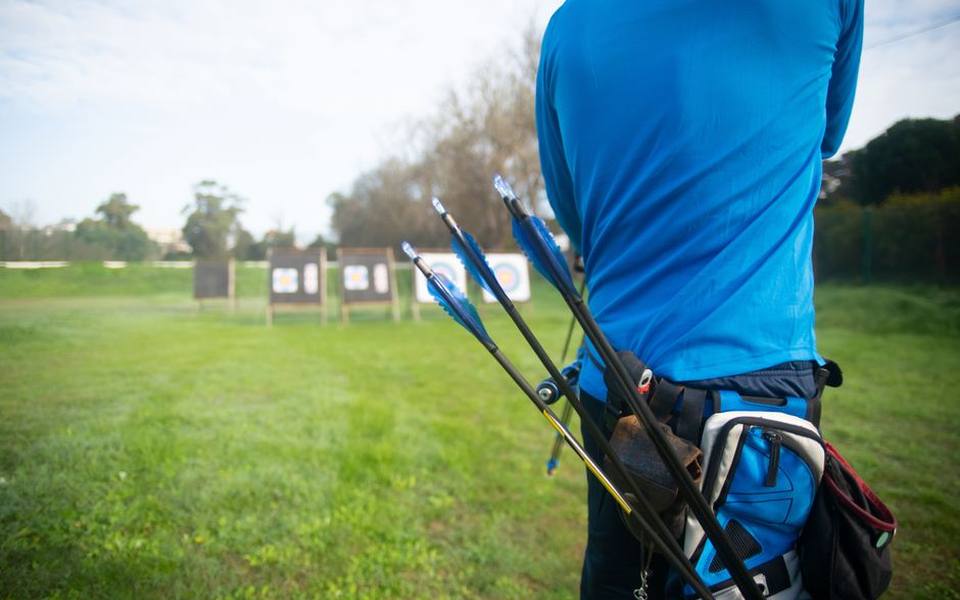
Choosing the Right Arrows and Field Points: Shaft Materials, Weights, and Tuning
-
 Buying
Best Archery Sets for Beginners: Complete Buyer Guide and Starter Tips
-
 Owning
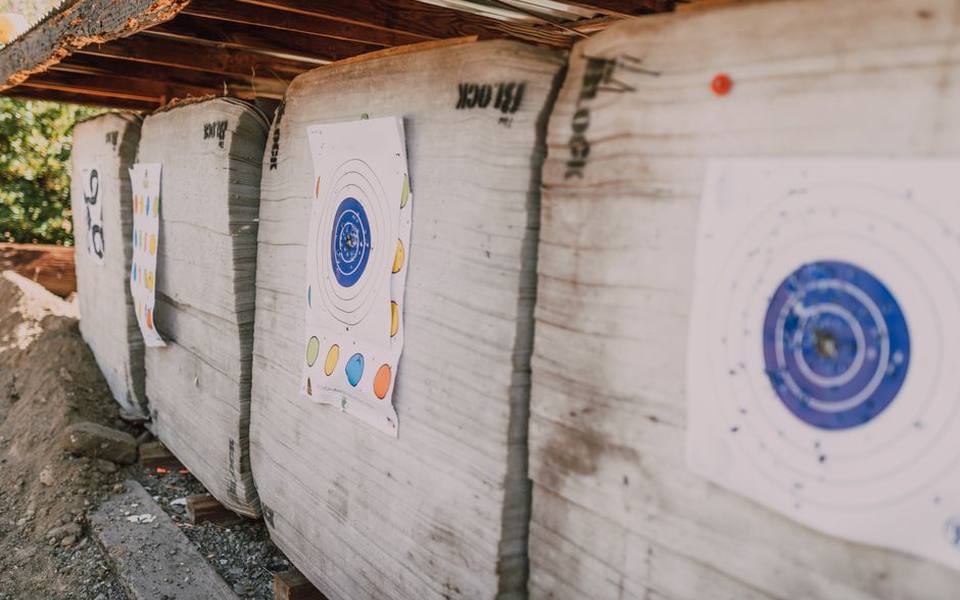
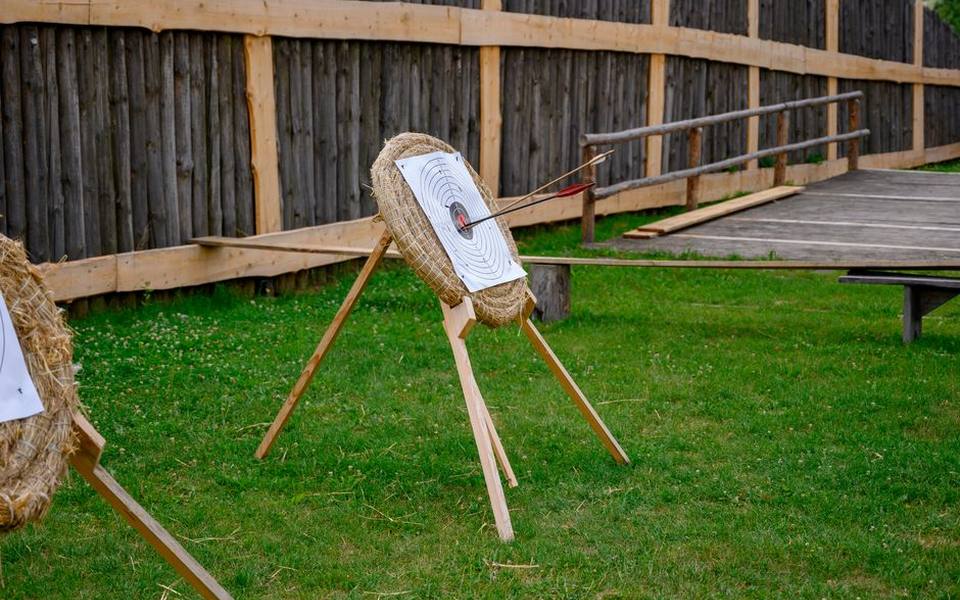
Best Archery Targets and Backstops: 3D, Foam, Bag, and DIY Setup Guide
-
 Buying
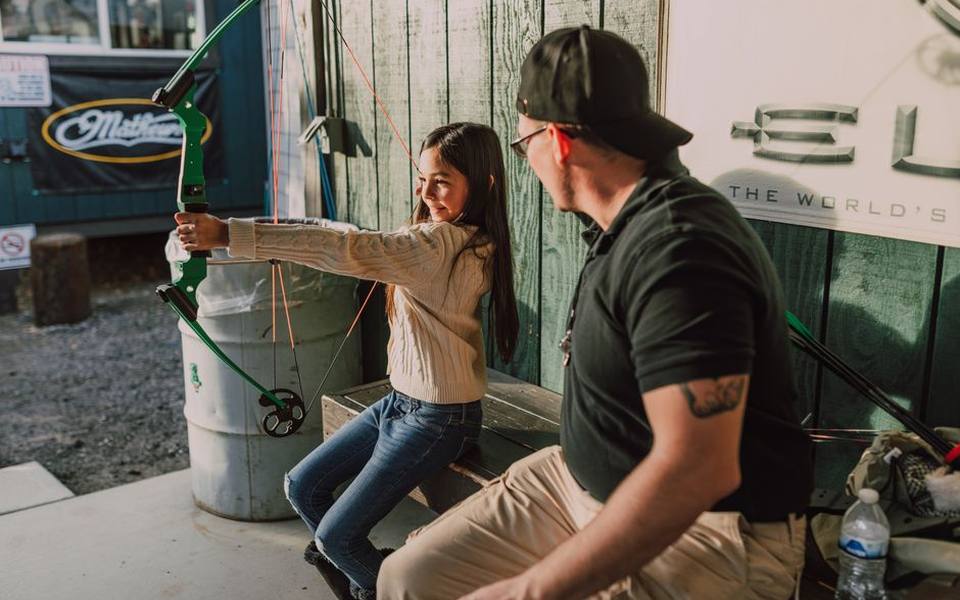
Beginner Archery Buying Guide: Recurve, Compound, and Traditional Bows
-
 Buying
Bowfishing Equipment Guide: Bows, Reels, Arrows, and Rigging Setups
-
 Owning
Lighted Nocks and DIY Arrow Building: Fletching, Cutting, and Tuning
-
 Buying
Crossbow Bolts, Broadheads, and Cocking Devices: Complete Buyer's Guide
-
 Buying
Complete Arrow Selection Guide: Carbon Shafts, Spine, Length, and Brands
-
 Safety
Archery Protective Gear: Arm Guards, Chest Protectors, Tabs, and Slings
-
 Buying
Archery Quivers Buying Guide: Hip, Back, and Bow-Mounted Options
-
 Buying
Bow Release Aids Explained: Wrist Strap, Thumb Button, and Hinge Releases
-
 Owning
Compound Bow Tuning and Care: Strings, Wax, Stabilizers, and Cases
-
 Buying
Arrow Rests Compared: Whisker Biscuit, Cable-Driven, and Limb-Driven
-
 Safety
Archery Lessons, Proper Form, Range Etiquette, and Youth Programs
-
 Owning
Complete Guide to Single Pin Bow Sights and Sight Tapes
-
 Owning
Arrow Selection and DIY Arrow Building: Shafts, Fletching, and Tools
-
 Owning
Finding Archery Ranges, Pro Shops, Clubs, and Instructor Programs
-
 Buying
Best Hunting Broadheads: Fixed Blade vs Mechanical Broadheads
-
 Buying
Archery Targets Guide: 3D Targets, Bags, Blocks, and DIY Backstops
-
 Buying
Archery Quivers Guide: Bow-Mounted, Hip, Back, and Crossbow Quivers
-
 Service
Bow Tuning and Setup: Paper Tuning, Arrow Rests, and Bow Maintenance
-
 Buying
Bowfishing Gear Guide: Bows, Rigs, Arrows, and Setup Options
-
 Owning
Essential Archery Accessories: Lighted Nocks, Arrow Pullers, and Arm Guards
-
 Buying
Archery Release Aids Guide: Thumb, Hinge, Wrist, and Mechanical Releases
-
 Buying
Essential Bowhunting Gear, Deer Supplies, and Gift Guide
-
 Buying
Crossbow Buying Guide: Matching Platforms, Bolts, Optics, and Fletching
-
 Buying
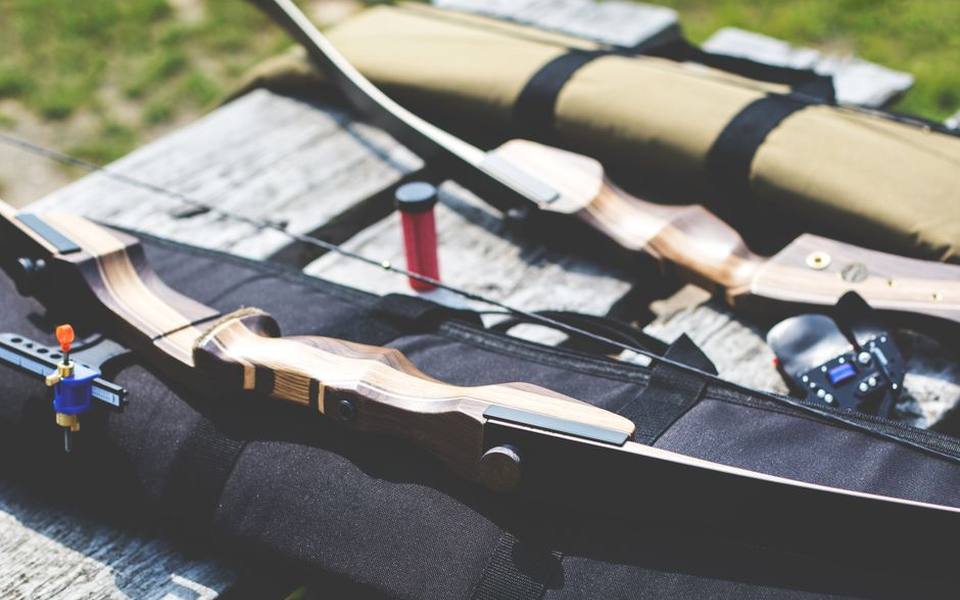
Beginner Bow & Arrow Starter Kits: How to Choose Your First Setup
-
 Owning
Traditional Archery, Longbows, and Primitive Gear
-
 Buying
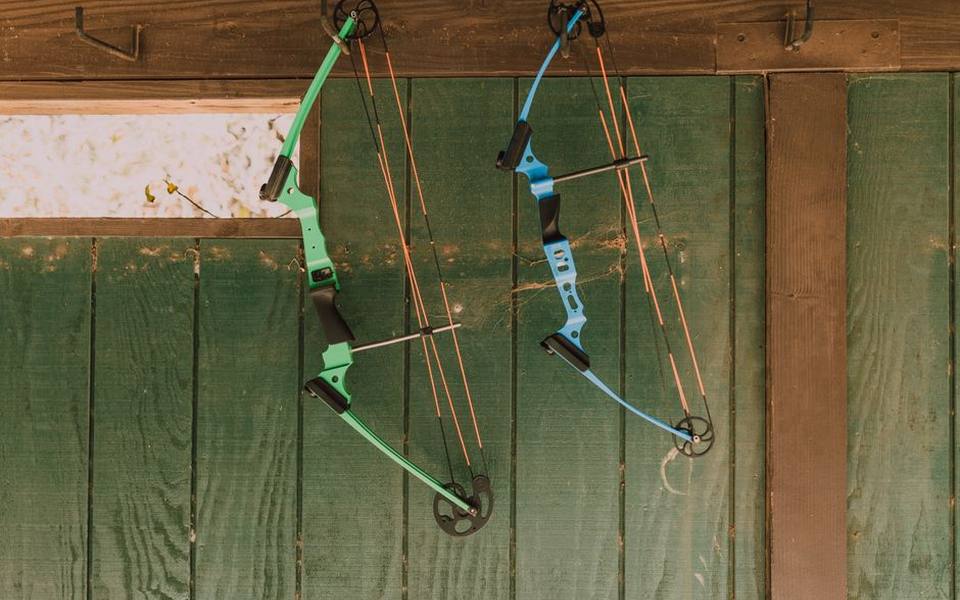
Deer Hunting Bows: Comparing Recurve and Compound Setups, Finding Deals, and Studying Hunting Film
-
 Buying
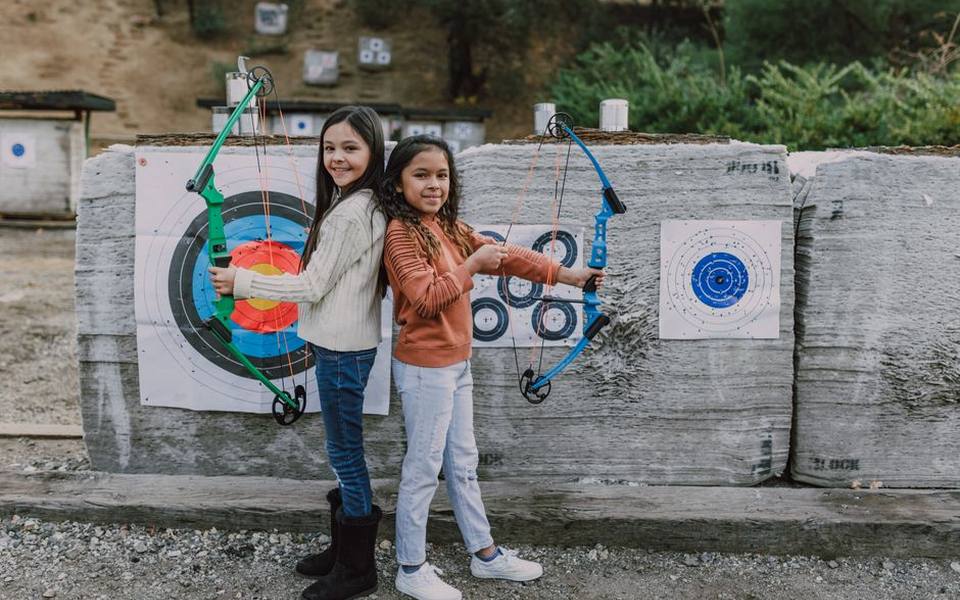
Compound Bow Setup, Tuning, Form, and Equipment Guide
-
 Owning
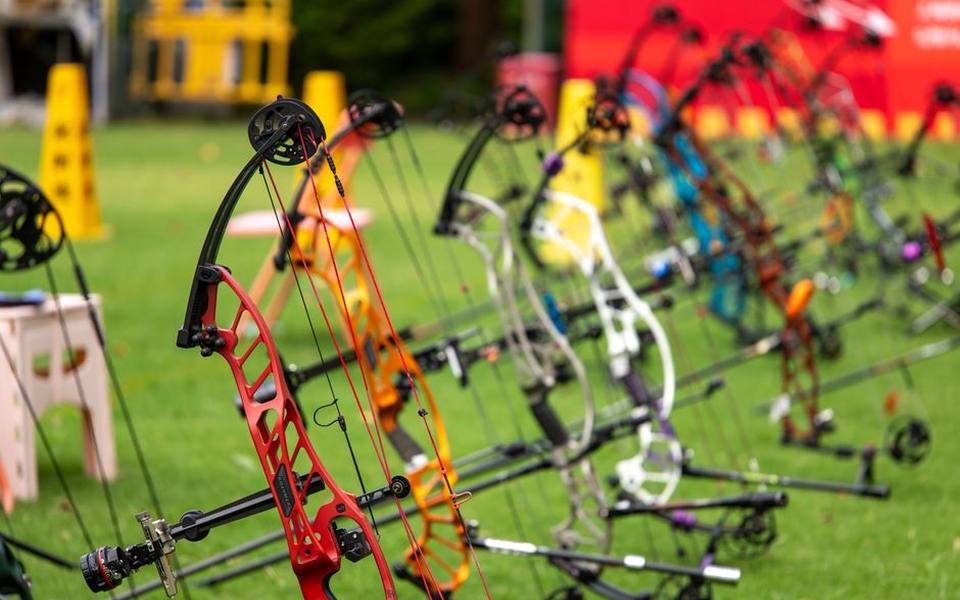
Compound Bow Release Aids and Grip Tape: Enhancing Control and Consistency
-
 Service
Crossbow Maintenance: String Replacement and Scope Sighting Guide
-
 Owning
Broken Bow Cabin Rentals: Complete Beavers Bend Vacation Guide