The Value of Working With a Dedicated Pro Shop
Walking into a big-box sporting goods store often leaves an archer dealing with retail clerks who rotate departments weekly. By contrast, a dedicated archery pro shop is staffed by technicians who live and breathe the sport. These specialists evaluate individual anatomy, measure precise draw lengths, and check draw weight comfort before any bow leaves the counter. They possess specialized equipment like heavy-duty bow presses, draw boards, and digital scales to guarantee that equipment operates within factory tolerances.
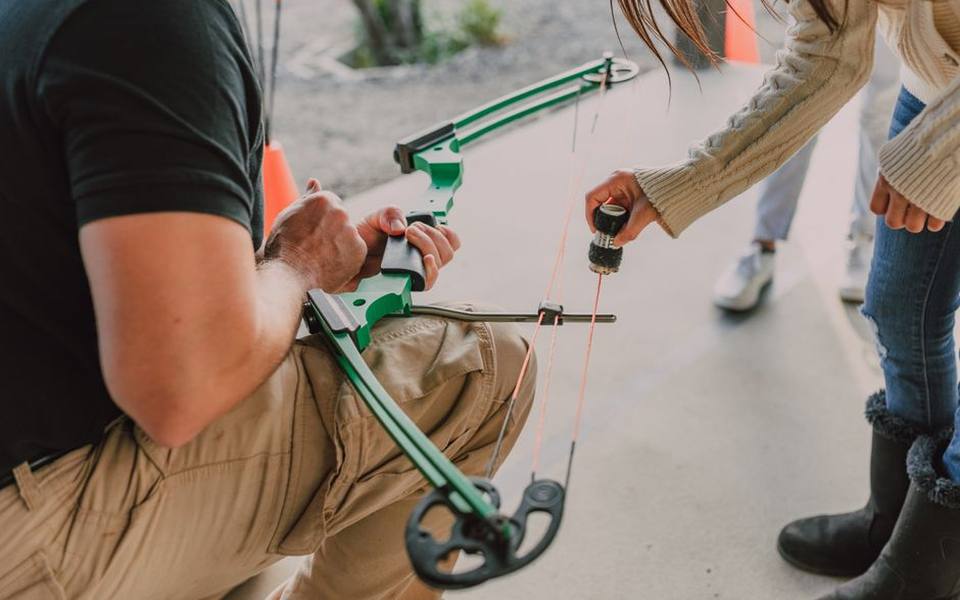
An experienced archery professional does far more than sell boxed inventory. Modern compound bows require careful timing of dual cams, precise rest alignment, and laser center-shot measurement to eliminate arrow flight anomalies. When you purchase from a true pro, the technician typically sets up the peep sight at your natural anchor point and paper-tunes the bow to ensure clean arrow release. This level of bench service saves shooters weeks of frustration spent chasing erratic groupings.
Beyond initial setup, establishing a working relationship with an archery pro provides lasting value over years of shooting. Strings stretch, servings wear down, and moving parts occasionally slip out of synchronization after thousands of shots. A dedicated technician understands how subtle changes in cam lean or buss cable tension affect your specific sight picture. Having a reliable local technician ready to press your bow and adjust timing on short notice can salvage an upcoming tournament or hunting trip.
How Authorized Bow Dealerships Operate
Major compound bow manufacturers maintain strict dealer agreements rather than selling flagship models directly over the internet. When searching for an authorized Mathews bow dealer or a certified retailer for other premier brands, archers are interacting with a protected regional network. Manufacturers enforce geographical territories to ensure each storefront maintains factory-trained technicians and adequate floor stock. This structure protects the buyer by ensuring that high-performance bows are assembled and timed by individuals who have completed brand-specific technical schools.
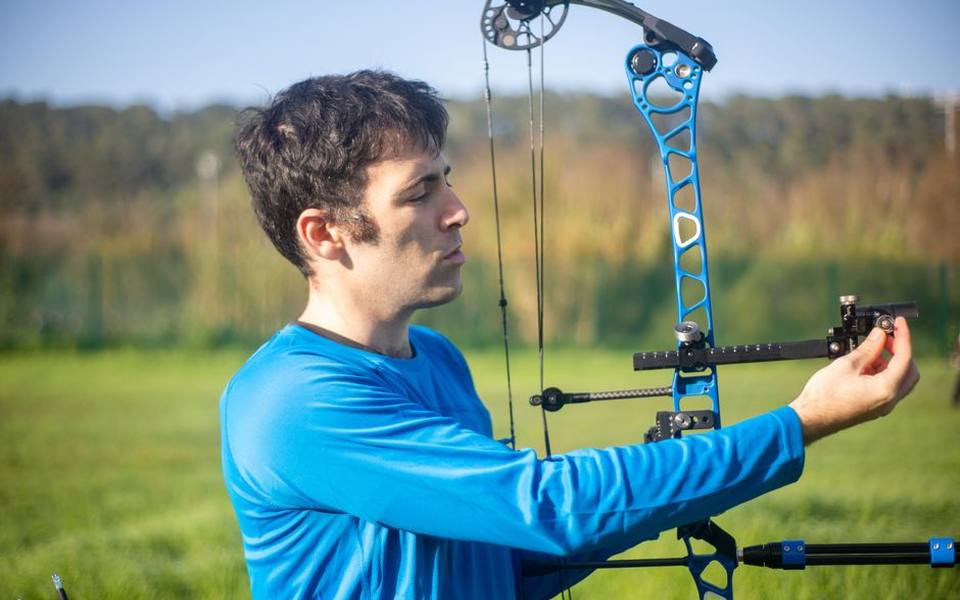
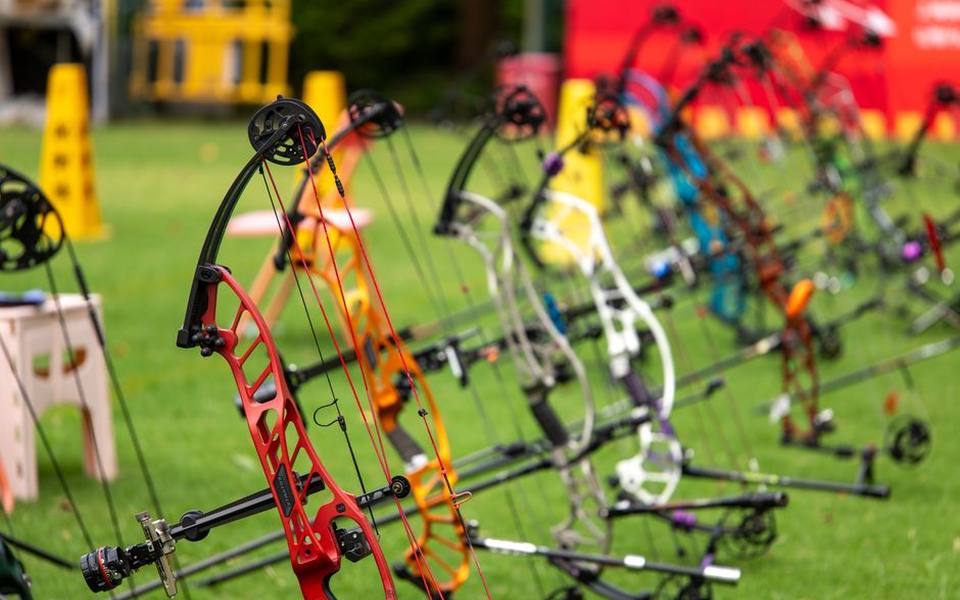
Visiting an authorized dealership allows archers to test-shoot several bare bows side by side before committing. Factors like draw cycle aggressiveness, back wall firmness, grip angle, and hand shock cannot be evaluated through online spec sheets. A qualified dealer sets multiple candidate bows to your exact draw length and weight so you can feel the distinct valley and release characteristics of each platform. They also register your purchase directly with the factory, securing the lifetime limb and riser warranties that accompany original ownership.
Dealerships also stock proprietary accessories engineered specifically to integrate with flagship risers. Modern designs feature streamlined mounting brackets for sights, tight-fitting quivers, and drop-away arrow rests that utilize dovetail mounts rather than standard sight bushings. While generic aftermarket hardware works adequately, an authorized dealer carries the integrated components that keep the bow balanced and lightweight. Their technicians understand how to install these proprietary systems without voiding your manufacturer warranty.
Shooting Etiquette and Expectations at Public Ranges
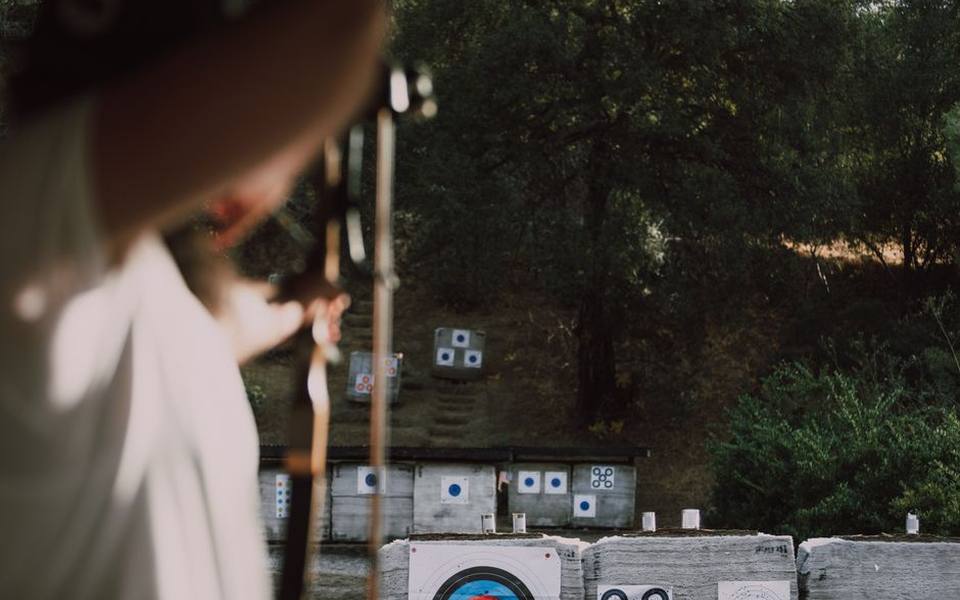
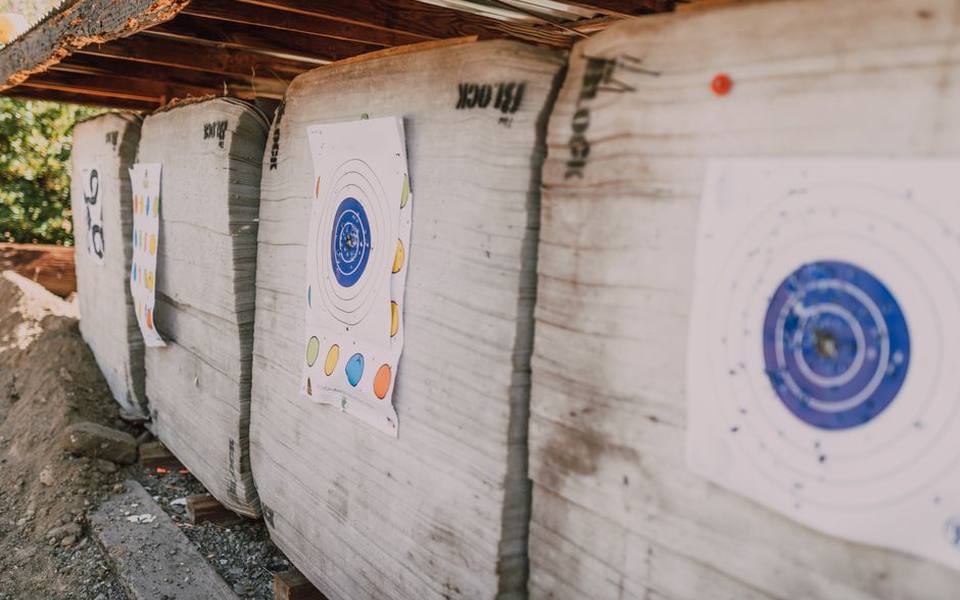
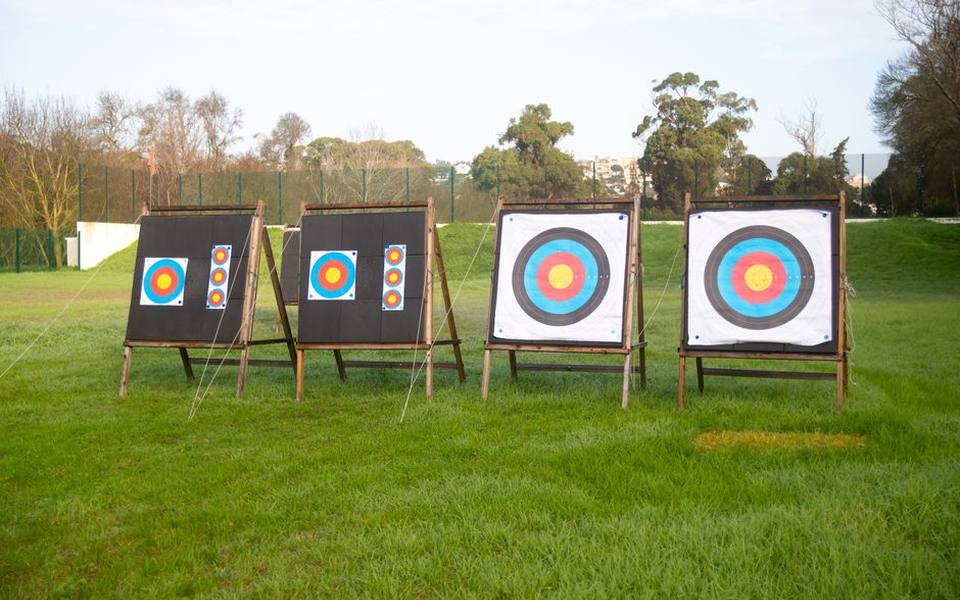
Public archery ranges offer an accessible, low-cost way to practice outside without needing a private backyard or club membership. Typically maintained by county parks, municipal recreation departments, or state wildlife agencies, these facilities feature permanent target butts set at staggered distances from ten to sixty yards. Most public venues operate on a walk-in basis from sunrise to sunset, providing archers with broad, open shooting lanes. Because supervision is rare, every archer on the line shares the duty of enforcing basic safety protocol.
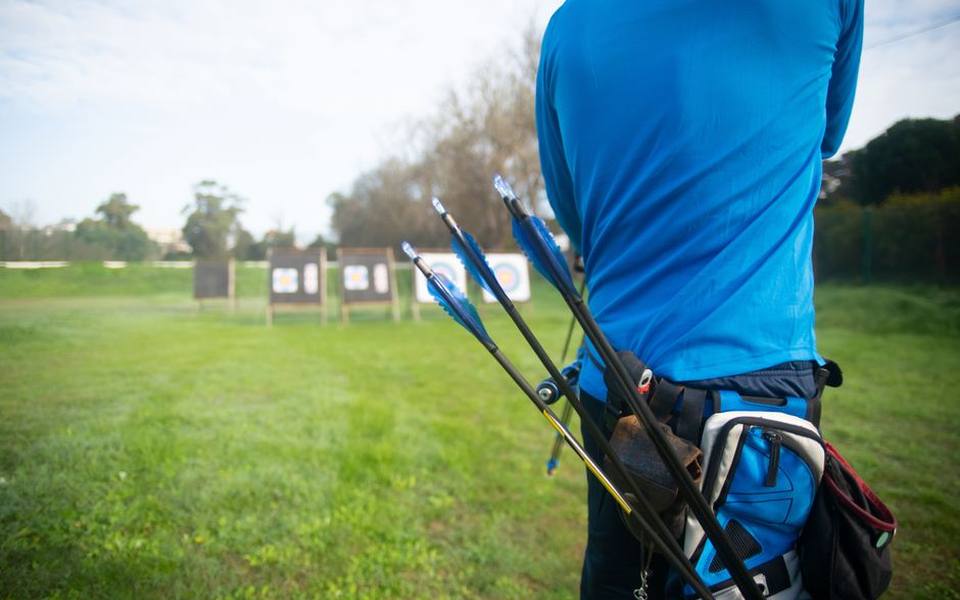
The standard operational rule at any public facility revolves around clear line communication. Archers must agree on a unified shooting line and only advance downrange to retrieve arrows when every bow on the line is racked or lowered. Calling clear before stepping over the line is standard procedure, and no one may nock an arrow while another shooter is downfield. When searching for lost arrows behind target bales, lean your bow across the face of the target to signal your presence to others approaching the range.
Broadheads are strictly prohibited at almost all municipal public ranges because razor blades quickly shred woven target cores and wooden support frames. Shooters must stick exclusively to field points unless the park provides a designated sand pit or replaceable foam station specifically rated for hunting heads. Bringing your own paper target faces and push pins is customary, as public butts often show significant center wear from heavy community use. Pack out all paper, broken nocks, and torn vanes to keep the space clean for everyone.
The Tradition of Independent and Rural Pro Shops
In rural hunting hubs across the country, independent storefronts like Zimmermans archery proshop and similar multi-generation shops serve as vital community cornerstones. In regions like the heartland, where there are 137 cataloged archery ranges in Pennsylvania, these family-run facilities often operate out of retrofitted barns or dedicated rural outbuildings. What they may lack in corporate showroom aesthetics, they make up for with decades of hands-on bow tuning experience and deep familiarity with regional hunting terrain.
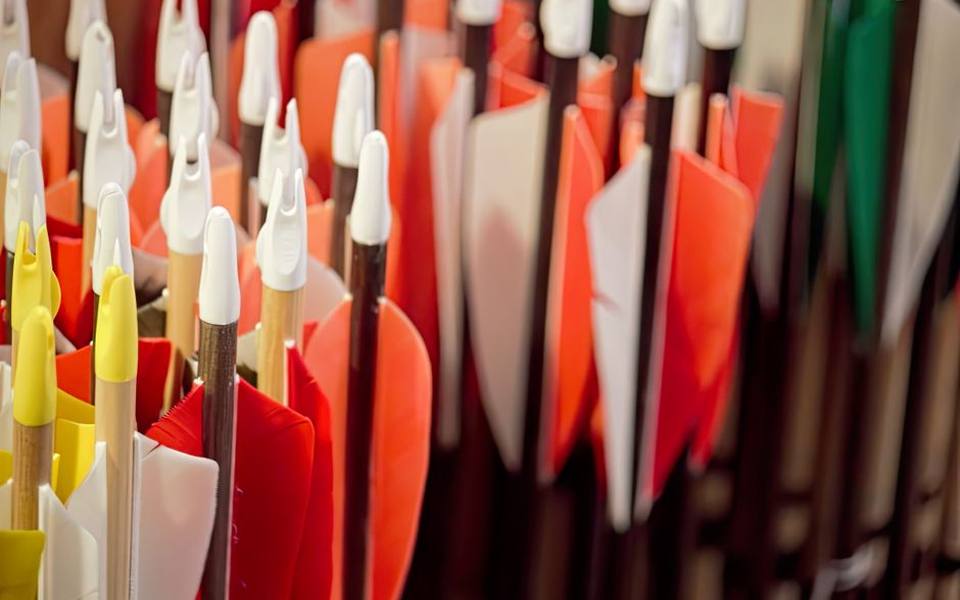
These independent shops often carry custom arrow components and fletching configurations that standard sporting goods stores completely overlook. Technicians build arrows spine-indexed to your bow's exact draw weight, cutting shafts to fractional inch tolerances and squaring both ends of the carbon tube with diamond abrasive wheels. They will happily weigh your point, insert, and fletchings to calculate exact front-of-center weight distribution. This methodical attention to ballistic detail ensures superior arrow penetration and clean broadhead flight in the field.
Beyond technical services, rural pro shops function as social epicenters where local hunters exchange information about game movement, seasonal weather impacts, and agricultural patterns. Shop owners frequently maintain an indoor tuning lane where customers can shoot alongside regular patrons who have been tuning gear in that same space for thirty years. For an archer seeking honest advice without corporate sales quotas, finding a respected local outfitter remains one of the best investments you can make in your shooting journey.
All-in-One Learning Centers and Bowhunting Facilities
An emerging trend across the country is the hybrid facility that combines a comprehensive retail floor with extensive training infrastructure. Searching for an archery learning center and bowhunting proshop leads archers to spaces designed to take a complete novice from their first shot all the way through advanced field preparation. These facilities house dedicated retail counters, service benches, multi-lane indoor target courses, and classroom spaces under a single roof, creating a self-contained ecosystem for archers of all skill levels.
The advantage of a combined facility is the seamless transition between gear selection and practical application. After purchasing or servicing a bow, you can immediately walk onto climate-controlled indoor target ranges to test adjustments at standardized twenty-yard distances. On-site certified instructors can observe your form in real time, catching bad habits like target panic, torque, or improper anchor positioning before they become deeply ingrained muscle memory. This immediate feedback loop ensures that your equipment adjustments match your natural shooting mechanics.
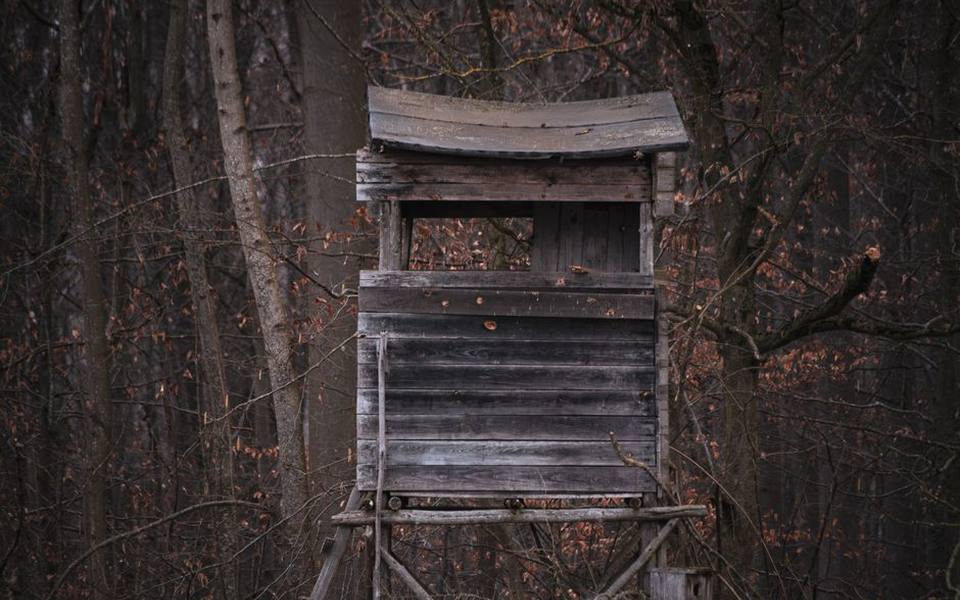
For bowhunters, these comprehensive learning centers often feature elevated shooting platforms that simulate tree stand angles, as well as moving target systems or darkened indoor hunting simulations. Shooters can practice balancing on small platforms and angling their torsos properly rather than simply dropping their bow arm when aiming downward. Facilities of this scale regularly host educational seminars covering blood trailing techniques, broadhead tuning, and backcountry survival skills, making them indispensable resources for modern outdoorsmen preparing for demanding autumn seasons.
Joining a Local Archery Club for Year-Round Practice
While public facilities offer casual convenience, joining a local archery club opens access to specialized infrastructure rarely found in city parks. Member-owned archery clubs typically control extensive acreage featuring walk-through field courses, permanent bunker targets, and 24-hour indoor range buildings. Operating under a cooperative non-profit model, clubs rely on member dues and volunteer work days to maintain high-quality equipment, rebuild target butts, and maintain trail networks through forested shooting acreage.
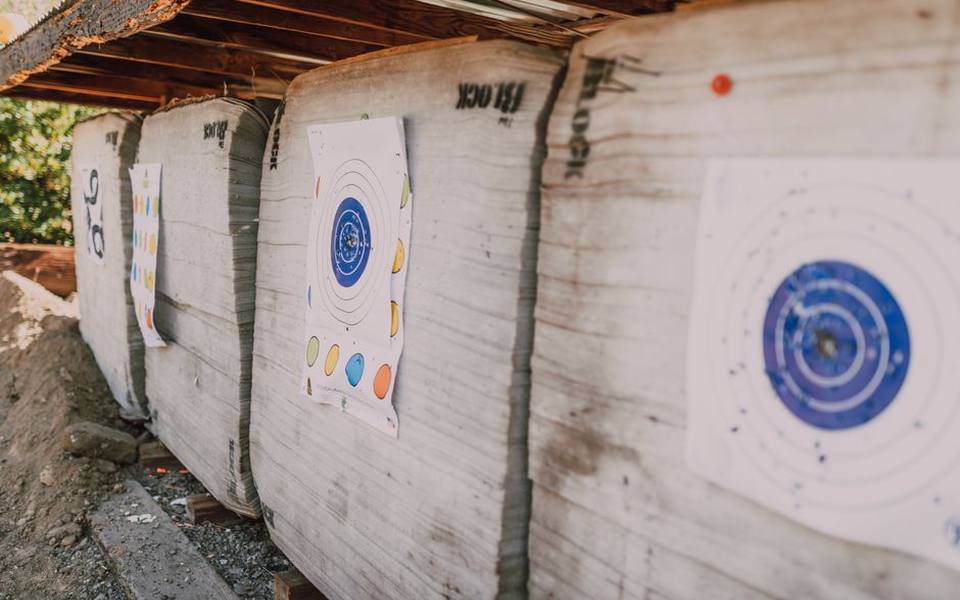
Joining a local archery club provides structured social opportunities that encourage consistent practice throughout the off-season. Most clubs host weekly target leagues, winter spot shoots, and seasonal outdoor animal rounds that introduce friendly competition to your regular routine. Shooting alongside seasoned target archers and veteran bowhunters exposes you to diverse styles, ranging from Olympic recurve techniques to barebow string walking. This peer group provides ongoing constructive criticism that helps archers overcome accuracy plateaus much faster than solo practice.
Membership processes vary, but most clubs require an orientation walkthrough, a brief demonstration of safe shooting habits, and occasionally a probationary period before granting an access key or electronic entry code. Annual dues are typically very reasonable compared to commercial range fees, making membership highly economical for those who shoot multiple times per week. Taking part in seasonal cleanups or helping set up weekend tournaments also integrates you into a passionate sporting community that treats range safety as a collective responsibility.
Taking Structured Bowhunting Classes and Hunter Education
Every aspiring bowhunter must navigate the educational requirements established by wildlife agencies to ensure humane, ethical harvests in the field. Enrolling in state-approved bow hunting classes, often governed by the National Bowhunter Education Foundation curriculum, is either mandatory or strongly recommended depending on where you plan to hunt. These courses delve deep into topics that standard firearm safety classes gloss over, focusing heavily on short-range animal anatomy, vital zone angles, and the physics of sharp cut-on-contact broadheads.
Comprehensive bowhunter education places immense emphasis on shot placement and shot angles. Unlike high-powered rifle rounds that rely on hydrostatic shock to down game, archery equipment kills through blood loss and hemothorax. Classes teach hunters why quartering-away shots provide the cleanest path to heart and lungs, while head-on or steep quartering-to shots carry unacceptable risks of wounding. Instructors also cover distance estimation, shot angle compensation in steep terrain, and the vital necessity of waiting out an animal after the shot before beginning blood recovery.
Beyond technical mechanics, modern courses emphasize tree stand safety, which accounts for the vast majority of non-fatal hunting injuries every year. Students practice inspecting webbing, hanging climbing sticks, and using full-body fall-arrest harnesses with lineman belts. For hunters seeking hands-on coaching, pairing hunter education with structured archery lessons helps build the physical stamina, anchor consistency, and psychological calm required to execute a clean release when a target animal walks into close range.
Understanding Bowhunting Opportunities and Rules in California
Taking up bow hunting in California requires navigating a unique set of geographical opportunities paired with strict wildlife regulations. The state offers diverse game species ranging from coastal blacktail deer and Tule elk to desert bighorn sheep and mountain mule deer. To manage hunting pressure, the California Department of Fish and Wildlife divides the state into numerous hunt zones, many of which feature dedicated archery-only seasons (A-tags) that open weeks prior to the general rifle seasons.
A critical legal detail for anyone hunting in California is the mandatory statewide non-lead ammunition regulation. While this law originally targeted lead firearm bullets, archers must be vigilant regarding game tags, tag validation procedures, and legal broadhead dimensions. Broadheads in California must not be capable of passing through a hole seven-eighths of an inch in diameter when expanded. Furthermore, hunters cannot carry crossbows during standard archery seasons unless they hold a certified physical disability permit issued by the state agency.
Finding suitable places to practice field shots before taking to public BLM land or national forests is straightforward, with 95 cataloged archery ranges in California spread from suburban parks to mountain club courses. Because western bowhunting frequently demands shots across steep canyons and through variable afternoon thermal winds, practicing at varying elevations is essential. California hunters regularly utilize field archery ranges in the foothills to master slope compensation before their backcountry tags open in late summer.
Immersing Yourself in Traditional Archery Gatherings
For shooters who prefer the simplicity of wood, leather, and feathers, attending a traditional archery rendezvous offers a complete departure from modern compound gadgetry. These multi-day gatherings bring together enthusiasts of longbows, traditional recurves, and selfbows carved from solid staves of osage or yew. Held at expansive outdoor properties or private clubs, a rendezvous functions as part tournament, part educational seminar, and part primitive camping retreat centered around barebow shooting culture.
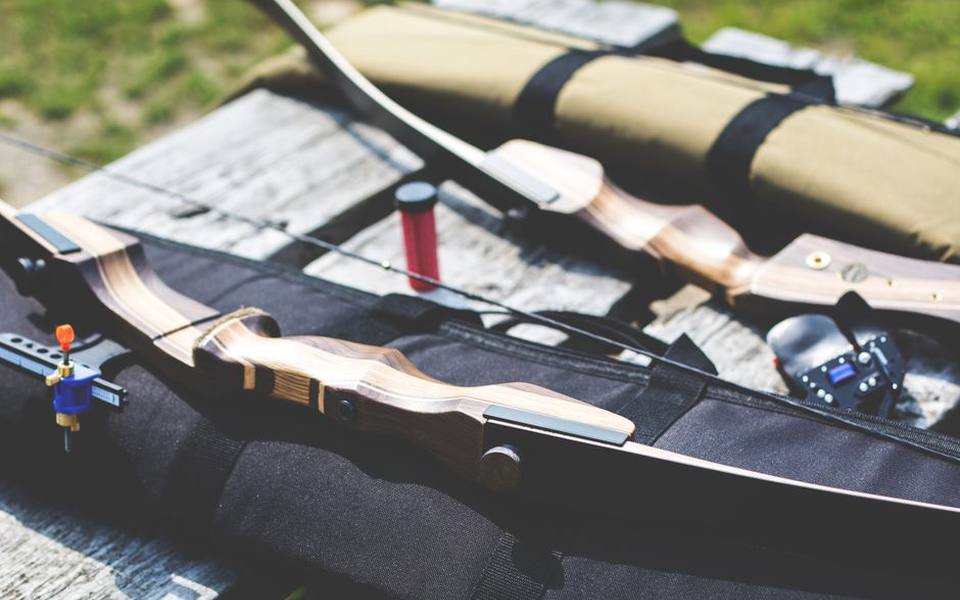
The primary draw at these events is typically a series of vast outdoor 3D archery courses laid out across challenging woods, ridges, and creek beds. Targets are arranged to simulate realistic field encounters, complete with brush obstructions, steep downhill angles, and long cross-canyon novelty shots. Unlike rigid target tournaments, rendezvous shooting is relaxed and supportive, with archers walking trails in small groups, sharing tips on instinctive aiming, arrow tuning, and leatherwork as they shoot foam targets.
Evenings at a traditional rendezvous usually center around open swap meets, knapping demonstrations, and bow building workshops. Custom bowyers from around the country display handcrafted wood limbs, custom-poured horn tips, and back quivers sewn from heavy leather. Whether you are an experienced stickbow shooter or a compound archer curious about stripping away sights and mechanical releases, attending a rendezvous provides an unmatched opportunity to learn primitive fieldcraft from master craftsmen.
Pursuing Instructor Certification and Mentoring Archers
As archery continues to grow across schools, collegiate programs, and community centers, the demand for qualified coaches has expanded dramatically. USA Archery and the National Field Archery Association administer standardized instructor certification tracks that train shooters to teach safely and systematically. Beginning at Level 1, these courses provide candidates with foundational knowledge regarding range safety management, whistle commands, and standard class procedures for introducing beginner groups to the sport.
Progressing to Level 2 certification allows an archery professional to teach beyond basic recreational groups and begin developing competitive youth programs. Level 2 coaches learn the National System shooting form, biomechanical alignment, bow tuning fundamentals, and equipment repair. This credential is required for individuals wishing to establish or lead Junior Olympic Archery Development (JOAD) clubs, collegiate archery teams, or state-level school initiatives. It certifies that the coach can evaluate physical motor patterns and safely guide students through equipment progressions.
Advancing toward Level 3 and beyond transforms a dedicated shooter into an elite developmental coach capable of training national competitors. These advanced certifications dive deeply into sports psychology, video motion analysis, periodized physical training regimens, and micro-tuning equipment for Olympic and compound disciplines. Becoming certified allows experienced shooters to give back to the archery community, ensuring that high safety standards and proper shooting fundamentals are passed down to the next generation of range archers.
Published 2026-09-21 · reviewed with each rebuild, last October 2026.
Find archery ranges & sports shops near you
The directory lists 38,975 archery ranges & sports shops by state and city — pick your state or use the “Near me” button in the header.
More guides
-
 Money
MoneyA Guide to Archery Range Fees and Lesson Costs
-
 Buying
Choosing Broadheads and Aiming for the Perfect Shot
-
 Service
DIY Bow Maintenance, Tuning, and Basic Repairs
-
 Buying
Choosing Sights and Rangefinders for Better Accuracy
-
 Buying
Essential Gear for Target Practice and Bowhunting Preparation
-
 Money
MoneyUnderstanding Bow Purchase and Restringing Costs: A Complete Pricing Guide
-
 Owning
Arrow Selection, Cutting, and Fletching at Home: A Complete Guide
-
 Safety
Bowhunting Shot Placement Guide for Deer and Turkey
-
 Buying
Complete Guide to Choosing the Best Crossbow Broadheads
-
 Money
MoneyHow Much Does Archery Cost? A Realistic Beginner Budget
-
 Buying
Choosing the Right Arrows and Field Points: Shaft Materials, Weights, and Tuning
-
 Buying
Best Archery Sets for Beginners: Complete Buyer Guide and Starter Tips
-
 Owning
Best Archery Targets and Backstops: 3D, Foam, Bag, and DIY Setup Guide
-
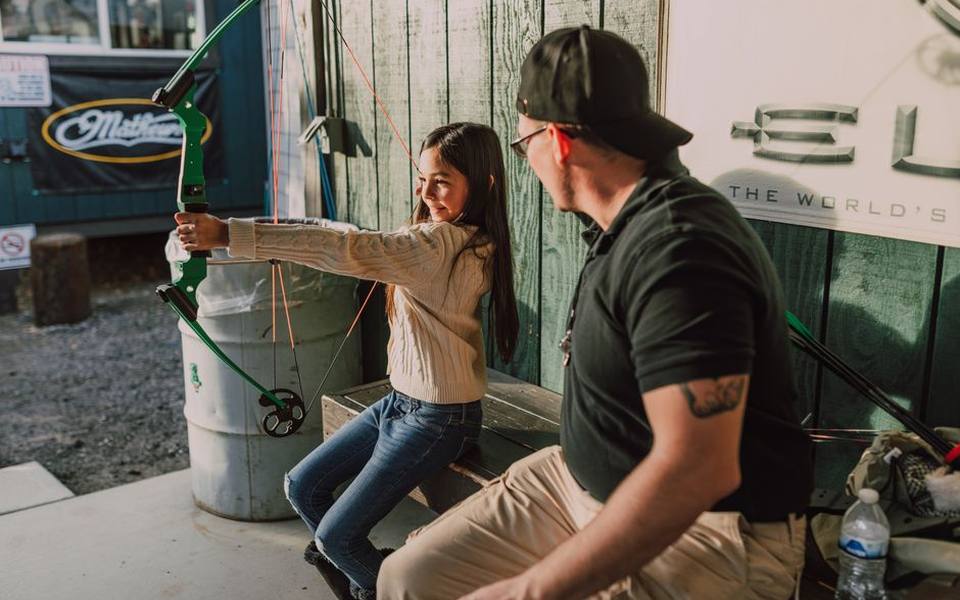 Buying
Beginner Archery Buying Guide: Recurve, Compound, and Traditional Bows
-
 Buying
Bowfishing Equipment Guide: Bows, Reels, Arrows, and Rigging Setups
-
 Owning
Lighted Nocks and DIY Arrow Building: Fletching, Cutting, and Tuning
-
 Buying
Crossbow Bolts, Broadheads, and Cocking Devices: Complete Buyer's Guide
-
 Buying
Complete Arrow Selection Guide: Carbon Shafts, Spine, Length, and Brands
-
 Safety
Archery Protective Gear: Arm Guards, Chest Protectors, Tabs, and Slings
-
 Buying
Archery Quivers Buying Guide: Hip, Back, and Bow-Mounted Options
-
 Buying
Bow Release Aids Explained: Wrist Strap, Thumb Button, and Hinge Releases
-
 Owning
Compound Bow Tuning and Care: Strings, Wax, Stabilizers, and Cases
-
 Buying
Arrow Rests Compared: Whisker Biscuit, Cable-Driven, and Limb-Driven
-
 Safety
Archery Lessons, Proper Form, Range Etiquette, and Youth Programs
-
 Owning
Complete Guide to Single Pin Bow Sights and Sight Tapes
-
 Owning
Arrow Selection and DIY Arrow Building: Shafts, Fletching, and Tools
-
 Buying
Best Hunting Broadheads: Fixed Blade vs Mechanical Broadheads
-
 Buying
Archery Targets Guide: 3D Targets, Bags, Blocks, and DIY Backstops
-
 Buying
Archery Quivers Guide: Bow-Mounted, Hip, Back, and Crossbow Quivers
-
 Service
Bow Tuning and Setup: Paper Tuning, Arrow Rests, and Bow Maintenance
-
 Buying
Bowfishing Gear Guide: Bows, Rigs, Arrows, and Setup Options
-
 Owning
Essential Archery Accessories: Lighted Nocks, Arrow Pullers, and Arm Guards
-
 Buying
Archery Release Aids Guide: Thumb, Hinge, Wrist, and Mechanical Releases
-
 Buying
Essential Bowhunting Gear, Deer Supplies, and Gift Guide
-
 Buying
Crossbow Buying Guide: Matching Platforms, Bolts, Optics, and Fletching
-
 Buying
Beginner Bow & Arrow Starter Kits: How to Choose Your First Setup
-
 Owning
Traditional Archery, Longbows, and Primitive Gear
-
 Buying
Deer Hunting Bows: Comparing Recurve and Compound Setups, Finding Deals, and Studying Hunting Film
-
 Buying
Compound Bow Setup, Tuning, Form, and Equipment Guide
-
 Owning
Compound Bow Release Aids and Grip Tape: Enhancing Control and Consistency
-
 Service
Crossbow Maintenance: String Replacement and Scope Sighting Guide
-
 Owning
Broken Bow Cabin Rentals: Complete Beavers Bend Vacation Guide
-
 Safety
Broken Bow Lake Rentals: Complete Guide to Boats, ATVs, and Trail Gear